

You are mid-lap, focused on your rhythm, when your earbud slips out and sinks. This common frustration ends your workout and your motivation. For swimmers and serious water athletes, finding audio gear that survives the pool and stays put under a cap is a specific challenge. Standard wireless earbuds simply cannot handle the aquatic environment or the secure fit required for flip turns and dives.
This guide is for swimmers, triathletes, and water fitness enthusiasts who want to integrate music or podcasts into their training without compromise. We focus exclusively on sport and waterproof earbuds engineered for swimming cap compatibility. These models combine high-level waterproofing with designs that fit securely under your cap, providing a stable, distraction-free listening experience for every stroke. Explore our main category for sport and waterproof earbuds to see the full range of options available.
What to Look for in Swim Cap Compatible Earbuds
Waterproof Rating and Underwater Functionality
A high waterproof rating is non-negotiable. Look for IPX8 or IP68 certification, which confirms the earbuds can be submerged for extended periods. Crucially, remember Bluetooth signals cannot travel through water. Therefore, the best swimming headphones offer a built-in MP3 player with ample storage. You must switch to this offline mode before diving in to enjoy continuous audio during your swim session.
Fit and Swimming Cap Compatibility
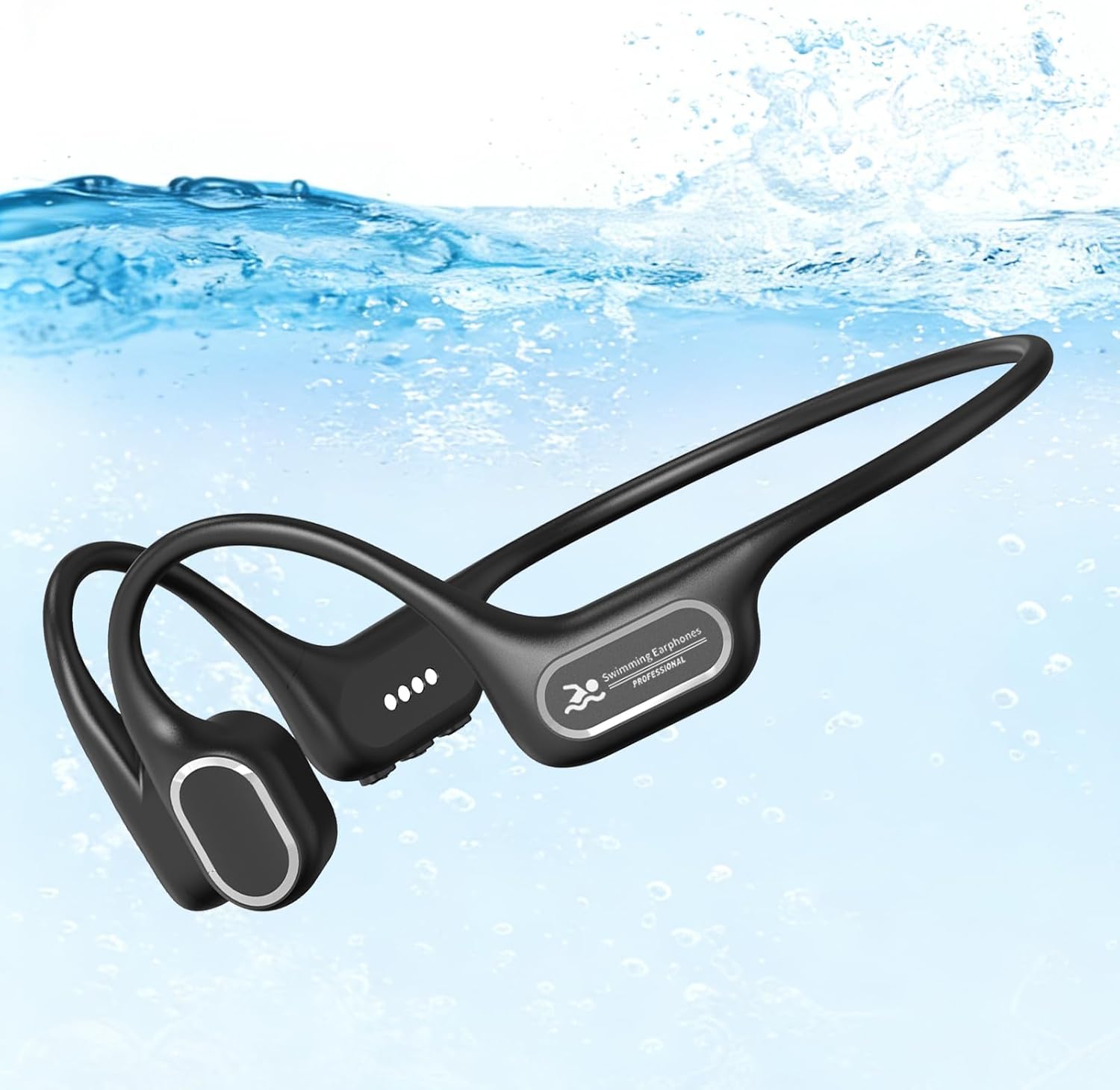
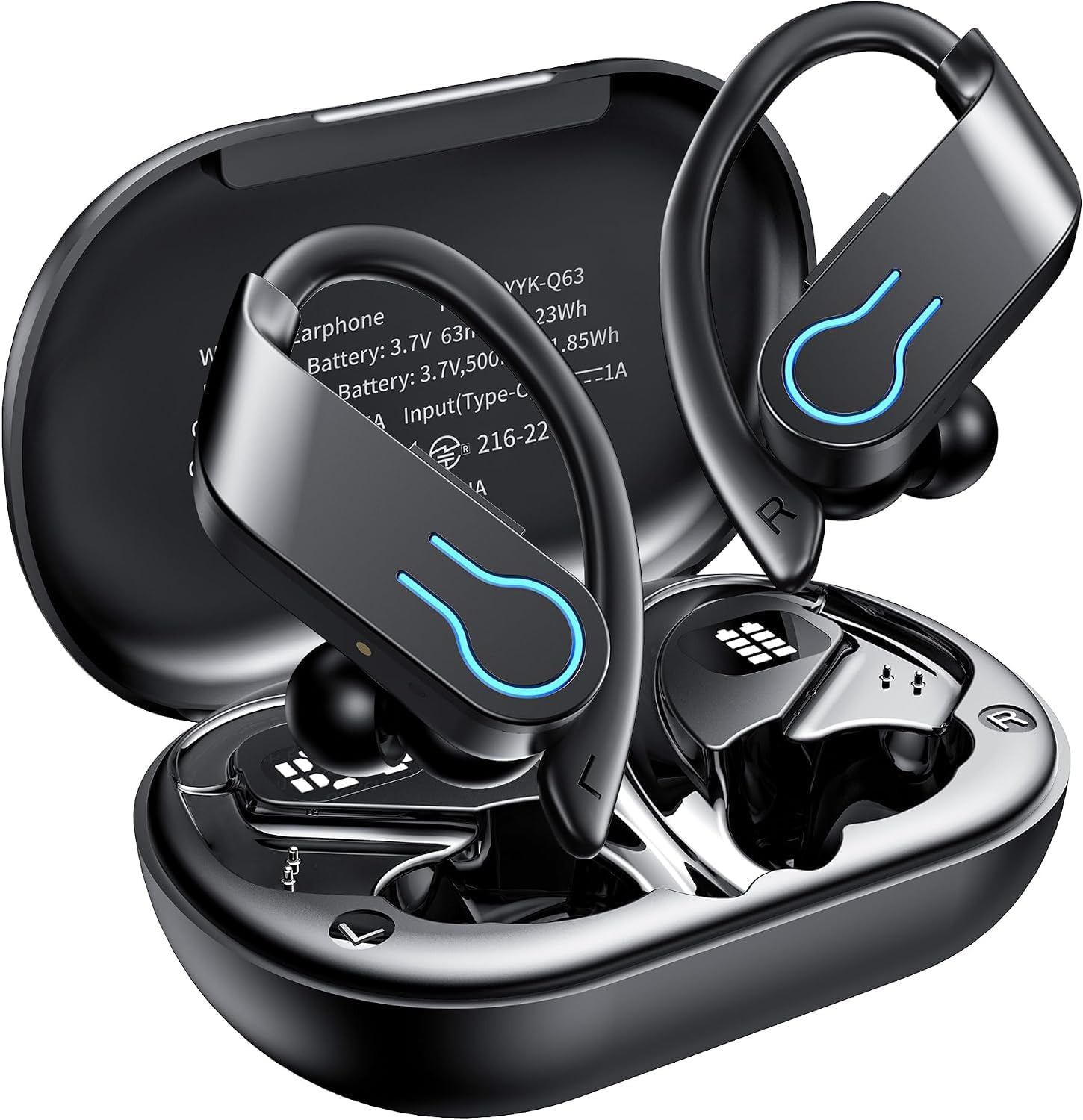
The design must prioritize a low-profile, secure fit. Bone conduction models with open-ear hooks or neckbands are often ideal, as they sit outside the ear canal and lay flat against the head. This design allows a swimming cap to slide over them smoothly, applying gentle pressure to hold them firmly in place during vigorous activity. For in-ear models, a secure hook and multiple ear tip sizes are essential for a watertight seal and stability. Learn more about models with soft silicone bodies for enhanced comfort under a cap.
Audio Technology and Situational Awareness
Bone conduction technology transmits sound through your cheekbones, keeping your ear canals completely open. This is a significant safety feature for open-water swimming, as it allows you to remain aware of your surroundings, like boat traffic or lifeguard instructions. While audio quality is tuned for the unique acoustics of water, prioritizing clarity over heavy bass, it provides a motivating soundtrack for your workout. For other secure designs, see our review of earbuds with flexible ear hooks.
Battery Life and Connectivity
Consider devices that offer dual functionality. On land, you want reliable Bluetooth connectivity for calls and streaming. In the water, you need sufficient MP3 battery life to last your longest training session. Look for magnetic charging, which helps maintain the waterproof seal, and a large internal memory capacity (32GB is common) to store thousands of songs without needing your phone poolside. Discover other innovative designs in our open-ear and bone conduction category.
Final Thoughts
Upgrading your swim training with dedicated audio gear is a game-changer for focus and enjoyment. For swimmers seeking a proven balance of secure fit and clear audio, the PSIER Bone Conduction Headphones are a reliable choice with extensive user validation. If you prioritize a certified high waterproof rating and a featherweight design for ultimate comfort under a cap, consider the Swimming Headphones Bone Conduction Headphones from Roujune. Whichever model you choose, ensure it complements your stroke and enhances your time in the water. For more options that cater to specific fit needs, you can also explore sport earbuds with adjustable ear hooks.
Frequently Asked Questions
Can I use Bluetooth headphones while swimming?
No, Bluetooth signals cannot transmit through water. All true swimming headphones require you to use a built-in MP3 mode while submerged. They function as a standalone music player during your swim, then connect via Bluetooth when you are on land.
How do I keep waterproof earbuds from falling off while swimming?
The most effective method is to wear a standard swimming cap over the earbuds. This applies even pressure and keeps them securely in place against your head, even during flip turns and dives. Choosing a model with a low-profile, behind-the-neck or open-ear hook design is key for cap compatibility.
Are bone conduction headphones good for swimming?
Yes, they are excellent for swimming. Their open-ear design allows you to hear ambient sounds for safety, and they typically sit flush against your temples, making them very compatible with wearing a swim cap. The audio is transmitted through vibration, which works effectively even underwater.
How do I get music onto waterproof MP3 swimming headphones?
Most models include a magnetic charging cable that also acts as a data transfer cable. You connect this cable from the headphones to a USB port on your computer, where the internal storage appears as an external drive. You then simply drag and drop your music files (in supported formats like MP3 or WAV) into the folder.





Write Your Review
No reviews yet. Be the first to share your experience!