

You’re pushing through a tough set, counting strokes, and trying to maintain your rhythm. The only thing that could make this swim session better is your favorite playlist pushing you forward, but your regular earbuds can’t handle the water. This is the precise problem dedicated swimming headphones solve. Whether you’re a lap swimmer, an open-water enthusiast, or someone who loves water sports, having reliable audio can transform your training. This guide cuts through the noise to review nine top-performing waterproof earbuds specifically evaluated for aquatic use.
We focus on products that deliver on the critical promise of underwater functionality. This means looking beyond simple water resistance to true waterproof certifications, secure fits that survive flip turns, and the right audio technology for a submerged environment. From advanced bone conduction designs that keep your ears open to traditional in-ear models with heavy-duty seals, the right choice depends on your swimming style and preferences. Let’s dive into the options designed to keep your music afloat.
Top Sport & Waterproof Earbuds for Swimming: Compared
Below is a detailed comparison table of the nine waterproof earbuds we’ve assessed for this review. It provides a quick overview of key specifications like waterproof rating, battery life, and special features to help you identify the top contenders at a glance.
What to Look for in Swimming Earbuds
Waterproof Rating and Technology
The term “waterproof” has specific meanings. For swimming, you need an IPX8 or IP68 rating. IPX8 certification means the device can withstand continuous immersion beyond one meter, as specified by the manufacturer. Many models on our list are rated for two meters for one or two hours.
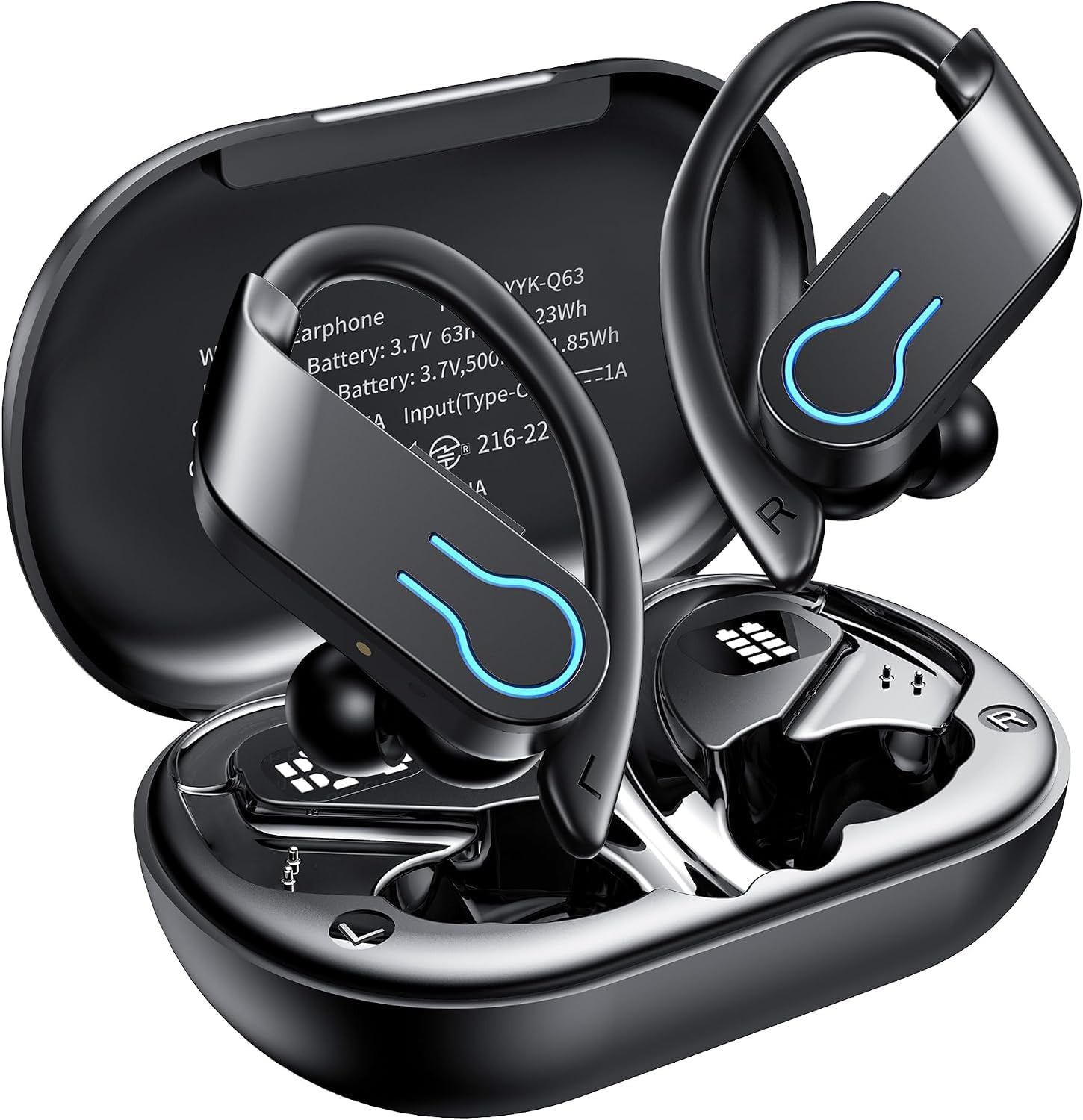
It’s crucial to understand the technology behind the waterproofing. Bone conduction headphones often use a fully sealed neckband design. In-ear models like the IPX8 Waterproof Swimming Earbuds rely on a combination of rotatable ear hooks and specialized silicone tips to create a secure seal. Remember, a high IP rating is essential, but so is a design that maintains that seal during dynamic movement. For more on designs that prioritize a secure fit, explore our guide on best large sport & waterproof earbuds.
Audio Playback Modes: MP3 vs. Bluetooth
This is the most critical technical consideration for swimmers. Bluetooth signals cannot travel through water. Therefore, any headphones you use while submerged must have a built-in MP3 player mode. All the bone conduction models and the SHOKZ OpenSwim Pro include this feature.
You must pre-load music onto the device via a computer before your swim. Dual-mode functionality is ideal. You can use Bluetooth for land-based workouts like running or cycling, then seamlessly switch to MP3 mode before you hit the pool. The process for switching modes, usually a double-click of a button, should be simple and reliable. This hybrid approach offers maximum versatility for an active lifestyle.
Fit, Comfort, and Security
A product can have a perfect waterproof rating, but if it falls out during a flip turn, it’s useless. Fit is paramount. Bone conduction models offer an open-ear design that many find comfortable under swim caps and goggles. Their neckband style distributes weight evenly.
In-ear models, like the BeatH2O S36, achieve security through customizable ear tips and rotatable hooks that lock around the ear. The open-ear / bone conduction category is popular for swimming precisely because it avoids inserting anything into the ear canal, which can feel more secure for some swimmers. Consider your personal preference and whether you prefer the awareness of an open-ear design or the noise isolation of a sealed in-ear fit.
Battery Life and Charging
Battery life varies significantly between MP3 and Bluetooth modes. Typically, MP3 mode offers longer playback because it’s not constantly transmitting a wireless signal. Look for models that offer at least 6-8 hours of continuous playback in MP3 mode to cover multiple swim sessions.
Charging method is also important. Magnetic charging cables are common because they help maintain the waterproof seal by eliminating open ports. However, you must ensure the charging contacts and cable are completely dry before connecting. For models without built-in storage, like the JBL Endurance Race 2, remember that the charging case itself is often not waterproof and must be kept dry.
Final Thoughts
Choosing the right swimming headphones ultimately depends on balancing audio technology, fit security, and your budget. For swimmers dedicated to pool laps who want the gold standard in bone conduction audio and are willing to invest, the SHOKZ OpenSwim Pro Open-Ear MP3 Headphones, Grey stands out for its brand reputation and integrated app. If you’re seeking a versatile, budget-friendly true wireless option that excels both in the water and during other gym workouts, the JBL Endurance Race 2 – True Wireless Earbuds offers impressive JBL sound and active noise cancellation, making it a fantastic all-around performer for the active individual.
Frequently Asked Questions
Can I use Bluetooth headphones for swimming?
No, you cannot use standard Bluetooth connectivity while underwater. Bluetooth radio waves cannot transmit through water. All swimming headphones must have a built-in MP3 player mode for underwater use. You download your music to the device beforehand, and it plays the files directly from its internal storage when you switch to MP3 mode.
Are bone conduction headphones good for swimming?
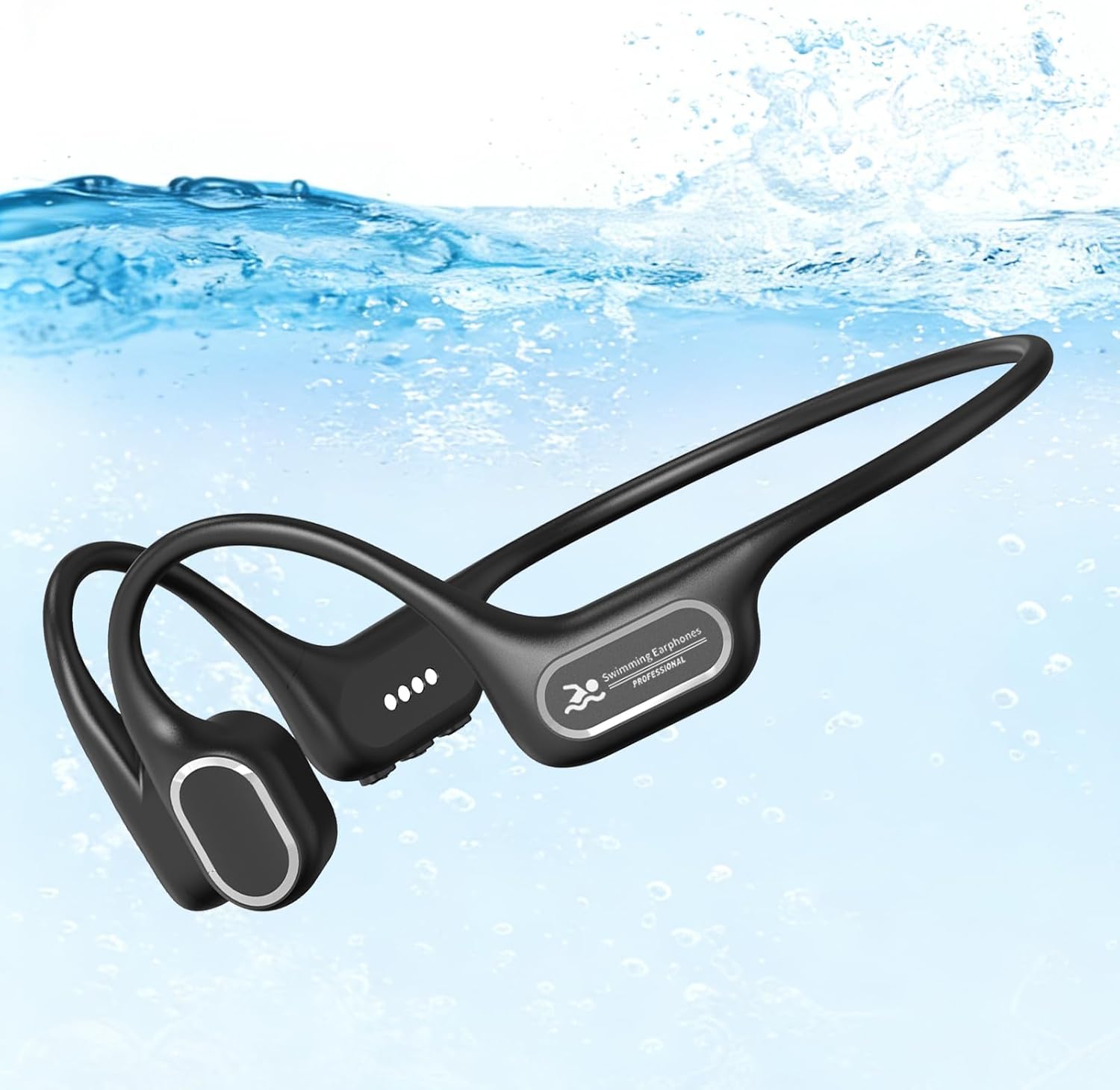
Yes, bone conduction technology is excellent for swimming. It transmits sound vibrations through your cheekbones to your inner ear, leaving your ear canals open. This design is naturally more waterproof as it doesn’t require a seal in the ear canal, and it allows for better environmental awareness. Many models, like the Swimming Headphones Bone Conduction Headphones, are specifically engineered for aquatic sports. For runners who also swim, our review of the best sport & waterproof earbuds for running covers versatile models.
What does IPX8 waterproof rating mean?
IPX8 is a specific ingress protection rating indicating the device is protected against the effects of continuous immersion in water. The manufacturer defines the depth and duration, but it exceeds the basic IPX7 standard (immersion up to 1 meter for 30 minutes). For swimming headphones, an IPX8 or IP68 rating is essential, with many rated for immersion up to 2 meters for 1-2 hours, which is sufficient for pool swimming and most water sports.
How do I keep my swimming earbuds from falling out?
Security comes from the right design and fit. For bone conduction models, the flexible neckband and ear hooks should sit snugly. Wearing a swim cap over the headphones adds excellent stability. For in-ear models, it’s vital to use the correct size of silicone ear tip from the provided set to create a proper seal. Rotatable ear hooks, like those on the IPX8 Waterproof Swimming Earbuds, actively lock around the contour of your ear. You can find more options designed for secure wear in our list of best small sport & waterproof earbuds.





Write Your Review
No reviews yet. Be the first to share your experience!