

Imagine your favorite album, with every subtle nuance and rich detail, following you perfectly from the kitchen to the living room without a single skip or drop in quality. That is the promise of a modern multiroom speaker system with lossless audio support. For audiophiles and casual listeners alike, achieving this seamless, high-fidelity soundscape at home is now a tangible goal.
This guide is designed for anyone looking to build or upgrade a whole-home audio setup without compromising on sound integrity. We have reviewed eight leading systems, from versatile portable units to sophisticated smart speakers, to help you navigate the key features that matter most. Whether you are streaming high-resolution tracks or syncing audio for a party, the right setup transforms how you experience sound.
Buying Guide for Multiroom Audio Systems
Audio Codec and Hi-Res Support
The foundation of lossless audio is support for high-quality codecs. Look for speakers that handle formats like LDAC, aptX HD, or that stream directly via Wi-Fi for the best bandwidth. This ensures the digital audio signal retains its full detail from your source to the speaker.
Products like the Edifier M60 Multimedia Speaker, with its LDAC support, exemplify this capability. It allows for streaming high-resolution audio up to 24-bit/96kHz. A system without this support may compress the signal, losing the clarity and dynamic range that define a premium listening experience. For other high-fidelity options, explore our guide to the best bookshelf wireless speakers.
Multiroom Synchronization Technology
True multiroom functionality hinges on flawless synchronization. The technology that links speakers should maintain perfect audio alignment across rooms with minimal latency. This prevents distracting echoes or delays when the same audio plays in adjacent spaces.
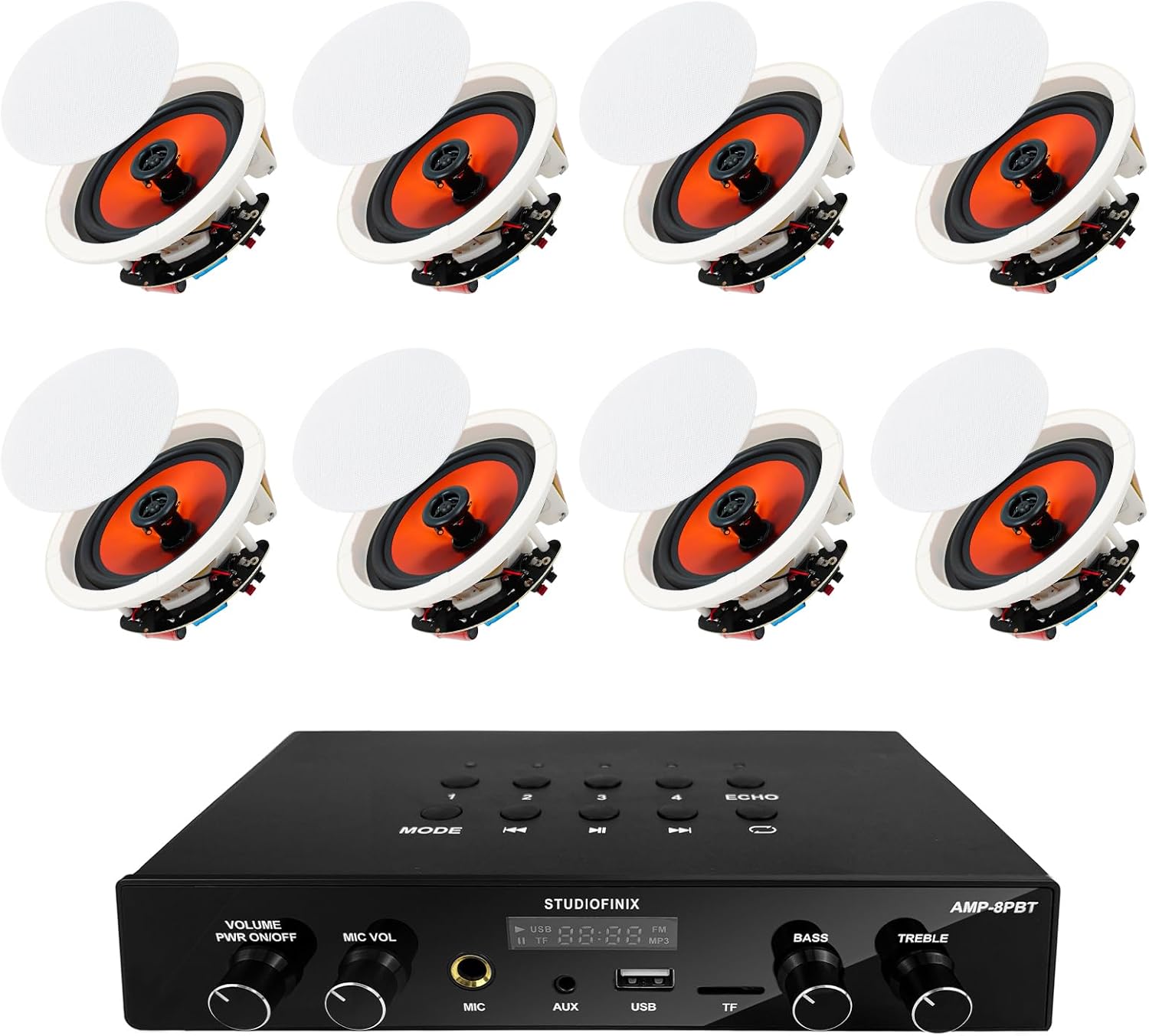
The Avantree Harmony 2 system is engineered specifically for this, boasting ultra-low latency under 30ms for synchronized playback. Other ecosystems, like Sonos, use a robust mesh network over Wi-Fi. The method matters less than the result, consistent, room-to-room coverage that makes the technology feel invisible. For whole-home solutions that integrate into your architecture, consider in-ceiling multiroom speakers.
Connectivity and Ecosystem Flexibility
Your speakers should adapt to your lifestyle, not the other way around. Assess the variety of inputs, such as Bluetooth, Wi-Fi, AUX, or USB, and consider how the speaker fits into a broader ecosystem. Can you pair two for stereo? Can you add a subwoofer or use them as home theater surrounds?
The WiiM Sound Smart Speaker excels here with its open design, supporting Google Cast, Alexa Multi-Room, and stereo pairing. Flexibility also means choosing between a portable, battery-powered speaker for the patio and a permanent, wired setup for the living room. Ensure your chosen system can grow and change with your needs. If aesthetic integration is a priority, our review of the best multiroom speakers with wood finish offers excellent options.
Room Calibration and Sound Optimization
Even the best speaker can sound poor if improperly placed in a challenging room. Advanced systems include automatic room calibration software that measures acoustics and adjusts the output accordingly. This technology compensates for furniture, wall materials, and speaker placement.
Features like Sonos Trueplay or the AI RoomFit in the WiiM speaker analyze your space to deliver balanced bass and clear vocals. This intelligent tuning is crucial for getting consistent, high-quality sound in every corner of your home, ensuring your investment performs optimally regardless of room shape or size.
Final Thoughts
Selecting the ideal multiroom system ultimately balances your desire for pristine audio with practical needs for connectivity and control. For those deeply invested in a streamlined, whole-home ecosystem, the Four Room Set Sonos One SL offers a powerful and humidity-resistant solution to fill multiple spaces with rich sound. If your priority is versatile, high-resolution playback with exceptional user control, the WiiM Sound Smart Speaker with Hi-Res Audio and its intuitive touchscreen presents a compelling and flexible choice. Whichever path you choose, a proper lossless multiroom setup delivers an immersive auditory experience that redefines daily living.
Frequently Asked Questions
What is the difference between lossless audio and standard Bluetooth streaming?
Standard Bluetooth audio often uses compression to transmit data wirelessly, which can discard some audio information to save bandwidth. Lossless audio preserves the complete original data of a track. To stream it wirelessly without quality loss, you need speakers supporting high-bandwidth codecs like LDAC or aptX HD, or a stable Wi-Fi connection, which offers more bandwidth than traditional Bluetooth.
Can I mix and match different brands of speakers in a multiroom system?
Typically, multiroom synchronization works seamlessly only within the same brand’s ecosystem, like Sonos or a specific model series. Different brands use proprietary wireless protocols that are not interoperable. For a unified system, it is best to stick with one brand or a system specifically designed for universal pairing, like certain smart speakers that work with Google Cast or Alexa multi-room groups.
Do I need a strong Wi-Fi network for multiroom speakers to work well?
Yes, a robust and stable Wi-Fi network is crucial for most whole-home audio systems, especially those streaming high-resolution lossless files. Wi-Fi handles higher data rates and offers greater range and stability compared to Bluetooth for multiroom setups. For larger homes, a mesh Wi-Fi system can ensure strong coverage in every room, preventing dropouts and ensuring smooth synchronization between speakers.
Are there good multiroom options that also function as smart speakers?
Absolutely. Many modern multiroom speakers integrate voice assistants like Alexa or Google Assistant, allowing you to control music, get information, and manage smart home devices by voice. The line between smart speakers and multiroom audio is increasingly blurred. You can explore dedicated options in our guide to the best smart speakers, many of which are designed for multiroom audio from the start.






Write Your Review
No reviews yet. Be the first to share your experience!