

If you are an audiophile seeking to extract every last detail from your music or a home cinema enthusiast craving a more dynamic and controlled soundstage, you have likely encountered the term bi-amping. This advanced connection method separates the amplification of high and low frequencies, reducing intermodulation distortion and allowing each driver to perform at its peak. The result is often a noticeable improvement in clarity, dynamics, and overall system headroom.
This guide is dedicated to helping you find the best bi-ampable floorstanding speakers. We have evaluated eight standout models from respected brands like Klipsch and Fluance, each offering the dual binding posts necessary for this setup. Whether your priority is room-filling home theater impact or nuanced two-channel stereo listening, the right pair of towers can transform your audio experience.
Buying Guide for Bi-Ampable Floorstanding Speakers
Understanding Bi-Amping and Bi-Wiring
Bi-ampable speakers feature two sets of binding posts, one for the tweeter and one for the woofer section. True bi-amping requires two separate amplifier channels per speaker, offering the greatest benefit by isolating the power supply. Bi-wiring uses a single amplifier but separate cable runs, which some listeners find improves detail. For the most significant upgrade, ensure your amplifier supports these configurations.
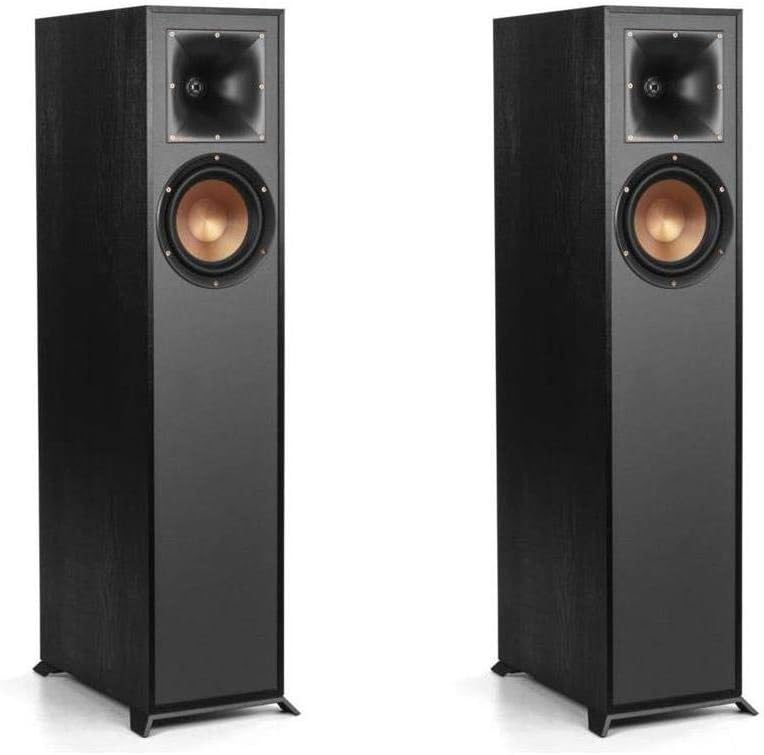
Models like the Klipsch RP-8000F Reference Premiere Floorstanding are explicitly designed with dual binding posts for this purpose. This feature is a hallmark of speakers built for high-fidelity performance, allowing you to start with a standard connection and upgrade your system later. Exploring options for best floorstanding speakers for stereo listening often leads you to these versatile designs.
Driver Configuration and Cabinet Design
The driver complement directly influences a speaker’s character. Look for robust woofers, like the dual 8-inch units in the Fluance Signature HiFi 3-Way Floorstanding Tower, for authoritative bass. A dedicated midrange driver, as found in three-way designs, can deliver more articulate vocals. The cabinet’s construction is equally critical to prevent unwanted resonance that colors the sound.
High-quality materials matter. Klipsch employs its proprietary Cerametallic woofers and Tractrix horn-loaded technology for efficiency and punch. KEF utilizes its Uni-Q driver array with MAT technology to absorb rear sound waves. A well-braced, inert cabinet, such as those in the SVS Prime Tower Speakers, ensures the drivers produce clean, undistorted audio, which is vital for both music and home cinema applications.
Sensitivity and Amplifier Matching
<!–Speaker sensitivity indicates how loud a speaker will play with a given amount of power. High-sensitivity designs, typical of horn-loaded speakers like the Klipsch Heresy IV, are easier to drive and can work wonderfully with lower-powered amplifiers, including tube amps. This makes them excellent candidates for tube amplifier systems where power is often more limited but quality is high.
Lower-sensitivity speakers may require more robust amplification to reach their full potential, especially in larger rooms. When planning a bi-amp setup, consider the power requirements for both the high and low-frequency sections. Matching your speakers with a suitable amplifier is essential for achieving a balanced, dynamic sound without strain. You can find more guidance on this pairing in our resource for stereo amplifiers.
Room Integration and Aesthetic Fit
<!–Consider your room’s size and acoustics. Larger floorstanders with bigger drivers can pressurize a big space with ease, while more compact towers might be ideal for smaller listening environments. Placement is key; most floorstanding speakers perform best when pulled away from walls to allow bass ports to breathe and soundstages to develop fully.
Do not overlook aesthetics. These speakers are significant pieces of furniture. Brands offer various finishes, from the classic walnut of the KEF Q7 Meta to the modern ebony of the Klipsch RP series. Choose a design that complements your decor, as you will enjoy them more if they look as good as they sound. For a broader selection, browse our main floorstanding speakers category.
Final Thoughts
Upgrading to bi-ampable floorstanding speakers is a strategic move for any serious audio enthusiast looking to maximize system performance. For those seeking legendary heritage sound with incredible efficiency, the Klipsch Heresy IV Heritage Premium Floorstanding is a captivating choice. Alternatively, if your priority is modern clarity with deep, controlled bass from a unique down-firing design, the Fluance Reference High Performance 3-Way offers remarkable value and performance. Whichever path you choose, you are investing in a more immersive and detailed listening experience.
Frequently Asked Questions
What are the real benefits of bi-amping my speakers?
Bi-amping can provide several audible benefits. By using separate amplifier channels for the high and low frequencies, you reduce intermodulation distortion and ease the load on each amp. This often results in cleaner sound at high volumes, improved dynamic range, and tighter bass control. The degree of improvement depends on your existing equipment and the speakers themselves.
Can I bi-amp with a single stereo amplifier?
No, true bi-amping requires four amplifier channels for a pair of speakers: one channel for the tweeter and one for the woofer of each speaker. This typically means using two stereo amplifiers or a multi-channel AV receiver that supports assigning its channels for this purpose. Using a single stereo amplifier only allows for bi-wiring, which is a different, and often more subtle, modification.
Are bi-ampable speakers better even if I don’t bi-amp them right away?
Absolutely. The presence of dual binding posts is often an indicator of a higher-quality crossover network and overall build designed for superior performance. You can use the included metal jumper bars to connect the posts for standard operation with a single amplifier. This gives you a high-performance speaker today and a clear upgrade path for your system in the future as you expand your amplification.
What kind of amplifier power do I need for bi-amping?
Requirements vary. A common approach is to use a more powerful amplifier for the bass drivers, which demand more current, and a cleaner, lower-powered amp for the tweeters. However, using identical amplifiers is simpler and still effective. Check your speaker’s recommended power range and ensure your amplifiers can deliver clean power within those limits. Proper setup is key to achieving the benefits in 2026 and beyond.


Write Your Review
No reviews yet. Be the first to share your experience!