

Have you ever listened to a favorite vocal track and felt the singer’s voice sounded thin or veiled, lacking the natural presence and texture you know is there? Or perhaps acoustic guitar strings lose their characteristic pluck and resonance through your current speakers. The culprit is often a weak or colored midrange, the critical frequency band where most musical instruments and the human voice reside.
This guide is crafted for the discerning listener who prioritizes vocal realism and instrumental accuracy. We have assessed eight of the most respected floorstanding speakers on the market, focusing specifically on their ability to deliver a transparent, detailed, and uncolored midrange. Whether you are building a dedicated stereo system for music or a home theater where dialogue clarity is paramount, the right tower speaker makes all the difference. For more on speakers that excel with vocals, explore our related guide on the best floorstanding speakers for vocal clarity.
Choosing a Floorstanding Speaker for Midrange Excellence
Driver Configuration and Crossover Design
The path to a clear midrange begins with the speaker’s design. Many high-performance towers use a dedicated midrange driver, which handles frequencies from roughly 300Hz to 3000Hz. This specialization allows the driver to operate within its optimal range, reducing distortion. Look for a well-engineered crossover network that seamlessly blends the midrange driver with the tweeter and woofers. A smooth transition is key to a coherent and natural soundstage where vocals are firmly anchored and instruments sound whole.
Cabinet Construction and Resonance Control
A speaker’s cabinet must be acoustically inert. Any vibration or resonance from the enclosure itself will color the sound, often adding a boxy or muddy character to the midrange. High-quality speakers use thick, braced MDF (Medium-Density Fiberboard) or similar materials to minimize this effect. The goal is a silent cabinet that allows only the drivers’ intended sound to reach your ears, preserving the purity and detail of the mid frequencies. For designs that excel in controlling cabinet resonance, consider exploring best sealed floorstanding speakers.
Room Placement and Acoustics
Even the best speaker can sound compromised if poorly placed in your room. Midrange clarity can be affected by reflections from nearby walls and surfaces. Start by placing your speakers several feet away from the rear and side walls to allow the sound to develop. Toeing them in slightly toward your primary listening position can also improve focus and center-image solidity. Remember, your room is part of the system, and minor adjustments here can yield significant improvements in midrange presence and definition.
Matching with Your Amplification
The amplifier driving your speakers plays a crucial role in midrange performance. Speakers with complex crossover networks or lower sensitivity ratings may require an amplifier with robust current delivery to sound their best, especially at moderate to high volumes. A quality amplifier will provide control and dynamics, allowing the midrange to sound effortless and detailed rather than strained or compressed. It is a symbiotic relationship worth considering for optimal results.
Final Thoughts
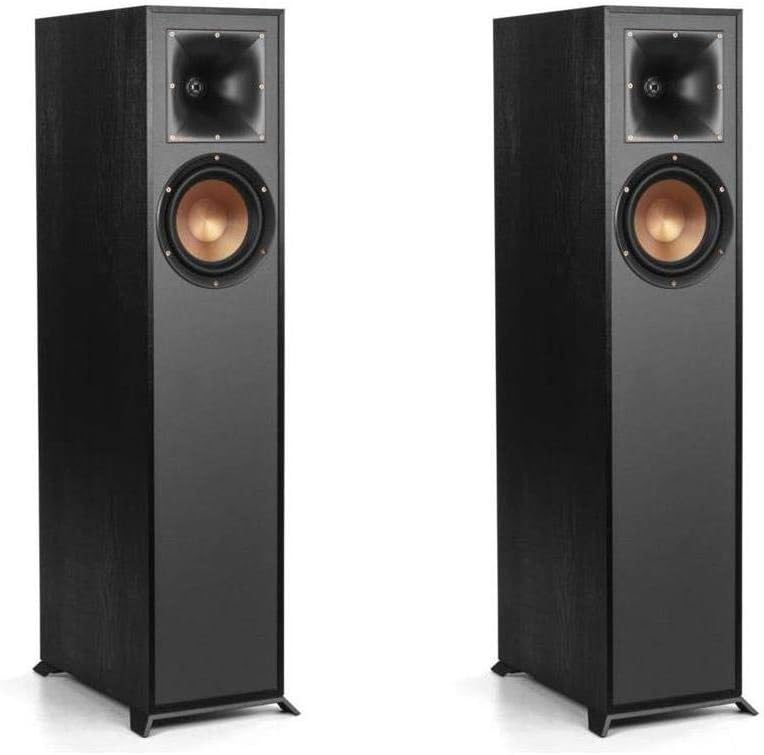
Selecting a floorstanding speaker with a pristine midrange transforms your listening experience, bringing music and movies to life with newfound realism. For listeners seeking a high-end, reference-caliber performance with exceptional driver integration, the SVS Prime Pinnacle Floorstanding Speakers are a compelling choice. If your priority is dynamic impact and high efficiency, particularly for home theater, the Klipsch RP-8000F Reference Premiere Floorstanding delivers thrilling clarity. We encourage you to explore the full range of excellent options in our floorstanding speakers category to find the perfect sonic match for your space and preferences.
Frequently Asked Questions
Why is midrange clarity so important in a speaker?
The midrange frequency band carries the fundamental tones of most instruments and virtually all vocal content. A clear and accurate midrange ensures that voices sound natural and lifelike, guitars have proper body and string texture, and pianos retain their harmonic richness. It is the foundation of a believable and engaging listening experience across all genres. For a deep dive into speakers optimized for instrumental music, read our review of the best floorstanding speakers for acoustic music.
Can I improve the midrange on my existing floorstanding speakers?
Yes, there are several steps you can take. First, reassess your speaker placement, as room interactions are a common cause of midrange muddiness. Experiment with toe-in and distance from walls. Second, ensure you are using quality speaker cables and interconnects. Finally, consider adding room treatment, such as absorption panels at first reflection points, to reduce coloration from early reflections and clean up the midrange presentation.
What is the difference between a 2-way and a 3-way floorstanding speaker for midrange?
A 2-way speaker uses a single woofer/midrange driver to handle both bass and mid frequencies, paired with a tweeter. A 3-way design incorporates a dedicated midrange driver, allowing each driver to specialize in a narrower band. This often, but not always, leads to lower distortion and greater clarity in the critical midrange because the dedicated driver is not also tasked with producing deep bass. The quality of the crossover and drivers is ultimately more important than the count alone.
Are there specific features I should look for in 2026 for the best midrange?
Current trends continue to emphasize advanced driver materials and sophisticated cabinet engineering. Look for speakers using rigid, lightweight cones for midrange drivers, such as woven glass fiber, aluminum, or ceramic composites, which improve transient response. Innovations in crossover components and cabinet bracing techniques also contribute to a cleaner, more detailed midrange by reducing mechanical and electrical interference. Always consult detailed reviews and, if possible, listen for yourself to confirm a speaker’s tonal balance matches your taste.


Write Your Review
No reviews yet. Be the first to share your experience!