

You have invested in a great soundbar or a set of surround speakers, but something is missing. The explosions lack punch, and the soundtrack’s depth feels incomplete. The culprit is often a lack of dedicated low-frequency impact. A wireless subwoofer solves this by delivering that visceral rumble you feel in your bones, all without the hassle of running a cable across your room.
This guide is for anyone looking to upgrade their home audio with clean, powerful bass. We have evaluated the top wireless and wireless-capable subwoofers on the market, focusing on performance, connectivity, and seamless integration into your existing setup. For a broader look at low-frequency performance, explore our guide on the best subwoofers with low distortion.

Pros
- High 400-watt output provides authoritative, room-filling bass without distortion
- Copper-spun woofer cone adds rigidity and accuracy for cleaner low-frequency reproduction
- Flexible phase control and crossover settings make integration with existing speaker systems straightforward
- Dual input options (LFE and line level) ensure compatibility with a wide range of receivers and amplifiers
- Compact cabinet dimensions make placement easy without sacrificing output power
Cons
- At 12 inches, it may be too large for very small rooms or minimalist setups where a compact subwoofer would be more appropriate
- Wired-only connectivity means placement is limited by cable length, with no wireless or Bluetooth option available
- Plastic enclosure material may not feel as premium as wood-cabinet alternatives at a similar price point
The Klipsch R-12SW is a 12-inch front-firing powered subwoofer designed for home theater and stereo music systems. It targets enthusiasts who want serious bass performance without stepping into the high-end audiophile price bracket. Whether you are building a 5.1 surround sound setup or upgrading a two-channel music system, this subwoofer is engineered to deliver.
The standout feature is the 12-inch copper-spun woofer paired with a 400-watt all-digital amplifier. This combination produces a frequency response starting as low as 29 Hz, which means you will physically feel deep bass from action movies, electronic music, and orchestral recordings. The copper-spun cone adds stiffness and reduces resonance, resulting in tighter, more accurate bass compared to standard paper or polypropylene cones.
Setup and integration are made simple through the onboard low pass crossover and phase control. These tools allow you to dial in the subwoofer so it blends naturally with your main speakers, avoiding the muddy or disconnected bass that can plague poorly configured systems. Both LFE and line level inputs are included, ensuring compatibility with virtually any modern AV receiver or stereo amplifier.
On the design side, the brushed black polymer veneer cabinet with a satin painted plinth looks clean and modern. The enclosure is compact for a 12-inch driver, measuring roughly 20.5 inches on each side, which keeps placement options practical. The build quality is solid, though the plastic cabinet construction may feel less premium to buyers accustomed to MDF or real wood enclosures found on pricier competitors.
Overall, the Klipsch R-12SW delivers outstanding value for anyone seeking powerful, accurate bass for home theater or music listening. Its high power output, precise tuning controls, and flexible inputs make it a versatile performer that punches well above its price. If you need wireless connectivity or a very compact footprint, you may want to explore alternatives, but for sheer bass performance and build quality at this price, the R-12SW is a compelling choice.
The Klipsch R-12SW features a 12-inch (30.48 cm) copper-spun front-firing woofer and an all-digital amplifier rated at 400 watts of dynamic power. Its frequency response spans 29 Hz to 120 Hz, covering the full range of low-frequency audio content.
Connectivity includes both LFE (Low Frequency Effects) and line level inputs, making it compatible with 5.1, 7.1, and stereo receiver configurations. The unit supports up to 5.1 audio channels and uses wired connectivity only. Onboard controls include a low pass crossover and phase adjustment.
Cabinet dimensions measure 20.5 inches deep by 20.5 inches wide by 18 inches tall, and the enclosure is finished in brushed black vinyl. The model number is R-12SW and it is backed by a 2-year limited warranty from Klipsch. It is designed for floor-standing placement in home theater environments.
When shopping for a subwoofer, the most important factors are room size, power output, and integration flexibility. The Klipsch R-12SW is best suited for medium to large living rooms or dedicated home theater spaces where its 400-watt output can be fully appreciated. In very small rooms, a 10-inch or smaller subwoofer may actually deliver more controlled bass without overwhelming the space.
If you already own an AV receiver with a dedicated subwoofer output (LFE), the R-12SW will connect directly and easily. If you are running a stereo-only setup, the line level inputs ensure compatibility as well. Make sure your receiver supports a subwoofer channel or pre-out before purchasing any powered subwoofer.
For buyers comparing the R-12SW to competitors, consider that Klipsch is known for efficiency and dynamic performance. If you prioritize deep, impactful bass for movies and gaming, this model excels. Audiophiles focused purely on music reproduction at low volumes may want to audition alternatives with sealed enclosures, as ported designs like this one can sometimes trade ultimate accuracy for louder, more dramatic output. At its price point, the R-12SW remains one of the strongest performers available.
How to Choose Your Wireless Subwoofer
Connectivity and Compatibility
True wireless models use a dedicated transmitter or Wi-Fi, offering maximum placement freedom. Others are part of a soundbar system where the subwoofer pairs wirelessly to the main unit. Ensure the subwoofer’s connection method is compatible with your receiver or soundbar.
Some powered subs offer versatile wired inputs like LFE, RCA, or high-level speaker connections. These are excellent for adding bass to older systems, even if the main connection to your audio source remains wireless. For systems that prioritize pristine signal quality, our review of best studio monitor subwoofers covers high-fidelity wired options.
Driver Size and Cabinet Design
Driver size influences bass output and extension. Larger drivers, like 12-inch models, typically move more air for deeper rumble. Compact 8-inch drivers can deliver surprisingly tight and punchy bass suitable for smaller rooms. The cabinet design also plays a critical role.
Down-firing or side-firing designs can reduce mechanical noise and offer more flexible placement against walls or under furniture. The goal is to choose a design that complements your room layout without sacrificing sound quality. A well-engineered compact sub can be a perfect solution for modern living spaces.
Room Size and Placement Flexibility
The advantage of a wireless subwoofer is the ability to find the ideal acoustic spot in your room. You can place it where bass sounds best, not just where a cable reaches. Consider your room’s dimensions and furniture layout.
A larger room may benefit from a more powerful amplifier and a larger driver. For smaller apartments or bedrooms, a compact, articulate subwoofer prevents overwhelming bass. The wireless functionality lets you experiment with placement easily to achieve balanced sound. This flexibility is key for integrating into diverse home audio environments.
Control and Integration Features
Look for subwoofers with easy-to-adjust controls. A low-pass crossover filter lets you blend the sub’s bass seamlessly with your main speakers. Phase control can help align the sound waves for a cohesive audio image. Volume control is essential for dialing in the perfect amount of impact.
Many modern models offer app control, allowing you to adjust settings from your smartphone. Some even feature auto-on/standby functions for convenience and energy savings. These features ensure your subwoofer works in harmony with your entire system, not just as a separate bass module.
Final Thoughts
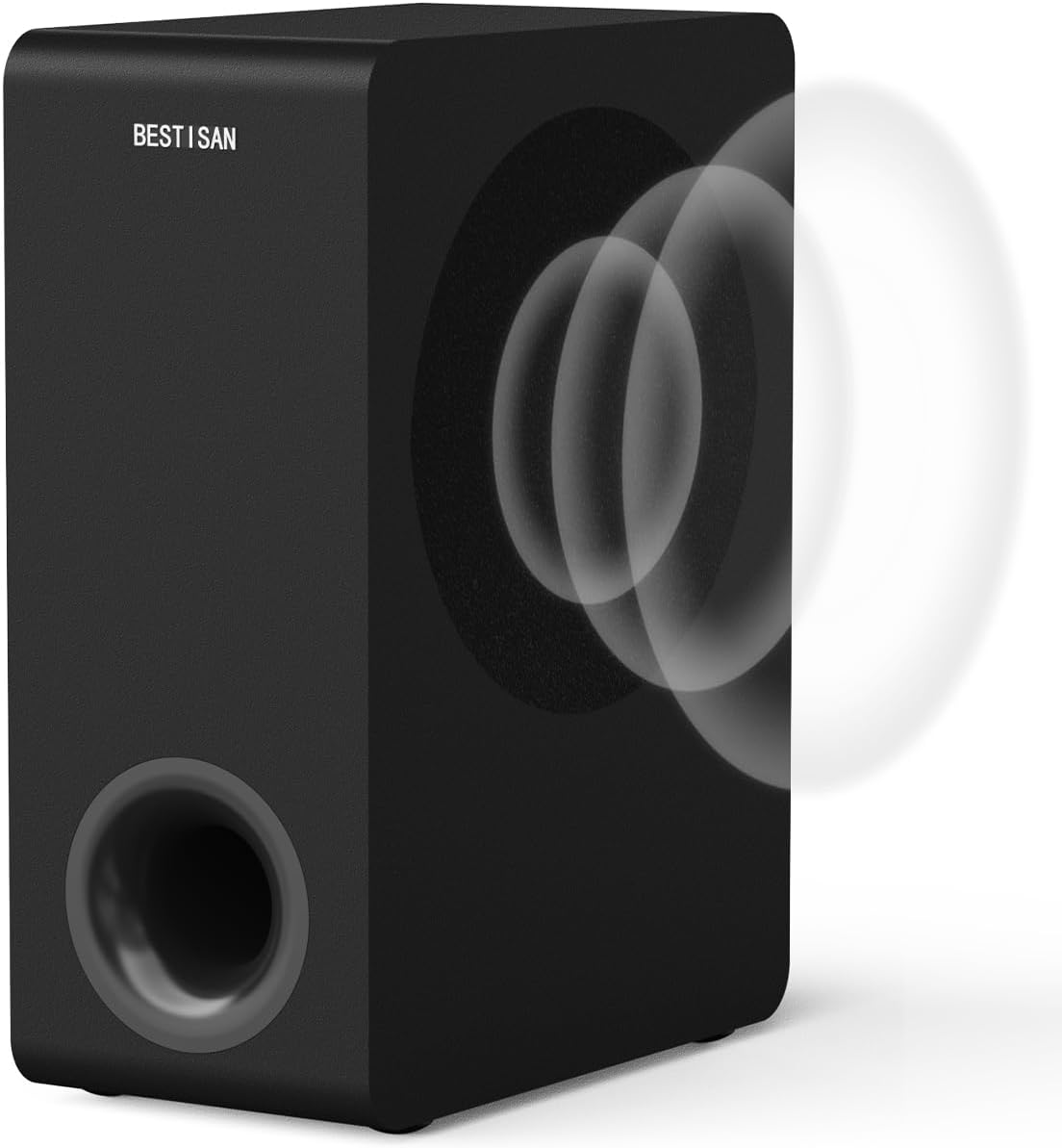
Upgrading to a wireless subwoofer is one of the most effective ways to elevate your home theater experience. It delivers the deep, tactile bass that brings movies and music to life, all while maintaining a clean setup free of cable clutter. For those seeking premium, wire-free performance with easy integration, the Klipsch R-80SWi 8-inch 150W Wireless Subwoofer is a standout choice. If you need a versatile, compact subwoofer that delivers powerful bass for a home theater on a budget, the BSETISAN Subwoofer, 8” Powered Home Audio Sub offers incredible value and performance.
Frequently Asked Questions
Do wireless subwoofers have any audio lag?
High-quality wireless subwoofers use advanced 2.4GHz or Wi-Fi transmission designed for minimal latency. This ensures the bass is perfectly synchronized with the sound from your main speakers or soundbar, providing a cohesive and immersive audio experience without perceptible delay.
Can I add a wireless subwoofer to my existing wired system?
Yes, it is possible. Some standalone wireless subwoofers come with a compact transmitter that plugs into the subwoofer output (LFE) on your AV receiver. This converts the signal, allowing the subwoofer to operate wirelessly. Alternatively, you can explore subwoofers designed for modern subwoofers that often include both wireless and wired connectivity options.
Where is the best place to put a wireless subwoofer in a room?
The classic subwoofer crawl method works well. Place the subwoofer in your primary listening seat, then crawl around the room listening for where the bass sounds fullest and smoothest. That spot is the ideal location for your subwoofer. The wireless advantage lets you place it there without being constrained by cable length.
Are wireless subwoofers reliable?
Modern wireless subwoofers from reputable brands are very reliable. They use stable, dedicated wireless protocols that are resistant to interference from other household devices like Wi-Fi routers or Bluetooth speakers. Look for models with positive user reviews confirming stable performance over time.



Write Your Review
No reviews yet. Be the first to share your experience!