

You have your dream speaker setup planned, but the heart of your home theater, the AV receiver, remains a puzzle. You want powerful, clean sound without the heat and bulk of traditional amps, and that’s where Class D technology shines. These amplifiers are renowned for their efficiency and compact design, delivering robust audio with less energy consumption. This guide is crafted for anyone building or upgrading a home entertainment system, focusing specifically on receivers that harness this modern amplification. We will explore options that balance immersive audio formats with the practical benefits of Class D design.
From full surround sound setups to streamlined stereo systems, the right receiver acts as your command center. It processes video signals, decodes advanced audio formats, and powers your speakers. Understanding the synergy between a receiver’s features and a Class D amp’s performance is key. Whether you prioritize movie night immersion with Dolby Atmos or pristine music streaming, we have assessed the field. For those interested in different amplifier technologies, our review of the best AV receivers with toroidal transformers offers another perspective on power supply design.
| Pick | Product | BRD Score | Where to buy |
|---|---|---|---|
| Top Pick |
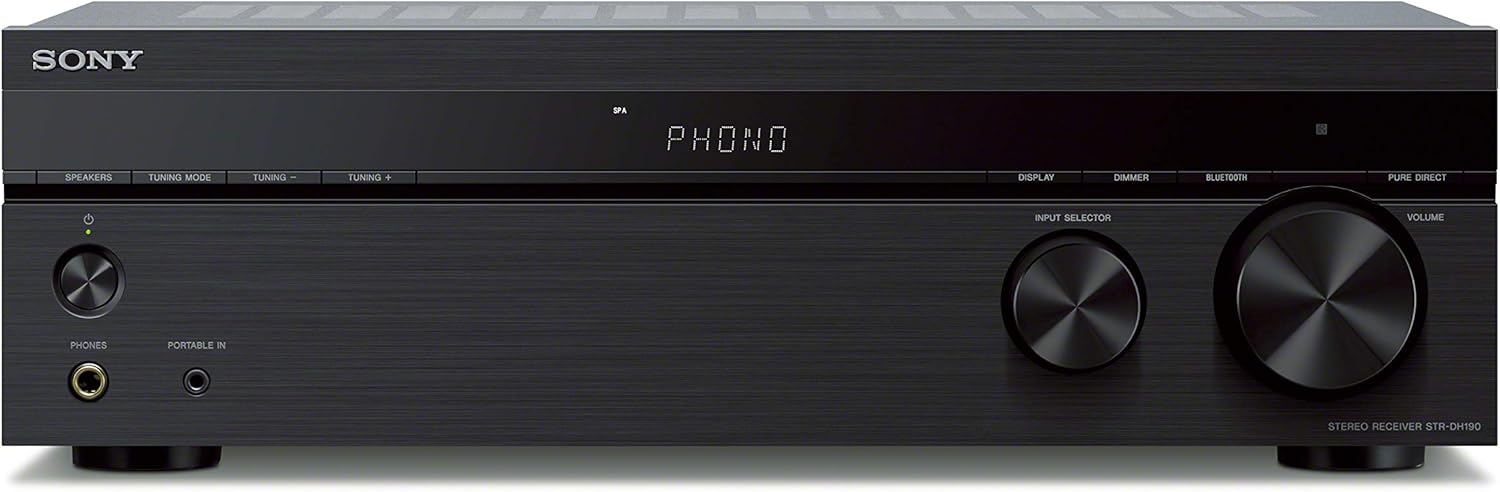 Sony STRDH190 2-Channel Home Stereo Receiver |
9.8/10 | View on Amazon.com |
| 32% OFF |
 Denon AVR-X1700H 7.2 Channel 8K AV Receiver |
9.8/10 | View on Amazon.com |
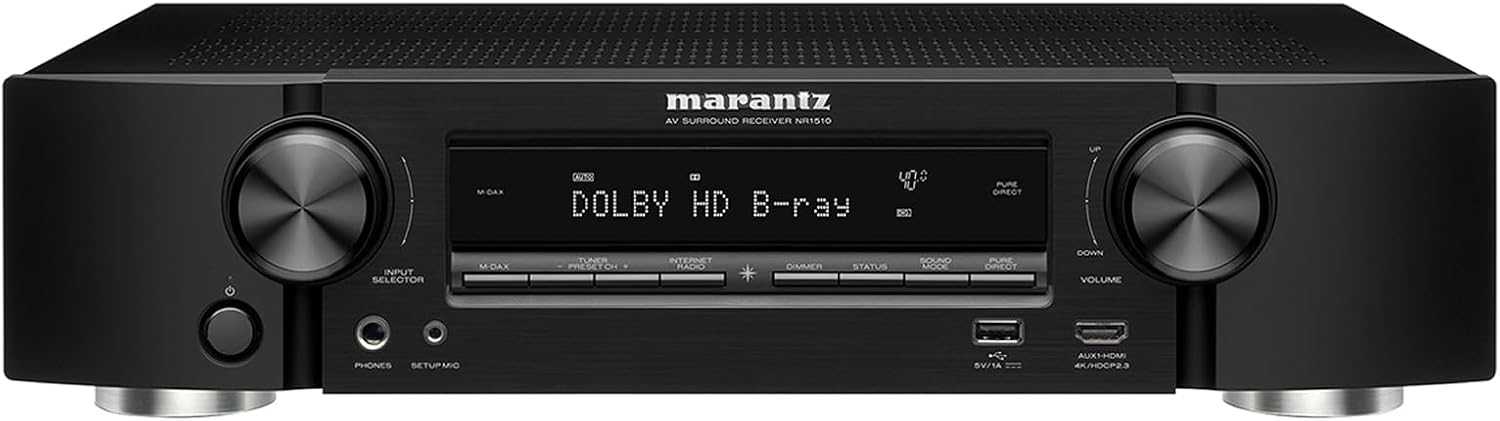 Marantz NR1510 Slim 5.2 Channel 4K UHD AV Receiver |
9.4/10 | View on Amazon.com | |
| 8% OFF |
 Yamaha RX300A 5.2-Channel AV Receiver with Dolby |
9.6/10 | View on Amazon.com |
 Sony STRDH590 5.2 Channel 4K HDR AV Receiver |
9.7/10 | View on Amazon.com |
Prices and discounts as of Nov 23, 2026 and may have changed. Check Amazon for the current price.
Pros
- Excellent sound clarity with balanced highs, mids, and bass across all input sources
- Phono input eliminates the need for a separate turntable preamp, saving money and desk space
- Bluetooth connection is quick to pair and remains stable during extended listening sessions
- Compact low-profile design fits standard AV furniture without any awkward modifications
- Highly rated by a large number of verified buyers, reflecting consistent real-world reliability
Cons
- Maximum volume output may feel limited for larger rooms or listeners who prefer concert-level loudness
- 2-channel stereo only, so it is not suitable for home theater surround sound setups
- No digital optical or coaxial inputs, which may frustrate users wanting to connect modern TVs or DACs directly
The Sony STRDH190 is a 2-channel home stereo receiver designed for music lovers who want a clean, capable hub for multiple audio sources. Whether you are spinning vinyl, streaming from a phone, or tuning into FM radio, this receiver handles it all in one compact unit. It is particularly well suited to first-time stereo system builders and returning audiophiles who value simplicity over complexity.
Sound performance is the STRDH190's strongest suit. With 100 watts per channel and Sony's large-capacity power transformer, the receiver delivers a composed, detailed soundstage with crisp highs and solid bass. Customer feedback consistently praises its clarity at moderate to high volumes, and High-Resolution Audio support means the unit can resolve fine details that compressed streaming formats often obscure.
The feature set is thoughtfully chosen for its target audience. The built-in phono preamp is a genuine convenience for turntable users, while Bluetooth pairing is described by owners as fast and reliable. The A/B speaker switching is a practical bonus, allowing two pairs of speakers to run simultaneously or independently for multi-room flexibility. A full-size headphone jack and 30-preset FM tuner round out the everyday usability.
On the design side, the STRDH190's low-profile chassis at just over 5 inches tall is a real-world advantage for anyone working with a standard AV cabinet. Build quality feels solid for the price point, and the included remote adds a layer of convenience that budget receivers often skip. The unit weighs 17 pounds, which speaks to the substantial internal components rather than hollow construction.
The main limitations are its 2-channel-only configuration, which rules it out for surround sound duties, and a lack of digital inputs for users wanting to connect a TV or external DAC. Volume headroom in very large rooms can also feel modest. That said, for a stereo-focused listener who values vinyl, Bluetooth, and clean audio in one tidy package, the STRDH190 is a genuinely impressive and well-rounded receiver.
Model: Sony STRDH190 | Color: Black | Channels: 2 (Stereo) | Output Power: 100W x 2 (8 ohms, 1 kHz) | Total Wattage: 200W
Speaker Impedance: 6 to 16 ohms | Inputs: Phono input, 4x stereo RCA, 3.5mm aux | Outputs: Stereo RCA, A/B speaker terminals, 1/4-inch headphone jack
Wireless: Bluetooth (2.4 GHz, max output 5.0 dBm) | FM Tuner: 30 station presets | Audio Format: WMA, High-Resolution Audio
Dimensions: 11"D x 17"W x 5.2"H | Weight: 17.1 lbs | Power: AC 120V, 60 Hz | Warranty: 1 year limited
In the Box: Receiver, remote control (RMT-AA400U), batteries, FM antenna | ASIN: B078WFDR8D | UPC: 027242908383
If you are shopping for your first stereo receiver, the STRDH190 is one of the most complete entry-level options available. It covers all the essential bases: Bluetooth streaming, FM radio, a phono stage for turntables, and enough inputs for a CD player, TV audio output, and more. You will not need to buy a separate phono preamp, which keeps your total system cost down.
Pairing advice: this receiver works best with bookshelf or floor-standing speakers rated between 6 and 16 ohms. Popular matches noted by owners include Yamaha bookshelf speakers and classic Bose 301s. For turntable users, Sony's own PS-LX310BT is a frequently recommended companion that integrates seamlessly with the STRDH190's phono input.
Consider your room size before purchasing. The 100-watt-per-channel rating is more than adequate for small to medium rooms, but listeners in large open-plan spaces who prefer very high volume levels may eventually want to step up to a higher-powered model. For most living rooms and dedicated listening spaces, however, the power on offer is genuinely sufficient.
This receiver is not the right choice if you need surround sound for a home theater setup, or if you want to connect a modern TV via optical or coaxial digital audio. For those use cases, a dedicated AV receiver would be a better fit. But as a pure stereo music receiver with broad source compatibility, the STRDH190 is hard to beat at its price point.
Pros
- Intuitive setup process with color-coded connections and an on-screen wizard that guides you step by step
- Exceptional audio performance with support for Dolby Atmos, DTS:X, and virtual height channels for cinema-grade immersion
- Versatile connectivity including phono input, eARC, 6 HDMI ports, Bluetooth, Wi-Fi, and AirPlay 2
- HEOS multi-room streaming and broad voice assistant support add serious smart home value
- Solid build quality and a compact form factor compared to older generation receivers
Cons
- The HEOS app and on-screen interface feel dated and can be clunky to navigate, especially for streaming configuration
- Older 4K TVs may experience compatibility issues with the advanced HDMI feature set, potentially requiring a TV upgrade
- Auto-calibration results may disappoint critical listeners, with some users preferring to manually tune speaker settings
The Denon AVR-X1700H is a 7.2 channel AV receiver aimed at home theater enthusiasts who want a powerful, future-ready centerpiece without spending on a flagship model. With 80 watts per channel, 8K HDMI support, and a rich suite of audio formats, it sits comfortably in the sweet spot between entry-level and premium receivers.
On the audio side, this receiver truly shines. Support for Dolby Atmos, DTS:X, DTS Virtual:X, and Dolby Atmos Height Virtualization means you can enjoy three-dimensional surround sound even in a room without dedicated overhead speakers. Real-world users consistently praise the theater-like experience it creates, particularly in 7.1.2 configurations with height channels.
Setup is one of the AVR-X1700H's strongest selling points. The color-coded rear panel, labeled speaker wire connections, and award-winning on-screen setup wizard make the installation process far less daunting than many competing receivers. Connectivity is equally impressive, offering six HDMI inputs, a phono input for turntables, AirPlay 2, Bluetooth, Wi-Fi, and dual subwoofer pre-outs, covering virtually every source a modern home theater might need.
The main drawback worth noting is the HEOS app and receiver interface, which several users describe as outdated and difficult to navigate. While the hardware performance is excellent, the software experience lags behind the overall quality of the unit. Additionally, users with older 4K televisions may encounter HDMI compatibility hurdles due to the advanced 8K HDMI specification.
Overall, the Denon AVR-X1700H delivers outstanding value for its class. It is a well-built, feature-rich receiver that performs reliably in real home theater environments. If you are upgrading from an older receiver or building a serious surround sound system for the first time, this Denon model is a highly recommended choice backed by strong user satisfaction.
Channels: 7.2 Channel | Power Output: 80W per channel | HDMI Ports: 6 In / 1 Out | Video Support: 8K/60Hz, 4K/120Hz, HDR10, HDR10+, Dolby Vision, HLG, H.264, H.265/HEVC
Audio Formats: Dolby Atmos, Dolby Atmos Height Virtualization, DTS:X, DTS Virtual:X | Wireless: Wi-Fi, Bluetooth, AirPlay 2 | Streaming: HEOS Built-in, Spotify, Amazon Music HD, TIDAL, Pandora, Deezer
Voice Control: Amazon Alexa, Google Assistant, Apple Siri, Josh.ai | Inputs: 2 Digital Optical, 2 Analog, 1 Coaxial, 1 Phono (MM/MC) | Pre-Outs: 2 Subwoofer Pre-Outs | eARC: Yes
Dimensions: 13.3"D x 17.1"W x 6"H | Weight: 19 lbs | Color: Black | Warranty: 3-Year Limited | Model: AVR-X1700H | UPC: 747192134600
If you are considering the Denon AVR-X1700H, it is best suited for buyers building or upgrading a dedicated home theater room with 5.1, 7.1, or 7.1.2 speaker configurations. It delivers the most value when paired with a modern 4K or 8K television that supports HDMI 2.1 features like VRR and ALLM, especially for gaming setups.
This receiver is an excellent fit for users who want multi-room audio capability without purchasing a separate streaming device. The HEOS ecosystem allows you to expand audio to other HEOS-compatible speakers throughout your home, making it a smart long-term investment for whole-home audio enthusiasts.
Vinyl listeners will appreciate the built-in phono stage, which supports both moving magnet and moving coil cartridges, though note that only one type can be used at a time. If you own a turntable and want to integrate it into a modern AV setup, this feature alone sets the AVR-X1700H apart from many competitors at this price point.
Buyers with older 4K televisions should verify HDMI compatibility before purchasing, as the advanced HDMI 2.1 feature set can occasionally cause handshake issues with legacy displays. If you are comfortable with manual speaker calibration, you may also want to plan to fine-tune the auto-calibration results for the best possible audio performance.
Pros
- Exceptionally slim design at just 4 inches tall, saving valuable rack or cabinet space compared to traditional receivers
- Comprehensive 4K HDR video support including Dolby Vision and eARC ensures future-proof compatibility with modern TVs
- HEOS multi-room audio ecosystem allows seamless whole-home streaming from Spotify, TuneIn, Netflix, and more
- Triple voice assistant compatibility with Alexa, Google Assistant, and Siri offers maximum smart home flexibility
- Built-in MM phono preamp is a rare and welcome addition for vinyl enthusiasts at this price point
Cons
- At 50 watts per channel, power output may fall short for larger rooms or those wanting to drive demanding floor-standing speakers
- The 5.2 channel configuration limits expansion for users who want to move toward Dolby Atmos height channel setups in the future
The Marantz NR1510 is a 5.2 channel AV receiver designed for home theater enthusiasts who demand high-fidelity audio and 4K video performance without the bulk of a traditional full-size unit. At just 4 inches tall, it is purpose-built for living rooms, media consoles, and AV cabinets where space is at a premium. It suits both first-time home theater builders and experienced audiophiles looking to downsize their setup.
On the performance side, the NR1510 delivers Dolby TrueHD and DTS-HD Master Audio decoding, ensuring lossless surround sound from Blu-ray discs and streaming sources. The six HDMI inputs, including a convenient front-panel port, support 4K at 60Hz, Dolby Vision, HLG, HDR10, and eARC, making it fully compatible with the latest televisions and source devices. The built-in HEOS platform adds robust multi-room audio capability, letting you stream music throughout your home from services like Spotify and TuneIn.
The slim chassis is impressively well-built for its size, maintaining the premium Marantz aesthetic with a clean front panel and solid construction. The included setup assistant with a graphical user interface makes initial configuration straightforward, even for users new to AV receivers. The inclusion of a MM phono preamp is a standout design decision that adds real everyday value for vinyl lovers.
The primary drawback is the 50 watts per channel output, which is adequate for average-sized rooms but may struggle in larger spaces or with power-hungry speaker systems. Additionally, the 5.2 channel limit means users planning a future Dolby Atmos upgrade will need to look at higher-tier models. Those seeking more power or overhead speaker support should factor this into their decision.
Overall, the Marantz NR1510 is a compelling and well-rounded AV receiver that excels in compact installations. Its combination of 4K HDR passthrough, lossless audio decoding, multi-room streaming, voice control, and a built-in phono stage makes it one of the most feature-rich slim receivers available. For anyone building a space-conscious home theater, it is a highly recommended choice.
Channels: 5.2 Channel Surround Sound Configuration with 50 watts per channel output power, suitable for standard home theater speaker setups.
Video: Full 4K Ultra HD at 60Hz with support for Dolby Vision, HDR10, HLG, BT.2020 color space, and eARC for enhanced audio return from compatible TVs.
Connectivity: 6 HDMI inputs (including 1 front-panel) and 1 HDMI output with full HDCP 2.2 support. Additional connectivity includes USB, Bluetooth, Wi-Fi, and a built-in MM phono preamp for turntables.
Streaming and Smart Home: Built-in HEOS multi-room audio, compatible with Spotify, TuneIn, and Netflix. Supports Amazon Alexa, Google Assistant, and Apple Siri voice control. Integrates with Josh and Control4 smart home systems.
Dimensions and Warranty: 14.5 inches deep, 17.3 inches wide, and 4.1 inches tall, weighing approximately 18 lbs. Backed by a 3-year manufacturer warranty. Model number NR1510, ASIN B07PVS35R6.
If you are considering the Marantz NR1510, the first question to ask is whether a 5.2 channel configuration meets your needs. This setup supports a front left, center, front right, and two surround speakers plus a subwoofer, which is ideal for most living rooms and dedicated media spaces. If you are planning a Dolby Atmos setup with height channels, you will need to step up to a 7.2 or 9.2 channel receiver.
Room size matters when evaluating the 50-watt-per-channel output. For rooms up to around 300 square feet with standard efficiency speakers, the NR1510 performs confidently. For larger spaces or speakers with low sensitivity ratings, consider whether additional power headroom would be beneficial before purchasing.
The slim form factor is a genuine advantage if your TV stand or AV cabinet has limited vertical clearance. At just over 4 inches tall, it fits where most traditional receivers cannot, making it especially popular for modern low-profile furniture setups. Pair it with HEOS-compatible speakers to unlock the full multi-room audio potential and get the most value from your investment.
Pros
- Comprehensive Dolby Atmos and DTS Virtual:X support delivers genuinely immersive surround sound at this price range
- Next-gen HDMI features including 4K/120, 8K/60, ALLM, and VRR make it an ideal companion for modern gaming consoles
- Bluetooth Multipoint is a rare and highly convenient feature that simplifies switching between a phone and a tablet or laptop
- Automatic Room Correction with an included microphone takes the guesswork out of speaker calibration
- Intuitive Quick Guide and on-screen setup menu make installation approachable even for first-time AV receiver owners
Cons
- With only one HDMI output, users with multiple display devices such as a TV and projector will need additional switching equipment
- At 70 watts per channel, the power output may fall short for larger rooms or for driving demanding, low-sensitivity speakers to high volumes
- No built-in Wi-Fi or streaming app support means music playback is limited to Bluetooth only, lacking the flexibility of network streaming
The Yamaha RX300A is a 5.2-channel AV receiver aimed squarely at home theater enthusiasts who want modern features without paying flagship prices. Priced accessibly and backed by Yamaha's long-standing reputation in audio, this receiver is ideal for living room setups pairing a 4K TV or projector with a surround sound speaker system, and it is equally suited to gamers who demand low-latency video performance.
The headline features are genuinely impressive for this tier. Dolby Atmos and DTS Virtual:X support enables three-dimensional audio that adds height and depth to movie soundtracks, while the 4K/120 and 8K/60 HDMI passthrough with ALLM and VRR support makes this receiver a strong match for PlayStation 5 and Xbox Series X owners. The inclusion of Dolby Vision and HDR10+ ensures that the picture quality from your source devices is passed through without compromise.
Bluetooth Multipoint is a standout convenience feature that allows two devices to remain paired at once, so switching from a smartphone playlist to a laptop stream requires no re-pairing. The automatic room correction system, which uses the included setup microphone, does a commendable job optimizing speaker levels and distances for the specific acoustics of your room. Scene buttons add further everyday usability by letting you save preferred input and sound mode combinations for instant recall.
There are a few limitations worth noting. The single HDMI output restricts users who want to feed both a TV and a projector simultaneously. The 70-watt-per-channel power rating is adequate for most medium-sized rooms but may leave larger spaces or power-hungry speakers sounding underpowered at high volumes. The absence of Wi-Fi and network streaming also means users who rely on services like Spotify Connect or AirPlay will need to use Bluetooth as their only wireless audio path.
Overall, the Yamaha RX300A delivers a well-rounded package that punches above its weight in features and audio quality. For anyone building or upgrading a home theater system on a sensible budget, it offers a compelling combination of immersive audio, next-gen video, and everyday convenience that is hard to match at this price point.
Channels: 5.2-channel configuration with support for 3.1.2-channel Dolby Atmos layouts using up-firing or in-ceiling height speakers.
Power Output: 70 watts per channel, suitable for small to medium-sized home theater rooms with standard sensitivity speakers.
HDMI: 4 HDMI inputs and 1 HDMI output, supporting 4K/120Hz and 8K/60Hz passthrough, ALLM, VRR, eARC/ARC, Dolby Vision, and HDR10+.
Audio Formats: Dolby Atmos, DTS Virtual:X, Dolby TrueHD, and a range of selectable sound modes for music, movies, and games.
Connectivity: Bluetooth (Multipoint), HDMI, optical, coaxial, and analog inputs. No built-in Wi-Fi or Ethernet.
Dimensions and Weight: 12.5 inches deep, 17.13 inches wide, 6.13 inches tall, weighing 16.8 pounds. Includes remote control, setup microphone, FM antenna, and AAA batteries.
Warranty: 2-year limited manufacturer warranty from Yamaha.
Who should buy the Yamaha RX300A? This receiver is a strong fit for first-time home theater builders and upgraders who want a modern, feature-rich AV receiver without overspending. If your setup includes a 4K TV, a gaming console, and a 5.1 or 5.2 speaker system, this unit covers all the bases confidently.
Gamers: The support for 4K/120Hz, ALLM (Auto Low Latency Mode), and VRR (Variable Refresh Rate) makes the RX300A a genuinely game-ready receiver. Connecting a PlayStation 5 or Xbox Series X will unlock these features automatically, reducing input lag and enabling smooth frame rates.
Atmos enthusiasts on a budget: If you want to experience Dolby Atmos without investing in a high-end receiver, the RX300A supports up-firing Atmos speakers or in-ceiling height channels in a 3.1.2 configuration. This is a practical entry point into three-dimensional audio at a reasonable cost.
What to consider before buying: If you need Wi-Fi streaming, multi-zone audio, or more than one HDMI output, you may want to look at higher-tier Yamaha models or competing brands. Similarly, if your room is large or your speakers have low sensitivity ratings, you may want a receiver with higher wattage to ensure sufficient headroom at louder listening levels.
Accessories to consider: A set of Dolby Atmos-enabled up-firing speaker modules or in-ceiling height speakers will unlock the full potential of this receiver's immersive audio capabilities. Pairing it with a quality subwoofer will also significantly enhance the low-frequency performance for movies and music.
Pros
- Generous 725W power output supports large rooms and demanding speaker configurations
- 4K HDR and HDCP 2.2 support keeps the receiver compatible with the latest TVs and streaming devices
- Bluetooth Standby mode adds modern convenience for wireless music streaming
- S-Force PRO virtual surround works well for users who cannot accommodate a full 5-speaker layout
- Multiple input options including 4 HDMI, 4 RCA stereo, and digital audio inputs offer broad device compatibility
Cons
- No built-in Wi-Fi or network streaming limits smart home integration compared to higher-end receivers
- THD of 0.9% at rated power is higher than audiophile-grade receivers, which may concern critical listeners
- Pandora is the only supported internet streaming service, which feels limited for modern users
The Sony STR-DH590 is a 5.2 channel AV receiver designed for home theater enthusiasts who want powerful, cinematic sound without the complexity or cost of high-end separates. At 725 watts total output and priced in the mid-range segment, it targets upgraders moving from a basic soundbar or entry-level receiver to a full surround sound system.
The standout feature of this receiver is its combination of 4K HDR passthrough with HDCP 2.2 support, ensuring it remains compatible with the latest Ultra HD content from streaming services and Blu-ray players. Bluetooth connectivity adds everyday convenience, and the Standby mode means you can power on the unit and start playing music directly from your phone without touching a remote. Sony's S-Force PRO virtual surround is a practical bonus for those who cannot place rear speakers, delivering a convincing wide soundstage from just two speakers.
Build quality is consistent with Sony's mid-range lineup, featuring a clean black chassis measuring 17 inches wide and weighing a solid 17.1 pounds. The front panel includes a quarter-inch headphone jack, which is a welcome touch for late-night listening. The layout is straightforward, and the included remote keeps day-to-day operation simple and accessible.
On the downside, the absence of Wi-Fi and multi-room audio support means this receiver cannot compete with network-connected alternatives from Denon or Yamaha at a similar price point. The 0.9% THD rating, while acceptable for most listeners, falls short of what dedicated audiophiles might prefer. Streaming service support is also limited to Pandora, which feels dated compared to competitors offering Spotify Connect or Tidal integration.
Overall, the Sony STR-DH590 is a compelling choice for anyone building or upgrading a 5.1 or 5.2 home theater system on a reasonable budget. It delivers reliable power, solid 4K video handling, and convenient Bluetooth use in a no-fuss package. If you do not need Wi-Fi streaming or advanced room correction, this receiver punches well above its weight class.
Model: Sony STR-DH590 | Channels: 5.2 | Total Output Power: 725W | Impedance: 6 ohms | THD: 0.9% at 1kHz
HDMI: 4 inputs / 1 output with ARC | HDCP: 2.2 | Video Support: 4K HDR, H.264, H.265/HEVC | Audio Inputs: 4x Stereo RCA | Digital Outputs: 1x Optical, 1x Coaxial
Wireless: Bluetooth 2.4GHz | Special Audio: 360 Reality Audio, High-Resolution Audio | Tuner: FM Radio | Headphone: 1/4 inch jack | Streaming: Pandora
Dimensions: 11.75"D x 17"W x 5.25"H | Weight: 17.1 lbs | Color: Black | Power: AC 120V 60Hz / AC 230V 50Hz | Warranty: 1 Year Limited
If you are shopping for your first true surround sound receiver, the Sony STR-DH590 is one of the most accessible entry points into 5.2 channel audio. It pairs well with any passive bookshelf or floor-standing speakers rated at 6 ohms or higher, and the 725W total power means it can comfortably drive a mid-sized living room without strain.
For buyers who primarily stream music wirelessly, note that this receiver uses Bluetooth rather than Wi-Fi. This means you will need to keep your phone or tablet nearby for streaming, and multi-room audio setups are not supported. If whole-home audio or voice assistant integration is a priority, consider stepping up to a Wi-Fi enabled receiver such as the Sony STR-DN1080 or a comparable Denon AVR model.
The four HDMI inputs make this receiver a strong hub for households with multiple devices such as a gaming console, streaming stick, Blu-ray player, and cable box all connected simultaneously. The 4K HDR and HDCP 2.2 support ensures compatibility with modern 4K televisions and protected content, so you will not need to upgrade the receiver when you upgrade your TV.
Budget-conscious buyers who want to start with a 2.0 or 3.1 speaker setup can still benefit from this receiver today and expand to a full 5.2 configuration over time. The S-Force PRO virtual surround mode bridges the gap in the meantime, making the STR-DH590 a practical long-term investment for growing home theater systems.
Buying Guide for Class D AV Receivers
Audio Channels and Immersive Formats
The number of channels dictates your speaker configuration and soundscape. A 5.2-channel receiver like the Yamaha RX300A supports a basic surround setup with two subwoofers. For a more enveloping experience, 7.2-channel models such as the Denon AVR-X1700H allow for additional surround or height speakers. Crucially, look for support for object-based audio formats like Dolby Atmos and DTS:X. These create a three-dimensional sound field, making effects like rain or helicopters feel like they are moving around you.
Your choice should align with your room size and entertainment goals. A dedicated home theater room benefits from a 7.2-channel system with height channels. For mixed use in a living room, a 5.2-channel receiver with virtual height processing, such as DTS Virtual:X, can provide an enhanced sense of space without extra speakers. Always verify the receiver’s processing capabilities match the audio tracks from your favorite streaming services and Blu-ray discs.
Connectivity and Video Pass-Through
Modern receivers must handle both high-resolution audio and video signals seamlessly. Check the number and version of HDMI inputs and outputs. For gaming and future-proofing, look for support for 4K/120Hz, 8K/60Hz, VRR, and ALLM, as seen in the Yamaha RX-A4A. Features like eARC (Enhanced Audio Return Channel) are essential for sending lossless audio from your smart TV apps back to the receiver. This simplifies your setup and ensures the best possible sound from built-in streaming platforms.
Beyond HDMI, consider your other sources. Many users appreciate built-in phono inputs for turntables, multiple optical and coaxial digital inputs, and convenient options like USB ports for local media playback. For a deep dive into digital connections, explore our guide on the best AV receivers with USB and the best AV receivers with optical input. Wireless connectivity, including Wi-Fi and Bluetooth, is now standard for streaming music from your phone or network.
Amplifier Power and Room Calibration
The wattage per channel is important, but understanding the rating conditions is more critical. Power output can vary with impedance and distortion levels. Class D amplifiers excel here, offering high power efficiency, which often translates to stable performance even with demanding speaker loads. This efficiency also means less heat generation, allowing for slimmer chassis designs like the Marantz NR1510. Match the receiver’s power to your speakers’ sensitivity and your listening volume preferences.
Equally vital is automatic room calibration. Systems like Audyssey, YPAO, or Dirac measure your room’s acoustics using a provided microphone. They then adjust the receiver’s output to correct for reflections, standing waves, and speaker distance imbalances. This technology tailors the sound specifically to your unique environment, ensuring balanced bass and clear dialogue. It is a significant upgrade over manual setup and is a hallmark of quality in modern AV receivers.
Final Thoughts
Selecting the right AV receiver with a Class D amplifier ultimately depends on your specific audio vision and system requirements. For those seeking an exceptional balance of immersive home theater features and high-fidelity music playback, the Denon AVR-X1700H 7.2 Channel AV Receiver stands out with its robust format support and user-friendly setup. If your needs are more focused on a powerful, value-oriented stereo or compact multi-channel setup, the Romicta 4 Channel Bluetooth 5.0 Stereo Amplifier offers remarkable versatility and clean amplification in a surprisingly affordable package. We hope this review empowers you to build a system that delivers outstanding performance for years to come.
Frequently Asked Questions
What are the main benefits of a Class D amplifier in an AV receiver?
Class D amplifiers are significantly more efficient than traditional Class A/B designs. This means they generate less waste heat, allowing for more compact receiver designs and reduced cooling requirements. They also consume less power for the same output level and are known for delivering clean, dynamic power, especially in the bass frequencies, making them ideal for home theater applications.
Do I need a 7.2-channel receiver for Dolby Atmos?
A standard 5.1.2 Dolby Atmos setup requires a 7.2-channel receiver. The receiver uses seven amplified channels: five for the traditional surround bed (front left/center/right and surround left/right) and two for the height or overhead speakers. Some receivers, like the Yamaha RX300A, use processing to create virtual height effects with fewer channels, but for a true, discrete Atmos experience with physical height speakers, a 7.2-channel amp is necessary.
How important is room calibration for a new AV receiver?
Room calibration is one of the most valuable features in a modern AV receiver. Every room has unique acoustic properties that color the sound. An auto-calibration system measures these effects and applies precise corrections for speaker distance, level, and frequency response. The result is a dramatically more balanced and accurate soundstage, with tighter bass and clearer dialogue, that manual setup simply cannot achieve. It is highly recommended for any serious setup.
Can I use an AV receiver just for music?
Absolutely. Many high-quality AV receivers, including the models listed here, offer dedicated stereo or direct sound modes that bypass unnecessary video processing for pure audio playback. With features like high-resolution audio support, built-in streaming services, and phono inputs, a modern AV receiver can serve as an excellent centerpiece for a two-channel or multi-room music system. For more options tailored to audio enthusiasts, browse our full AV Receivers category.



Write Your Review
No reviews yet. Be the first to share your experience!