

Your studio monitors are only as good as the signal feeding them. If you’re hearing a flat, compressed, or digitally harsh sound, the culprit is often the conversion from your computer’s digital files to the analog signal your speakers need. A dedicated desktop DAC transforms this process, revealing the depth, texture, and spatial accuracy your music or mix deserves. This guide is crafted for music producers, audio engineers, and serious listeners who want to elevate their monitoring chain beyond built-in computer audio. We have evaluated nine leading DACs to help you find the ideal bridge between your digital source and your studio monitors.
Whether you need a simple, high-quality converter, a feature-packed hub with preamp controls, or a no-compromise audiophile unit, there’s a model here for your desk. For those also looking to drive high-impedance headphones, many of these options serve as excellent DAC-amps for headphones, making them incredibly versatile for any audio workstation.

Pros
- Exceptional audio quality with natural, balanced sound across all frequencies
- Versatile connectivity options support PC, Mac, phones, tablets, and TVs
- Audiophile-grade components and precision circuit design in a compact form factor
- USB bus-powered design eliminates need for separate power adapter
- Ranked #65 in Digital-Analog Converters category, proving its market credibility
Cons
- Windows users must install drivers for full functionality, adding setup complexity
- New product with no customer reviews yet, limiting real-world user feedback
- Premium pricing for desktop DAC category may be steep for casual listeners
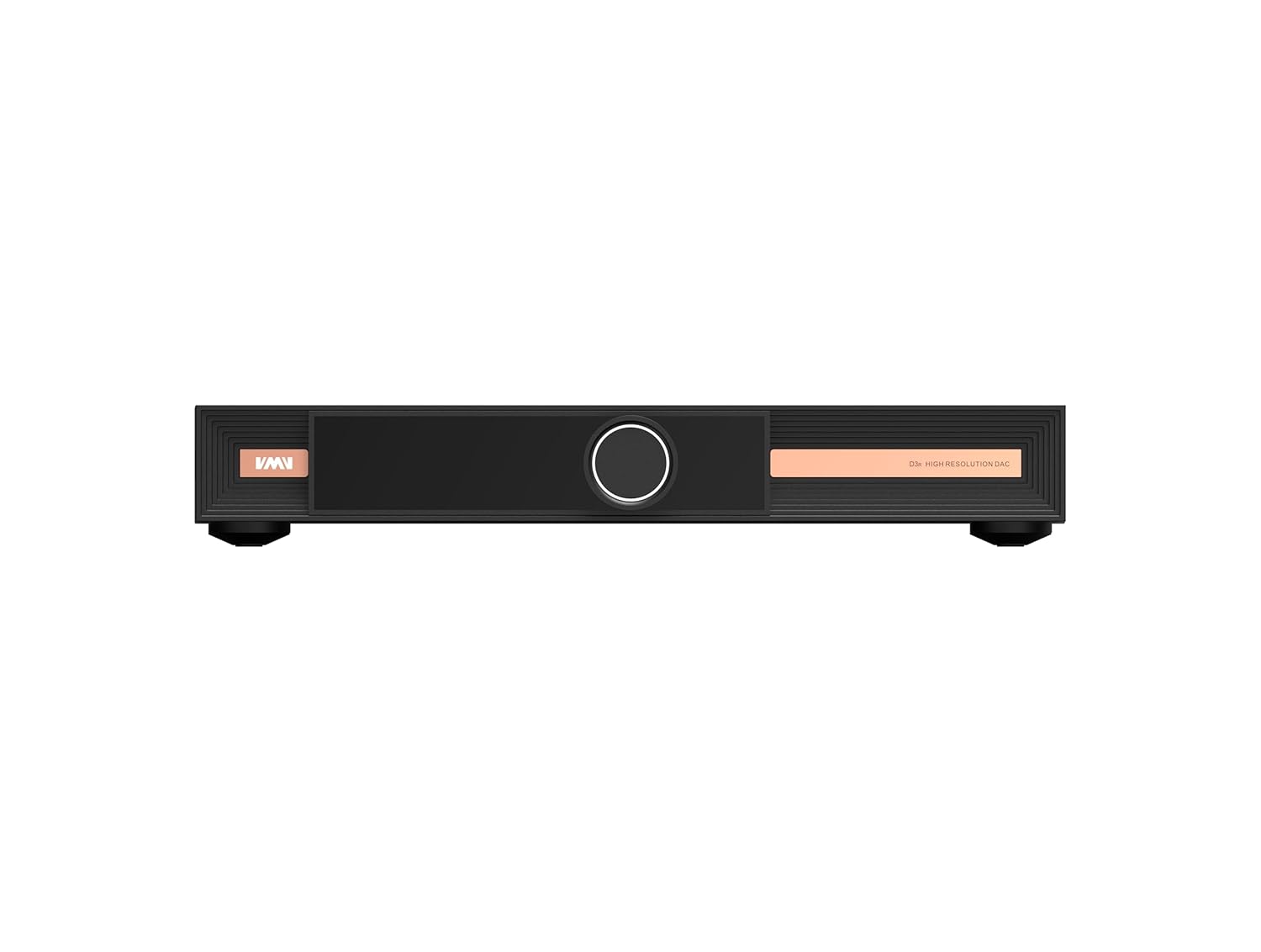
The SMSL D1 is a premium desktop digital-to-analog converter designed for audiophiles, music producers, and discerning listeners who demand high-resolution audio. It's built for anyone with a computer, phone, or tablet who wants to unlock the full potential of their music collection and experience studio-quality sound at home.
The standout feature is the ROHM BD34352EKV DAC chip, which delivers exceptional audio fidelity with a THD+N rating of just 0.00038% and an impressive SNR of 126dB. This translates to clean, detailed sound with minimal distortion and noise. The D1 supports cutting-edge formats including DSD512 and PCM at 32-bit/768kHz, ensuring compatibility with virtually any high-resolution audio file you own.
Build quality is excellent, featuring a CNC-machined aluminum alloy chassis that feels substantial and professional. The touch-control interface is intuitive, and the compact design makes it easy to place on a desk, bookshelf, or audio cabinet without taking up valuable space. The XMOS XU-316 firmware provides flexible multi-input options via USB, optical, and coaxial connections, making it compatible with computers, tablets, TVs, and other audio devices.
One consideration is that Windows users need to install drivers, whereas macOS and Linux systems work plug-and-play. Additionally, as a relatively new product, it lacks customer reviews, so early adopters won't have extensive user feedback to reference. The price point is premium for a desktop DAC, though justified by the high-end components and performance specifications.
The SMSL D1 is an excellent investment for anyone serious about audio quality. It delivers genuine Hi-Res audio performance in a compact, stylish package that integrates seamlessly into any setup. Whether you're a professional audio engineer or an audiophile seeking to elevate your listening experience, this DAC delivers measurable improvements in sound clarity and detail.
Core Audio Specs: DAC Chip: ROHM BD34352EKV, Firmware: XMOS XU-316, THD+N: 0.00038%, SNR: 126dB
Supported Formats: DSD512, PCM 32-bit/768kHz sampling rate
Connectivity: USB, Optical, Coaxial inputs, RCA stereo output
Power Requirements: USB bus-powered (5V DC minimum), no external power adapter needed
Compatibility: Windows, macOS, Linux (Windows requires driver installation)
Design: CNC-machined anodized aluminum alloy chassis, touch-control buttons, compact form factor
Channels: Stereo output, 8-channel internal architecture
Package: Includes USB-A to USB-C data cable
Who Should Buy: PC and Mac users, audiophiles, music producers, professional audio engineers, and anyone seeking high-resolution audio quality. Ideal for desktop listening setups where sound quality is a priority.
Who Might Skip It: Casual listeners on a tight budget, those needing portable solutions, or users unwilling to install drivers on Windows systems.
Setup Considerations: The D1 is plug-and-play on macOS and Linux. Windows users should allow time for driver installation. Connect via USB to your computer or use optical/coaxial inputs from other devices. Power is supplied entirely through the USB connection, eliminating cable clutter.
Pairing Recommendations: Works best with quality headphones or powered speakers capable of handling high-resolution audio. Pair with a good USB cable for optimal performance. Compatible with high-end music players and streaming services that support Hi-Res formats.
How to Choose a DAC for Your Studio Monitors
Connectivity and Input Flexibility
Your DAC must match your existing and future gear. Start by listing your audio sources: a computer via USB is standard, but also consider a TV via optical, a game console, or a streaming device. The best DACs for audiophiles often include balanced XLR outputs, which provide a cleaner, stronger signal over longer cable runs to active monitors or a separate power amplifier. For a streamlined desk, look for a unit that consolidates multiple devices into one clean audio hub.
DAC Chipset and Audio Resolution
The heart of any DAC is its conversion chip. Brands like ESS, AKM, and ROHM produce chipsets known for low distortion and high detail retrieval. Support for high-resolution formats like PCM 768kHz/32-bit and DSD512 indicates a capable design, ensuring your DAC won’t bottleneck high-quality source files. Remember, a superior chip implementation in a well-designed circuit matters more than the chip name alone.
Form Factor and Desktop Integration
Studio real estate is valuable. A compact, well-built chassis that fits under a monitor or on a shelf is ideal. Consider the user interface: a clear display, intuitive knobs for volume control, and accessible inputs make daily use effortless. Some advanced models even offer app control for deeper system integration, though a physical remote is often sufficient for desktop use.
Additional Features: Preamp, EQ, and Expandability
A built-in preamp allows you to control monitor volume directly from the DAC, eliminating the need for a separate passive volume knob. Some units offer bass/treble adjustments or multi-band PEQ to compensate for room acoustics. Features like a 12V trigger can power on your entire system simultaneously, while a subwoofer output enables future expansion for a 2.1 setup. Decide which features align with your workflow.
Final Thoughts
Investing in a quality DAC is one of the most impactful upgrades you can make for your studio or listening desk. It clarifies the signal path and lets your monitors perform to their true potential. For users seeking a powerful, all-in-one solution that drives both monitors and demanding headphones, the Fosi Audio ZH3 DAC Headphone Amp stands out with its fully balanced design and extensive customization. If your priority is pristine, high-resolution conversion in a dedicated unit for a monitor-and-amp setup, the Gustard Audalytic DR70N R2R DAC offers a uniquely natural sound through its discrete resistor-ladder architecture. Explore the full range in our HiFi DAC category to find the perfect match for your home audio ambitions.
Frequently Asked Questions
Do I really need a separate DAC for my studio monitors? If you are using your computer’s headphone jack or a basic audio interface, yes. A dedicated DAC typically offers superior components, lower noise, higher resolution support, and better connectivity than built-in audio, resulting in clearer, more detailed, and more accurate sound from your monitors.
What’s the difference between single-ended (RCA) and balanced (XLR) outputs? Balanced XLR connections use three conductors to cancel out noise and interference picked up along the cable, which is especially beneficial for longer runs in professional environments. RCA is a simpler, single-ended connection perfect for shorter desktop setups. Many high-end DACs provide both options for flexibility.
Can I use a DAC with both powered monitors and a separate amplifier? Absolutely. Most desktop DACs feature both variable (preamp) and fixed-level outputs. You would connect your powered monitors to the variable outputs for volume control via the DAC, and a separate power amp to the fixed outputs, using the amp or a separate preamp for volume control in that chain.
How do I know if a DAC supports high-resolution audio from my streaming service? Check the DAC’s specifications for supported formats like PCM 768kHz/32bit and DSD512. Ensure your playback software (like Tidal, Qobuz, or a dedicated player) is configured to output the highest quality, and use a quality USB or digital connection from your source to the DAC for bit-perfect transmission.




Write Your Review
No reviews yet. Be the first to share your experience!