

You have invested in high-quality headphones or a revealing speaker system, only to be let down by a muddy or harsh sound. The culprit is often distortion introduced by your digital-to-analog converter, masking the subtle details and dynamics in your music. A HiFi DAC engineered for low distortion can transform your listening experience, delivering the clarity and musicality you crave.
This guide is crafted for audiophiles and critical listeners who prioritize signal purity above all else. We have evaluated a range of desktop and portable DACs from trusted brands, focusing on those with verified low distortion specifications and designs that preserve the integrity of your audio. For those also concerned with background noise, our related guide on the best low noise HiFi DACs offers complementary insights.

Pros
- Exceptional audio clarity with distortion levels below 0.00013% for pristine sound reproduction
- MQA technology authenticates and decodes high-resolution masters from streaming and physical media
- Versatile connectivity options including USB, coaxial, and optical inputs for multiple source devices
- Lightweight and compact form factor fits easily on any desktop or media setup
- Broad OS support eliminates compatibility concerns across Windows, Mac, and Linux systems
Cons
- Requires driver installation on Windows systems, which may cause initial setup friction
- Limited physical controls may require external remote or software control for some users
- MQA support depends on source material availability, limiting benefits for non-MQA content
The SMSL SU-1 is a desktop audio DAC engineered for audiophiles and casual listeners seeking superior sound quality without breaking the bank. This compact converter transforms digital audio files and CD playback into high-fidelity listening experiences. It targets music enthusiasts who own quality headphones or speakers and want to unlock the full potential of their audio libraries.
The standout feature is MQA decoding capability, which restores original studio recordings that have been compressed for distribution. Combined with the premium AK4493S DAC chip delivering distortion below 0.00013%, the SU-1 reproduces music with exceptional clarity and precision. It handles extreme hi-res formats including 768kHz PCM and DSD512, ensuring future compatibility with emerging audio formats and maximizing detail retrieval from mastered recordings.
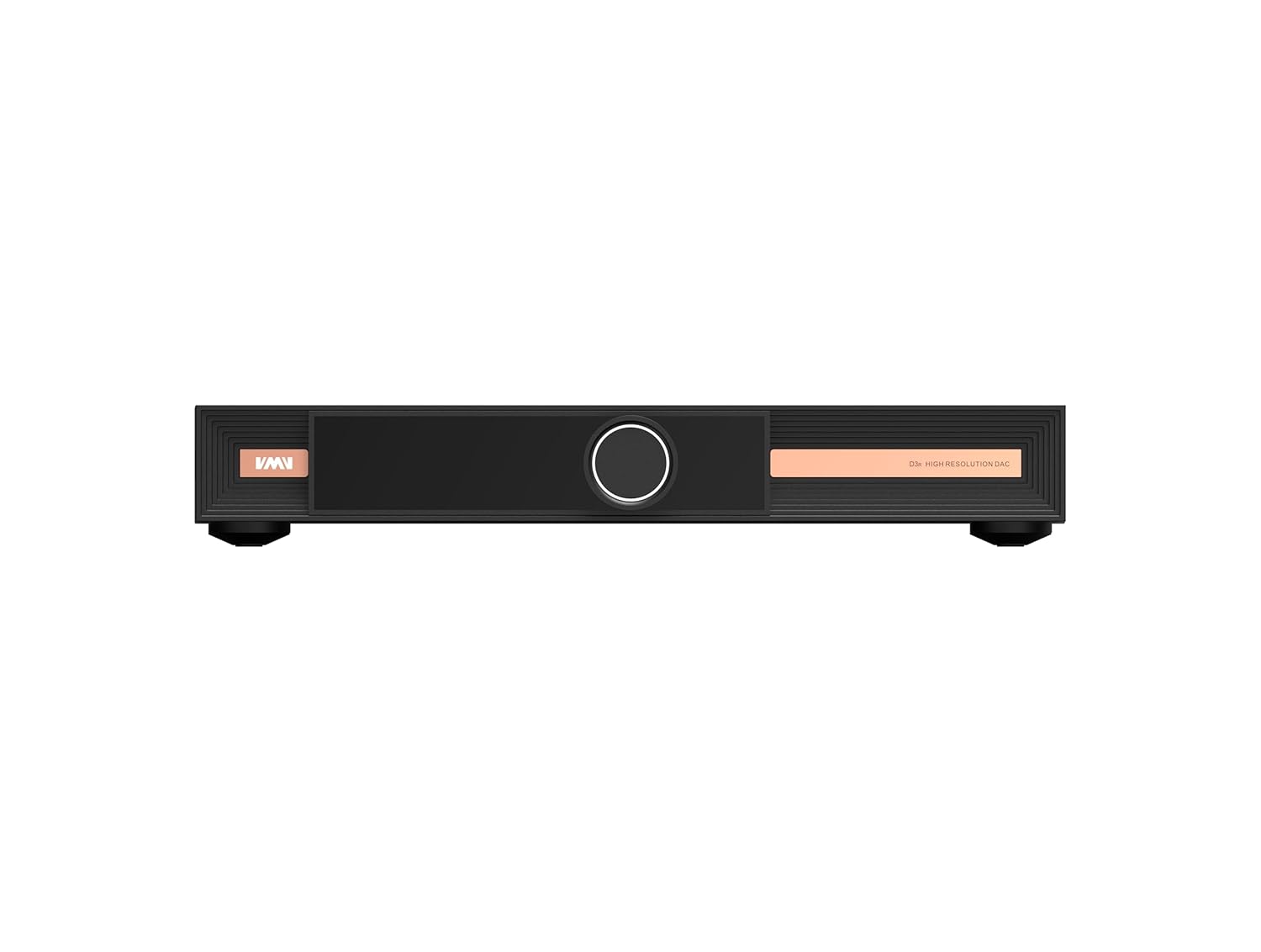
Build quality reflects its professional heritage with a copper chassis and solid construction in a compact 3.78 by 3.07 inch footprint. The included USB Type-C cable and straightforward coaxial or optical connections make setup intuitive. Weight at 195 grams keeps it portable for those who want studio-quality audio in multiple listening environments.
The main drawback involves Windows driver requirements, which may intimidate less technical users during initial setup. Additionally, MQA benefits only apply to MQA-encoded content, so standard MP3s and unmastered files won't experience the same enhancement. Some users may find the lack of onboard controls limiting compared to larger DACs with physical buttons.
The SMSL SU-1 represents excellent value for serious listeners ready to upgrade their audio chain. Its combination of MQA support, extreme format compatibility, and vanishingly low distortion makes it a smart investment for anyone with quality playback equipment and the desire to hear their music as intended by the artists and engineers who created it.
Audio Specifications: DAC Chip: AK4493S, Maximum Resolution: 768kHz PCM / DSD512, Distortion: Lower than 0.00013%, Channels: 2 (Stereo)
Connectivity: Input Interfaces: USB Type-C, Coaxial, Optical. Output: 3.5mm headphone jack and RCA connectors. Compatible Devices: Headphones, Speakers, Audio Receivers
Compatibility: Windows 7/8/8.1/10/11 (driver required), macOS 10.6+, Linux (driverless), Android, iOS
Physical Specifications: Dimensions: 3.78 inches L x 3.07 inches W, Weight: 195 grams, Material: Copper chassis, Included: SU-1 unit and USB Type-C cable
Who Should Buy: This DAC is ideal for audiophiles with quality headphones or speakers seeking transparent sound reproduction. Music production professionals, audio engineers, and serious music listeners benefit from MQA decoding and extreme format support. Those upgrading from basic onboard audio will experience significant quality improvements.
When to Consider Alternatives: If you primarily listen to compressed formats like Spotify or YouTube without access to hi-res masters, a simpler DAC may suffice. Users uncomfortable with driver installation on Windows may prefer plug-and-play options. Those needing balanced XLR outputs or multiple simultaneous outputs should explore larger desktop DACs.
Setup Tips: Install Windows drivers before connecting the device for optimal performance. Ensure your music source supports MQA or high-resolution formats to fully utilize the SU-1's capabilities. Use quality USB cables and optical/coaxial connections to minimize noise interference.
Value Assessment: At this price point, the SU-1 offers exceptional performance for the investment. The combination of MQA support, ultra-low distortion, and extreme format compatibility justifies the cost for serious listeners. Budget-conscious audiophiles will find this a gateway into high-resolution audio without excessive expense.
How to Choose a Low Distortion DAC
Evaluate the DAC Chipset and Architecture
The heart of any DAC is its conversion chip. Look for models featuring premium chips from AKM (like the AK4493S) or ESS (like the ES9039Q2M), known for their low distortion profiles. Some high-end models, such as the TOPPING D90 III Discrete, employ discrete resistor ladder architectures instead of off-the-shelf chips, which can offer exceptional linearity and purity.
Beyond the chip itself, the supporting circuitry is crucial. A well-designed power supply with multiple low-noise regulators and high-quality output stages ensures the chip performs to its potential. This attention to the analog stage separates good DACs from truly transparent ones suitable for critical listening.
Consider Your Required Connectivity
Your choice should seamlessly integrate into your existing setup. Desktop powerhouses like the Fosi Audio ZH3 offer a comprehensive array of inputs, including USB, optical, and coaxial, plus balanced XLR and RCA outputs for connecting to amplifiers or active speakers. This makes them versatile hubs for a dedicated listening station.
For portable or computer-centric use, prioritize USB compatibility and perhaps Bluetooth with high-quality codecs like LDAC. The Qudelix-5K excels here, offering both wired and wireless high-fidelity connections in a pocketable format. Ensure the DAC supports the maximum resolution of your primary music sources.
Match Power Output to Your Headphones
If you plan to drive headphones directly, the DAC’s built-in amplifier section must provide clean, sufficient power. High-impedance models demand more voltage swing, which is capably delivered by units like the TOPPING DX5 II with its balanced output. For sensitive in-ear monitors, a low noise floor is even more critical than raw power to avoid hiss.
Many desktop DACs, including several in our list, feature dedicated headphone outputs with gain switches. This allows you to fine-tune the power delivery, ensuring your headphones are driven optimally without strain or distortion. Explore our dedicated guide for the best HiFi DACs for high impedance headphones for more specific recommendations.
Balance Features with Fidelity
Additional features like parametric equalizers, filter modes, and physical bass/treble controls can be valuable for tailoring sound. However, ensure these features are implemented in a way that does not degrade the base signal path. Some audiophiles prefer a pure, unadulterated signal, while others appreciate the flexibility to correct for room or headphone acoustics.
Consider your user experience. A clear display, intuitive controls, and a robust metal build contribute to long-term satisfaction. A well-built DAC not only looks and feels premium but also provides better shielding against electromagnetic interference, a common source of added noise and distortion.
Final Thoughts
Selecting a DAC focused on low distortion is an investment in hearing your music as it was intended. For those building their first serious desktop system, the Fosi Audio Q4 DAC Headphone Amp for PC offers a proven and accessible entry point with solid performance. Meanwhile, enthusiasts seeking state-of-the-art measurement and versatility should strongly consider the TOPPING DX5 II Hi-Res DAC & Headphone Amp Combo, a feature-packed benchmark that doesn’t compromise on purity. Whichever path you choose, you can find all these reviewed models and more in our dedicated HiFi DAC category.
Frequently Asked Questions
What does “low distortion” actually mean for my music?
Distortion refers to any unwanted change or coloration added to the original audio signal. A low distortion DAC reproduces the digital file with extreme accuracy, resulting in clearer instruments, more natural vocals, and a wider, more precise soundstage. You hear more detail and less electronic glare or harshness.
Do I need a separate amplifier if my DAC has a headphone output?
Many modern DACs, often called DAC/amp combos, include a capable built-in headphone amplifier. For most headphones, especially those with low to medium impedance, these integrated amps are sufficient. You would only need a separate, dedicated amplifier if you own very power-hungry headphones or seek a specific amplifier “color” or sound signature.
Are more expensive DACs always better for low distortion?
Not necessarily. While high-end models often showcase cutting-edge technology and exotic components, the law of diminishing returns applies. Many mid-priced DACs in 2026 achieve distortion levels far below the threshold of human hearing. The key is to match the DAC’s performance to your system and listening acuity. For beginners, our roundup of the best desktop DAC amps for beginners is a great starting point.
How important is balanced connectivity?
Balanced connections (using XLR or 4.4mm/2.5mm headphone jacks) can provide a cleaner signal with higher output power and better rejection of external noise over long cable runs. For desktop setups with compatible amplifiers and headphones, it can be a worthwhile feature for maximizing performance, though a well-implemented single-ended connection is still excellent for most users.




Write Your Review
No reviews yet. Be the first to share your experience!