

Your studio monitors are only as good as the signal you feed them. If you’re hearing a flat, compressed, or veiled sound from your trusted speakers, the culprit is often the digital-to-analog conversion stage. A dedicated HiFi DAC can unlock the full potential of your monitors, revealing the nuanced details, dynamic range, and spatial imaging your mixes deserve. This guide is crafted for music producers, audio engineers, and serious listeners who want to make an informed upgrade, moving beyond basic computer audio to a professional-grade listening experience.
We have evaluated a curated selection of DACs and related components specifically for use with studio monitors. From flagship desktop decoders to versatile integrated solutions, these picks focus on sound accuracy, robust connectivity, and features that matter in a critical listening environment. Whether you’re building a new setup or refining an existing one, the right DAC is the cornerstone of a transparent audio chain.
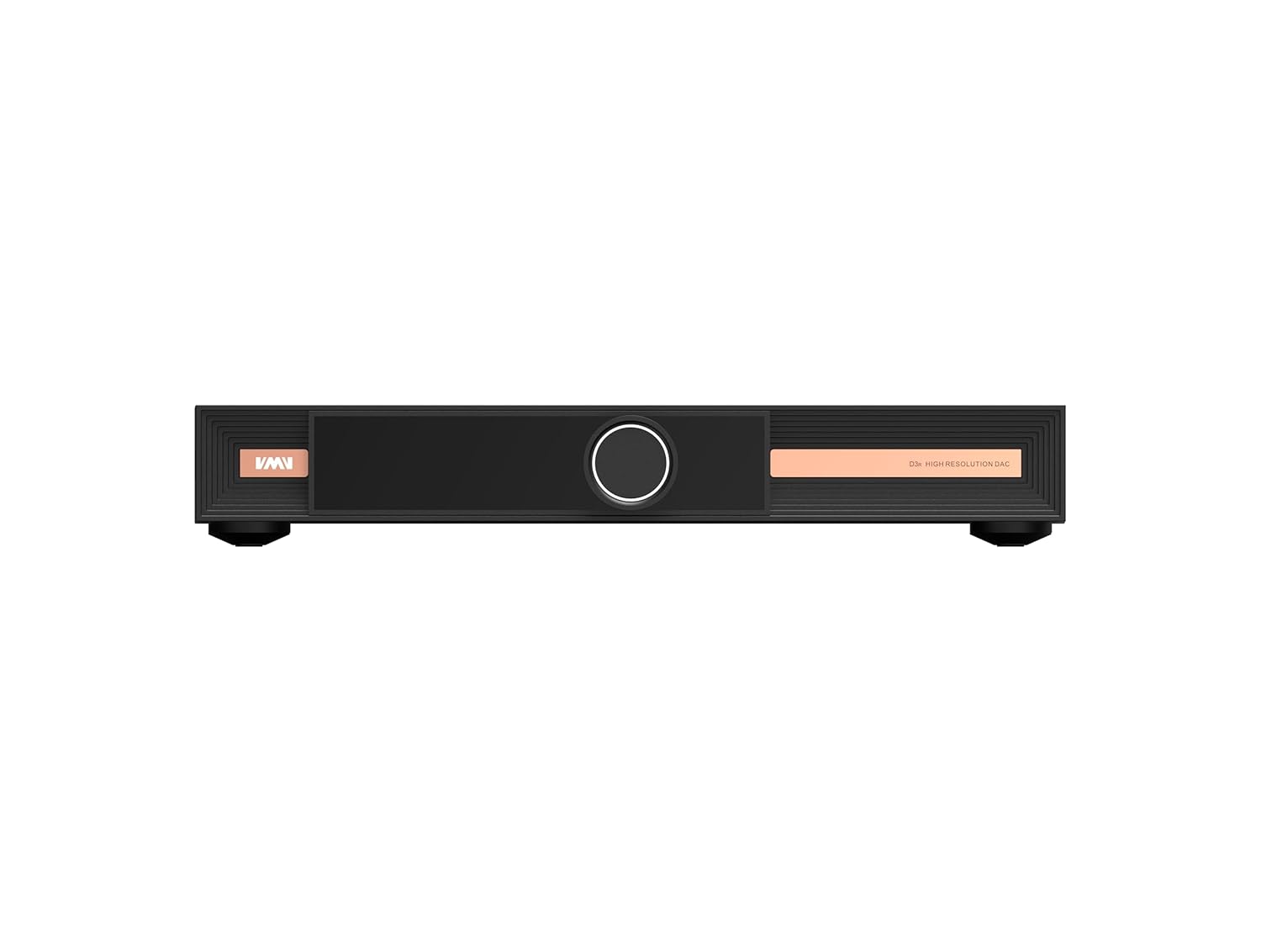
Pros
- Dual-chip architecture produces noticeably wider soundstage, stronger dynamics, and cleaner background noise compared to single-DAC competitors
- Exceptional format support ensures compatibility with virtually all high-resolution audio sources and streaming services
- Professional clock system and transformer-based power supply provide audiophile-grade stability and low jitter performance
- Versatile connectivity and preamp functionality eliminate need for additional equipment in most desktop audio setups
- Tempered glass design combines durability with visual appeal appropriate for premium audio installations
Cons
- No existing customer reviews available to validate real-world performance claims and user experience reliability
- Steep learning curve for optimal parameter adjustment through visual interface may intimidate non-technical users
The SMSL VMV D3R represents the pinnacle of desktop digital-to-analog conversion technology, engineered for discerning audiophiles who demand absolute sonic purity. This flagship DAC combines dual ROHM BD34302EKV chips with professional audio architecture to transform digital files into analog signals that approach studio master recordings. It serves musicians, audio engineers, critical listeners, and home theater enthusiasts who refuse to compromise on sound quality.
The standout feature is the dual-chip architecture that processes audio independently through each ROHM BD34302EKV, a chip renowned for natural sound reproduction distinct from mainstream alternatives. Support for DSD512 and PCM768kHz decoding ensures compatibility with the most demanding high-resolution audio formats available today. The professional clock system and dual toroidal transformers work synergistically to minimize jitter and electromagnetic interference, delivering the clean, low-noise foundation that separates true audiophile equipment from consumer-grade alternatives.
Build quality reflects the premium positioning, with a 3.49-inch fully tempered glass panel providing both durability and elegant light transmission. The precision circuit layout demonstrates meticulous engineering attention to detail. Multiple interface options including USB, coaxial, optical, AES, and I2S accommodate virtually any audio source, while Bluetooth Hi-Fi support with LDAC and aptX HD codecs bridges the gap between wired and wireless listening without sacrificing fidelity.
The primary limitation is the premium price point, which naturally restricts this product to serious enthusiasts with corresponding budgets. Additionally, the absence of user reviews means potential buyers cannot yet verify long-term reliability or real-world performance consistency. The visual interface and parameter adjustment system, while intuitive for experienced audiophiles, may present a learning curve for those new to professional audio equipment.
The SMSL VMV D3R delivers exceptional value for committed audiophiles seeking flagship-grade sound reproduction. The dual-chip design, professional architecture, and comprehensive connectivity make this an outstanding choice for anyone building a reference-quality desktop audio system. This is not equipment for casual listeners, but for those who understand that true audio fidelity justifies the investment.
Core Architecture: Dual ROHM BD34302EKV DAC chips with independent processing, dual toroidal transformers, professional clock system
Audio Formats: PCM up to 768kHz (32-bit), DSD512, Bluetooth LDAC and aptX HD
Connectivity: USB, Coaxial, Optical, AES, I2S interfaces, Bluetooth Hi-Fi
Channels: 2-channel stereo
Features: Preamp mode with one-click dynamic sound enhancement, visual operation interface, compatible with headphones and speakers
Design: 3.49-inch tempered glass panel, precision circuit layout
Compatibility: Desktop and mobile audio devices
Warranty: 1-year manufacturer coverage
Who Should Buy: The VMV D3R is ideal for serious audiophiles, professional audio engineers, music producers, and home theater enthusiasts who prioritize sound quality above all else. If you own high-resolution music files, use multiple audio sources, or demand studio-quality reproduction, this DAC justifies the investment.
Who Should Skip: Casual listeners, budget-conscious buyers, and those new to audiophile equipment should consider entry-level alternatives first. The premium price reflects flagship positioning rather than mass-market value.
Key Considerations: Ensure your audio sources support high-resolution formats to maximize this DAC's capabilities. The preamp functionality eliminates the need for a separate preamp but requires powered speakers or a dedicated headphone amplifier. Multiple interface options provide flexibility, so verify your source devices' connectivity before purchasing.
Setup Tips: Position the DAC away from electromagnetic interference sources like power supplies and wireless routers. Use quality cables appropriate for your interface type. Experiment with the dynamic sound enhancement feature to optimize the sonic character for your specific listening environment and speaker configuration.

Pros
- Excellent sound quality at this price point with versatile connectivity for any setup
- Easy setup and multiple connection options make it compatible with PCs, laptops, gaming consoles, and mobile devices
- Well-built construction with dual drivers and quality components ensure durability and consistent performance
- Intuitive front-panel controls let you adjust volume, bass, and treble on the fly without menus
- Professional-grade audio output suitable for music production, gaming, and content consumption
Cons
- Packaging quality has been inconsistent according to some customer reports, though product quality remains solid
- Branding logos on the front may not appeal to users preferring a minimalist aesthetic
- Occasional quality control issues reported, though covered by 2-year warranty
The IBALL·BOX H1 is a powered 2.0 stereo speaker system engineered for desktop professionals, gamers, and content creators seeking superior audio quality without the complexity of passive speaker setups. With 60W of output power and a robust Texas Instruments amplifier, these speakers punch well above their price point and deliver the kind of sonic clarity typically found in more expensive systems.
The dual 3-inch carbon-fiber woofers paired with 1-inch silk-dome tweeters create a balanced soundstage that handles everything from tight bass-heavy gaming sessions to vocal-forward music and dialogue-heavy films. The 40Hz-20KHz frequency response with a 95dB signal-to-noise ratio ensures minimal distortion and maximum clarity across all audio types. Whether you're streaming Netflix, editing video, or playing competitive shooters, the H1 adapts beautifully to different content types.
Connectivity is a major strength here. The inclusion of Bluetooth 5.3, USB-C DAC with 24-bit audio support, optical input, and traditional 3.5mm AUX means you can connect virtually any device without adapters or workarounds. The front-panel bass and treble controls let you fine-tune the sound to your preferences and room acoustics instantly, without diving into software settings. For a compact tabletop speaker, the build quality feels premium with a professional matte black finish.
The main drawback is packaging consistency, with some users reporting less-than-ideal protection during shipping. Additionally, the front logos may not appeal to minimalist desk aesthetics. A small percentage of units have arrived with defects, though the 2-year warranty covers replacements. Overall, these are reliable, great-sounding speakers that offer exceptional value.
Verdict: The H1 represents smart value for anyone upgrading from weak built-in audio. If you want powerful, versatile desktop speakers with professional sound quality and multiple connectivity options, these deliver on all fronts at a reasonable price.
Audio Performance: 60W system output, 100W-rated amplifier, 40Hz-20KHz frequency response, 95dB signal-to-noise ratio, 2.0 stereo channels, 4 ohm impedance
Drivers: Dual 3-inch carbon-fiber woofers, dual 1-inch silk-dome tweeters, rear bass reflex port
Connectivity: Bluetooth 5.3, USB-C DAC (24-bit), optical input, 3.5mm AUX, includes all necessary cables
Controls: Front-panel master volume, bass, and treble adjustment with touch controls
Design: Compact tabletop bookshelf speakers, dimensions 5.39in D x 4.57in W x 7.09in H, black matte finish
Power: Corded electric with included power cable, 100W-rated internal amplifier
Warranty: 2-year manufacturer warranty, 7-year spare parts availability
Compatible Devices: Desktop PC, laptop, smartphone, tablet, gaming consoles, televisions
Best For: Desktop professionals needing reliable workspace audio, gamers seeking immersive gaming sound, content creators requiring accurate audio monitoring, music enthusiasts upgrading from weak built-in speakers, and anyone with multiple devices needing seamless switching.
Ideal Use Cases: Home office work calls and video conferencing, gaming and esports, music and podcast streaming, video editing and content creation, casual listening and entertainment, and multi-device audio switching via Bluetooth.
Not Ideal For: Users requiring extreme bass output for bass-heavy electronic music production, those needing wireless-only operation without wired fallback options, or minimalist desk aesthetics where front logos are undesirable.
Value Proposition: The H1 delivers professional-grade audio quality at a mid-range price point, offering significantly better sound than built-in speakers while remaining compact and affordable compared to high-end studio monitors or gaming headsets.

Pros
- Exceptional codec support including LDAC and aptX HD enables true hi-res wireless audio streaming
- Versatile multi-output design with all outputs active simultaneously allows flexible routing in complex audio setups
- Commercial-ready features like custom Bluetooth naming and passcode protection are rare at this price point
- Responsive customer support praised in multiple reviews for quick and effective troubleshooting
- Solid build quality with a satin black alloy chassis and reliable long-term performance confirmed by real-world users
Cons
- Power adapter is not included in the box, which may be an inconvenience for first-time buyers who need to source one separately
- RCA, coaxial, and XLR cables are also not included, adding potential extra cost to get fully connected out of the box
- Functions only as a receiver, not a transmitter, so users hoping to send audio from a TV or stereo to Bluetooth headphones will need a different device
The blafili B3 is a professional Bluetooth 5.1 audio receiver designed to add wireless streaming capability to existing wired sound systems. It is aimed at a wide audience ranging from home audiophiles and hi-fi enthusiasts to AV installers working in schools, churches, gyms, and commercial venues. Rather than replacing your amplifier or speakers, it slots seamlessly into any setup as a high-quality wireless front end.
The standout feature of the B3 is its combination of a Qualcomm QCC5125 Bluetooth chipset and an ESS ES9018K2M DAC. Together, these components deliver stable wireless connectivity and audiophile-grade audio conversion with low noise, low distortion, and a wide dynamic range. Codec support is comprehensive, covering LDAC, aptX HD, aptX Low Latency, aptX, AAC, and SBC, meaning the B3 can extract the best possible audio quality from virtually any Bluetooth source device.
Connectivity is a genuine strength of this unit. All four output types, including balanced XLR, RCA, optical Toslink, and coaxial, can operate simultaneously, giving users maximum flexibility in routing audio to multiple destinations. The removable RP-SMA antenna supports a wireless range of up to 100 feet, and real-world reviewers have confirmed solid, uninterrupted connections across large spaces like school theaters. The silent pairing mode, which eliminates the beeps and voice prompts common on cheaper receivers, is a thoughtful touch for professional and quiet environments.
On the downside, the B3 ships without a power adapter, RCA cable, coaxial cable, or XLR cable, so buyers should budget for accessories. It is also strictly a receiver and cannot transmit audio from a TV or stereo to Bluetooth headphones, a point the manufacturer is upfront about but which can catch some buyers off guard. The USB DAC functionality is a welcome bonus but is limited to 16-bit 48kHz resolution rather than higher PCM rates.
Overall, the blafili B3 represents exceptional value for a professional-grade Bluetooth receiver. It earns high praise from audiophiles, PA installers, and commercial users alike for its sound quality, build, and feature set. For anyone looking to add reliable, high-resolution wireless audio to a wired system, the B3 is one of the most capable and well-rounded options available at this price.
Bluetooth Version: 5.1 with Qualcomm QCC5125 chipset. Supported Codecs: LDAC, aptX HD, aptX Low Latency, aptX, AAC, SBC. DAC: ESS ES9018K2M for low noise and wide dynamic range audio conversion.
Outputs: Balanced XLR (L+R), RCA (L+R), Optical Toslink, Coaxial. All outputs operate simultaneously. USB DAC: Plug-and-play, up to 16-bit 48kHz. Wireless Range: Up to 33 meters (100 feet) with included RP-SMA antenna.
Display: 1.3-inch diagonal status screen. Dimensions: 3 inches deep x 5.6 inches wide x 1.5 inches high. Weight: 0.24 kg. Power: USB-C 5V (adapter not included). Warranty: 3-year manufacturer warranty.
In the Box: blafili B3 unit, removable RP-SMA antenna, USB to USB-C power cable, optical cable, 4 self-adhesive feet bumpers, quick start guide. Note: power adapter, RCA cable, coaxial cable, and XLR cables are not included.
The blafili B3 is the right choice if you already own a wired audio system, such as a hi-fi amplifier, powered speakers, a PA mixer, or an AV receiver, and want to add high-quality Bluetooth streaming without sacrificing sound quality. It is not suitable for driving passive speakers directly, and it cannot send audio from a TV or stereo to wireless headphones or Bluetooth speakers.
For home audiophiles, the LDAC and aptX HD codec support means you can stream at near-lossless quality from a compatible Android phone or Sony device. Pair it with a tube amplifier or high-end integrated amp via the balanced XLR outputs for the cleanest possible signal path. The ESS DAC ensures the analog conversion is transparent and detailed.
For commercial or institutional installers, the customizable Bluetooth device name and optional 4-digit passcode are key differentiators. These features let you manage multiple units in the same building without confusion or unauthorized connections. The silent pairing behavior and long antenna range make it well-suited for permanent rack-mount installs in theaters, chapels, gyms, and conference rooms.
Before purchasing, make sure you have a USB-C power adapter available, as one is not included. You will also need to source your own RCA, XLR, or coaxial cables depending on your setup. Only an optical cable is provided in the box. If you need to stream audio from a TV to Bluetooth headphones, this device will not fulfill that role and you should look for a Bluetooth transmitter instead.

Pros
- Exceptional sound clarity and detail for the price, with balanced mids and crisp highs
- Intuitive tone control knob provides real-time voicing adjustments without complex menu navigation
- Compact size fits perfectly on desks and shelves while delivering surprisingly powerful output
- Excellent stereo separation and headroom make these suitable for casual mixing and critical listening
- Comprehensive included accessories eliminate need for additional purchases to get started
Cons
- Limited bass response from 3.5-inch woofers means serious mixing engineers may need to pair with a subwoofer
- Sound coloration becomes noticeable during critical professional mixing work compared to higher-end studio monitors
- Small form factor limits volume headroom in very large rooms or high-SPL applications
The Mackie CR3.5 Creative Reference Powered Studio Monitors are a pair of compact active speakers designed for home studios, content creators, musicians, and casual listeners who want professional sound quality without the bulk or complexity of larger systems. These 3.5-inch powered monitors deliver clear, detailed audio in a form factor that fits comfortably on desks, shelves, and studio racks.
The standout feature is the tone control knob, which lets you dial in your preferred sound signature from transparent studio reference quality to warmer, bass-boosted character, all without navigating menus. Users consistently praise the surprising clarity and stereo separation these little speakers achieve, with powerful 50-watt output that fills small to medium rooms. The included location switch corrects bass response based on speaker placement, ensuring accurate sound whether mounted against walls or in open space. Real-world testing shows these excel for mixing music, gaming audio, movie soundtracks, and everyday listening.
Build quality is solid with a professional black vinyl wrap finish and metal enclosures that feel durable and look sleek on any desk. Setup is straightforward thanks to included isolation pads, RCA cables, TRS connectors, and 1/8-inch adapters that cover virtually every connectivity scenario. The front panel layout is clean and intuitive, with clearly marked inputs and the signature tone knob for immediate sound adjustment.
The primary limitation is bass response from the 3.5-inch woofers, which some users address by adding a subwoofer for fuller low-end extension. Additionally, while these monitors provide honest, relatively flat reproduction, they do introduce some color compared to professional-grade monitors in the 350-400 dollar range, making them better suited for casual mixing than critical mastering work.
The Mackie CR3.5 represents outstanding value for home studios, podcasters, gamers, and music enthusiasts seeking professional sound quality in a compact, affordable package. These are genuinely impressive speakers for the price, delivering the clarity and separation you need to hear your audio accurately while remaining versatile enough for casual enjoyment.
Audio Output: 50 watts, stereo configuration with dynamic drivers
Speaker Drivers: 3.5-inch woofer with 1-inch tweeter per monitor
Connectivity: RCA, TRS, and 1/8-inch inputs for universal device compatibility
Controls: Master volume knob, tone shaping knob, location switch, power button
Dimensions: 5.5 inches wide by 8.1 inches tall by 7.1 inches deep per monitor
Weight: 10.2 pounds per pair
Power: Corded electric with standard AC connection
Warranty: 1-year all-inclusive limited warranty from Mackie
Included Accessories: Foam isolation pads, 1/8-inch to 1/8-inch cable, 1/8-inch to RCA cable, speaker-to-speaker wire
Ideal For: Home studio owners, music producers, podcasters, content creators, gamers, and audio enthusiasts who need professional-quality sound in a compact, affordable package.
Best Use Cases: Mixing and mastering at entry to intermediate levels, music production and composition, gaming audio, movie and video watching, everyday music listening with superior clarity, bedroom and small studio setups.
May Not Be Ideal If: You need deep bass response without a subwoofer, require professional-grade flat response for critical mastering work, or need monitors for large rooms requiring high volume levels. Consider stepping up to 5-inch or larger monitors if bass extension is essential.

Pros
- Exceptional value for professional-grade reference headphones under $250
- Feather-light construction with adjustable headband makes them comfortable even for glasses wearers during extended use
- Accurate, neutral sound signature translates well from headphones to other playback systems
- Robust build quality with replaceable components ensures long-term reliability and easy maintenance
- Versatile connectivity options with included dual cables work seamlessly with studio gear and consumer devices
Cons
- Some users report noticeable sibilance in the high frequencies that may require EQ adjustment for personal preference
- Not water-resistant, so not suitable for outdoor or moisture-prone environments
- Stock earpads may not suit all ear shapes, though they are easily replaceable with aftermarket options
The Sony MDR-M1 professional reference headphones are engineered specifically for music producers, audio engineers, and discerning listeners who demand accurate sound reproduction. These closed-back monitors deliver studio-grade monitoring in a compact, portable package that works equally well in professional production environments and personal listening setups.
The standout feature is the ultra-wideband frequency response spanning 5Hz to 80kHz, powered by a uniquely designed 40mm dynamic driver that balances low distortion with full-spectrum reproduction. In real-world use, this translates to hearing exactly what you recorded, with no coloration or flattery. The closed acoustic structure provides excellent sound isolation, allowing you to mix confidently without external noise interference. Users consistently report that mixes done on these headphones translate remarkably well to car systems and other playback environments, a hallmark of true reference monitors.
Build quality and comfort are exceptional for the price point. At just 216 grams, the headphones feel sturdy yet light enough for hours-long mixing sessions. The adjustable headband fits various head sizes comfortably, and the thick, soft earpads provide a secure seal without clamping pressure. The dual detachable cables with screw-in adapters and secure screw-lock connectors demonstrate professional-grade engineering, while replaceable earpads ensure these headphones will serve you for years.
The main consideration is that some listeners detect sibilance in the upper midrange and high frequencies, requiring minor EQ adjustments to match personal preferences. Additionally, the stock earpads may not suit every ear shape, though the easy replacement system lets you upgrade to third-party options. These are wired-only headphones with no water resistance, so they're designed for studio and indoor use rather than outdoor activities.
The Sony MDR-M1 represents excellent value for professionals seeking reliable reference monitors and enthusiasts wanting accurate sound without premium pricing. If you need headphones that sound good everywhere and prioritize honest reproduction over colored sound, these deliver on that promise consistently.
Audio Performance: Frequency response 5Hz-80kHz, 40mm dynamic drivers, 102dB sensitivity, 50 ohm impedance, ultra-wideband playback with low distortion
Design and Comfort: Over-ear closed-back design, weight 216g, adjustable headband, thick soft earpads, stainless steel enclosure, black color
Connectivity: Wired connection with dual detachable cables, 3.5mm and 6.3mm screw-in jack adapters, secure screw-lock cable attachment system
Durability: Easy-to-replace earpads, replaceable cables, 1-year warranty, designed for professional long-term use
Compatibility: Works with any device featuring 3.5mm or 6.3mm stereo jacks, including audio interfaces, mixers, DJ equipment, and consumer electronics
Best For: Music producers and mixing engineers seeking affordable reference monitors, audio professionals requiring accurate monitoring, serious audiophiles wanting honest sound reproduction, musicians tracking and overdubbing at home, podcast producers and voice-over artists, anyone upgrading from consumer headphones to professional-grade audio tools
Consider Alternatives If: You need wireless connectivity or water-resistant design, you prioritize bass-heavy or colored sound signatures over neutral accuracy, you require active noise cancellation rather than passive isolation
Investment Perspective: These headphones offer professional-grade monitoring at a fraction of the cost of competing reference models from Audeze, Sennheiser, or HiFiman. The durable construction and easy maintenance make them a practical long-term investment for anyone serious about audio production or quality listening.

Pros
- Exceptional value for money, offering true studio-quality monitoring at under $100
- Accurate frequency response (80 Hz - 20 kHz) with balanced, detailed sound across all ranges
- Room tuning controls eliminate the need for expensive acoustic treatment in most spaces
- Multiple connectivity options work seamlessly with computers, audio interfaces, game consoles, and turntables
- Compact, elegant design fits seamlessly into any workspace without sacrificing sound quality
Cons
- Limited bass output may require a separate subwoofer for bass-heavy music or movie content
- Some users report slightly boomy response in the midrange, particularly with male vocals or podcasts
- Smaller 3.5-inch woofer may not fill very large rooms with the same impact as larger monitors
The PreSonus Eris 3.5 studio monitors are compact powered speakers designed for home studios, content creators, gamers, and music enthusiasts who demand accurate audio without the bulk or expense of larger professional setups. This stereo pair combines professional-grade components with practical features that make studio-quality sound accessible to anyone working at a desktop.
What sets these monitors apart is their combination of powerful amplification and acoustic precision. The 50W Class AB amplifier drives clean, dynamic sound without distortion, while the 3.5-inch woven-composite woofers and 1-inch silk-dome tweeters deliver balanced frequency response from 80 Hz to 20 kHz. The built-in high and low-frequency tuning controls are genuinely useful, allowing you to dial in perfect sound for your specific room without expensive acoustic treatment or additional equipment.
Build quality is solid throughout. The composite enclosures feel durable, the controls are responsive, and the overall aesthetic is professional without being ostentatious. Connectivity is excellent for a desktop speaker, offering balanced TRS inputs, RCA connections, a front-panel auxiliary input, and an integrated headphone amplifier for private listening. This flexibility means you can connect virtually any audio source your desk might accommodate.
The primary limitation is bass depth and output. The 3.5-inch drivers produce balanced, controlled bass rather than impactful low-end, so users seeking room-filling bass response may want to consider adding a subwoofer. Additionally, some listeners report the midrange can sound slightly prominent with certain content like podcasts or male vocals, though the tuning controls help mitigate this.
For the price point, the PreSonus Eris 3.5 represents outstanding value. These are genuine studio monitors, not computer speakers with pretensions. They excel for music production, video editing, gaming, and everyday listening. If you need compact, accurate, affordable monitors that deliver professional sound quality, these deserve serious consideration.
Audio Output: Stereo pair (2 units)
Power Output: 50 watts Class AB amplification
Frequency Response: 80 Hz - 20 kHz
Drivers: 3.5-inch woven-composite woofer, 1-inch silk-dome tweeter per unit
Dimensions: 5.5 inches deep x 6 inches wide x 8.3 inches high per monitor
Weight: 6.4 pounds per pair
Enclosure: Composite and wood construction
Controls: Front-panel volume, high-frequency adjustment, low-frequency adjustment
Inputs: Balanced TRS (1/4 inch), RCA, front-panel auxiliary input
Outputs: Integrated headphone amplifier with front-panel jack
Input Voltage: 120 volts AC
Warranty: 2-year manufacturer limited warranty
Perfect For: Home studio producers, music hobbyists, video editors, content creators, podcasters, and gamers who need accurate audio monitoring in a compact form factor. These monitors are ideal if you work at a desk and need professional sound quality without the space requirements of larger studio monitors.
Consider Alternatives If: You require deep bass response for electronic music or film mixing, need to fill very large rooms with sound, or have a significantly higher budget for premium studio monitors. In these cases, larger monitors or a separate subwoofer system would be more appropriate.
Best Value For: Anyone upgrading from standard computer speakers who wants genuine studio-quality audio at an entry-level price. These monitors deliver measurable improvement in sound accuracy and clarity compared to typical multimedia speakers while remaining affordable and space-efficient.

Pros
- Supports exceptional high-resolution formats up to 32bit/768kHz and DSD512
- Full MQA-CD decoder provides access to master-quality recordings
- Professional-grade jitter reduction via self-developed CK-03 clock circuit
- Versatile connectivity with USB, optical, coaxial, and Bluetooth 5.1 LDAC
- Elegant design with capacitive glass display and intuitive user interface
Cons
- Requires quality source components and amplification to fully realize audio potential
- Limited to 2-channel output, not suitable for surround sound applications
The SMSL D200 is a professional-grade desktop digital-to-analog converter designed for serious audiophiles who demand exceptional sound quality from their digital music libraries. This compact yet powerful device serves as the critical link between your digital sources and amplification system, decoding high-resolution audio formats with precision and clarity that casual listeners may not fully appreciate.
What sets the D200 apart is its comprehensive support for cutting-edge audio formats and technologies. The unit handles PCM playback up to 32bit/768kHz resolution, DSD files up to DSD512, and includes full MQA-CD decoder capability that unlocks the master-quality recordings released by leading record labels. Bluetooth 5.1 with LDAC codec ensures wireless streaming maintains high-fidelity quality, while USB, optical, and coaxial inputs provide flexibility for various audio sources. The self-developed CK-03 clock processing circuitry actively reduces jitter, resulting in cleaner and more accurate audio reproduction that reveals subtle details in your music.
The design balances professional functionality with user-friendly features through its laminated capacitive glass display panel and intuitive interface. The included remote control enables convenient playback management, and the new UI includes lyrics display support for an enhanced listening experience. The independent linear power supply and pure audio circuit board architecture demonstrate serious engineering focused on signal integrity rather than unnecessary features.
Potential buyers should understand that the D200 is not a standalone solution. It requires quality source files or streaming services, a good amplifier, and quality speakers to deliver its full potential. The $319 investment makes sense primarily for dedicated audiophiles with existing audio systems and high-resolution music collections, not casual listeners with standard-quality digital sources.
The SMSL D200 represents an excellent value proposition for serious audio enthusiasts seeking a versatile, high-performance DAC with support for modern audio formats and wireless connectivity. Its combination of technical excellence, professional-grade components, and intuitive design makes it a compelling choice for anyone looking to elevate their digital audio playback to reference-quality standards.
Audio Format Support: PCM up to 32bit/768kHz, DSD up to DSD512, MQA-CD full decoder support
Connectivity: USB, Optical, Coaxial, Bluetooth 5.1 with LDAC codec
Output: 2-channel stereo audio
Clock Circuit: Self-developed CK-03 with external clock input capability
Power Supply: Independent linear power supply
Display: Fully laminated capacitive glass panel with lyrics support
Controls: Remote control included for convenient operation
Design: Pure audio circuit board with focus on signal integrity
Ideal For: Audiophiles with existing hi-fi systems seeking superior digital-to-analog conversion, music enthusiasts with high-resolution audio collections, streaming users wanting wireless high-fidelity playback, and anyone building a reference-quality audio setup.
Not Recommended For: Casual listeners with standard-quality MP3 sources, users seeking surround sound capability, or those without quality amplification and speaker systems to pair with this DAC.
Best Use Cases: Desktop audio workstations, high-end stereo systems, studio reference monitoring, and as part of a complete hi-fi audio chain with dedicated preamp and power amplifier components.

Pros
- Surprisingly powerful bass and clear treble response for the compact size and price
- Seamless Bluetooth 5.0 connectivity with stable 7-meter range and quick pairing
- Solid build quality with premium wood finish feels durable and looks professional
- Multiple input options (Bluetooth, USB, 3.5mm aux) provide flexibility for any device
- Easy setup with intuitive controls for volume, bass, and treble adjustment on the speaker itself
Cons
- Directional sound means optimal listening requires proper speaker placement at 45-degree angles
- Not ideal for bass-heavy music genres like electronic or techno without a dedicated subwoofer
- Limited to 10-meter maximum range for overall connectivity in larger spaces
The Sanyun SW208 is a compact bookshelf speaker system designed for desk workers, gamers, and music enthusiasts who want better audio than built-in monitor or laptop speakers. At just 7.5 inches tall and weighing 5.2 pounds per unit, this speaker pair fits perfectly on either side of a monitor without consuming valuable desk space. The premium wood construction and elegant finish make these speakers look professional in any office or gaming setup.
What sets the SW208 apart is its dual audio processing approach. The built-in 24bit DAC via USB connection captures digital audio directly from your device, minimizing signal loss during the digital-to-analog conversion process. This technical advantage combines with Bluetooth 5.0 wireless connectivity to give you flexibility in how you connect. The carbon fiber speaker units deliver warm midrange frequencies, deep bass for the size class, and clear treble that brings music and gaming audio to life. Real-world users consistently praise the smooth, silky sound quality, especially for classical music and office work environments.
The design philosophy emphasizes user control and customization. Dedicated knobs for volume, treble, and bass adjustment are conveniently located on the main speaker, allowing you to fine-tune the sound for your personal preferences or different music genres. The intelligent noise elimination system keeps the speakers completely quiet during standby, adhering to energy-saving EU ER2 standards. This thoughtful engineering means the speakers won't distract you when not in use.
One important consideration is that optimal sound quality requires proper placement. Users report the best stereo imaging and soundstage when speakers are positioned about 4 feet apart at 45-degree angles to the listening position. If you primarily listen to bass-heavy genres like electronic music or techno, you may find these speakers lack the low-end punch of larger systems. However, for the price point and desk-friendly size, this is a reasonable trade-off.
The Sanyun SW208 represents exceptional value for anyone seeking a significant upgrade from standard monitor speakers. Whether you're working from home, gaming, or enjoying music throughout the day, these speakers deliver professional-grade audio performance in a compact, attractive package that won't dominate your workspace.
Audio Performance: 60W total output power (30W x 2 channels), 20 KHz frequency response, stereo surround sound with carbon fiber speaker units and multi-layer voice coil technology.
Connectivity: Bluetooth 5.0 (7-meter range), USB port with built-in 24bit DAC, 3.5mm auxiliary input. Maximum overall range of 10 meters.
Design & Build: Compact bookshelf design with premium wood enclosure and carbon fiber speaker components. Dimensions: 5.35" D x 4.64" W x 7.48" H per unit. Weight: 5.2 pounds per unit. Available in white finish.
Controls & Features: On-speaker adjustable volume, bass, and treble knobs. Touch control method. Intelligent noise elimination system. Built-in chip with automatic audio filtering. Quiet standby mode with energy-saving design.
Compatibility: Works with laptops, desktop computers, smartphones, tablets, DVD players, gaming consoles, and music players. AC powered.
Best For: These speakers excel for desk workers, remote employees, gamers, and music enthusiasts in small to medium-sized spaces. They're ideal if you want a significant audio upgrade from monitor speakers but lack space for larger systems. Perfect for offices, bedrooms, gaming setups, and creative workstations.
Consider Alternatives If: You primarily listen to bass-heavy music genres and don't want to add a separate subwoofer. You need speakers for large rooms or outdoor spaces. You require maximum volume output for parties or events. You prefer all-in-one soundbar solutions.
Placement Tips: Position speakers at least 4 feet apart and angle them at 45 degrees toward your listening position for optimal stereo imaging. Keep them away from walls to prevent bass boom. Allow space around speakers for proper airflow and heat dissipation.
Setup Recommendations: For fastest setup, use Bluetooth connectivity (takes about 3 minutes). For best audio quality, connect via USB to utilize the 24bit DAC. Start with treble and bass at neutral positions, then adjust based on your music preferences and room acoustics. The 3.5mm aux input works well as a backup for devices without Bluetooth.

What to Look For in a Studio Monitor DAC
Sound Fidelity and Dynamic Range
The primary job of a DAC is accuracy. You need a component that reproduces audio without coloration or added distortion. Look for specifications that indicate high-resolution capability, such as support for 32-bit/768kHz PCM and DSD512. A high signal-to-noise ratio and wide dynamic range ensure that quiet details are clear and loud passages remain clean. This transparency is non-negotiable for making precise mixing decisions.
For the ultimate in detail retrieval, some models employ advanced dual-chip architectures. You can explore more options designed for maximum fidelity in our guide to the best HiFi DACs with high dynamic range.
Connectivity and Output Options
Your DAC must integrate seamlessly with your existing gear. Essential inputs include USB for computer connection, and often optical or coaxial for other digital sources. For output, balanced XLR connections are preferred for studio monitors, as they provide a stronger, noise-resistant signal over longer cable runs. Also consider if you need a preamp function for volume control, or dedicated outputs for headphones.
Versatility is key. Some units offer Bluetooth with high-quality codecs like LDAC for wireless streaming, while others provide HDMI ARC for connecting to a TV in a multimedia room. Ensure the DAC you choose has the right ports for your current and future setup.
Clock Design and Jitter Reduction
Jitter—tiny timing errors in the digital signal—can blur audio imaging and reduce clarity. Superior DACs invest in their clock systems to minimize this. Look for mentions of low-jitter clock circuits, dedicated clock processors, or even support for external master clocks. A stable clock is fundamental for achieving the precise stereo imaging needed in studio work.
This focus on timing directly contributes to soundstage accuracy. For components renowned for this trait, our resource on the best HiFi DACs with precise imaging offers further insight.
Form Factor and System Integration
Consider where the DAC will live. A compact, desktop-friendly unit is ideal for near-field monitoring setups. Pay attention to the user interface; a clear display and intuitive controls (or a responsive remote) enhance daily usability. Some audiophiles prefer a dedicated dual-DAC setup for channel separation, which you can learn more about in our overview of best desktop dual DACs.
The build quality should inspire confidence. A solid chassis dampens vibrations, and quality internal components ensure long-term reliability. Your DAC is an investment in your craft, so it should be built to last.
Final Thoughts
Upgrading your digital conversion is one of the most impactful steps you can take toward professional-sounding results. For those seeking uncompromising flagship performance with dual ROHM DACs and extensive connectivity, the SMSL VMV D3R represents a top-tier choice. If your needs lean towards exceptional value and versatile features including MQA support and HDMI ARC, the SMSL DO200 PRO is a compelling and powerful option. Remember, the best DAC for your studio is the one that connects your sources to your monitors with the greatest transparency, allowing you to trust every sound decision you make. For a broader look at this category, visit our main HiFi DAC page.
Frequently Asked Questions
Do I need a DAC if my studio monitors are already powered?
Yes, you likely still need a DAC. Powered monitors have built-in amplifiers, but they still require an analog signal. If you’re connecting via USB, 3.5mm, or RCA from a computer or interface, you’re using its internal DAC. A dedicated external DAC almost always provides superior conversion, resulting in clearer, more detailed sound.
What’s the difference between a DAC and an audio interface?
<!–An audio interface is a tool for recording and playback, typically featuring microphone preamps, instrument inputs, and often basic headphone amps. Its primary focus is low-latency input/output for production. A dedicated HiFi DAC, however, is optimized solely for playback fidelity. It uses higher-grade components for conversion and output, making it the better choice if your sole need is critical listening and monitoring.
Are balanced XLR outputs important for studio monitors?
Highly recommended. Balanced XLR connections use a three-wire design that cancels out electromagnetic interference picked up along the cable. This is crucial in studio environments with many electronic devices, ensuring a clean, noise-free signal reaches your monitors over longer distances, which is common in professional setups.
Can a DAC improve my headphones and monitors simultaneously?
Many modern DACs are designed as combo units. They provide both line-level outputs (RCA/XLR) for your studio monitors and a separate, often powerful, headphone amplifier output. This allows you to switch between critical speaker listening and detailed headphone checks without changing any cables, making them a central hub for your entire home audio workflow.


Write Your Review
No reviews yet. Be the first to share your experience!