

Does your movie night feel flat, missing the punch and immersion of a true cinema? You’re not alone. Many modern TVs prioritize slim designs over powerful audio, leaving dialogue muffled and action scenes lacking impact. The solution lies in a smart home theater system, a unified audio setup designed to bring thrilling, room-filling sound into your living space.
This guide cuts through the technical jargon to review nine of the most compelling systems available. We focus on setups that blend immersive audio formats like Dolby Atmos with smart features and straightforward setup. Whether you’re a movie buff, a dedicated gamer, or a music lover, you’ll find options to elevate every listening experience. For those prioritizing a clean setup, exploring the best wireless home theater systems is also a great next step.
| Pick | Product | BRD Score | Where to buy |
|---|---|---|---|
| Top Pick 29% OFF |
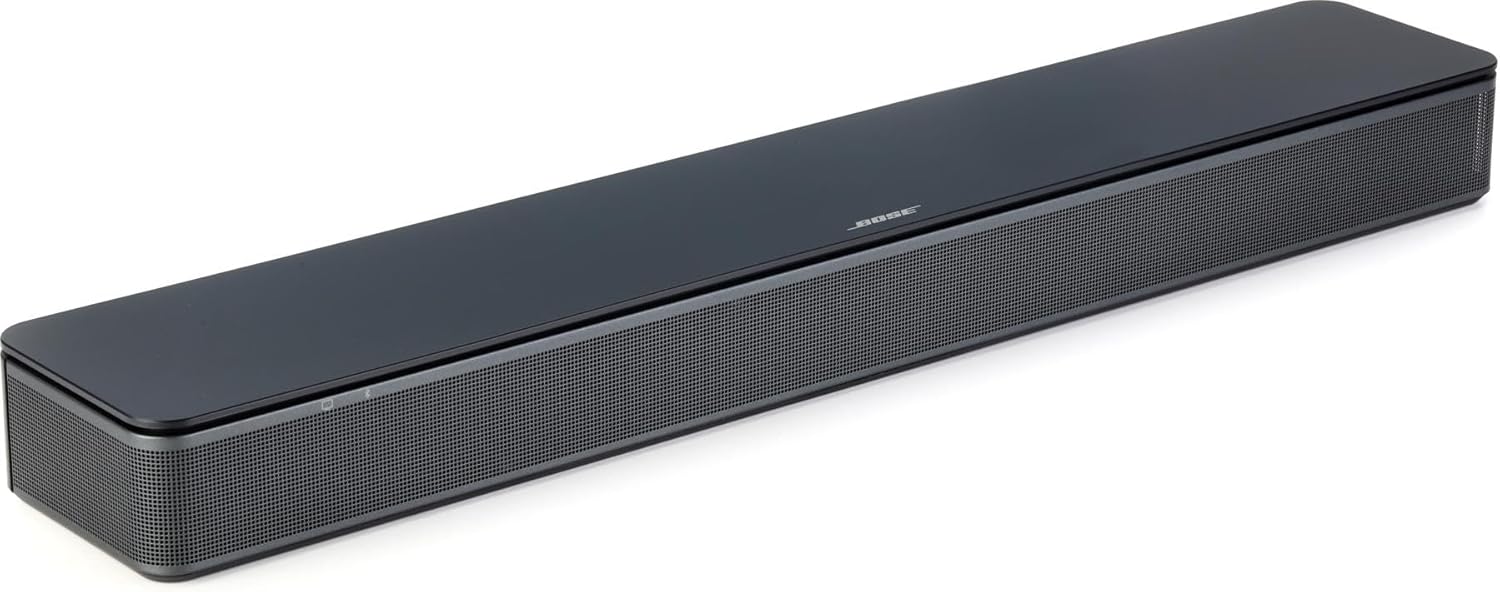 Bose TV Speaker Compact Soundbar with Bluetooth |
9.8/10 | View on Amazon.com |
| 40% OFF |
 ULTIMEA Skywave F40 5.1.2ch Dolby Atmos Sound Bar |
9.5/10 | View on Amazon.com |
Prices and discounts as of Nov 23, 2026 and may have changed. Check Amazon for the current price.
Pros
- Exceptional speech and dialogue clarity thanks to a dedicated center tweeter and Dialogue Mode
- Effortless setup with a single cable connection and included optical cable
- Versatile connectivity with HDMI-ARC, optical, AUX, and Bluetooth inputs
- Sleek, low-profile design blends seamlessly with any TV setup
- Expandable with optional Bose subwoofers for a fuller home theater experience
Cons
- HDMI cable is sold separately, which may add unexpected cost for users who prefer that connection method
- At 35 watts with no built-in subwoofer, bass performance may feel limited for action movies or music lovers without an upgrade
- Wall mounting brackets are sold separately, adding cost for those who want a cleaner installation
The Bose TV Speaker is a compact all-in-one soundbar built specifically to solve one of the most common frustrations with modern flat-screen TVs: poor audio quality and hard-to-understand dialogue. At just 2.21 inches tall and 23.38 inches wide, it is designed for everyday TV watchers, seniors, and anyone who wants a straightforward audio upgrade without the complexity of a full surround sound system.
The standout feature here is the Enhanced Dialogue Mode, which uses a dedicated center tweeter to sharpen vocal clarity and pronunciation. Combined with two angled full-range drivers and built-in Dolby decoding, the soundbar delivers surprisingly wide and natural-sounding audio for its compact size. Real-world performance is well-suited for news broadcasts, dramas, and talk shows where speech intelligibility is the priority.
Design-wise, Bose has kept things clean and minimal. The slim black enclosure is built from durable plastic and sits unobtrusively in front of a TV. Small LED indicators on the front provide subtle visual feedback for volume changes and feature activation. The included remote control is compact and straightforward, offering quick access to Dialogue Mode and a bass boost toggle.
There are a few honest limitations worth noting. The soundbar outputs 35 watts with no built-in subwoofer, so bass response is modest on its own. Users who enjoy action films or bass-heavy music will likely want to invest in the optional Bose Bass Module 500 or 700. Additionally, the HDMI cable is not included, and wall mounting brackets are sold separately, which can add to the overall cost.
Overall, the Bose TV Speaker earns its reputation as one of the best compact soundbars in its category. It excels at what it promises: clearer TV audio with minimal setup effort. It is a strong choice for anyone seeking a reliable, brand-trusted audio upgrade that is simple to use and easy to place in any living space.
Dimensions: 4.02 inches D x 23.38 inches W x 2.21 inches H. Weight: 8.2 pounds. The slim profile makes it easy to place on a TV stand or media console without obstructing the screen.
Audio: 35 watts maximum output power, stereo audio output mode, dynamic driver type with a 5.6 cm audio driver size and 1-inch tweeter diameter. Built-in Dolby decoding enhances audio realism.
Connectivity: HDMI-ARC with CEC support, optical audio input (cable included), AUX input (3.5mm), and Bluetooth with a 30-foot wireless range. Supports up to 3 paired Bluetooth devices simultaneously.
Compatibility: Works with all televisions. Expandable with Bose Bass Module 500 or 700 via Bose Bass Module Connection Cable or standard 3.5mm audio cable (both sold separately). Wall brackets also sold separately.
In the Box: Bose TV Speaker, remote control with pre-installed battery, optical cable, power cord (5 ft), and quick start guide. Model number: 838309-1100. Warranty: 1-year limited warranty from Bose.
If you are shopping for a soundbar primarily to improve TV dialogue clarity, the Bose TV Speaker is one of the most targeted solutions available. Its Dialogue Mode and center tweeter design make it especially well-suited for households where hearing speech on TV is the main concern, including older adults or those with mild hearing difficulties.
For buyers who want a simple plug-and-play experience, this soundbar delivers. Setup takes only minutes with the included optical cable, and HDMI-ARC connectivity means you can use your existing TV remote to control volume. There is no app required, no complex configuration, and no steep learning curve.
However, if you are a dedicated home theater enthusiast looking for booming bass and cinematic surround sound, this soundbar alone may not fully satisfy. Consider pairing it with the Bose Bass Module 500 or 700 for a more immersive experience. Budget-conscious buyers should also factor in the cost of an HDMI cable and optional wall brackets if needed.
Compared to generic budget soundbars, the Bose TV Speaker justifies its price through brand reliability, audio engineering quality, and the expandable ecosystem. It is a long-term investment for anyone who values clear, natural sound over raw volume or deep bass. It is best matched with small to medium-sized living rooms and TVs up to 55 inches.
Pros
- Physical rear surround speakers create a genuinely immersive sound field rather than relying on virtual processing alone
- Straightforward setup with a well-designed app and clear instructions that most users complete in under 30 minutes
- No distortion at high volume levels, making it suitable for larger rooms and louder listening sessions
- Exceptional value compared to traditional component systems costing several times more
- Sleek, modern design with premium-looking gold trim accents that complement contemporary TV setups
Cons
- Not compatible with DTS audio formats, which may be a limitation for users with Blu-ray players or content libraries that rely on DTS tracks
- Rear surround speakers are relatively compact and some users notice occasional audio delay on certain content
- The 5.25-inch subwoofer delivers solid bass for small to medium rooms but may feel underwhelming in larger open-plan spaces
The ULTIMEA Skywave F40 is a full 5.1.2-channel home theater system designed for TV owners who want a meaningful audio upgrade without the complexity of a separate AV receiver and component speaker setup. At its price point, it targets budget-conscious home theater enthusiasts, gamers, and streaming fans who want Dolby Atmos height effects and physical surround sound from a single, well-packaged system.
The standout feature here is the use of actual rear surround speakers rather than virtual surround processing. Combined with dual up-firing Atmos drivers using neodymium magnets and 18-core voice coils, the system creates a convincing 360-degree sound field. Reviewers who tested it with gaming consoles like the Xbox Series X and with streaming movies consistently noted that Dolby Atmos content sounds genuinely spatial and enveloping, a rare achievement at this price.
Build quality is notably strong for the category. The soundbar uses a metal enclosure with a clean, modern profile measuring just 1.81 inches wide, and the gold trim accents give it a premium appearance that stands out against budget alternatives. The included accessories are comprehensive, with a 6-meter rear surround cable, HDMI eARC cable, optical cable, and a full wall mount kit all included in the box.
There are a few honest caveats to consider. DTS audio formats are not supported, so users with DTS-heavy Blu-ray collections will need to factor that in. The rear surround speakers are on the smaller side, and a handful of users noticed minor audio sync delay in certain scenarios. The subwoofer performs well in small to medium rooms but audiophiles or those with large open spaces may want to manage expectations on bass depth.
Overall, the ULTIMEA Skywave F40 earns its strong reputation as one of the best-value complete surround sound systems available. The combination of physical surround speakers, Dolby Atmos up-firing drivers, lossless HDMI eARC, and a feature-rich app makes it a compelling buy for anyone ready to move beyond flat TV audio. It is a particularly strong recommendation for gamers, movie streamers, and first-time home theater buyers.
Audio Channels: 5.1.2ch (5 speakers, 1 subwoofer, 2 up-firing Atmos drivers). Maximum Output Power: 400 watts total. Subwoofer: 5.25-inch wired subwoofer with BassMX Technology.
Connectivity: HDMI eARC (up to 37Mbps), Bluetooth 5.4 (15m range), Digital Optical, AUX. Signal-to-Noise Ratio: 96dB. Frequency Response: 40Hz and above. CEC: Yes, for automatic TV sync.
Dimensions (Soundbar): 31.5 inches deep x 1.81 inches wide x 3.54 inches tall. Enclosure Material: Metal. Color: Black with gold trim accents. Mounting: Tabletop or wall mount (hardware included).
In the Box: Soundbar, subwoofer, 2x rear surround speakers, HDMI eARC cable (1.5m), optical cable (1.5m), rear surround cable (6m), right-angle HDMI adapter, power adaptors, wall mount kit, and user manual. Warranty: 2-year limited warranty. Model Number: U4122.
If you are comparing the Skywave F40 to a standard 2.1-channel soundbar, the most important difference is the inclusion of physical rear surround speakers and up-firing Atmos drivers. Virtual surround processing found in cheaper bars simulates spatial audio, but the F40 uses actual speaker placement to achieve it, which produces a noticeably more convincing result for movies and gaming.
This system works best in small to medium-sized rooms. The 5.25-inch subwoofer and 400-watt total output are well-matched for bedrooms, living rooms up to around 400 square feet, or dedicated media rooms. If your space is large or open-plan, consider whether you might eventually want a more powerful subwoofer, as the F40 is solid but not room-shaking in bigger environments.
For connectivity, make sure your TV has an HDMI eARC port to get the full benefit of lossless Dolby Atmos audio. Most TVs made after 2019 include eARC, but it is worth checking your model before purchase. If your TV only has standard ARC or optical output, the system will still work but you will not receive the full uncompressed audio stream.
One important note for buyers: this system does not support DTS audio formats. If you own a large Blu-ray collection encoded in DTS-HD or DTS:X, you will need to check that your player or TV can convert DTS to Dolby Digital or PCM before it reaches the soundbar. For most streaming services like Netflix, Disney Plus, and Apple TV Plus, which use Dolby Atmos natively, this is not an issue at all.
How to Choose Your Smart Home Theater System
Audio Format and Channel Configuration
The core of immersion is the audio format. Look for systems supporting Dolby Atmos and DTS:X, which create three-dimensional soundscapes with effects that move around and above you. Channel numbers, like 5.1.2 or 11.1.4, indicate speaker counts: main, subwoofer, and height channels. More channels generally mean a more precise and enveloping soundfield.
Consider your room size and content habits. A 5.1 system is excellent for most living rooms, while expansive spaces may benefit from higher channel counts. The goal is sound that feels natural and all-encompassing, pulling you into the story. You can explore various configurations on our dedicated Home Theater Systems (HTIB) category page.
Connectivity and Smart Features
Modern systems should simplify your setup, not complicate it. HDMI eARC is the gold standard for a single-cable connection to your TV, delivering the highest quality audio without compression. Robust Bluetooth allows for easy music streaming from your phone or tablet. Smart integration is a key differentiator.
Some systems offer dedicated apps for fine-tuning sound profiles, while others integrate with voice assistants or specific TV brands for unified control. These features ensure your system works seamlessly within your existing smart home ecosystem, making daily use effortless. For budget-conscious options with great connectivity, check out our roundup of the best home theater systems under $500.
Room Calibration and Sound Customization
Every room has unique acoustics. Advanced systems include auto-calibration technology that uses a microphone to analyze your space. They then adjust speaker output to compensate for furniture, wall materials, and speaker placement, ensuring optimal sound no matter your room’s layout. This is crucial for achieving balanced audio where you sit.
Beyond automation, look for user-friendly customization. Features like dialogue enhancers, night modes, and adjustable EQ presets for movies, music, and sports let you tailor the audio to your immediate needs. This level of control personalizes your experience, making every piece of content sound its best.
Design and Form Factor
Your audio system should complement your space, not dominate it. Soundbars offer a sleek, low-profile solution that fits neatly under your TV, often with wireless subwoofers and rear speakers to minimize cable clutter. Traditional component systems with an AV receiver and separate speakers offer maximum power and upgradeability for dedicated home theater rooms.
Consider the physical footprint and your willingness to manage speaker wires. Wireless surround speakers provide fantastic flexibility for placement but still require power cables. The right design balances aesthetic appeal with the acoustic performance you desire for your primary viewing area. For premium systems that master both design and power, see our guide to the best home theater systems under $1000.
Final Thoughts
Upgrading to a smart home theater system is one of the most impactful changes you can make to your daily entertainment. The right system transforms watching a film into an event, with sound that adds emotional depth and thrilling realism. For most users seeking a fantastic balance of immersive Dolby Atmos performance, straightforward setup, and smart features, the ULTIMEA 5.1CH Surround Sound Bar System with Dolby presents a compelling package. Alternatively, if you desire the utmost in object-based audio precision and seamless integration within a premium ecosystem, the flagship Samsung Q990F 11.1.4ch Q Series Subwoofer + Rear delivers a truly reference-grade cinematic experience. We encourage you to explore all options in our main Home Audio Sound Bars hub to find the perfect audio companion for your home.
Frequently Asked Questions
What is the main advantage of a smart home theater system over a simple soundbar?
The primary advantage is immersive, multi-directional sound. While a basic soundbar improves TV audio, a full home theater system with dedicated surround speakers and a subwoofer creates a true 3D soundstage. You hear effects moving around and behind you, which is essential for formats like Dolby Atmos and DTS:X, making movies and games far more engaging.
Do I need special wiring for a wireless home theater system?
“Wireless” typically refers to the audio signal between components, not power. You will still need to plug the soundbar, subwoofer, and each rear speaker into a power outlet. The benefit is you avoid long, unsightly speaker cables running across your room to a central receiver, offering much more flexible and cleaner placement options.
Can I use a home theater system for music listening?
Absolutely. Most modern systems include a dedicated music mode or Bluetooth streaming. High-quality systems with good drivers and clear audio processing can provide a rich, full-bodied sound for music. Some even offer multi-channel stereo modes that use all speakers to create a wide, room-filling soundstage perfect for parties or casual listening.
How future-proof are the systems recommended for 2026?
The systems we’ve highlighted are built on current standards that will remain relevant. Key future-proof features include HDMI eARC for high-bandwidth audio from new TVs and media players, support for Dolby Atmos and DTS:X object-based audio, and Bluetooth for streaming. Many also receive firmware updates via their apps, allowing them to gain new features and compatibility over time.





Write Your Review
No reviews yet. Be the first to share your experience!