

Your voice is your most powerful tool, whether you’re hosting a podcast, streaming a game, or recording a song. Yet, capturing that voice with studio-quality clarity often feels locked behind a complex and expensive setup. The bridge between simple plug-and-play convenience and professional-grade audio has arrived in the form of dual USB XLR microphones. These versatile devices offer the best of both worlds, and selecting the right one is crucial for your content’s impact.
This guide is crafted for creators ready to upgrade their sound without the hassle of a full studio overhaul. We have evaluated the top models on the market to help you find the perfect microphone that grows with your skills. From premium broadcast-ready options to incredible value picks, our recommendations cover every need and budget. For a broader look at dynamic microphone options, explore our guide on the best USB dynamic microphones.

Pros
- Exceptional audio clarity that captures voice nuance while rejecting ambient noise and room imperfections
- Auto Level Mode eliminates the need for constant manual gain adjustment during recording or streaming
- Dual connectivity options (USB-C and XLR) provide flexibility to grow with your setup from beginner to professional
- LED touch panel with customizable colors adds visual appeal while serving as a practical level meter and mute control
- Requires minimal software and no external hardware like cloud lifters or DSP units for professional results
Cons
- Heavy at 3.6 pounds with a footprint of 15.9 x 7.8 inches, requiring dedicated desk space
- Learning curve for maximizing the MOTIV Mix app features, though basic operation is intuitive
The Shure MV7+ is a professional dynamic microphone engineered for modern content creators who refuse to compromise on audio quality. Whether you're launching a podcast, streaming on Twitch, conducting remote interviews, or recording voiceovers, this microphone delivers broadcast-ready sound straight out of the box. It's built for creators who want professional results without overhauling their entire studio setup.
The standout feature is the intelligent Auto Level Mode, which adapts your microphone gain in real time based on your voice and distance. Move closer to the mic or lean back, and the audio stays perfectly balanced without manual adjustment. Combined with advanced DSP featuring real-time noise reduction and voice isolation technology, the MV7+ cuts through background noise, fan hum, and room echo while keeping your vocals sharp and present. The built-in reverb effects (Plate, Hall, Studio) add professional polish that typically requires expensive post-production work.
Build quality is exceptional. The metal enclosure feels solid and professional, not like plastic pretending to be premium gear. The customizable LED touch panel with 16.8 million color options serves dual purposes: it looks impressive on camera and functions as a visual level meter and instant mute control. Setup is straightforward on Windows 10, macOS 12, and compatible devices, with minimal software required.
The dual USB-C and XLR connectivity is a major advantage. Start with USB-C for plug-and-play simplicity, then upgrade to XLR when you're ready for more control. This flexibility means you're not locked into a single workflow. The included accessories (adjustable stand, foam windscreen, 3m USB-C cable) provide everything needed for immediate use without additional purchases.
The primary consideration is cost and desk space. At $319, this is a significant investment, though justified by the quality and features. The 3.6-pound weight and 15.9-inch footprint require dedicated desk real estate. If you're serious about content creation and want professional audio without constant tweaking, the MV7+ is an excellent investment backed by Shure's 100-year reputation for audio excellence.
Auto Level Mode: This intelligent system continuously monitors your voice and distance from the microphone, automatically adjusting gain to maintain consistent audio levels. You can move around naturally without worrying about the microphone becoming too loud or too quiet.
Voice Isolation Technology: Advanced DSP algorithms distinguish your voice from background noise, fan noise, and room echo. This technology is especially valuable in untreated rooms or noisy environments where traditional microphones would pick up every ambient sound.
Real-Time Denoiser: Live noise reduction filters work continuously to clean your audio stream without introducing artifacts or making your voice sound unnatural. This is particularly useful for remote work, podcasting, and streaming applications.
LED Touch Panel: Beyond aesthetics, this customizable panel provides real-time visual feedback of your audio levels. The touch-sensitive mute function lets you instantly silence the microphone without reaching for software controls, perfect for live streaming or gaming.
Dual Connectivity: USB-C offers immediate plug-and-play functionality for laptops and compatible devices. XLR connectivity provides professional-grade audio routing for studio environments, giving you flexibility to adapt as your needs evolve.
Podcasters: The MV7+ is specifically engineered for podcast production. The combination of noise rejection, consistent levels, and broadcast reverb effects means your podcast sounds professional without post-production editing. The Auto Level Mode handles the technical aspects so you can focus on content.
Content Creators and Streamers: Whether you're streaming on Twitch, YouTube, or other platforms, the instant mute control and visual level feedback keep your stream running smoothly. The microphone sounds great on camera and handles the dynamic nature of live content.
Remote Workers: For Zoom calls, video interviews, and remote meetings, the MV7+ ensures you sound clear and professional. The noise rejection is particularly valuable if you work in an open office or have background noise in your home.
Music Recording: The dynamic microphone design and XLR connectivity make it suitable for recording vocals and instruments. The built-in effects add polish to recordings without expensive VST plugins.
Not Ideal For: Casual users looking for a basic microphone under $100, or content creators with extremely limited desk space. This microphone rewards serious commitment to audio quality.

Pros
- Exceptional value for the price with professional-grade audio quality that rivals microphones costing significantly more
- Flexible dual connectivity lets you start with USB for simplicity and upgrade to XLR later for enhanced audio space
- Effective background noise reduction makes it ideal for home studios, bedrooms, and noisy environments
- Complete bundle with boom arm, pop filter, and cables eliminates the need for additional purchases
- Sturdy construction and adjustable boom arm provide stable positioning without sagging or wobbling
Cons
- Noise reduction and mute features only function with USB connection, not available when using XLR
- Plastic enclosure may feel less premium compared to all-metal alternatives at higher price points
- RGB lighting on boom arm is a cosmetic feature that doesn't impact audio quality or functionality
The PUPGSIS D1 is a versatile dynamic microphone designed for podcasters, streamers, gamers, and content creators who want professional audio without the professional price tag. With both USB and XLR connectivity, this microphone adapts to your current setup while offering room to grow as your needs evolve. The included boom arm stand and complete accessory bundle make it a plug-and-play solution for beginners and experienced creators alike.
The standout feature is the supercardioid polar pattern, which effectively isolates your voice and reduces ambient noise from computer fans, hard drives, and other background sources. The 40Hz-16KHz frequency response delivers balanced, detailed audio that sounds natural and professional. When connected via USB, you gain access to dedicated mute and noise reduction buttons that provide real-time control during recordings and live streams, while the 3.5mm headphone jack with volume adjustment lets you monitor your output instantly.
Build quality is solid, with a sturdy boom arm that clamps securely to desks up to 2 inches thick. Both the arm and microphone are fully adjustable, allowing you to position the mic at the perfect angle and distance for optimal sound capture. The included pop filter reduces plosives and breath noise, while the USB-C and XLR cables ensure compatibility with modern and professional equipment respectively. The RGB lighting on the boom arm adds a nice visual touch to your streaming setup.
The main limitation is that advanced features like noise reduction and mute control only work through USB, not XLR. Additionally, the plastic enclosure feels less premium than all-metal alternatives, though it doesn't compromise durability or performance. For the price point, these trade-offs are reasonable and won't affect audio quality.
The PUPGSIS D1 is an excellent choice for anyone starting their streaming, podcasting, or gaming journey. Customer reviews consistently praise its clear sound quality, effective noise reduction, and professional appearance. Whether you're recording in a bedroom, basement, or shared office space, this microphone delivers the audio clarity you need at a price that won't break the bank. Highly recommended for content creators on a budget.
Connectivity: USB Type-C and XLR connectors for flexible setup options.
Audio Performance: Frequency response of 40Hz-16KHz with 80dB signal-to-noise ratio for clear, detailed sound. Supercardioid polar pattern minimizes background noise and ambient interference.
Controls: Mute button, noise reduction button (USB only), 3.5mm headphone jack with independent volume control, and real-time audio monitoring capability.
Included Accessories: Adjustable boom arm stand, microphone pop filter, USB-C cable, XLR cable, and comprehensive user manual.
Compatibility: Works with laptops, PCs, and devices supporting USB-C or XLR input. Headphone monitoring compatible with any standard 3.5mm headphones.
Who Should Buy This? Podcasters, Twitch and YouTube streamers, gamers, musicians, and anyone recording voiceovers or content from home. Perfect for beginners and intermediate creators who want professional results without professional pricing.
USB vs XLR: Which Should You Choose? Start with USB if you're new to streaming or recording. USB offers plug-and-play simplicity and access to advanced noise reduction features. Choose XLR if you plan to integrate this mic into a larger audio setup with an audio interface or mixer for enhanced professional audio transmission and spatial depth.
Setup Tips: Mount the boom arm on a desk between 1-2 inches thick for optimal stability. Position the microphone 6-8 inches from your mouth at a slight angle to minimize plosives. Use the included pop filter to reduce breath noise and sibilance. Monitor your audio through the 3.5mm headphone jack during your first recording to verify sound levels and quality.
Warranty: PUPGSIS includes a two-year warranty from the date of purchase, providing peace of mind on your investment.


Pros
- Exceptional audio quality with clear, warm sound and effective background noise reduction
- Dual connectivity options provide flexibility between simple USB plug-and-play or professional XLR recording chains
- Complete accessory package eliminates need for additional purchases to get started immediately
- Durable metal build quality feels premium and professional despite affordable price
- No external power required when using USB connection, powered directly from computer
Cons
- Dynamic microphone design requires sound source to be positioned close to the mic for optimal clarity
- Requires a recording application or software to function, computer connection is mandatory
- Some users report occasional firmware quirks, though official updates are available from manufacturer
The Samson Q2U is a professional-grade dynamic microphone engineered for content creators, podcasters, streamers, and anyone serious about audio quality on a budget. This dual-connectivity microphone bridges the gap between casual recording and professional studio setups, offering both USB-C plug-and-play simplicity and XLR professional flexibility. It arrives with a complete accessory bundle that eliminates the need for additional purchases, making it an exceptional value for beginners and experienced creators alike.
The standout feature is the exceptional audio quality delivered at this price point. Users consistently report that the sound is warm, clear, and surprisingly comparable to microphones costing significantly more. The unidirectional polar pattern effectively minimizes background noise and room reflections, allowing your voice to cut through cleanly whether you're recording podcasts, conducting video calls, or streaming. The dynamic microphone design means you'll need to position your mouth close to the mic, but this actually works in your favor by naturally reducing ambient noise and maintaining consistent levels.
Build quality is impressive for the price. The metal enclosure feels solid and professional, the included desktop stand is sturdy and compact, and all included accessories are thoughtfully designed. The microphone works instantly when connected via USB-C to any computer, with no driver installation or external power required. This plug-and-play convenience makes it accessible to beginners while the XLR output option provides a path to more advanced recording setups as your needs grow.
The main limitation is that you absolutely need a computer and recording software to use this microphone. It's not a standalone device, and the dynamic design does require proper microphone technique, positioning the source close to the capsule. A small number of users have reported firmware quirks, though these are addressable through updates available from Samson's website.
The Samson Q2U represents exceptional value for anyone building a home recording setup. Whether you're starting your first podcast, upgrading from built-in laptop audio, or adding a professional microphone to your streaming setup, this microphone delivers studio-quality results without the studio-sized price tag. The combination of dual connectivity, included accessories, and proven audio performance makes it one of the smartest microphone investments available.
Connectivity: USB-C and XLR connectors for maximum flexibility
Microphone Type: Dynamic handheld microphone with unidirectional polar pattern
Frequency Response: 50Hz to 15kHz, ideal for voice and instrument recording
Signal-to-Noise Ratio: 70dB for clean, professional audio
Power Source: USB-powered, no external power supply needed
Compatible With: Windows and Mac computers via USB-C connection
Included Components: Q2U microphone, desktop tripod stand, tripod extension, microphone clip, windscreen, USB-C cable, and XLR cable
Build Quality: Metal enclosure construction for durability and professional appearance
Weight: 11.2 ounces, lightweight and portable
Warranty: 2-year manufacturer warranty for peace of mind
Who Should Buy This: The Samson Q2U is perfect for podcasters launching their first show, content creators upgrading from laptop audio, streamers on a budget, voiceover artists, remote workers, and musicians recording at home. If you value audio quality and flexibility without premium pricing, this microphone delivers.
Who Should Look Elsewhere: If you need a standalone microphone without a computer, or require a condenser microphone for capturing distant sound sources or instruments, this isn't the right choice. This is a dynamic microphone designed for close-proximity voice recording.
Setup Tips: Position the microphone 2-4 inches from your mouth for optimal sound. Use the included windscreen to reduce plosives and breath noise. Experiment with recording software settings like compression and noise suppression to maximize audio quality. The XLR connection allows you to integrate this mic into a professional audio interface for advanced recording chains.
Value Comparison: At this price point, the Q2U outperforms significantly more expensive alternatives like the Blue Yeti, offering superior build quality and audio flexibility. The included accessories alone would cost extra with competing products, making this an exceptional investment for serious content creators on a budget.
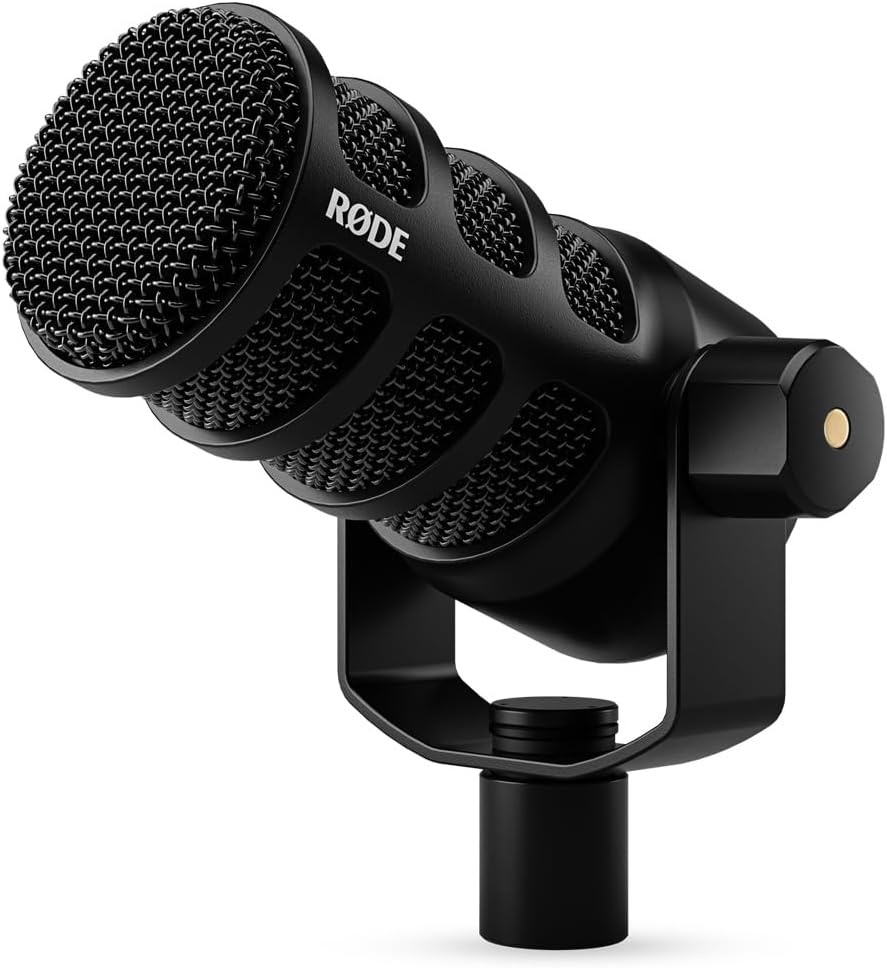
Pros
- True dual connectivity gives beginners USB simplicity while preserving XLR upgrade path for future growth
- APHEX onboard DSP delivers professional audio processing directly in the microphone, eliminating the need for external mixers or interfaces
- Excellent background noise rejection compared to condenser mics, making it practical for recording in untreated home spaces
- Rugged metal construction with professional aesthetic and included accessories provide immediate, complete recording solution
- Zero-latency monitoring lets you hear yourself without delay, essential for live streaming and Zoom calls
Cons
- USB-C connectivity may require adapter cables for users with older computers or non-USB-C devices
- Some users report occasional cable compatibility issues, requiring verification of USB-C cable quality
The RODE PodMic USB is a broadcast-quality dynamic microphone designed for content creators who need professional sound without professional complexity. It serves podcasters, streamers, gamers, and voiceover artists who want to start recording immediately via USB while maintaining the option to expand into XLR-based studio setups later. This dual-connectivity approach makes it uniquely valuable for creators at any experience level.
The standout feature is the integration of APHEX digital signal processing directly into the microphone. Over USB, this onboard DSP adds compression and presence to your voice, delivering studio-quality sound without requiring an external audio interface or mixing console. The free companion app lets you dial in the processing to match your voice and recording environment. Combined with the dynamic broadcast capsule that actively rejects keyboard clatter and room echo, this mic performs exceptionally well in typical home recording spaces where acoustic treatment isn't possible.
Build quality is excellent, with a solid metal enclosure that feels professional and durable. The included swing mount, pop filter, and 3-meter USB-C cable provide everything needed for immediate setup. The zero-latency headphone output with level control is particularly valuable for streaming and video calls, letting you monitor your own audio in real time without the delay that makes live communication awkward. The unidirectional polar pattern keeps the focus on your voice while minimizing ambient room noise.
The primary consideration is USB-C connectivity, which may require adapters for users with older computers lacking USB-C ports. Additionally, while the $190 price point is justified by the dual connectivity and onboard DSP, it positions the PodMic USB above budget-friendly alternatives. Some users have experienced cable compatibility issues, though this typically resolves with standard USB-C cables rather than the included cable.
The RODE PodMic USB is the ideal choice for creators who want professional broadcast quality without complicated setup, with the flexibility to upgrade their entire recording chain later without replacing their microphone. Its combination of excellent audio quality, practical dual connectivity, and onboard processing makes it a smart investment for anyone serious about content creation.
This microphone is perfect for podcasters launching new shows who want professional sound immediately without investing in a full audio interface setup. The USB connection means you can start recording within minutes of unboxing.
Streamers and content creators benefit from the zero-latency monitoring and noise rejection, which are essential for live broadcast quality. The ability to upgrade to XLR later means your initial investment protects your future growth.
Remote workers and Zoom call participants will appreciate the dynamic mic's ability to reject background keyboard noise and the onboard DSP that enhances voice clarity. Voiceover artists and audiobook narrators can achieve professional results in home studios without acoustic treatment.
Connectivity: USB Type-C and XLR (both built-in)
Microphone Type: Dynamic, handheld, unidirectional polar pattern
Audio Performance: Signal-to-noise ratio 60 dB, maximum frequency 20 kHz, minimum frequency 20 Hz, audible noise 94 dB
Processing: APHEX digital signal processing with free app control
Monitoring: Zero-latency headphone output with level control
Power: USB or XLR powered
Compatibility: Mac, Windows, iOS, Android, works with audio interfaces, mixers, and computers
Included: PodMic USB microphone, pop filter, SC29 USB-C to USB-C cable (3 meters), protective pouch
Warranty: 1 year standard, extends to 2 years with product registration
How to Choose Your Dual USB XLR Microphone
Assess Your Primary Use Case
Your intended content dictates the ideal microphone features. A podcaster recording in a home office needs strong noise rejection, while a musician might prioritize a wider frequency response. Streamers often benefit from built-in controls and RGB lighting for audience engagement. Clearly defining your main activity narrows your search to microphones optimized for that specific performance.
Evaluate Connectivity and Future-Proofing
The core advantage of a dual-connection mic is its flexibility. USB offers immediate plug-and-play simplicity, perfect for beginners or mobile setups. The XLR output is your path to professional audio interfaces, mixers, and more advanced control. Consider if you plan to upgrade your gear later; a robust XLR output ensures your microphone remains a central piece of your evolving studio. For those prioritizing modern connections, our list of the best USB-C microphones is a valuable resource.
Prioritize Key Performance Features
Look for features that solve common audio problems. A built-in headphone jack with zero-latency monitoring, like that found on the best USB microphones with Zero-Latency monitoring, lets you hear your voice in real time without distracting delay. Effective pop filters and onboard gain controls reduce post-production work. Also, consider the polar pattern; a cardioid pattern is excellent for isolating your voice from background noise, a topic we cover in our guide to the best USB microphones with cardioid pattern.
Consider Included Accessories and Software
The value of a microphone often extends beyond the capsule itself. Check if a stand, shock mount, or windscreen is included in the bundle. Companion desktop or mobile apps can unlock advanced sound customization, like adding compression, EQ, or reverb. These extras can save you money and simplify your initial setup, getting you from unboxing to recording faster.
Final Thoughts
Investing in a high-quality dual USB XLR microphone is a decisive step toward professional-sounding audio that captivates your audience. For creators seeking top-tier performance with exceptional onboard processing and touch controls, the Shure MV7+ USB-C & XLR Podcast Dynamic Mic stands out as a premium choice. Alternatively, for those requiring proven reliability and incredible value in a complete ready-to-record package, the Samson Q2U USB/XLR Dynamic Microphone Recording remains a legendary option. Explore all our top picks to find the perfect match for your creative voice on our dedicated USB Microphones category page.
Frequently Asked Questions
What is the main advantage of a dual USB XLR microphone?
A dual USB XLR microphone offers unparalleled flexibility. You can start recording immediately using the simple USB connection, which is perfect for beginners or on-the-go setups. As your needs grow, the XLR output allows you to connect to professional audio interfaces and mixers, giving you greater control over your sound and enabling integration into more complex studio environments without needing a new microphone.
Can I use both the USB and XLR connections on a dual microphone at the same time?
Typically, no. These microphones are designed to use one connection type at a time. You select either USB mode for direct computer connection or XLR mode to connect to an interface. Using both simultaneously is not a standard feature and could potentially cause technical issues or damage the device. Always refer to the specific product’s manual for its operational guidelines.
Are dual USB XLR microphones good for recording music?
Yes, many are excellent for music, especially vocal recordings and acoustic instruments. When used via XLR with a quality audio interface, they can capture detailed, rich audio suitable for production. The key is to choose a model with a frequency response that matches your source. Dynamic models, like those reviewed here, are particularly good at handling loud sound sources and reducing room ambiance.
What should I look for to ensure good sound quality in a noisy environment?
Focus on microphones with a directional cardioid or supercardioid polar pattern, as these reject sound from the sides and rear. Look for models that advertise built-in noise reduction or voice isolation technology. Also, using the XLR connection through an interface can often provide a cleaner signal path with less electronic interference compared to some USB connections, further improving clarity in challenging settings.


Write Your Review
No reviews yet. Be the first to share your experience!