

You’ve assembled your home theater components, carefully chosen your speakers, but now you’re faced with the final puzzle piece: mounting them. Space is at a premium, and you want a clean, professional look without the clutter of speaker stands. You need a solution that’s both secure and flexible, allowing you to direct sound exactly where it needs to go. More importantly, you want all of this without breaking the bank on installation hardware.
This guide is for anyone looking to mount their satellite, bookshelf, or surround sound speakers securely to a wall or ceiling. We focus on finding a balance between robust construction, versatile adjustability, and exceptional value. We’ve evaluated a leading option that consistently delivers for home audio enthusiasts.
Buying Guide for Speaker Wall Brackets
Compatibility and Mounting Types
Before you purchase any bracket, confirm how your speaker attaches. The most common methods are threaded inserts and keyhole slots. A truly universal bracket, like the VideoSecu Speaker Wall Ceiling Mount Bracket One, accommodates both. It supports standard 1/4″-20 threads, as well as 4mm and 5mm holes, covering a vast majority of small to medium satellite speakers. This versatility ensures you won’t be stuck with incompatible hardware.
For different setups, you might explore specialized mounts for small speakers or solutions for larger bookshelf models. Always check your speaker’s manual or examine its back panel for the mounting specification. A mismatch here is the most common installation hurdle.
Adjustability and Range of Motion
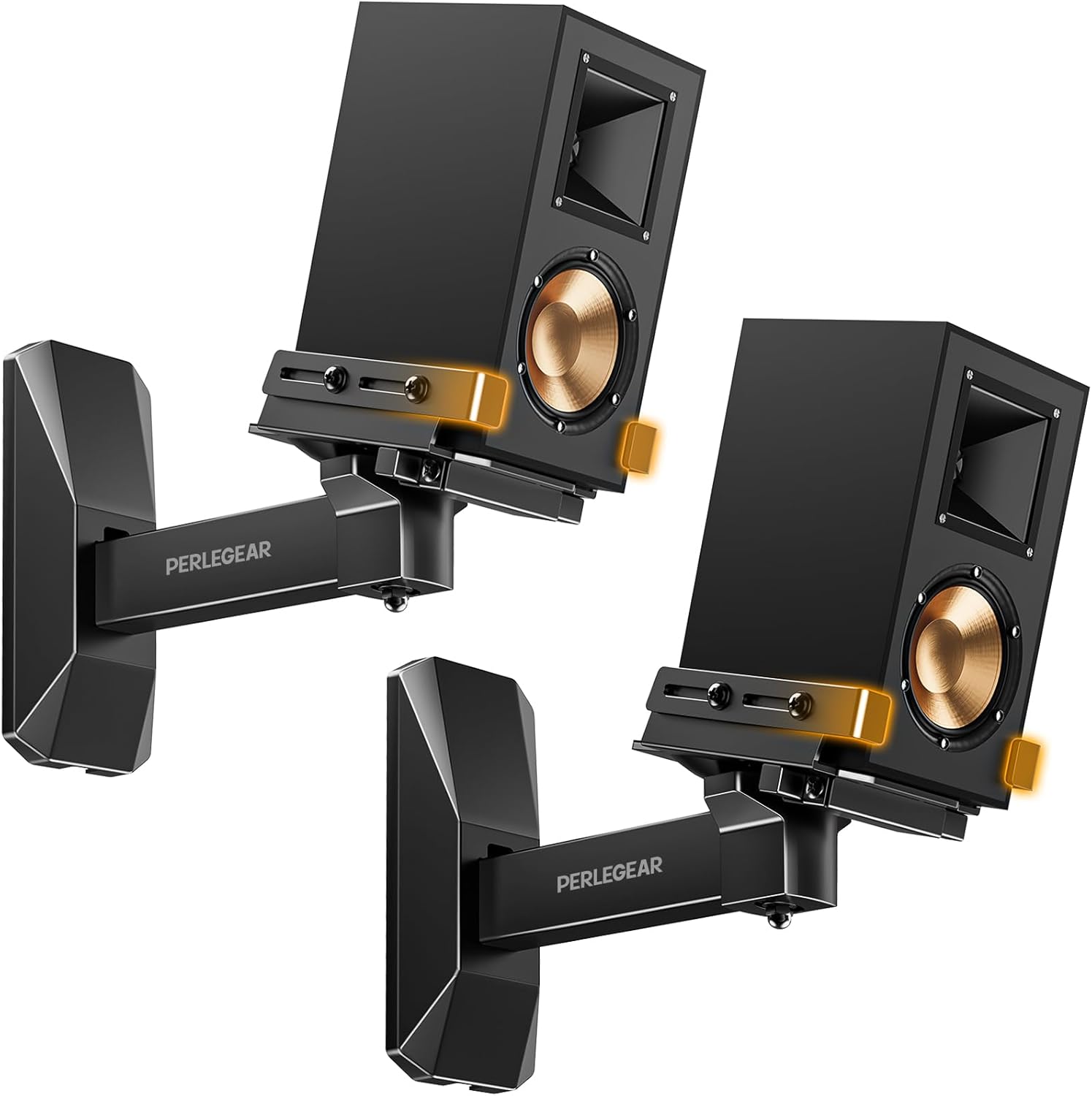
The primary reason to use a mount instead of a fixed shelf is directional control. Look for a design that offers multiple axes of adjustment. A ball-and-clamp joint is ideal, providing independent tilt, pan, and rotation. This lets you angle the speaker towards your primary listening position, whether you’re mounting on a side wall for surround channels or on the ceiling for Atmos effects.
Fine-tuning the speaker’s orientation can dramatically improve your soundstage and immersion, especially in a surround sound system. The ability to make micro-adjustments after installation is a key feature of a quality bracket.
Weight Capacity and Build Quality
Never exceed a mount’s rated weight limit. It’s a critical safety and performance specification. A robust steel construction is a good indicator of durability. The bracket must hold your speaker firmly without sagging or vibrating, which can color the sound.
For typical satellite speakers used in home theater or desktop setups, a capacity under 10 pounds is usually sufficient. However, if you’re mounting heavier bookshelf speakers, you’ll need to seek out a bracket with a higher weight rating. Always err on the side of a stronger mount.
Final Thoughts
For a straightforward, reliable mounting solution that offers excellent value, the VideoSecu Speaker Wall Ceiling Mount Bracket One stands out. Its universal compatibility and ball-joint adjustability make it a versatile choice for most satellite speaker installations, easily handling the demands of a home theater or music listening setup. When you need a no-fuss, durable mount that gets the job done right, this bracket consistently delivers the performance and flexibility users expect.
Frequently Asked Questions
Will these brackets damage my drywall?
When installed correctly using the included hardware and anchors, these brackets are designed for drywall and similar surfaces. It’s crucial to locate a wall stud for the most secure installation, especially for slightly heavier speakers. Using the proper anchors for drywall distributes the weight and prevents damage.
Can I use these mounts for ceiling speakers?
Yes, many universal speaker brackets, including the model reviewed here, are designed for both wall and ceiling applications. The same ball-joint design allows you to angle the speaker downward from the ceiling, which is perfect for creating overhead audio effects in a surround sound system. Always ensure you are mounting into a ceiling joist for safety.
How do I know if my speaker is compatible?
<!–Check the back of your speaker for either a threaded hole (common sizes are 1/4″-20 or metric) or a keyhole-shaped slot. Most brackets list the specific thread sizes and hole patterns they support. Universal mounts cover the most common options, making them a safe bet for standard satellite speakers. You can find more specific guidance in our speaker mounts category.
Are these brackets difficult to install?
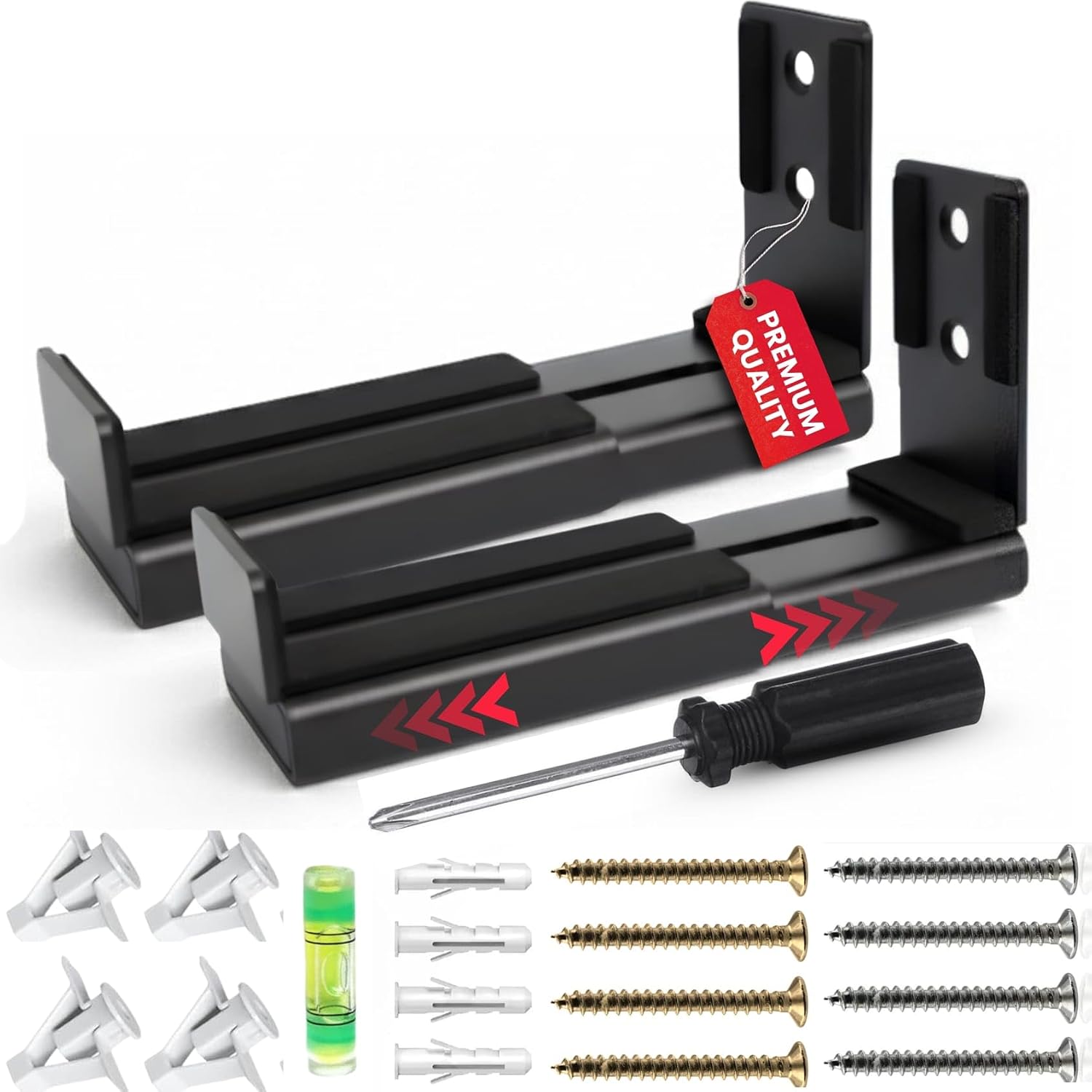
Installation is generally straightforward and requires basic tools: a drill, a screwdriver, and possibly a stud finder. The process involves attaching the mounting plate to your speaker, then securing the wall plate to your desired location. The final step is simply clamping the speaker’s plate into the wall bracket and tightening. Most users complete the setup for a pair of speakers in under an hour.



Write Your Review
No reviews yet. Be the first to share your experience!