

Struggling to keep your earbuds from failing during a swim or a sweaty run? Standard Bluetooth earbuds often fall short when water is involved, leaving you without your workout soundtrack. For athletes and fitness enthusiasts, the ideal solution is a dedicated pair of sport and waterproof earbuds with a built-in MP3 player.
This guide reviews top-rated models that let you store thousands of songs directly on the device. You can enjoy music completely untethered from your phone, whether you’re doing laps in the pool, cycling in the rain, or hitting the gym. We have assessed six leading options for 2026, from bone conduction designs to secure in-ear hooks, to help you find your perfect audio companion. For more options focused on storage capacity, see our guide on the best sport & waterproof earbuds with built-in storage.
How to Choose Your Sport & Waterproof Earbuds
Waterproof Rating and Intended Use
The first and most critical specification is the waterproof rating. Look for IPX8 or IP68 certifications for true swimming capability. These ratings confirm the earbuds can withstand submersion, often at specific depths and durations. It is crucial to understand that Bluetooth signals cannot travel through water. Therefore, any swimming must be done using the built-in MP3 mode.
Audio Technology and Fit Style
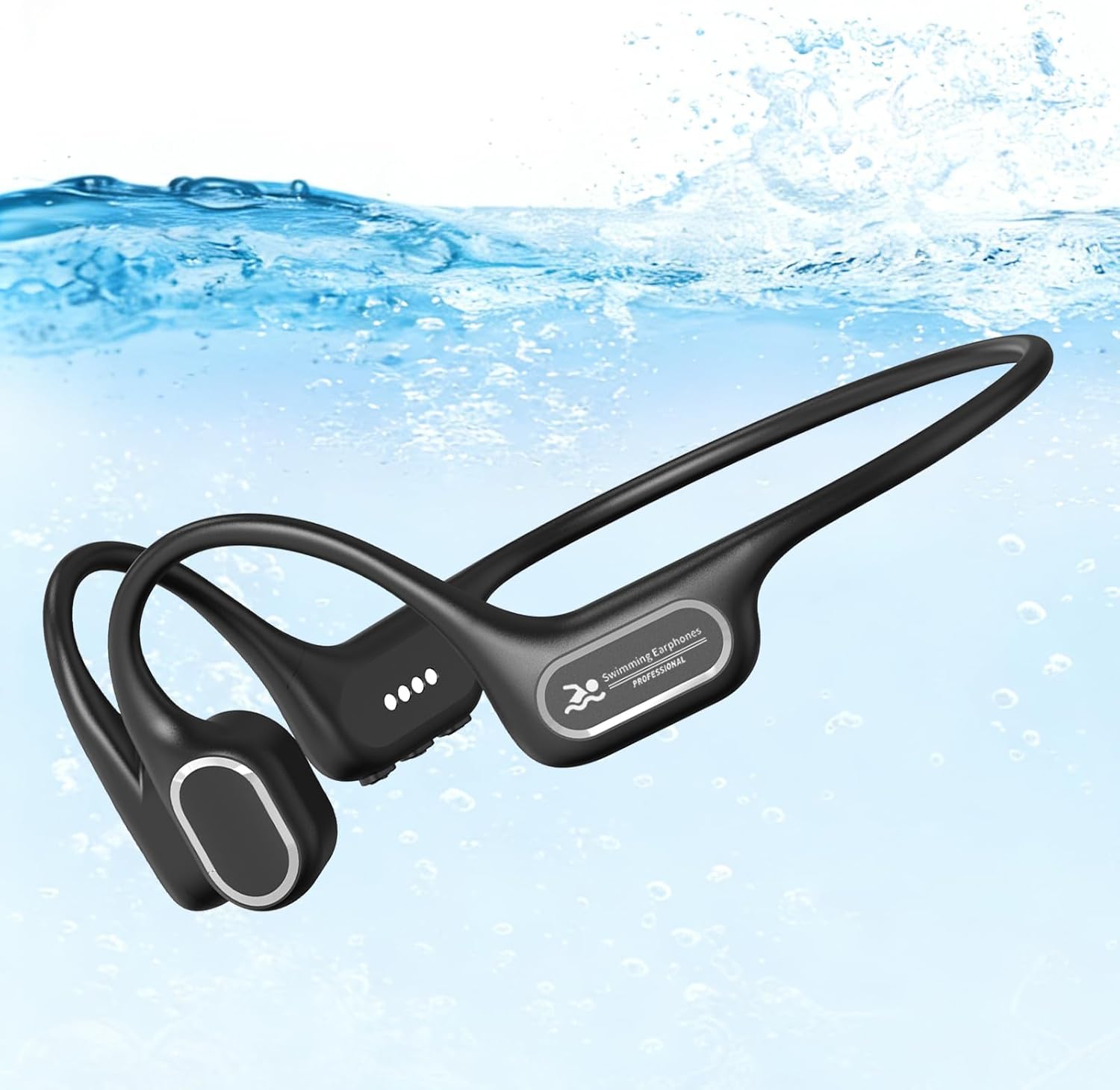
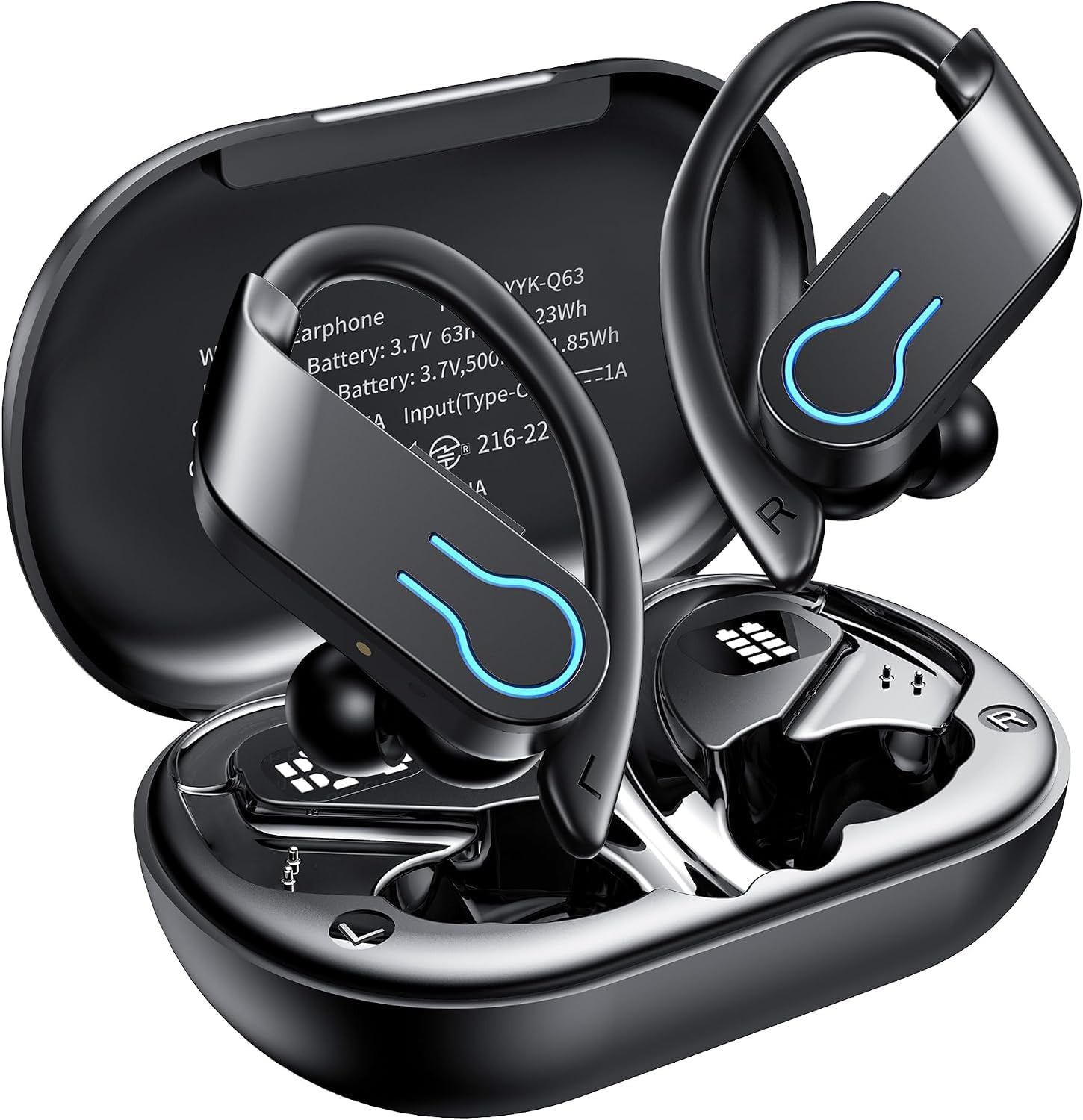
Your choice here defines your entire experience. Bone conduction headphones use vibrations through your cheekbones, leaving your ears completely open for situational awareness. In-ear models with ear hooks, like those highlighted in our review of the best sport & waterproof earbuds with ear hooks, create a physical seal for more traditional sound isolation. Consider your primary activity and your need to hear ambient noise for safety.
Storage Capacity and File Support
Built-in storage typically ranges from 8GB to 32GB. This dictates how many songs you can load for offline listening. Also, verify which audio formats the device supports, such as MP3, FLAC, or WAV. A larger capacity is excellent for long training sessions without repetition, a key feature for dedicated athletes.
Battery Life and Connectivity
Evaluate the battery life for both MP3 and Bluetooth modes. For long swims or all-day events, look for models offering eight hours or more. On land, Bluetooth connectivity quality matters. Newer versions like Bluetooth 5.4 or 6.0 provide more stable connections and lower latency. For a deeper dive into power, check our recommendations for the best sport & waterproof earbuds with extended battery life.
Final Thoughts
Choosing the right sport and waterproof earbuds ultimately depends on balancing your need for immersion with your need for awareness. For swimmers who prioritize open-ear comfort and advanced bone conduction tech, the SHOKZ OpenSwim Pro Open-Ear MP3 Headphones, Grey stands out as a premium, validated choice. If you prefer a secure in-ear fit with exceptional waterproofing specifically tuned for underwater acoustics, the S36 IPX8 Waterproof Earbuds with Bluetooth and MP3 offers a compelling and focused solution for serious aquatic training. You can explore more specialized audio gear in our open-ear and bone conduction category.
Frequently Asked Questions
Can I use Bluetooth mode while swimming?
No, Bluetooth radio waves cannot transmit through water. All waterproof earbuds with Bluetooth require you to switch to the built-in MP3 player mode before entering the water. The connection will resume automatically once you are back on land.
How do I get music onto the earbuds’ built-in storage?
Most models function as a USB drive when connected to a computer via their magnetic charging cable. You simply drag and drop your audio files into the device’s folder. Always ensure your music files are in a supported format, like MP3 or WMA.
Are bone conduction headphones good for sound quality?
Bone conduction technology has improved significantly. While they may not deliver the deep, isolated bass of premium in-ear models, they provide clear, intelligible audio perfect for podcasts and workout playlists. Their primary benefit is keeping your ears open to your environment for safety during outdoor activities.
What is the difference between IPX8 and IP68 ratings?
An IPX8 rating certifies protection against continuous submersion in water under conditions specified by the manufacturer. IP68 adds a dust-resistance rating (the ‘6’), meaning the device is also completely protected against dust ingress. Both are excellent for swimming, but IP68 offers fuller protection for sandy or dusty environments.





Write Your Review
No reviews yet. Be the first to share your experience!