

You’ve invested in a stunning 4K TV, but something feels missing. The on-screen explosions lack punch, and whispered dialogue gets lost in the mix. Your living room entertainment needs a powerful audio upgrade to match the visual spectacle. That’s where a premium soundbar with DTS:X technology transforms the experience, wrapping you in a three-dimensional soundscape that moves with the action.
This guide is for anyone ready to move beyond basic TV speakers and experience true cinematic immersion at home. We’ve assessed the latest models to help you navigate the options, focusing specifically on soundbars that support the object-based audio of DTS:X. Whether you’re a movie enthusiast, a dedicated gamer, or simply want clearer dialogue for nightly viewing, you’ll find a recommendation here. For a broader look at virtualized surround options, you can explore our guide on the best soundbars with DTS Virtual:X.
Buying Guide: What to Look For in a DTS:X Soundbar
Channel Configuration and Speaker Layout
The channel count, like 3.1 or 5.1.2, reveals the system’s physical capabilities. The first number is main channels, the second is the subwoofer, and the third denotes height channels for overhead effects. True DTS:X immersion often benefits from dedicated up-firing or side-firing drivers to create that three-dimensional bubble of sound.
Models like the Sony BRAVIA Theater Bar 9 leverage multiple speaker units for precise spatial mapping. Consider your room size and whether you want the simplicity of a soundbar-only setup or are open to adding separate wireless rear speakers for a more complete surround field.
Audio Format Support and Processing
Ensure the soundbar supports both DTS:X and Dolby Atmos for maximum compatibility with your movie and gaming content. Look for advanced processing technologies that enhance the experience, such as Sony’s Vertical Surround Engine or TCL’s AI Sonic room calibration.
These features optimize the audio output for your specific room acoustics and speaker placement. They ensure you get the intended impact from the DTS:X metadata, whether you’re listening to DTS Digital Surround content or the latest object-based soundtrack.
Connectivity and Ease of Use
HDMI eARC is the most important port. It allows for high-bandwidth, lossless audio transmission from your TV to the soundbar, which is essential for full DTS:X quality. Confirm your TV has an eARC or ARC port for the simplest single-cable setup.
Additional conveniences like Bluetooth for music streaming, voice assistant compatibility, and intuitive app control add daily value. Soundbars with robust apps, like the ULTIMEA system, let you fine-tune the audio to your personal taste long after setup. Discover more about this feature in our roundup of the best soundbars with app control.
Subwoofer Performance and Bass Management
A dedicated subwoofer is crucial for the full DTS:X experience, handling the deep low-frequency effects that make action scenes visceral. Assess whether the subwoofer is wireless for flexible placement and note the driver size, as this often correlates with bass depth and power.
Systems like the JBL Bar 1300XMK2 include a substantial wireless subwoofer, while others integrate powerful bass into the bar itself. Your choice may depend on room layout and whether you prefer a minimalist setup or the impactful rumble of a separate bass module. For compact spaces, our list of the best Entry-Level soundbars offers great options with integrated bass.
Final Thoughts
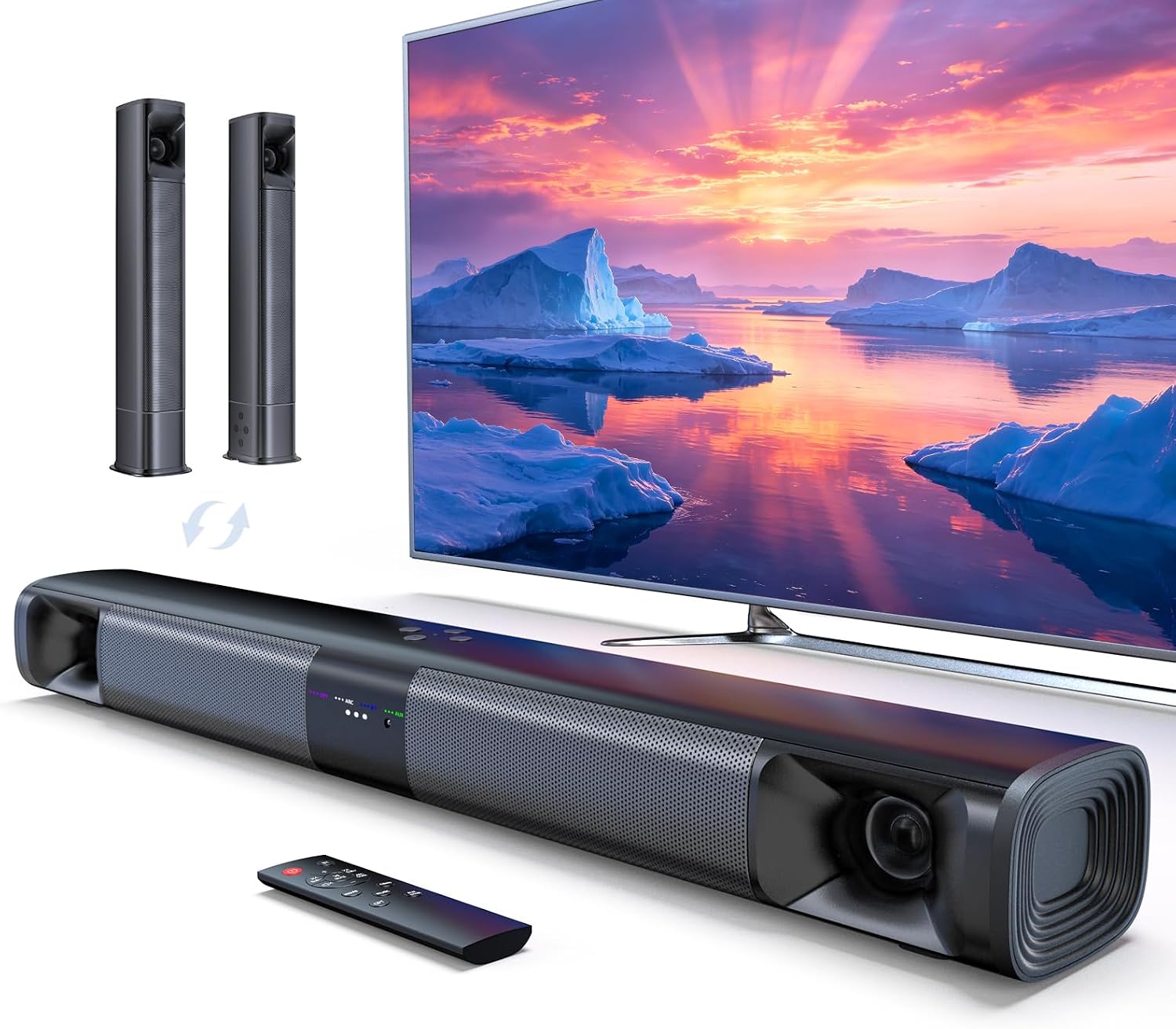
Upgrading to a soundbar with DTS:X support is one of the most impactful changes you can make to your home entertainment. It brings a new dimension of clarity and immersion to everything you watch and play. For those seeking a premium, feature-rich setup with incredible flexibility, the JBL Bar 1300XMK2 Dolby Atmos Soundbar stands out with its detachable wireless speakers. If you prefer a streamlined, high-performance bar from a renowned audio brand, the Sony BRAVIA Theater Bar 9 Soundbar for TV Home delivers exceptional cinematic sound right out of the box. Explore all our curated picks on the main Soundbars category page to find your perfect audio match.
Frequently Asked Questions
Do I need special content to benefit from DTS:X on a soundbar?
Yes, you need to play content encoded with a DTS:X soundtrack. Many 4K Blu-ray discs and streaming services like Disney+ and Netflix offer select movies and shows in DTS:X or Dolby Atmos. The soundbar will automatically decode and render the format if your source device and connection support it.
What’s the difference between DTS:X and DTS Virtual:X?
DTS:X is an object-based audio format that creates a three-dimensional soundscape using metadata. DTS Virtual:X is a post-processing technology that simulates a surround and height effect from a simpler speaker setup, like a 2.0 or 3.1 channel soundbar. It enhances standard content but doesn’t require specially encoded source material.
Can I add rear speakers to a DTS:X soundbar later?
This depends entirely on the specific model. Some high-end soundbars, like the Sony BRAVIA Theater series, are designed to be expanded with optional wireless rear speakers and subwoofers. Many other models are all-in-one systems. Always check the manufacturer’s specifications for expandability if you think you might want a more complete surround setup in the future.
How do I know if my TV is compatible with a DTS:X soundbar?
The key is your TV’s HDMI ARC or, preferably, eARC port. This single connection carries high-quality audio from your TV’s built-in apps to the soundbar. If you use an external media player (like a 4K Blu-ray player or gaming console), you can connect it directly to the soundbar’s HDMI input, bypassing the TV’s audio limitations for the best possible DTS:X experience in 2026.




Write Your Review
No reviews yet. Be the first to share your experience!