

You finally sit down to enjoy your favorite album, the needle drops, and then you hear it. That low, persistent hum in the background, a constant 60Hz buzz that muddies the music and steals the magic from your vinyl. This common frustration, caused by ground loop interference, is a rite of passage for many audiophiles. The solution lies in proper grounding, a critical yet often overlooked aspect of turntable setup.
This guide is for anyone building or troubleshooting a vinyl playback system. We have evaluated complete turntables that include essential grounding solutions and dedicated, high-performance ground wires to upgrade your existing setup. Whether you are assembling your first system or chasing audiophile perfection, the right connection can mean the difference between noise and nuance. For more on matching components, see our guide on the best turntables for stereo amplifiers.
Buying Guide: Choosing Your Grounding Solution
Wire Gauge and Conductivity
The thickness and purity of the wire directly impact its effectiveness. Look for oxygen-free copper (OFC) construction, which offers superior conductivity with minimal resistance. A thicker gauge, like 18AWG, ensures a robust path for unwanted electrical current to dissipate.
This prevents signal degradation and maintains a low noise floor. Gold-plated terminals add corrosion resistance, ensuring a stable connection over time. This is especially valuable in systems that may not be moved often.
Connection Type and Length
<!–Most ground wires use spade lug terminals for a secure, tool-free connection to the turntable’s ground post and your amplifier’s chassis. Ensure the lug size fits your equipment’s terminal. The length of the cable is also crucial for flexible setup without compromising performance.
A standard 3 to 6-foot length offers ample reach for most home audio racks. Consider a combined RCA and ground wire cable, like the Turntable Cable with Ground Wire, for a streamlined, all-in-one audio and grounding solution that reduces cable clutter.
Integrated System vs. Standalone Wire
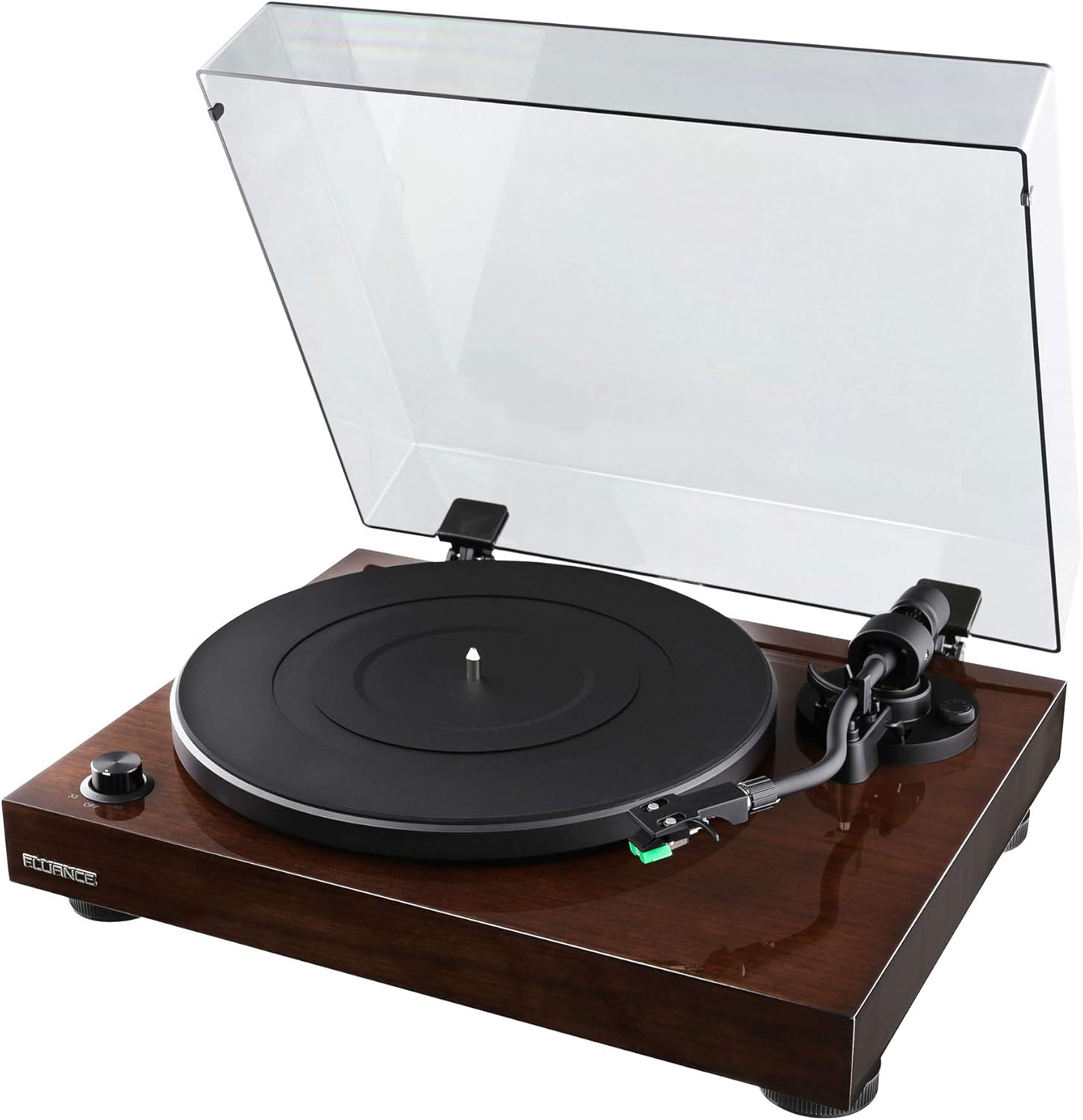
<!–Your choice depends on your starting point. A premium turntable like the Fluance RT81 Elite or the Audio-Technica AT-LP120XUSB-BK often includes a quality ground wire in the box. This provides a complete, verified solution right from the start.
If you already own a turntable that is humming, a dedicated upgrade wire is your fix. Standalone wires from brands like TUAIC or KOOKFJLLZ are affordable and can dramatically improve an existing system’s clarity. For a broader look at complete systems, explore our picks for the best Mid-Range turntables.
Compatibility and Build Quality
<!–Always confirm the ground wire is compatible with magnetic cartridge turntables, the most common type. Universal fit designs work with major brands like Technics, Audio-Technica, and Pro-Ject. The build should feel durable, with flexible insulation that resists kinking.
Hand-soldered connections and heat-shrink tubing, as found on the Turntable Ground Wire 6ft, 24K Gold Plated OFC, indicate attention to detail and long-term reliability. A well-constructed wire is a permanent solution to a common problem.
Final Thoughts
Eliminating ground hum is a non-negotiable step toward true high-fidelity vinyl sound. For those building a new system, we recommend starting with a turntable that includes a proper grounding solution, like the Audio-Technica AT-LP120XUSB-BK Direct-Drive Fully. If you are troubleshooting an existing setup, a dedicated, high-quality cable such as the Turntable Ground Wire 3.3ft 18AWG offers an immediate and effective upgrade, ensuring your music is heard without unwanted electrical interference.
Frequently Asked Questions
How do I know if my turntable needs a ground wire?
If you hear a constant low-frequency hum or buzz through your speakers that increases with volume, you likely have a ground loop. This is especially common with turntables that have a separate phono preamp or amplifier. Connecting a ground wire between the turntable’s ground post and the amplifier’s ground terminal typically solves this.
Can I use any piece of wire for grounding my turntable?
While technically any conductive wire may provide a connection, it is not recommended. Dedicated ground wires use high-purity copper and proper shielding to effectively channel interference away without degrading the audio signal. Using a random wire may not fully eliminate the hum and could potentially introduce other noise.
My turntable has a built-in preamp. Do I still need a ground wire?
Yes, often you do. Even with a built-in preamp, the turntable’s chassis can pick up interference that manifests as hum. The grounding process remains the same. Connect the turntable’s ground wire to the ground terminal on your amplifier or powered speakers. For compatible options, check our list of the best turntables for active speakers.
What should I do if connecting the ground wire doesn’t stop the hum?
First, ensure all connections are tight and the spade lug is making solid contact with bare metal on the amplifier’s chassis screw. Try a different grounding point on your amplifier. If the hum persists, the issue could be a faulty RCA cable, a problem with the cartridge wiring, or a different type of electrical interference in your home’s wiring.




Write Your Review
No reviews yet. Be the first to share your experience!