

You have a growing vinyl collection and a desire for richer, more detailed sound. The built-in speakers on your all-in-one system just aren’t delivering the warmth and clarity you know your records hold. Upgrading to a dedicated, high-performance turntable is the key to unlocking that potential, but the choices between belt-drive and direct-drive, built-in preamps, and various cartridge types can feel overwhelming.
This guide is crafted for you, the discerning listener ready to elevate your audio experience. We have evaluated a curated selection of the finest high-performance turntables available, focusing on critical factors like speed stability, vibration isolation, and cartridge quality. Whether you are building a dedicated hi-fi system or seeking a significant upgrade, our review of these ten models will provide the clarity you need to make an informed decision. For those considering how a new turntable integrates with an existing setup, our resource on the best turntables for stereo amplifiers offers valuable complementary advice.
How to Choose Your High-Performance Turntable
Drive System: Belt vs. Direct
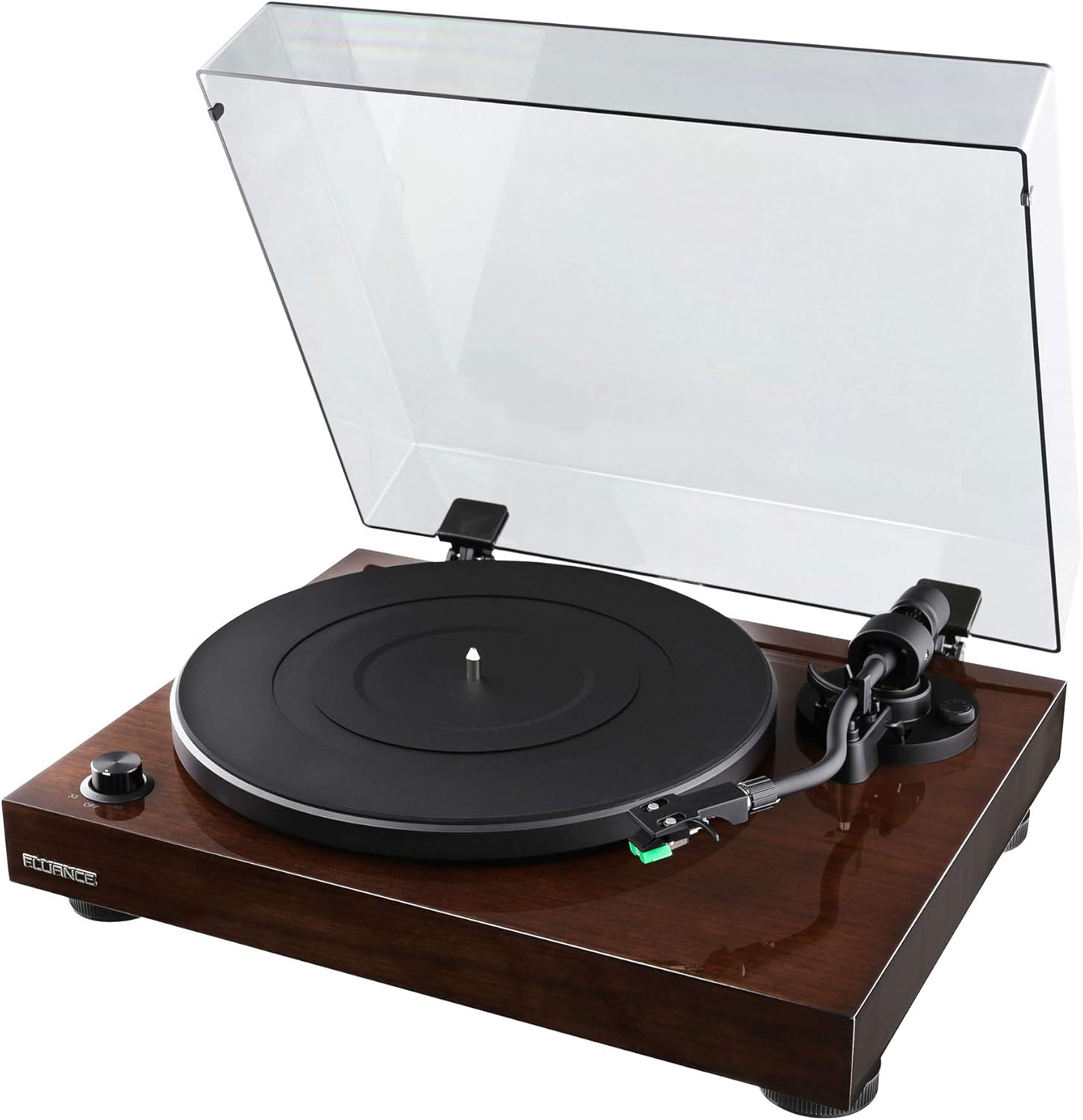
The drive mechanism is a fundamental choice. Belt-drive turntables use a rubber belt to connect the motor to the platter. This design physically isolates motor vibrations, which can result in a quieter background and is often praised for a purer, warmer analog sound. Models like the Fluance RT82 Reference High Fidelity Vinyl exemplify this approach.
Direct-drive turntables have the motor directly integrated into the platter spindle. This offers exceptional speed accuracy and instant start/stop, making them a favorite for DJing and precise listening. The Audio-Technica AT-LP120XUSB-BK Direct-Drive is a stellar example of this technology for home use. Your choice hinges on whether you prioritize absolute speed stability or maximum vibration isolation.
Tonearm and Cartridge Quality
The tonearm and cartridge are the turntable’s stylus, directly responsible for reading the grooves in your vinyl. A well-balanced, low-resonance tonearm (often S-shaped or J-shaped) ensures the cartridge tracks the record accurately without applying undue pressure. This prevents wear and unlocks finer audio details.
The cartridge itself, with its diamond stylus, is the most critical component for sound reproduction. A high-quality elliptical or nude stylus, like the Ortofon OM10 on the Fluance RT82, traces the record groove more precisely than a basic spherical tip. Investing in a better cartridge is the single most effective upgrade for sound quality on any turntable.
Build and Vibration Damping
A high-mass, rigid plinth is essential for performance. Materials like Medium-Density Fibreboard (MDF) or solid wood absorb energy and prevent resonance from feeding back into the tonearm. This keeps the sound clean and focused. Look for models with substantial plinths and effective, adjustable isolation feet.
The platter material also contributes. Heavy, machined aluminum or iron platters, like that on the 1 BY ONE Bluetooth Turntable HiFi System, provide greater rotational inertia. This promotes consistent speed and further dampens vibrations. Combined with a good plinth, these features create a stable foundation for flawless playback.
Connectivity and Features
Consider your existing audio system. If your amplifier or receiver lacks a ‘phono’ input, you will need a turntable with a built-in phono preamp. Many modern models, including several Audio-Technica options, offer a switchable preamp for maximum flexibility. This allows you to connect directly to active speakers or a standard line-level input.
Modern conveniences like Bluetooth connectivity, featured on the Audio-Technica AT-LP60XBT-BK Fully Automatic, offer wireless streaming to compatible speakers. USB outputs allow for digitizing your vinyl collection. Decide which features align with your lifestyle, whether you seek a pure analog path or value versatile connectivity. For more on feature-rich models, explore our guide to the best smart turntables.
Final Thoughts
Selecting the right high-performance turntable is a rewarding step toward audio excellence. For the purist seeking unparalleled analog warmth and detail, the Fluance RT82 Reference High Fidelity Vinyl is a standout choice with its superb Ortofon cartridge and speed-controlled motor. If your needs include robust build quality, direct-drive precision, and versatile connectivity for digitizing records, the Audio-Technica AT-LP120XUSB-BK Direct-Drive offers exceptional value and performance. Whichever model you choose, you are investing in a centerpiece that will faithfully reveal the music in your vinyl collection for years to come.
Frequently Asked Questions
What is the main advantage of a high-performance turntable over an entry-level model?
The primary advantages are superior sound quality and longevity for your records. High-performance models use better cartridges, more stable drive systems, and effective vibration damping. This results in clearer, more detailed audio with less distortion and background noise, while also ensuring the stylus tracks the groove gently to minimize record wear over time.
Do I need a separate phono preamp with a high-performance turntable?
It depends on your turntable and your amplifier. Many high-performance turntables, seeking a pure signal path, do not include a built-in preamp (like the Fluance RT82). You will need a separate phono stage or an amplifier with a dedicated ‘phono’ input. Others have a switchable built-in preamp for convenience, allowing connection to any line-level input. Always verify the specifications before purchasing. You can learn more about system matching in our turntables category guide.
Can I use a high-performance turntable with wireless speakers?
Yes, you have two main options. First, you can choose a turntable with built-in Bluetooth, like the Audio-Technica AT-LP70XBT Wireless Turntable, to stream wirelessly to compatible speakers. Second, you can use any turntable with a separate Bluetooth transmitter connected to its audio outputs. For optimal sound quality with wireless systems, ensure your turntable has a built-in or external phono preamp to boost the signal before transmission.
How important is the platter material on a turntable?
The platter material is very important for speed stability and sound. Heavy platters made from materials like machined aluminum or iron provide greater rotational inertia. This helps maintain a consistent speed, reducing wow and flutter, and also helps dampen vibrations. A heavy, well-damped platter, often used in conjunction with a high-mass plinth, forms a solid foundation that isolates the playing record from external vibrations and motor noise.



Write Your Review
No reviews yet. Be the first to share your experience!