

You have a great stereo amplifier ready to deliver powerful, clear sound, but your vinyl collection deserves a worthy source. The wrong turntable can leave your music sounding thin or introduce unwanted noise, failing to do justice to your amplifier’s potential. Matching a turntable to your stereo amp involves more than just plugging in cables; it’s about synergy between components.
This guide is crafted for anyone building or upgrading a dedicated vinyl listening station. We will explore turntables that pair perfectly with stereo amplifiers, from fully manual audiophile models to convenient automatic options. We also cover the crucial supporting gear, like phono preamps and integrated receivers, to complete your system. For those exploring different amplifier types, our review of the best turntables for tube amplifiers offers complementary insights.
| Pick | Product | BRD Score | Where to buy |
|---|---|---|---|
| Top Pick |
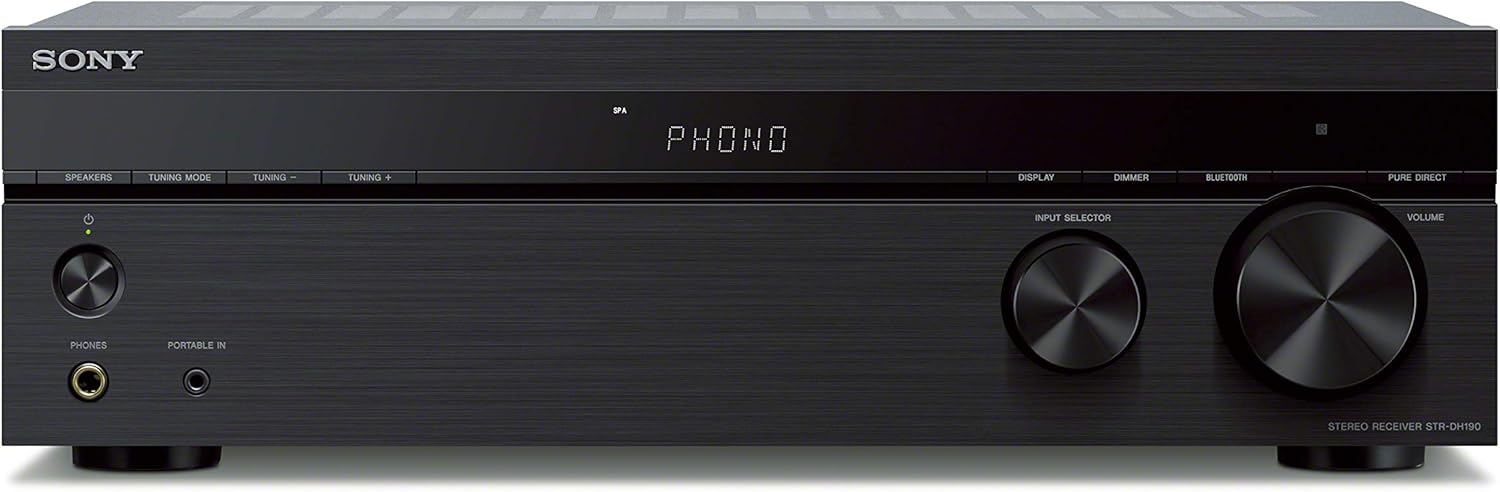 Sony STRDH190 2-Channel Home Stereo Receiver |
9.8/10 | View on Amazon.com |
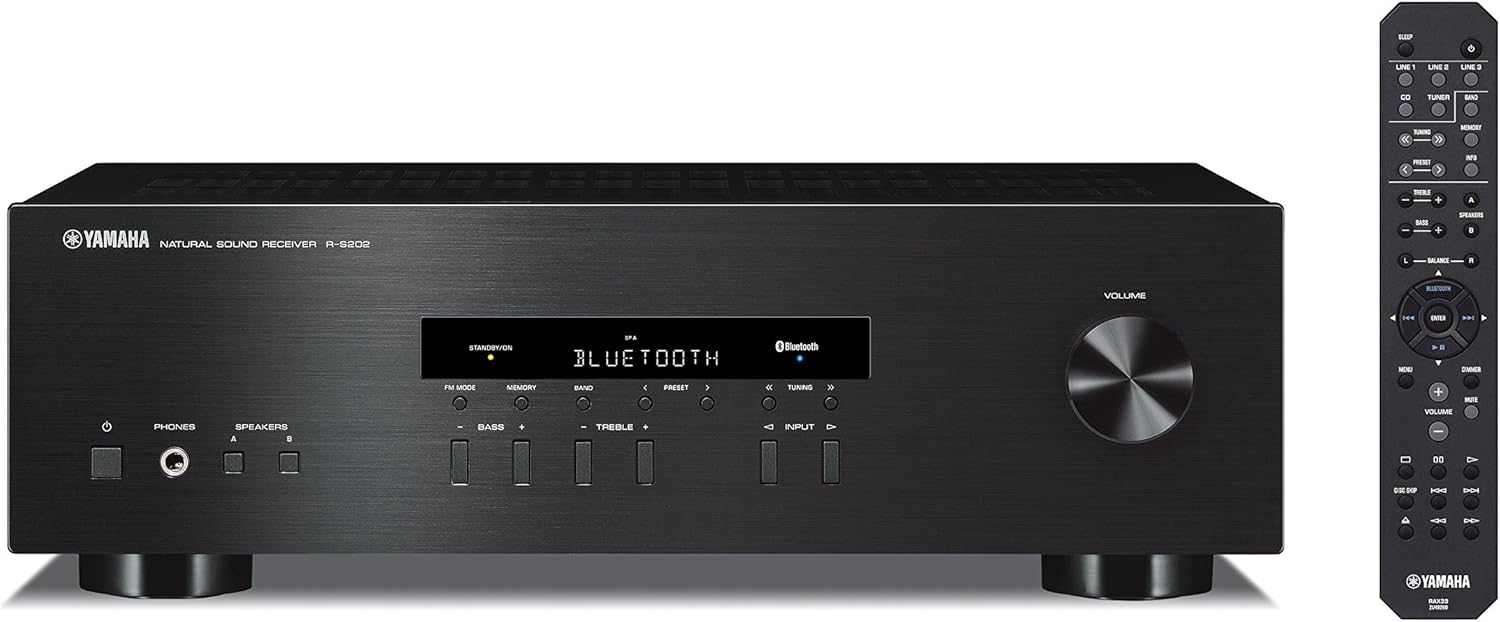 Yamaha R-S202BL Stereo Receiver with Bluetooth |
9.8/10 | View on Amazon.com | |
| 30% OFF |
 Pyle PP999 Phono Turntable Preamp |
9.4/10 | View on Amazon.com |
Prices and discounts as of Nov 23, 2026 and may have changed. Check Amazon for the current price.
Pros
- Excellent sound clarity with balanced highs, mids, and bass across all input sources
- Phono input eliminates the need for a separate turntable preamp, saving money and desk space
- Bluetooth connection is quick to pair and remains stable during extended listening sessions
- Compact low-profile design fits standard AV furniture without any awkward modifications
- Highly rated by a large number of verified buyers, reflecting consistent real-world reliability
Cons
- Maximum volume output may feel limited for larger rooms or listeners who prefer concert-level loudness
- 2-channel stereo only, so it is not suitable for home theater surround sound setups
- No digital optical or coaxial inputs, which may frustrate users wanting to connect modern TVs or DACs directly
The Sony STRDH190 is a 2-channel home stereo receiver designed for music lovers who want a clean, capable hub for multiple audio sources. Whether you are spinning vinyl, streaming from a phone, or tuning into FM radio, this receiver handles it all in one compact unit. It is particularly well suited to first-time stereo system builders and returning audiophiles who value simplicity over complexity.
Sound performance is the STRDH190's strongest suit. With 100 watts per channel and Sony's large-capacity power transformer, the receiver delivers a composed, detailed soundstage with crisp highs and solid bass. Customer feedback consistently praises its clarity at moderate to high volumes, and High-Resolution Audio support means the unit can resolve fine details that compressed streaming formats often obscure.
The feature set is thoughtfully chosen for its target audience. The built-in phono preamp is a genuine convenience for turntable users, while Bluetooth pairing is described by owners as fast and reliable. The A/B speaker switching is a practical bonus, allowing two pairs of speakers to run simultaneously or independently for multi-room flexibility. A full-size headphone jack and 30-preset FM tuner round out the everyday usability.
On the design side, the STRDH190's low-profile chassis at just over 5 inches tall is a real-world advantage for anyone working with a standard AV cabinet. Build quality feels solid for the price point, and the included remote adds a layer of convenience that budget receivers often skip. The unit weighs 17 pounds, which speaks to the substantial internal components rather than hollow construction.
The main limitations are its 2-channel-only configuration, which rules it out for surround sound duties, and a lack of digital inputs for users wanting to connect a TV or external DAC. Volume headroom in very large rooms can also feel modest. That said, for a stereo-focused listener who values vinyl, Bluetooth, and clean audio in one tidy package, the STRDH190 is a genuinely impressive and well-rounded receiver.
Model: Sony STRDH190 | Color: Black | Channels: 2 (Stereo) | Output Power: 100W x 2 (8 ohms, 1 kHz) | Total Wattage: 200W
Speaker Impedance: 6 to 16 ohms | Inputs: Phono input, 4x stereo RCA, 3.5mm aux | Outputs: Stereo RCA, A/B speaker terminals, 1/4-inch headphone jack
Wireless: Bluetooth (2.4 GHz, max output 5.0 dBm) | FM Tuner: 30 station presets | Audio Format: WMA, High-Resolution Audio
Dimensions: 11"D x 17"W x 5.2"H | Weight: 17.1 lbs | Power: AC 120V, 60 Hz | Warranty: 1 year limited
In the Box: Receiver, remote control (RMT-AA400U), batteries, FM antenna | ASIN: B078WFDR8D | UPC: 027242908383
If you are shopping for your first stereo receiver, the STRDH190 is one of the most complete entry-level options available. It covers all the essential bases: Bluetooth streaming, FM radio, a phono stage for turntables, and enough inputs for a CD player, TV audio output, and more. You will not need to buy a separate phono preamp, which keeps your total system cost down.
Pairing advice: this receiver works best with bookshelf or floor-standing speakers rated between 6 and 16 ohms. Popular matches noted by owners include Yamaha bookshelf speakers and classic Bose 301s. For turntable users, Sony's own PS-LX310BT is a frequently recommended companion that integrates seamlessly with the STRDH190's phono input.
Consider your room size before purchasing. The 100-watt-per-channel rating is more than adequate for small to medium rooms, but listeners in large open-plan spaces who prefer very high volume levels may eventually want to step up to a higher-powered model. For most living rooms and dedicated listening spaces, however, the power on offer is genuinely sufficient.
This receiver is not the right choice if you need surround sound for a home theater setup, or if you want to connect a modern TV via optical or coaxial digital audio. For those use cases, a dedicated AV receiver would be a better fit. But as a pure stereo music receiver with broad source compatibility, the STRDH190 is hard to beat at its price point.
Pros
- Trusted Yamaha build quality with a solid 14.8-pound chassis that feels premium and durable
- Bluetooth 4.1 + EDR provides reliable wireless streaming from smartphones, tablets, and other compatible devices
- Dual speaker selector allows connection of two speaker systems for versatile listening setups
- Wide 10 Hz to 100 kHz frequency response delivers exceptional audio fidelity beyond typical receiver ranges
- Included remote control and intuitive layout make daily operation simple and convenient
Cons
- No HDMI ARC or digital optical inputs, which may limit integration with modern TVs and home theater setups
- At 2 channels only, it is not suitable for users looking to build a surround sound or multi-channel home theater system
The Yamaha R-S202BL is a 2-channel stereo receiver designed for music lovers who want straightforward, high-quality audio performance without the complexity of a full home theater system. Rated at 100 watts of output power and built around Yamaha's Natural Sound philosophy, it targets both entry-level audiophiles and everyday listeners who value reliability and clean sound reproduction.
The standout feature is its Bluetooth 4.1 + EDR connectivity, which allows seamless wireless streaming from smartphones, tablets, and other devices. Paired with a wide frequency response of 10 Hz to 100 kHz, the R-S202BL reproduces audio with impressive detail and accuracy. The built-in 40-station FM/AM preset tuner adds traditional broadcast radio support, making this receiver a genuinely versatile audio hub for the living room or dedicated listening space.
In terms of design, the R-S202BL sports a brushed aluminum finish with a clean, minimalist front panel that looks premium and timeless. At 14.8 pounds, the chassis feels substantial and well-built, consistent with Yamaha's reputation for durable construction. The compact 15 x 20 x 8-inch footprint means it fits neatly into most AV furniture without dominating the space.
On the downside, the receiver lacks digital inputs such as optical or coaxial, and there is no HDMI connectivity for direct TV integration despite the spec sheet listing HDMI as a connector type. Users building a modern home theater setup may find the input options limiting. Additionally, being a 2-channel unit, it is strictly a stereo receiver and does not support surround sound configurations.
Overall, the Yamaha R-S202BL is a compelling choice for anyone who wants a reliable, great-sounding stereo receiver with the convenience of Bluetooth streaming and traditional tuner functionality. It earns its strong reputation through solid build quality, wide frequency performance, and the trusted Yamaha name, making it a smart buy for music-focused listeners on a reasonable budget.
Model: Yamaha R-S202BL | Color: Black | Output Power: 100 Watts | Channels: 2.0 Stereo
Frequency Response: 10 Hz to 100 kHz (0 +/- 0.5 dB / 0 +/- 3.0 dB) | Input Sensitivity (CD): 500 mV / 47k Ohms | Audio Encoding: Stereo, WMA
Wireless: Bluetooth 4.1 + EDR | Compatible Devices: Smartphone, Tablet, Speaker, Television, Game Console | Tuner: FM/AM with 40 preset stations
Speaker Systems: Dual speaker selector with A/B output terminals | Headphone Terminal: Yes | Remote Control: Included
Dimensions: 20 inches D x 15 inches W x 8 inches H | Weight: 14.8 pounds | Warranty: 1-year manufacturer warranty | UPC: 027108954103
If you are shopping for your first stereo receiver or upgrading from a basic all-in-one system, the Yamaha R-S202BL offers an excellent balance of performance, features, and value. It is best suited for dedicated stereo music listening rather than home theater use, so consider your primary use case before purchasing.
For speaker pairing, the R-S202BL works well with bookshelf or floor-standing speakers rated between 6 and 16 ohms. With 100 watts of output power, it can drive moderately sensitive speakers in small to medium-sized rooms with ease. Avoid pairing it with very inefficient or power-hungry speakers that require more than 100 watts to perform well.
The Bluetooth feature makes this receiver especially appealing for users who stream music from services like Spotify, Apple Music, or Amazon Music. Since it supports Bluetooth 4.1 + EDR, you can expect a stable wireless connection with minimal dropout from most modern smartphones and tablets within a typical room distance.
Keep in mind that the R-S202BL does not include digital audio inputs, so if you plan to connect a TV, gaming console, or media player via optical or coaxial cable, you will need to use analog RCA connections instead. For users who only need stereo music playback from analog and Bluetooth sources, this limitation is unlikely to matter. It is a focused, well-executed stereo receiver that does exactly what it promises.
Pros
- Exceptional value for budget-conscious vinyl listeners and casual turntable users
- No audible hum or interference when positioned near the turntable source
- Works reliably with a wide range of turntables and audio equipment combinations
- Simple installation with no technical knowledge required
- Proven durability with over 20 years of market availability and thousands of satisfied users
Cons
- Not suitable for high-end audiophile setups or expensive turntables that deserve better matching components
- Output level may require higher volume settings on some receivers compared to other line-level sources
- Limited to magnetic cartridge compatibility, not compatible with moving coil pickups
The Pyle PP999 is a straightforward phono preamp designed for vinyl enthusiasts on a budget. It solves a common problem for anyone who has inherited or purchased a turntable without a built-in preamp and wants to connect it to modern audio equipment. This preamp is ideal for casual listeners, students, and those just getting into vinyl without wanting to commit significant funds upfront.
The core function of the PP999 is converting weak phono-level signals from a turntable's cartridge into standard line-level signals that modern amplifiers and receivers can process. The preamp handles magnetic pickups with 3mV input sensitivity and delivers a 2V maximum output. Users consistently report clean signal conversion with no noticeable hum or noise interference, especially when the unit is positioned close to the turntable. The low-noise audio operational amplifiers deliver reliable performance for the price point.
Build quality reflects its budget positioning. The compact plastic enclosure measures just 8.25 x 4 x 2 inches and weighs 8.8 ounces, making it easy to position near your turntable. The RCA connectors are solid, and the ground wire connection is straightforward. Setup takes minutes with no special tools or technical knowledge required. The 12V DC power adapter provides stable operation, and the unit runs quietly in the background.
The main limitation is that this preamp targets entry-level users, not audiophiles. While it performs its basic function well, it won't match the sound quality of preamps costing three to five times more. Some users note that output levels may require higher volume settings than other line inputs on their receivers. However, this actually provides flexibility if you want to add external components later.
The Pyle PP999 deserves recognition as an excellent gateway product for vinyl. It removes the barrier to entry for people curious about turntables and vinyl records without requiring a large investment. For its intended audience, it delivers dependable, hassle-free performance that makes vinyl listening accessible and enjoyable.
Physical Specifications
Dimensions: 8.25 x 4 x 2 inches
Weight: 8.8 ounces
Color: Black
Audio Specifications
Input Sensitivity: 3mV at 50K ohms
Output Level: 2V max (p-p) at 10K ohms
Compatibility: Magnetic cartridges only
Signal Type: Stereo RCA
Connectivity
Inputs: Stereo RCA (left/right) plus ground connection
Outputs: Stereo RCA (left/right)
Power: 12V DC adapter (included)
Product Details
Model Number: PP999
Brand: PyleUSA
Manufacturer: Sound Around Inc.
First Available: October 2, 2001
Who Should Buy This Preamp
The Pyle PP999 is perfect for you if you have recently acquired a turntable without a built-in preamp and want to connect it to modern receivers, powered speakers, or audio interfaces. It's ideal for vinyl newcomers exploring the hobby, students setting up dorm room audio, and anyone looking for an affordable way to revive a vintage turntable. Budget-conscious listeners who want to keep their total system investment low will appreciate this option.
Who Should Look Elsewhere
If you own a high-quality turntable with an expensive cartridge or consider yourself an audiophile, invest in a better preamp that matches your equipment's quality level. Similarly, if your turntable uses a moving coil cartridge instead of a magnetic cartridge, this preamp won't work for you. Those seeking precise sound shaping or tone control features should explore more advanced preamps.
Installation Tips
Position the preamp as close as possible to your turntable to minimize cable runs and reduce potential noise interference. Connect the turntable's RCA cables to the preamp inputs and attach the ground wire from your turntable to the ground terminal. Then connect the preamp's RCA outputs to your receiver or powered speakers. Plug in the 12V adapter and you're ready to play. Always ensure your receiver or amplifier is powered off before making connections.
Getting the Best Results
Set your receiver's input level to match other line-level inputs like CD or aux. You may need to adjust volume slightly higher than other sources, which is normal. If you experience hum, double-check that the ground connection is secure and that the preamp isn't positioned near electrical interference sources. The preamp performs best when your turntable and cartridge are in good working condition.
Choosing the Right Turntable for Your Amplifier
Drive Type: Direct-Drive vs. Belt-Drive
Your choice between direct-drive and belt-drive significantly impacts performance and feel. Direct-drive turntables, like the Audio-Technica AT-LP120XUSB-BK Direct-Drive, have the motor connected directly to the platter. This design offers exceptional torque, precise speed stability, and is ideal for DJing or quick start-up.
Belt-drive models, such as the Audio-Technica AT-LP60X-BK Fully Automatic, use an elastic belt to connect the motor and platter. The belt acts as a filter, reducing motor noise and vibration that could be amplified through your system. This often results in a quieter background, letting the musical details shine through on sensitive setups with high-quality passive speakers.
Built-in vs. External Phono Preamplification
A turntable’s signal is too weak for a standard amplifier input and requires equalization. A phono preamp boosts this signal to line level. Many modern turntables include a built-in switchable preamp for convenience, allowing direct connection to any auxiliary input.
For the best sound quality, using an external phono stage is recommended. Dedicated units like the Fosi Audio Box X2 Phono Preamp or the classic Pyle Phono Turntable Preamp often provide superior circuitry and less noise. This separates the delicate phono signal from the turntable’s internal electronics, yielding a cleaner audio path to your amplifier.
Amplifier Inputs and Connectivity
Verify your amplifier’s available inputs. A dedicated ‘PHONO’ input has a built-in preamp and RIAA equalization. If your amp lacks this, you must use a turntable with a built-in preamp or add an external one, connecting it to a ‘LINE’ or ‘AUX’ input. Modern stereo receivers like the Sony STRDH190 simplify this with dedicated phono inputs.
Consider future expansion. Compact class-D amplifiers like the Fosi Audio BT20A offer Bluetooth and basic RCA inputs, perfect for minimalist systems. For multi-source setups with TVs and digital audio, feature-packed receivers like the Donner Stereo Audio Amplifier provide optical, coaxial, and phono inputs in one unit. Explore more about system building in our turntables category.
Tonearm and Cartridge Compatibility
The tonearm and cartridge are the turntable’s voice, directly tracing the record groove. A well-designed, balanced tonearm with adjustable counterweight and anti-skate ensures proper tracking force and minimizes wear on your records. This preserves both your vinyl and sound fidelity over time.
Most turntables come with a good quality moving magnet (MM) cartridge pre-installed. However, ensuring your chosen model allows for cartridge upgrades is wise for future audio improvements. A better cartridge can reveal nuances in your music that your stereo amplifier will faithfully reproduce. For related components, our guide on amplifiers provides further context.
Final Thoughts
The journey to perfect vinyl sound starts with a harmonious pairing between your turntable and amplifier. For the enthusiast seeking pro-grade control and direct-drive precision, the Audio-Technica AT-LP120XUSB-BK Direct-Drive is a standout choice that grows with your system. If your priority is effortless listening with modern wireless convenience, the fully automatic operation and Bluetooth of the Audio-Technica AT-LP60XBT-BK Fully Automatic make it incredibly user-friendly. Remember to assess your need for a phono preamp, and consider browsing our selection of turntable accessories to complete your setup for years of listening pleasure.
Frequently Asked Questions
Can I connect any turntable directly to a stereo amplifier?
Not directly. You need a phono preamplifier to boost the turntable’s signal to a standard line level. This can be built into the turntable itself, integrated into your amplifier (via a ‘PHONO’ input), or be a separate external unit. Always check the inputs on your specific amplifier model.
What is the difference between a stereo amplifier and a receiver?
A stereo amplifier focuses solely on powering speakers and processing audio inputs. A receiver, like the YAMAHA R-S202BL Stereo Receiver, includes an amplifier but also has a built-in radio tuner (and often additional features like Bluetooth or multi-room audio). Both can work with turntables if they have the correct inputs.
Do I need a special turntable for a high-power amplifier?
The turntable’s output is a low-level signal, so amplifier power isn’t the primary concern. The critical link is the phono preamp stage. A high-quality preamp, whether in the turntable or external, ensures a clean, strong signal for your amplifier to work with, regardless of its wattage.
How do I reduce hum or noise from my turntable setup?
Ground loop hum is common. First, ensure the turntable’s ground wire is securely connected to the amplifier’s or preamp’s grounding post. Use quality shielded RCA cables and keep power cables away from audio cables. If using an external preamp, position it close to the turntable. Persistent noise may require further troubleshooting of individual components.




Write Your Review
No reviews yet. Be the first to share your experience!