

You’ve assembled a solid collection of audio gear: a turntable, a streaming device, maybe a vintage preamp. Yet, connecting it all to a powerful, clear-sounding amplifier feels like a puzzle. The challenge isn’t just about power, it’s about compatibility. You need a central hub with the right connections, specifically line-level inputs, to bring your diverse sources together without signal degradation.
This guide is for the audio enthusiast looking to upgrade their system’s core. We focus on amplifiers that excel at accepting standard RCA line-level signals, a feature crucial for integrating everything from CD players to phono stages. After a thorough evaluation, we’ve identified two standout models that master this connectivity while delivering exceptional sound quality. Let’s get started.
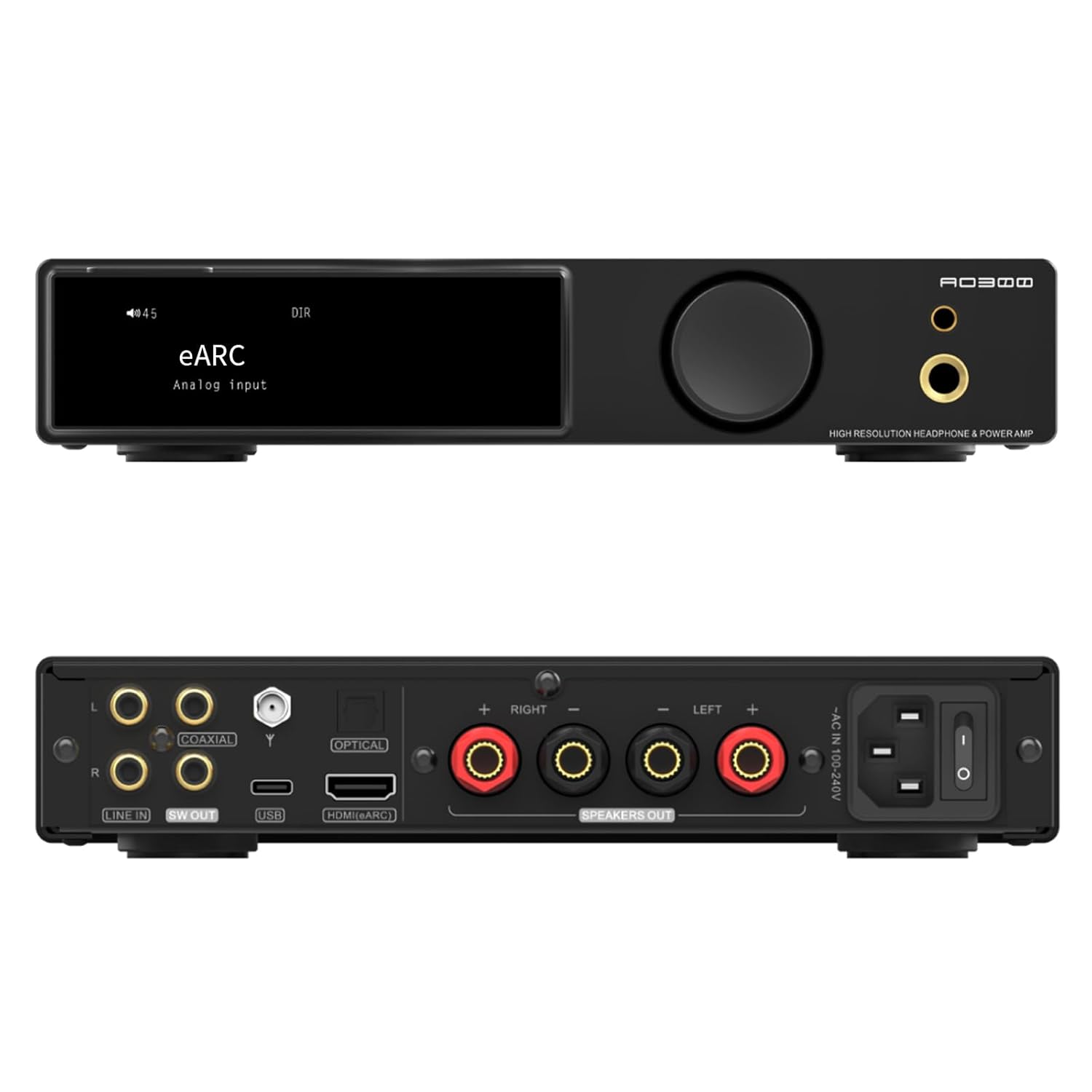
Pros
- Exceptional sound quality with crystal-clear audio output on both headphone and speaker channels
- Compact design packs 165W of power without distortion, easily driving bookshelf speakers and high-impedance systems
- Versatile connectivity and integrated DAC eliminate cable clutter and component switching hassles
- Comprehensive control options via physical knob and full-function remote for convenient operation
- Professional-grade audio components (CS43131 DAC, MA5332MS amplifier) at entry-level pricing
Cons
- Menu navigation requires multiple knob presses to switch between headphone and speaker outputs without remote
- Display design appears basic and outdated compared to modern audio equipment aesthetics
- User manual includes incomplete translations for some EQ settings and features
The SMSL AO300 PRO is a comprehensive all-in-one solution for audiophiles and music enthusiasts seeking professional-quality audio without the complexity of separate components. This integrated DAC amplifier combines premium decoding capabilities with powerful amplification, making it ideal for desktop setups, home theater systems, and anyone transitioning from basic PC audio to serious listening.
What sets this unit apart is its impressive technical foundation and real-world performance. The CS43131 DAC chip with XMOS XU-316 interface handles demanding hi-res formats including PCM 32bit/768kHz, DSD256, and full USB MQA decoding. The MA5332MS power amplifier delivers 165W at 4 ohms with an incredibly low 0.003% distortion rating, meaning you get both power and precision. Users consistently report crystal-clear headphone output and speakers that play loud without audible distortion, even with demanding music genres.
Build quality reflects its professional audio heritage. The compact chassis houses sophisticated audio components while remaining approachable for desktop environments. Connectivity is extensive with USB, optical, coaxial, and RCA inputs plus balanced 4.4mm and standard 6.35mm headphone outputs. The physical control knob combined with a full-function remote provides flexibility, though menu navigation requires multiple steps without the remote. Eight EQ modes and five filter options allow personalization for different listening preferences and music genres.
Minor considerations include a basic display design and incomplete user manual translations for some settings. The menu system, while functional, requires patience when switching outputs without the remote. These are minor trade-offs given the audio performance and feature set at this price point.
The SMSL AO300 PRO delivers exceptional value for anyone seeking integrated hi-fi audio with modern connectivity, hi-res support, and genuine amplification power. It successfully bridges entry-level and professional audio worlds, making it a recommended choice for upgrading from standard computer or TV audio.
Audio Decoding: CS43131 DAC chip, XMOS XU-316 interface, supports PCM 32bit/768kHz, DSD256, USB MQA
Amplification: MA5332MS Class D amplifier, 165W x2 at 4 ohms, 85W x2 at 8 ohms
Volume Control: NJW1194 electronic volume control, 0.003% THD+N
Headphone Outputs: 4.4mm balanced, 6.35mm standard jack
Audio Inputs: USB, optical, coaxial, RCA, HDMI eARC
EQ Modes: 8 modes, 5 filter options
Channels: 2.1 configuration with subwoofer expansion support
Accessories: Remote control, USB cable, power cable, HDMI cable, user manual
Warranty: 1 year
Who Should Buy This: The AO300 PRO is ideal for desktop audio enthusiasts, home theater upgraders, and music lovers seeking integrated solutions. It suits anyone currently using computer or TV speakers wanting significant audio improvement without component complexity.
Best Use Cases: Desktop music listening with headphones or bookshelf speakers, home theater audio enhancement via HDMI eARC, garage or office audio systems, and anyone needing both headphone and speaker amplification from one device.
Comparison Considerations: Unlike separate DAC and amplifier combinations, this unit eliminates cable management and component stacking. The 165W output easily handles most home speaker systems. Hi-res format support via USB and optical makes it future-proof for quality music sources.
Setup Tips: Use the included remote for convenient output switching. Explore the 8 EQ modes to optimize sound for your specific speakers or headphones. Connect via USB for best quality when using a computer as source. HDMI eARC connection works best with CEC-compatible TVs for synchronized control.

Pros
- Exceptional sound quality with powerful, distortion-free amplification across multiple impedance levels
- Premium component selection (ESS DAC, TI TPA3255 chip) delivers superior clarity and dynamic range
- Versatile connectivity with both analog and digital inputs supporting high-resolution formats
- Robust build quality with aluminum chassis and advanced thermal management for long-term reliability
- Perfect match for WiiM ecosystem users seeking a dedicated, high-fidelity power amplifier
Cons
- Power amplifier only, does not include streaming capabilities or built-in music services
- Requires external streaming device or source component for full functionality
- Premium pricing positions it above entry-level amplifier alternatives
The WiiM Vibelink Amp is a dedicated stereo power amplifier designed for serious audio enthusiasts and WiiM ecosystem users seeking to upgrade their passive speaker systems. This compact amplifier targets listeners who value pristine sound quality, high-resolution audio support, and seamless integration with modern streaming platforms.
Performance is where the Vibelink Amp truly shines. The combination of a premium ESS 9039Q2M DAC and TI TPA3255 amplifier chip delivers 100W per channel at 8Ω with virtually no distortion. It supports bit-perfect 192kHz/24-bit playback via optical and coax inputs, preserving every detail in your music collection. The pure analog input path bypasses ADC conversion entirely, allowing analog purists to enjoy their vinyl rips and analog sources with maximum fidelity.
Build quality is exceptional for the price point. The precision-crafted aluminum unibody chassis feels premium and durable, while the advanced thermal management system with copper heat pipes and graphite heatsink keeps temperatures in check during extended listening sessions. The anti-pop noise technology ensures smooth transitions across different sample rates and bit depths, eliminating the annoying clicks that plague lesser amplifiers.
The main consideration is that this is a pure power amplifier without streaming functions. You'll need a WiiM streamer or external source component to feed it music. Additionally, the 60W output via RCA analog input is lower than the 100W available through digital inputs, so digital connectivity maximizes performance. For WiiM streamer owners and those seeking high-fidelity amplification, these minor limitations are easily overlooked.
Verdict: The WiiM Vibelink Amp represents an excellent choice for upgrading passive speakers with high-resolution audio support and exceptional sound quality. Its premium components, robust design, and seamless WiiM integration make it a standout power amplifier for discerning listeners willing to invest in superior audio reproduction.
Power Output: 100W per channel at 8Ω, 200W per channel at 4Ω (digital input), 60W per channel via RCA analog input
DAC: Premium ESS 9039Q2M with PFFB technology
Amplifier Chip: TI TPA3255
Audio Inputs: Pure analog RCA input (no ADC conversion), optical digital input, coax digital input
Maximum Resolution: Bit-perfect 192kHz/24-bit playback via digital inputs
Chassis: Precision-crafted unibody aluminum with copper heat pipe and graphite heatsink
Additional Features: 12V trigger input, auto standby mode, anti-pop noise technology, variable sample rate support
Compatibility: WiiM Mini, Pro, Pro Plus, and Ultra streamers
Who Should Buy: This amplifier is ideal for WiiM ecosystem users with passive speakers seeking high-fidelity sound, audiophiles prioritizing sound quality over convenience, and listeners with existing digital music libraries in FLAC or high-resolution formats.
Who Should Skip: If you need a complete all-in-one solution with streaming capabilities built-in, consider other WiiM devices instead. Budget-conscious buyers or those with powered speakers should also look elsewhere.
Key Considerations: Ensure you have a compatible WiiM streamer or external audio source to feed the amplifier. For maximum performance, use optical or coax digital inputs rather than analog RCA connections. Verify your passive speakers' impedance rating matches the amplifier's specifications for optimal power delivery.
Real-World Use: Pair this amplifier with a WiiM Pro Plus for a complete high-resolution streaming solution, or connect it to your turntable for vinyl playback with studio-grade amplification. The 12V trigger input enables automatic standby when your source device powers down, saving energy without sacrificing convenience.
Choosing the Right Amplifier with Line-Level Inputs
Power Output and Speaker Compatibility
An amplifier’s wattage rating must match your speakers’ needs. Insufficient power can lead to distortion, while excess is unnecessary. Check your speakers’ nominal impedance, typically 4, 6, or 8 ohms, and sensitivity rating. The best amplifiers for passive speakers provide clean, stable power across this range.
For example, a model like the SMSL AO300 PRO DAC Amplifier offers different power ratings at 4Ω and 8Ω loads. This flexibility ensures it can drive a wide variety of bookshelf and floor-standing speakers with authority, making it a versatile choice for different setups within your home audio ecosystem.
Connectivity and Input Flexibility
The primary purpose of a line-level input is to accept audio signals from sources like CD players, streamers, or preamps. Look for multiple RCA inputs to connect several devices simultaneously. Beyond analog, digital inputs like optical or coaxial provide a clean path from modern TVs and digital transports.
A well-rounded amplifier serves as the heart of your system. The SMSL AO300 PRO includes optical, coaxial, USB, and RCA inputs. This array allows seamless switching between a TV, a computer, and a classic CD player. Such versatility future-proofs your investment and simplifies your audio chain.
Sound Quality and Component Integrity
The quality of internal components directly influences sound reproduction. Key elements include the Digital-to-Analog Converter (DAC) chip and the power amplifier circuitry. A superior DAC ensures precise conversion of digital signals, while robust amplification delivers that signal with low noise and distortion.
Models like the WiiM Vibelink Amp Stereo Amplifier for Passive employ a premium ESS DAC and a TI amplifier chip, a combination known for high dynamic range and clarity. For purists, its direct analog input bypasses all digital conversion, preserving the original signal’s character. This attention to component quality is non-negotiable for critical listening.
Final Thoughts
For those seeking a feature-rich all-in-one solution that excels in digital connectivity and includes a headphone amp, the SMSL AO300 PRO DAC Amplifier is a compelling choice. If your priority is pure, powerful amplification with exceptional analog purity and seamless integration with a streaming ecosystem, the WiiM Vibelink Amp Stereo Amplifier for Passive stands out. Both represent the pinnacle of what modern amplifiers with line-level inputs can offer, ensuring your audio system performs at its absolute best.
Frequently Asked Questions
What is a line-level input on an amplifier?
A line-level input is a standard audio connection, typically via RCA jacks, that accepts a pre-amplified signal from sources like CD players, DACs, or preamplifiers. It’s the most common interface for connecting components in a home audio amplifier system. This differs from a phono input, which is designed for the much lower signal from a turntable cartridge and includes necessary equalization.
Can I connect a subwoofer to an amplifier with only line-level inputs?
Yes, but it depends on the amplifier’s specific features. Many modern amplifiers, like the SMSL AO300 PRO, include a dedicated subwoofer output (often labeled ‘Sub Out’) for 2.1-channel setups. If your amplifier lacks this, you would need a subwoofer with speaker-level inputs, which connect directly from the amplifier’s speaker terminals, or an external line-level crossover.
How do I choose between a digital amplifier and a traditional analog one?
Modern Class D digital amplifiers, like both models reviewed here, offer high efficiency, compact size, and often integrate advanced DACs. They are ideal for users with multiple digital sources. A traditional Class A/B amplifier might be preferred by purists who prioritize a specific ‘analog’ sound signature. Your choice should be guided by your source equipment and sonic preferences, a topic further explored in our guide to HiFi DACs and amps.
Is low latency important for an amplifier used with a TV?
Yes, low latency is critical for audio-visual sync when watching movies or gaming. Audio delay can be very distracting. Amplifiers designed with home theater in mind, or those with dedicated TV inputs like HDMI eARC, often manage this well. For the best experience, look for models verified for low latency performance, especially if this is a primary use case.





Write Your Review
No reviews yet. Be the first to share your experience!