

There’s a unique magic to dropping a needle on a record, an experience that streaming simply can’t replicate. But that magic hinges on the quality of your turntable. The wrong choice can lead to surface noise, skipping, and a disappointing audio experience that doesn’t do your vinyl justice.
Whether you’re building your first hi-fi system or seeking a significant upgrade to your listening room, finding the right model is crucial. This guide is designed to cut through the technical jargon and highlight the best turntables across various needs and budgets, from wireless convenience to audiophile-grade performance.
For more focused recommendations, check out our guides on the best turntables under $150 and best turntables under $100 for entry-level options.
How to Choose Your Ideal Turntable
Drive Type: Belt-Drive vs. Direct-Drive
The motor system is a fundamental choice. Belt-drive turntables use a rubber belt to connect the motor to the platter, which effectively isolates motor noise and vibration for quieter playback. This design is favored by many audiophiles for its potential for superior sound purity.
Direct-drive models have the motor directly attached to the platter, offering instant start-up, exceptional speed stability, and higher torque. This makes them the preferred choice for DJs and scratch artists. Our dedicated guides on best Direct-Drive turntables and best Belt-Drive turntables explore this distinction in greater detail.
Connectivity and Modern Features
Modern turntables offer more than just RCA outputs. Built-in phono preamps are invaluable, allowing you to connect directly to powered speakers or a receiver without a dedicated phono input. Bluetooth connectivity, as seen on several models here, provides wireless freedom to stream vinyl to your favorite speakers or headphones.
USB output is another practical feature for archiving your collection, enabling you to digitize vinyl records to your computer. Consider which of these conveniences align with your existing audio setup and how you plan to listen.
Tonearm, Cartridge, and Platter Quality
These components are the heart of sound reproduction. A well-balanced, low-friction tonearm ensures the stylus tracks the record groove accurately. The cartridge and stylus are critical; a higher-quality elliptical or fine-line stylus can retrieve more detail from the groove with less wear.
The platter’s mass and material affect rotational stability and resonance damping. Heavy, dense platters made of acrylic or die-cast aluminum, like those featured on premium models, reduce unwanted vibrations for clearer, more defined sound. Pairing your turntable with high-quality cables, like pure copper speaker wires, can further preserve signal integrity.
Operation: Manual, Automatic, or Fully Automatic
Your desired level of involvement matters. Fully manual turntables require you to lift and place the tonearm at the record’s start and return it at the end. This offers maximum control and is common on higher-end models favored by enthusiasts.
Automatic or fully automatic models handle the tonearm movement for you with the push of a button. This is a fantastic feature for convenience and can help prevent accidental stylus damage, making it ideal for beginners or casual listening sessions.
Final Thoughts
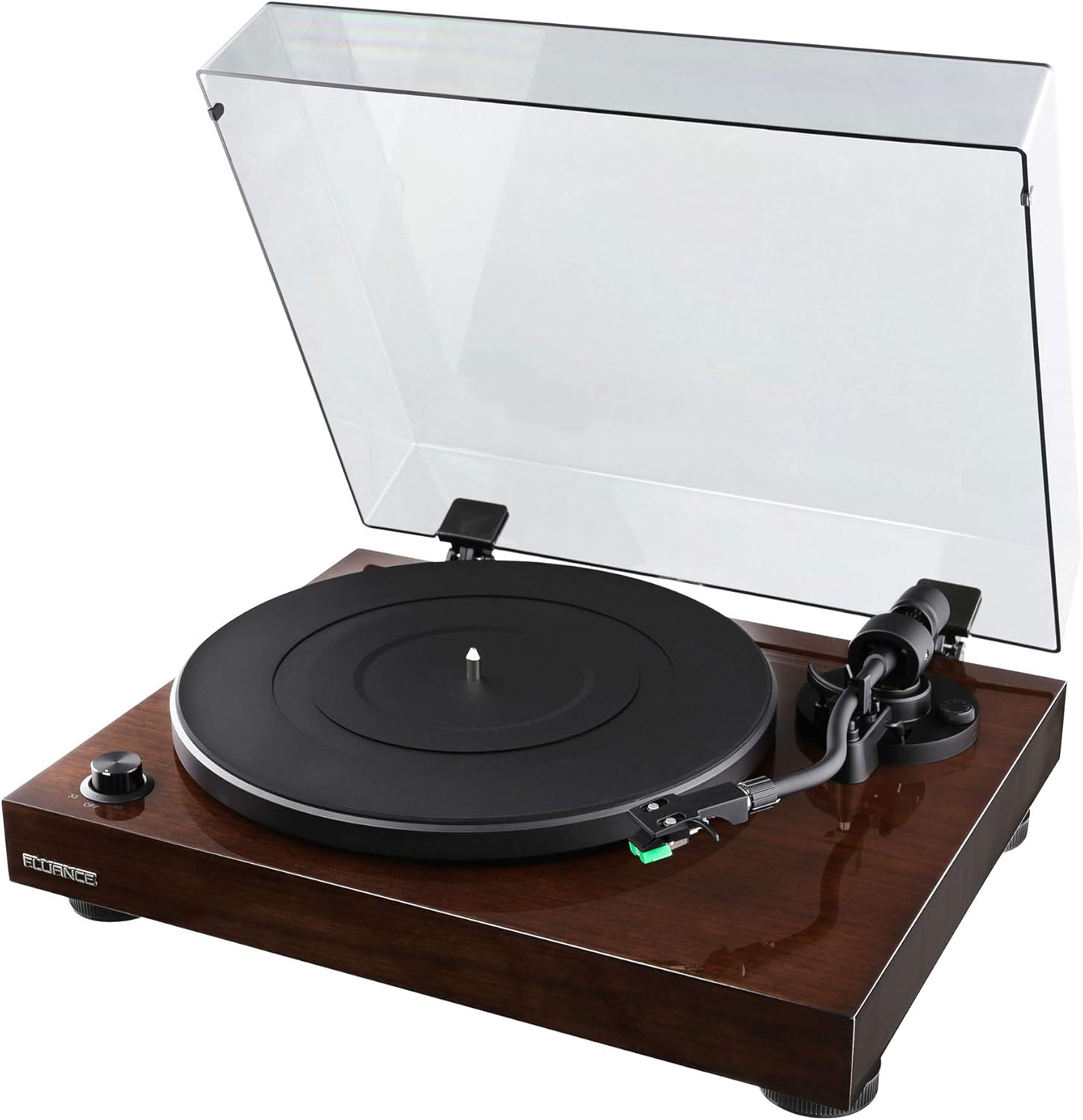
Your journey into vinyl should start with a turntable that matches your listening goals and technical comfort level. For the newcomer seeking a seamless, feature-rich start, the Audio-Technica AT-LP120XUSB-BK Direct-Drive offers legendary reliability with direct-drive performance and useful digitization tools. If your priority is uncompromising sonic fidelity and you’re ready to invest in a component that will be the centerpiece of your system, the meticulous engineering and superb cartridge of the Fluance RT85 Turntable with Ortofon Cartridge deliver a profoundly engaging analog experience. Whichever path you choose, the right turntable will unlock the full warmth and detail of your vinyl collection for years to come.
Frequently Asked Questions
Do I need a separate amplifier or receiver for my turntable?
It depends on your turntable and speakers. Most turntables have a very low-level signal that requires amplification via a phono preamp. If your turntable has a built-in, switchable phono preamp, you can connect it directly to powered speakers or any amplifier’s auxiliary input. Otherwise, you’ll need an external phono preamp or a receiver with a dedicated phono input.
What’s the difference between a turntable and a record player?
While the terms are often used interchangeably, a turntable is typically a component designed as part of a separate audio system, requiring external speakers and amplification. A record player usually has everything built-in, including speakers. The models in our guide are turntables, offering higher sound quality and upgradeability as part of a dedicated hi-fi setup.
Can I play my old 78 RPM records on a modern turntable?
Only if the turntable specifically lists 78 RPM as a supported speed. Many modern models only play 33 1/3 and 45 RPM records. Additionally, playing 78s requires a specialized stylus and often different equalization settings. Always check the turntable’s specifications, like those on our list of the best turntables under $150, to confirm speed compatibility.
How often should I replace the stylus on my turntable?
Stylus life varies based on quality and usage, but a general guideline is to consider replacement after 800 to 1000 hours of play. Signs you may need a new stylus include noticeable distortion, increased surface noise, or skipping that wasn’t present before. Regular replacement protects your valuable vinyl records from excessive groove wear.




Write Your Review
No reviews yet. Be the first to share your experience!