

Your smartphone or laptop has a built-in digital-to-analog converter, but it often leaves much to be desired. You hear compressed audio, lacking the detail and dynamic range your favorite music deserves. The solution is a portable DAC, a device that unlocks true high-fidelity sound from your digital files. For those who value both performance and style, a black portable DAC offers a sleek, professional look that complements any setup.
This guide is for music lovers, commuters, and remote workers seeking an audio upgrade. We have assessed six leading black portable DACs, evaluating their power, features, and real-world usability. Whether you need robust amplification for demanding headphones or a compact dongle for sensitive IEMs, you will find a suitable option here. For more insights on travel-friendly audio gear, explore our guide on the best portable DACs for travel.

Pros
- Exceptional audio quality with natural, balanced sound across all frequencies
- Versatile connectivity options support PC, Mac, phones, tablets, and TVs
- Audiophile-grade components and precision circuit design in a compact form factor
- USB bus-powered design eliminates need for separate power adapter
- Ranked #65 in Digital-Analog Converters category, proving its market credibility
Cons
- Windows users must install drivers for full functionality, adding setup complexity
- New product with no customer reviews yet, limiting real-world user feedback
- Premium pricing for desktop DAC category may be steep for casual listeners
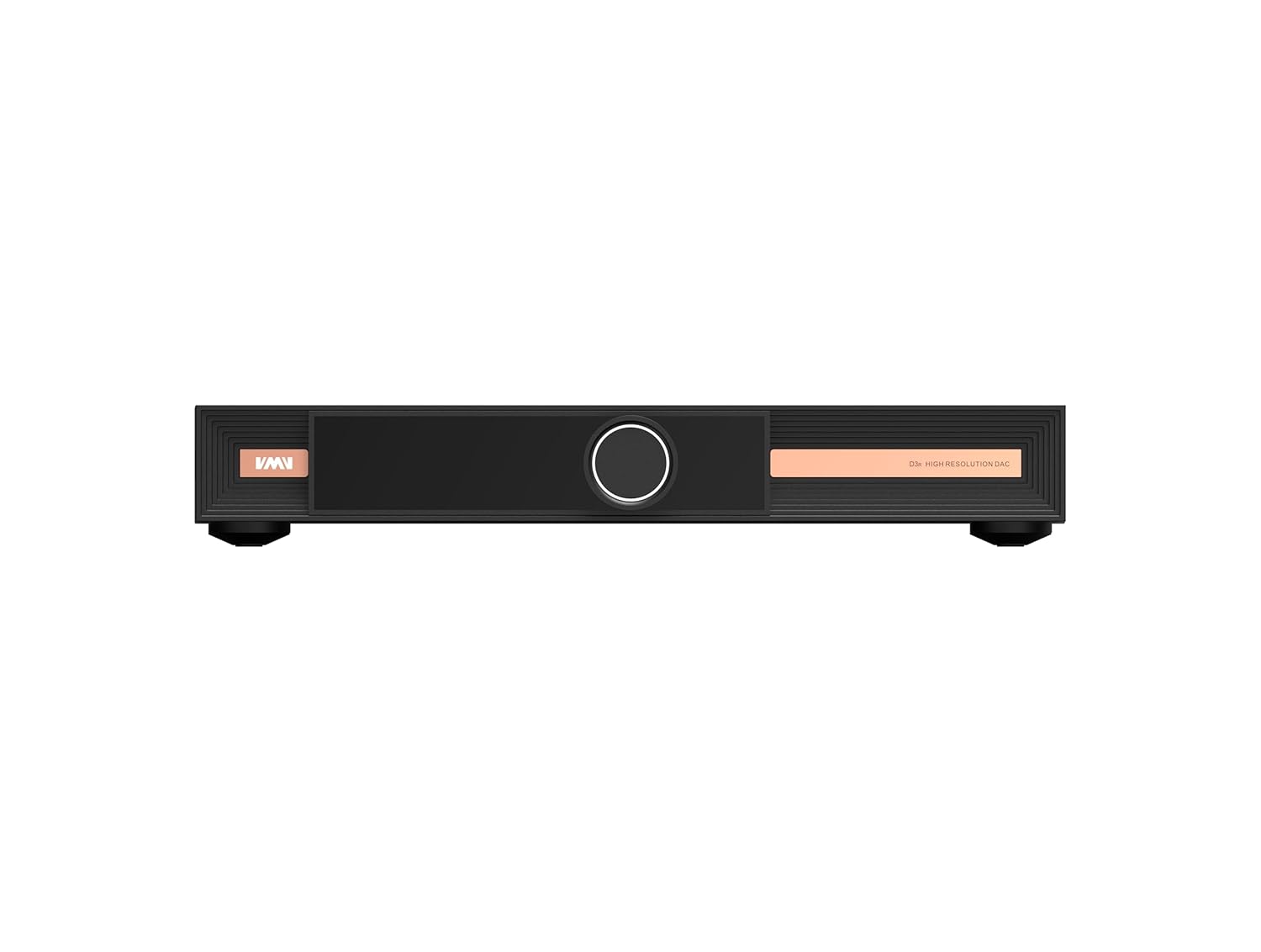
The SMSL D1 is a premium desktop digital-to-analog converter designed for audiophiles, music producers, and discerning listeners who demand high-resolution audio. It's built for anyone with a computer, phone, or tablet who wants to unlock the full potential of their music collection and experience studio-quality sound at home.
The standout feature is the ROHM BD34352EKV DAC chip, which delivers exceptional audio fidelity with a THD+N rating of just 0.00038% and an impressive SNR of 126dB. This translates to clean, detailed sound with minimal distortion and noise. The D1 supports cutting-edge formats including DSD512 and PCM at 32-bit/768kHz, ensuring compatibility with virtually any high-resolution audio file you own.
Build quality is excellent, featuring a CNC-machined aluminum alloy chassis that feels substantial and professional. The touch-control interface is intuitive, and the compact design makes it easy to place on a desk, bookshelf, or audio cabinet without taking up valuable space. The XMOS XU-316 firmware provides flexible multi-input options via USB, optical, and coaxial connections, making it compatible with computers, tablets, TVs, and other audio devices.
One consideration is that Windows users need to install drivers, whereas macOS and Linux systems work plug-and-play. Additionally, as a relatively new product, it lacks customer reviews, so early adopters won't have extensive user feedback to reference. The price point is premium for a desktop DAC, though justified by the high-end components and performance specifications.
The SMSL D1 is an excellent investment for anyone serious about audio quality. It delivers genuine Hi-Res audio performance in a compact, stylish package that integrates seamlessly into any setup. Whether you're a professional audio engineer or an audiophile seeking to elevate your listening experience, this DAC delivers measurable improvements in sound clarity and detail.
Core Audio Specs: DAC Chip: ROHM BD34352EKV, Firmware: XMOS XU-316, THD+N: 0.00038%, SNR: 126dB
Supported Formats: DSD512, PCM 32-bit/768kHz sampling rate
Connectivity: USB, Optical, Coaxial inputs, RCA stereo output
Power Requirements: USB bus-powered (5V DC minimum), no external power adapter needed
Compatibility: Windows, macOS, Linux (Windows requires driver installation)
Design: CNC-machined anodized aluminum alloy chassis, touch-control buttons, compact form factor
Channels: Stereo output, 8-channel internal architecture
Package: Includes USB-A to USB-C data cable
Who Should Buy: PC and Mac users, audiophiles, music producers, professional audio engineers, and anyone seeking high-resolution audio quality. Ideal for desktop listening setups where sound quality is a priority.
Who Might Skip It: Casual listeners on a tight budget, those needing portable solutions, or users unwilling to install drivers on Windows systems.
Setup Considerations: The D1 is plug-and-play on macOS and Linux. Windows users should allow time for driver installation. Connect via USB to your computer or use optical/coaxial inputs from other devices. Power is supplied entirely through the USB connection, eliminating cable clutter.
Pairing Recommendations: Works best with quality headphones or powered speakers capable of handling high-resolution audio. Pair with a good USB cable for optimal performance. Compatible with high-end music players and streaming services that support Hi-Res formats.
How to Choose Your Black Portable DAC
Power Output and Headphone Compatibility
Consider the headphones you plan to drive. Sensitive in-ear monitors need a clean signal with low noise, while full-size planar magnetic headphones demand significant power. Look for specifications like output power in milliwatts and supported impedance ranges. A device with multiple gain settings, like PowerMatch, offers versatility for different loads.
Balanced outputs, typically a 4.4mm or 2.5mm jack, provide more power and a cleaner channel separation than standard 3.5mm single-ended connections. If you own or plan to acquire balanced cables, ensure your chosen DAC supports this feature. For desktop use in a professional setting, a device with robust driving power can also serve well, as discussed in our review of the best desktop DACs for the office.
Audio Codec and Connectivity Support
Your DAC must handle your music library’s formats. High-resolution support for PCM 32-bit/384kHz and DSD256 is common in modern devices. Some models also decode MQA files, which are popular on streaming services like Tidal. Verify the supported sample rates to ensure bit-perfect playback of your highest-quality files.
Connectivity determines where you can use the DAC. A USB-C input is essential for modern phones and laptops. Some units offer separate ports for data and charging, allowing you to power the device independently. For gaming or home theater integration, optical or coaxial inputs are valuable, a feature highlighted in our list of the best desktop DACs for gaming.
Form Factor and Build Quality
Portability means different things to different users. A pocket-sized dongle DAC is ideal for minimalist daily carry, while a larger device with a built-in battery suits extended listening sessions away from a power source. The build material, often aluminum alloy, affects durability and helps shield against electromagnetic interference.
A sturdy chassis not only protects internal components but also lends a premium feel. The matte black finish on many models resists fingerprints and scratches. If you appreciate this aesthetic in other components, you might also like the options in our guide to the best silver DACs for a contrasting look.
Extra Features and Customization
Advanced features can tailor the sound to your preference. Parametric equalizers, either hardware-based or app-controlled, let you adjust frequency response precisely. Physical bass and treble knobs offer immediate, tactile control. Some DACs include microphone passthrough and call support, making them practical for communication.
Consider long-term flexibility. A browser-based EQ that saves profiles directly to the device is incredibly convenient. Features like dual DAC chips for improved signal processing or a high-performance ROHM chipset indicate a focus on audio purity. These design philosophies often align with those found in the best desktop DAC-AMPs with aluminum chassis.
Final Thoughts
Selecting the right black portable DAC enhances your listening experience by revealing the full texture and depth of your music. For users seeking maximum power and format support in a robust package, the iFi Hip-dac 3 Portable USB DAC Headphone Amplifier is an excellent choice. If your priority is a feature-rich, budget-friendly option with powerful EQ customization, consider the Protocol Max | Portable DAC-Amplifier with 10-Band. Both represent the pinnacle of portable audio refinement in sleek black designs.
Frequently Asked Questions
Do I need a portable DAC if my phone has a headphone jack?
Yes, a dedicated portable DAC typically provides a significant upgrade. It uses higher-quality components than those found in phones, resulting in lower distortion, a wider dynamic range, and more power to drive demanding headphones properly. You will notice clearer vocals, more defined bass, and a more immersive soundstage.
What is the difference between a single-ended and a balanced output?
A single-ended output uses a common ground for both audio channels, while a balanced output uses separate grounds. This design reduces crosstalk and noise, allowing for more power delivery and improved channel separation. You need headphones with a compatible balanced cable to use this feature, but the audio improvement is often noticeable.
Can a portable DAC improve gaming audio on a laptop?
Absolutely. A portable DAC bypasses your laptop’s often noisy internal sound card. It provides cleaner audio amplification, which can help with spatial awareness in competitive games by delivering more precise positional cues. The lower latency and higher fidelity also make cinematic games more immersive. This is a key reason many gamers opt for external DACs.
How do I know if a DAC is compatible with my iPhone or Android device?
Check for USB-C or Lightning connectivity. Most modern portable DACs use USB-C, which works directly with many Android phones, iPads, and laptops. For iPhones, you may need a Lightning to USB-C camera adapter. The product description should list compatible operating systems, and most units reviewed here work seamlessly with iOS and Android.




Write Your Review
No reviews yet. Be the first to share your experience!