

You’re mid-run, favorite song on, but you need to hear that approaching cyclist or a fellow runner’s call. Traditional earbuds fail here. They isolate you, which can be unsafe. This is where bone conduction technology shines. It delivers sound through your cheekbones, leaving your ears open. You stay immersed in your audio while fully aware of your environment.
Finding quality gear on a budget is a common challenge. High-end audio brands often carry premium price tags. Fortunately, several innovative manufacturers now offer excellent value. This guide focuses on verified, high-performing bone conduction headphones that won’t break the bank. Whether you’re a commuter, gym enthusiast, or outdoor adventurer, there’s an option here for you.
| Pick | Product | BRD Score | Where to buy |
|---|---|---|---|
| Top Pick |
 CXK Bone Conduction Bluetooth 6.0 Open Ear |
9.9/10 | View on Amazon.com |
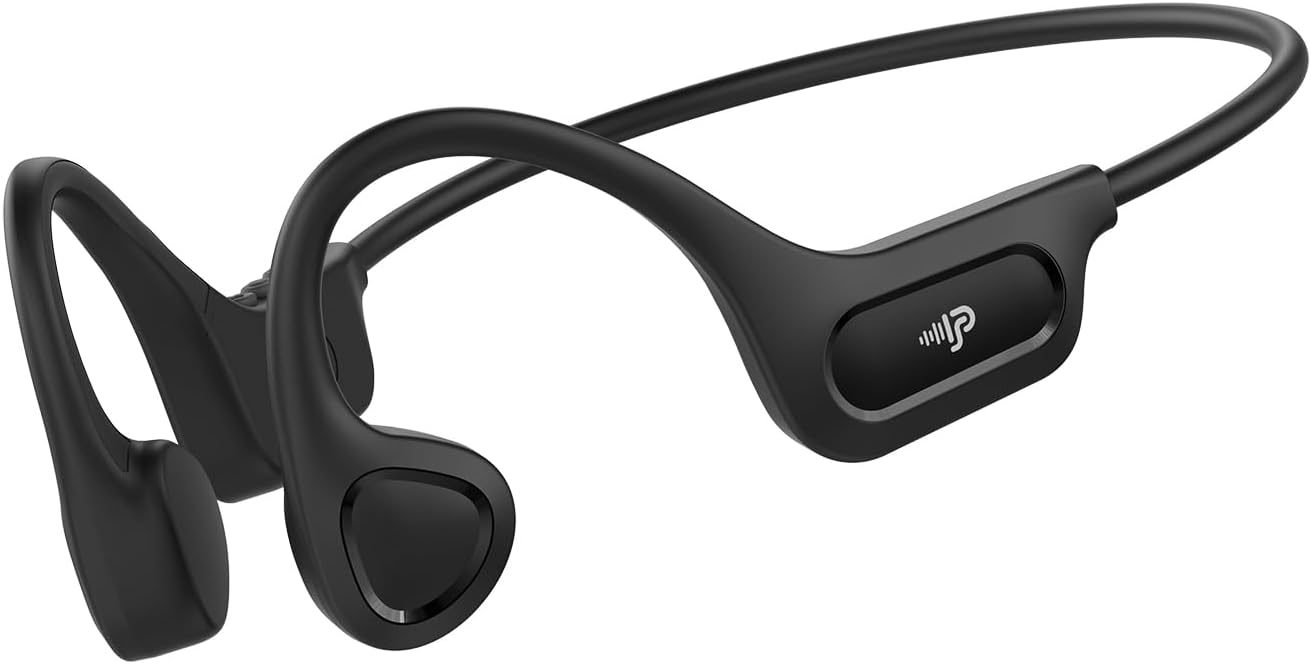 PSIER X12 Bone Conduction Headphones |
9.4/10 | View on Amazon.com |
Pros
- Bone conduction design keeps ears open for traffic awareness and ambient sound during outdoor activities
- Exceptional battery longevity at 10 hours per charge with quick 2-hour recharge time
- Lightweight titanium construction stays secure during running, cycling, and gym workouts
- Dual device pairing capability makes switching between phone and tablet seamless
- Outstanding value at the price point with solid build quality and reliable performance
Cons
- Not suitable for swimming despite IPX7 waterproof rating, limiting water sports use
- Bone conduction technology may not appeal to users preferring traditional in-ear audio isolation
- No active noise cancellation, making them less ideal for loud commutes or office environments
The CXK X16 bone conduction headphones represent a smart choice for active individuals who refuse to compromise between audio quality and situational awareness. These wireless earbuds use bone conduction technology to transmit sound through your bones while keeping your ears completely open, making them perfect for runners, cyclists, commuters, and anyone who needs to stay alert to their surroundings.
Performance is where these headphones truly shine. The Bluetooth 6.0 connectivity ensures fast pairing and stable connections up to 33 feet away, while the 12mm bone conduction drivers deliver surprisingly rich, clear sound with balanced audio across frequencies. The built-in microphone handles phone calls with impressive clarity, and the dual device pairing feature lets you effortlessly switch between your phone and tablet without manual reconnection.
Design and comfort are exceptional for all-day wear. Weighing just 28 grams with a flexible titanium alloy frame, these headphones wrap securely around your ears without creating pressure points or listening fatigue. The wraparound design stays stable through intense workouts, and the open-ear structure means zero ear canal blockage compared to traditional earbuds. The IPX7 waterproof rating protects against sweat and rain during outdoor training sessions.
Battery performance is genuinely impressive, delivering up to 10 hours of continuous playback on a single charge. The magnetic charging cable fully recharges the headphones in approximately 2 hours, keeping downtime minimal. The included Boean App adds versatility by allowing you to create AI-generated music and customize EQ settings with genre-specific sound profiles for a more personalized listening experience.
The main limitation is that these headphones are not suitable for swimming, despite the IPX7 rating. Additionally, users who prefer complete audio isolation or active noise cancellation should look elsewhere. However, for the price point, the CXK X16 delivers exceptional value with reliable performance, comfortable design, and features that justify the investment for active lifestyle users.
These bone conduction headphones are best suited for active users who prioritize situational awareness and comfort over complete audio isolation. Consider them if you run outdoors, cycle through traffic, hike on trails, or work in environments where you need to hear your surroundings. They excel for phone calls, podcast listening, and music during workouts where staying alert matters.
The open-ear design makes them less ideal for noise-sensitive environments like offices, libraries, or quiet commutes. If you need active noise cancellation or prefer earbuds that seal inside your ears, traditional wireless earbuds may serve you better. However, if ear comfort and awareness are your priorities, the CXK X16 offers unmatched advantages in the bone conduction category at this price.
Compatibility is straightforward. These headphones work with any Bluetooth-enabled device including smartphones, tablets, and computers. The dual device pairing feature means you can connect to two devices simultaneously, making them versatile for multi-device users who frequently switch between devices during the day.
Pros
- Exceptional safety feature for outdoor activities, allowing you to hear traffic, alerts, and surroundings while listening
- Extremely comfortable for extended wear due to minimal weight and open-ear design that eliminates pressure points
- Reliable Bluetooth 6.0 connectivity with stable 33ft range and low latency for music and calls
- Excellent value at this price point with premium features like fast charging and AI-powered EQ customization
- Durable construction with IPX5 waterproofing makes them suitable for any weather condition or intense workout
Cons
- Sound quality does not match premium in-ear or over-ear headphones due to bone conduction technology limitations
- Microphone performance is inconsistent, with some users reporting poor call quality and connectivity drops at distance
- Bluetooth range of 33ft marketing claim appears optimistic, with real-world performance around 10-15 feet through walls
The PSIER X12 bone conduction headphones represent a smart choice for active individuals who refuse to compromise on situational awareness. These open-ear headphones bypass traditional in-ear insertion, instead using bone conduction technology to transmit sound through vibrations on your skull. This design philosophy makes them perfect for runners, cyclists, hikers, and anyone who needs to stay alert to their environment while enjoying music or podcasts.
Performance-wise, the X12 delivers solid audio quality with 13mm bone conduction drivers and 90dB sensitivity that produce crisp highs and detailed mids. The Bluetooth 6.0 connectivity ensures stable pairing with minimal dropouts, and the 60ms low latency is responsive enough for most uses. Battery life reaches an impressive 10 hours at 50% volume, while the 2-hour fast charging keeps downtime minimal. The included Boean App lets you fine-tune sound with customizable EQ settings for different moods and genres, adding personalization to your listening experience.
Build quality shines through the feather-light 23g design paired with a flexible memory-titanium frame that contours to your head shape. The adjustable strap accommodates different head sizes, and the open-ear design keeps your ear canals free from obstruction, preventing fatigue during long wear sessions. IPX5 waterproofing and sweatproof materials mean these headphones handle intense workouts, rain, and sweat without degradation, though they are not suitable for underwater use.
Two notable drawbacks emerge from user feedback. The microphone quality is inconsistent, with some users reporting poor call clarity and occasional connectivity issues at distance. Additionally, while the marketing claims a 33ft Bluetooth range, real-world performance typically maxes out around 10-15 feet, especially through walls or obstacles. Sound quality, while good for bone conduction, does not match premium in-ear or over-ear competitors.
Verdict: The PSIER X12 bone conduction headphones excel for safety-conscious athletes and outdoor enthusiasts who value situational awareness over pristine sound quality. At this price point, they offer excellent value with reliable performance, comfortable all-day wear, and practical features like fast charging and app-based EQ customization. Recommended for running, cycling, hiking, and active lifestyles where hearing your surroundings matters.
General: Brand: PSIER, Model: X12, Color: Matte Black, Weight: 23g, Material: ABS and Titanium Alloy Memory Wire
Audio: Driver Type: Bone Conduction, Driver Size: 13mm, Sensitivity: 90dB, Frequency Range: 20Hz - 20,000Hz, Impedance: 10 ohm, Noise Control: Passive
Connectivity: Bluetooth Version: 6.0, Bluetooth Range: 33ft (10 meters marketing range), Low Latency: 60ms, Control Type: Push Button, Compatible with: Laptops, Desktops, Tablets, Smartphones, Smart Speakers
Battery: Average Life: 10 hours at 50% volume, Charge Time: 2 hours via Type-C, Standby Time: 200 hours
Durability: Water Resistance: IPX5 Waterproof, Sweatproof, Not suitable for underwater use
Included Accessories: Adjustable Strap, Bone Conduction Ear Buds, Earplugs, Type-C Charging Cable, User Manual
Who Should Buy: The PSIER X12 is ideal for runners, cyclists, hikers, outdoor enthusiasts, and fitness professionals who prioritize safety and environmental awareness. They work well for people with ear canal sensitivity or those who find traditional earbuds uncomfortable. Anyone who wants to stay alert to traffic, alerts, or companions while listening will appreciate the open-ear design.
Who Should Skip: If you demand premium sound quality comparable to high-end in-ear or over-ear headphones, these bone conduction headphones may disappoint. Users who require crystal-clear microphone performance for frequent calls should look elsewhere. Those seeking a completely sealed audio experience will find the open-ear design limiting.
Key Considerations: Bone conduction technology feels different from traditional headphones, so expect an adjustment period. Real-world Bluetooth range is shorter than advertised, typically 10-15 feet through walls. The microphone quality is adequate for occasional calls but not ideal for professional use. Consider the Boean App's EQ customization as a significant value-add for personalizing your sound profile.
Price-to-Value Assessment: At approximately $40, the PSIER X12 offers exceptional value with Bluetooth 6.0, 10-hour battery life, IPX5 waterproofing, and app-based customization. Comparable bone conduction competitors often cost significantly more, making these headphones a smart budget-friendly choice for active lifestyles.
Buying Guide: Key Features to Assess
1. Secure Fit and All-Day Comfort
The fit is everything with bone conduction headphones. A poor fit leads to discomfort and sound leakage. Look for flexible frames, often made from memory titanium, that contour to your head. Lightweight designs, ideally under 30 grams, prevent fatigue during long listening sessions. Ergonomic ear hooks or adjustable headbands ensure they stay put during vigorous activity like running or cycling.
Comfort extends to the contact points. Soft silicone pads where the transducers rest against your skin are essential. They should feel secure without excessive pressure. An open-ear design promotes better airflow, reducing sweat buildup and heat. This is a significant advantage over in-ear options, especially for sporty use. For more on comfortable audio solutions, explore our guide to the best open-ear headphones.
2. Audio Quality and Sound Leakage Control
Early bone conduction tech was known for weak bass and tinny sound. Modern drivers, often 13mm or larger, have dramatically improved. They now deliver richer, more balanced audio. However, sound leakage can still be a concern in quiet spaces. Advanced acoustic sealing and enclosed cavity designs help direct vibrations inward. This minimizes what others around you can hear, a key factor for office or public use.
Evaluate the audio profile. Some models prioritize vocal clarity for podcasts and calls. Others focus on deeper bass for music. Certain brands even offer companion apps with customizable EQ settings. This lets you fine-tune the sound to your preference, whether you want boosted bass or crisper highs. The goal is immersive personal audio that doesn’t compromise your situational awareness.
3. Durability and Sweat Resistance
If you’re active, your headphones need to keep up. An IPX rating indicates protection against moisture. IPX5 handles heavy sweat and rain, making it suitable for most runners and gym-goers. For swimming, you need a much higher rating like IPX8, which allows full submersion. Crucially, Bluetooth doesn’t work underwater, so dedicated swim models include internal MP3 storage.
The build quality matters too. A flexible yet robust frame resists deformation from being tossed in a bag. Magnetic charging ports are common and help maintain a waterproof seal by eliminating open ports. For those who push their limits, selecting a model built for your specific activity is vital. You can find more rugged options in our sport and waterproof earbuds category.
4. Battery Life and Connectivity
Long battery life means freedom. For daily use, aim for at least 8-10 hours of continuous playback. This gets you through a workday or several workouts without reaching for the charger. Quick charge features are a bonus, providing hours of use from a short plug-in. Stable Bluetooth connectivity is non-negotiable. Bluetooth 6.0 or newer offers faster pairing, lower latency, and a more reliable connection with fewer drops.
Consider how you’ll use them. Do you need multipoint connectivity to switch between a phone and laptop? Is a dedicated low-latency gaming mode important for syncing audio with video? These advanced features are becoming more common even in budget-friendly models. Reliable tech ensures your headphones are a tool, not a frustration. Learn about different headphone technologies on our main headphones and earbuds page.
Final Thoughts
Upgrading to bone conduction headphones can revolutionize how you listen, especially if you value safety and comfort during activities. Our assessment confirms that excellent options exist without a hefty investment. For the ultimate in awareness and all-day wear, the Ultra Open Ear Headphones offer exceptional ergonomics and sound clarity. Meanwhile, serious swimmers and water sports enthusiasts should look directly at the versatile Bone Conduction Headphones, Swimming Headphones for their true waterproof capability and onboard storage. Whichever you choose, you’re investing in a safer, more immersive way to enjoy your audio every day.
Frequently Asked Questions
Are bone conduction headphones good for your ears?
Yes, they are generally considered safer for ear health. By bypassing the eardrum, they eliminate the risk of hearing damage from high-volume sound directly in the ear canal. The open-ear design also prevents ear fatigue and allows for better airflow, reducing the risk of infections common with in-ear buds during long, sweaty sessions.
Can you wear bone conduction headphones with glasses?
Most models are designed to be compatible with glasses. The transducers sit in front of your ears, while the band goes behind your head. This typically places them below the arms of most eyeglasses. It’s wise to look for lightweight, flexible frames to ensure a comfortable fit with your glasses, avoiding any pinching or pressure points.
How is the sound quality compared to regular headphones?
Sound quality has improved dramatically. While they may not match the deep, immersive bass of premium over-ear noise-canceling headphones, modern bone conduction models deliver clear, balanced, and rich audio. The trade-off for situational awareness is worthwhile for active users. For a deeper dive into open-ear audio, check our review of the best open-ear earbuds.
What is the best use case for bone conduction headphones?
They excel in scenarios where situational awareness is paramount. This includes outdoor running, cycling, hiking, and commuting near traffic. They are also excellent for office environments where you need to hear colleagues or at home where you want to listen to podcasts while monitoring children. Their design makes them a top choice for anyone who needs to stay connected to their surroundings.


Write Your Review
No reviews yet. Be the first to share your experience!