

If you’re serious about sound, you know your computer’s built-in audio is a bottleneck. Whether you’re a music lover craving studio-quality detail, a gamer seeking immersive positional audio, or a content creator needing accurate monitoring, a dedicated desktop DAC is the key. These devices transform digital files into rich, analog signals your headphones and speakers can faithfully reproduce. This guide cuts through the technical jargon to review five standout desktop DACs that deliver exceptional performance without stretching your budget.
We have assessed units from trusted brands like Audioengine and FiiO, as well as compelling offerings from KAIBOER and Fanmusic. Each product brings a unique combination of decoding technology, connectivity, and amplification to the table. To simplify your search, we start with a direct comparison of all five models.
Pros
- Exceptional audio clarity and soundstage with natural, neutral frequency response
- Powerful amplification handles demanding headphones like Focal Elex and Audeze LCD-2 with ease
- Multiple connectivity options including USB Type-C, coaxial, optical, and RCA for any source device
- Excellent build quality with solid metal construction and intuitive interface
- Outstanding value compared to previous generation K7 model and competitors at similar price points
Cons
- Windows users must install drivers for full functionality, whereas Mac users have plug-and-play compatibility
- Heavy weight makes it less suitable for frequent portability despite compact desktop size
- Steep learning curve for first-time DAC users unfamiliar with balanced audio connections and advanced settings
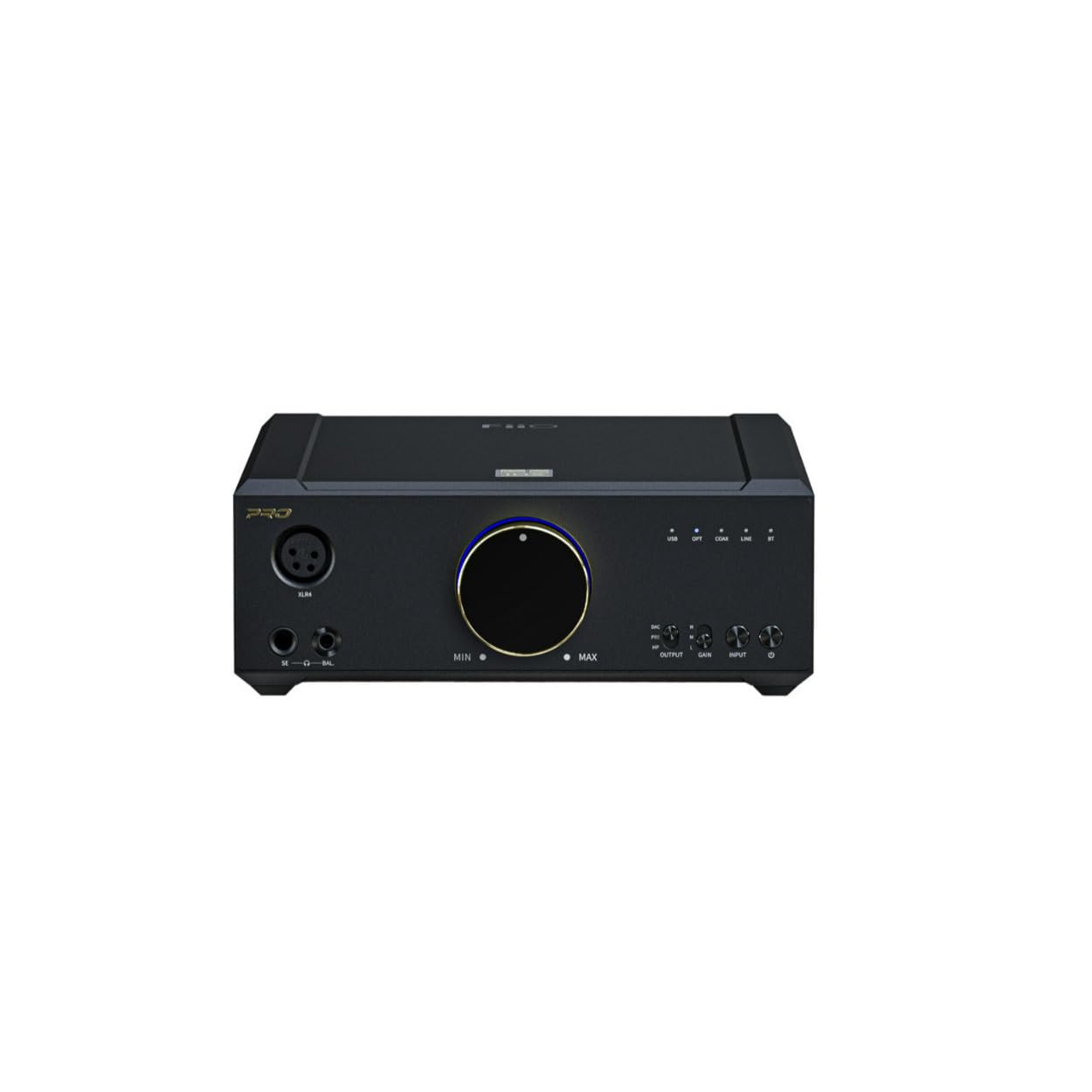
The FiiO K9 Pro ESS is a professional-grade desktop DAC and amplifier designed for serious music listeners, gamers, and content creators who demand transparent, high-fidelity audio. It combines powerful amplification with advanced digital-to-analog conversion in a single compact unit, making it an excellent centerpiece for any desktop audio setup.
The standout feature is the dual ES9038PRO DAC chipset, which handles up to 384kHz PCM and native DSD256 audio formats with exceptional precision. Real-world performance is impressive, with users reporting superior detail retrieval, wider soundstage, and better instrument separation compared to previous FiiO models. The amplifier section delivers enough power to drive high-impedance headphones like the Focal Elex and Audeze LCD-2, while maintaining clean, distortion-free output across the entire frequency range.
Build quality is excellent, featuring a heavy metal chassis that feels premium and professional. The front panel includes three dedicated headphone outputs (XLR 4-pin, 4.4mm balanced, and 6.35mm single-ended), while the rear provides multiple line outputs for external speakers or amplifiers. Bluetooth 5.1 with LDAC support enables high-resolution wireless listening, and USB Type-C connectivity on the side accommodates modern devices including smartphones and laptops.
The main drawback is that Windows users need to install drivers for optimal performance, whereas Mac systems work immediately. Additionally, the unit's substantial weight makes it a desktop fixture rather than a portable solution. Some users new to balanced audio may find the multiple connection options initially confusing.
Overall, the K9 Pro ESS delivers exceptional sound quality and versatility at a competitive price point. It represents a significant upgrade from entry-level DACs and a meaningful step up from the previous K7 generation. Highly recommended for audiophiles and professionals seeking reliable, transparent audio reproduction.
DAC Chipset: Dual ES9038PRO chips
Audio Format Support: PCM up to 384kHz, native DSD256, MQA renderer
Bluetooth: 5.1 with AAC, SBC, aptX, aptX LL, aptX HD, LDAC, and aptX Adaptive codecs
Headphone Outputs: XLR 4-pin balanced, 4.4mm balanced, 6.35mm single-ended
Line Outputs: RCA, XLR, coaxial, optical, 4.4mm balanced
Impedance Range: 16 ohms to 600 ohms
Digital Inputs: USB Type-C, coaxial, optical
Dimensions: 8.8 inches (L) x 7.9 inches (W)
Weight: 16 ounces
Channels: 8 (multiple output configurations)
Who Should Buy This? The K9 Pro ESS is ideal for audiophiles, music producers, gamers, and anyone seeking transparent, high-fidelity audio reproduction. It's perfect if you own demanding headphones over 100 ohms, use high-resolution audio services like Tidal HiFi, or need flexible connectivity for multiple audio sources.
Who Might Want to Consider Alternatives? If you need maximum portability, prefer simpler plug-and-play setup without driver installation, or have a tight budget below $300, you may want to explore entry-level DAC options first.
Setup Considerations: Plan for a permanent desktop location due to weight. Windows users should allocate time for driver installation. Ensure your audio sources support at least USB or optical connectivity for optimal results. Consider your headphone impedance to fully appreciate the amplification capabilities.
Value Assessment: At this price point, the K9 Pro ESS offers exceptional value compared to separating a DAC and amplifier purchase. Users report it significantly outperforms competitors in the $400-$500 range and delivers performance previously associated with products costing twice as much.

Pros
- Excellent audio quality with high-bit-depth DAC capability for music enthusiasts
- Portable and space-efficient design ideal for small workspaces and dorms
- Easy switching between headphones and speakers without fumbling with cables
- Works universally across multiple devices and operating systems via USB
- Solid 4.4-star rating from over 1,000 verified customers
Cons
- Limited to 5-volt USB power, which may not provide optimal amplification for high-impedance headphones
- Single-channel design means it functions as a mono amplifier rather than stereo
- Compact size may feel cramped if you have multiple audio cables and connections needed
The Audioengine D1 is a desktop USB DAC and headphone amplifier designed for anyone who wants better audio quality from their computer setup. Whether you are a gamer seeking immersive sound, a music producer working with professional-grade audio, or simply an audiophile tired of mediocre onboard sound cards, this compact device delivers noticeable improvements in clarity and detail.
The standout feature is undoubtedly the flexible connectivity. The D1 supports 32-bit, 24-bit, and standard CD-quality audio, giving you the bandwidth to handle high-resolution files. The easy switching between headphone and speaker outputs means you can go from private listening to sharing audio with others without constantly plugging and unplugging cables. This is particularly valuable in creative environments where switching between headphones and monitors is routine.
Build quality is solid throughout. The metal chassis feels premium and durable, while the compact 4x3 inch footprint ensures it won't dominate your desk space. At just 5 ounces, it is genuinely portable if you need to move it between locations. USB power keeps cable clutter minimal, and compatibility spans Windows, Mac, iOS, and Android devices, making this a truly universal audio solution.
One consideration is that the 5-volt USB power supply limits amplification headroom, so users with very high-impedance headphones may not experience maximum output levels. Additionally, the single-channel design is a technical limitation worth noting for those seeking full stereo amplification. These factors are relatively minor for most users but worth understanding before purchase.
The Audioengine D1 represents excellent value for desktop audio enthusiasts, gamers, and professionals who refuse to compromise on sound quality. The strong customer ratings and 3-year warranty reflect a product built to last and perform reliably for years to come.
Power and Connectivity: USB powered at 5 volts DC, 4-pin interface, works with desktops, laptops, tablets, and smartphones.
Audio Capability: 32-bit, 24-bit, and CD-quality DAC support for high-resolution audio playback.
Design: Compact metal construction measuring 3.75 inches length by 3.5 inches width, weighing 5 ounces for excellent portability.
Temperature Rating: Operating temperature up to 95 degrees Fahrenheit for reliable performance in most environments.
Warranty: Comprehensive 3-year manufacturer warranty included with each unit.
Who Should Buy: The D1 is ideal for PC and Mac users, gamers, music producers, podcasters, and anyone seeking better audio quality than standard computer speakers or earbuds provide. It is particularly valuable for content creators who need reliable audio monitoring.
Use Cases: Gaming setups, home studios, office workspaces, dorms, streaming environments, and any desktop where audio quality matters. The headphone-to-speaker switching is invaluable for collaborative work.
Compatibility Check: Verify your devices have USB ports and check that your headphones or speakers are compatible with standard audio jacks. The D1 works with any device running Windows, macOS, iOS, or Android.
Setup Tips: Install any necessary drivers for your operating system, then plug into any available USB port. No external power adapter needed, making setup truly plug-and-play.

Pros
- Plug-and-play compatibility with Windows 11 and major operating systems, no driver installation required
- Studio-grade components and build quality deliver transparent, detailed audio reproduction across all genres
- Versatile input/output configuration eliminates the need for multiple separate devices on your desktop
- Advanced wireless capabilities with WiFi 6 and Bluetooth 5.4 provide stable, high-fidelity streaming
- Comprehensive 2-year warranty and 24-hour customer support provide peace of mind and reliability
Cons
- Compact desktop form factor may require careful placement to avoid electromagnetic interference in noisy environments
- Learning curve for advanced features like custom volume adjustments and spectrum display settings
The KAIBOER DAC-K5 is a premium desktop audio hub designed for serious music enthusiasts, audiophiles, and content creators who demand high-fidelity sound reproduction. This all-in-one device consolidates the functions of a dedicated DAC, headphone amplifier, and preamp into a single, elegantly designed unit that serves as the perfect centerpiece for any high-end desktop audio setup.
What truly sets the DAC-K5 apart is its dual-core decoding architecture featuring two ES9039Q2M DACs paired with eight OPA1612 operational amplifiers. Supporting resolutions up to 768kHz/32-bit and DSD512 playback, combined with an exceptional 135dB signal-to-noise ratio and sub-3μVrms output noise floor, this device delivers studio-grade audio clarity and precision. Real-world performance confirms these specifications, with users reporting transparent midrange, extended highs, and powerful bass reproduction across all music genres.
The build quality is exceptional, featuring a precision-machined aluminum chassis with anodized finishing that effectively shields against electromagnetic interference. The 4.3-inch LED color display is both functional and visually appealing, showing real-time spectrum analysis, audio sampling data, and dynamic VU meters. Physical controls include a responsive knob and comprehensive remote, allowing seamless volume adjustments in 0.5dB to 3dB increments.
Connectivity is remarkably comprehensive, with USB, coaxial, optical, HDMI-IIS, and XLR inputs complemented by RCA, 6.35mm, and 4.4mm balanced outputs. WiFi 6 and Bluetooth 5.4 integration with AirPlay 2 support enable wireless streaming from virtually any modern device without sacrificing audio quality. The headphone amplifier drives impedances from 16Ω to 800Ω with impressive power delivery, making it compatible with both portable earbuds and high-impedance studio headphones.
The only notable drawback is the premium price point and slight learning curve for advanced features, though the plug-and-play setup and excellent customer support mitigate these concerns. For desktop audio enthusiasts seeking an investment piece that delivers measurable audio improvements and consolidates multiple components, the DAC-K5 represents exceptional value in the premium DAC/amplifier category.
Audio Performance: Dual ES9039Q2M DACs, 768kHz/32-bit, DSD512 support, SNR 135dB, DNR 135dB, THD -122dB, Output noise floor under 3μVrms
Amplification: Matrix Power headphone amplifier architecture, 1000mW@16Ω, 23mW@800Ω, compatible with 16Ω to 800Ω impedance range
Connectivity Inputs: USB (XMOS-XU316 chip), coaxial, optical, HDMI-IIS, XLR
Connectivity Outputs: RCA, 6.35mm monitoring, 4.4mm balanced
Wireless: WiFi 6, Bluetooth 5.4 (Qualcomm QCC3084 module), AirPlay 2
Power Supply: Studio-grade linear power supply with voltage regulator matrix, ripple below 20μV
Display: 4.3-inch LED color screen with spectrum analyzer, audio sampling data display, VU meter
Physical: All-aluminum CNC-machined chassis with anodized finishing, dimensions 13.39 x 11.81 x 7.48 inches, weight 9.9 pounds
Warranty: 2-year maintenance service with unconditional replacement for quality issues
Who Should Buy: The DAC-K5 is ideal for desktop audio enthusiasts, professional musicians, sound engineers, and audiophiles who prioritize sound quality and appreciate versatile connectivity. It's perfect for those seeking to consolidate multiple audio components and streamline their setup without compromising on performance.
Who Might Want to Consider Alternatives: Casual listeners with budget constraints or those primarily using mobile devices may find the price premium difficult to justify. Users with minimal connectivity needs or those without high-impedance headphones may also find simpler, more affordable solutions sufficient.
Key Buying Considerations: Verify your current audio sources are compatible with the DAC-K5's input options. If you use high-impedance headphones (over 300Ω), this device excels. Ensure adequate desk space for the 13.39 x 11.81 x 7.48 inch footprint. Consider the learning curve for advanced features like custom EQ settings, though basic operation is straightforward.
Value Assessment: At $399.99, the DAC-K5 offers excellent value when replacing separate DAC, headphone amplifier, and preamp components. The dual ES9039Q2M architecture and comprehensive connectivity justify the premium pricing for serious audio enthusiasts. The 2-year warranty and responsive customer support add confidence to this investment.

Pros
- Exceptional headphone amplification with ultra-low output noise floor of less than 3 microvolts RMS for pristine clarity
- Comprehensive connectivity supports virtually every audio source and format, from streaming services to high-resolution files
- Professional-grade build quality with precision engineering and elegant industrial design suitable for studios and listening rooms
- Customized Windows drivers ensure stable, long-term compatibility across Windows 7 through Windows 11 systems
- Flexible volume control in 0.5dB increments via both knob and remote control for precise audio adjustment
Cons
- Windows-specific driver optimization may limit functionality for Mac and Linux users seeking native support
- Single customer review limits real-world feedback on long-term reliability and potential compatibility edge cases
The KAIBOER DAC-K7 is a sophisticated all-in-one digital-to-analog converter and headphone amplifier designed for audiophiles, music producers, and professional audio engineers who refuse to compromise on sound quality. This desktop unit consolidates multiple audio functions into a single, elegantly engineered chassis, eliminating the need for separate components and reducing cable clutter in your setup.
At the heart of the DAC-K7 lies the ESS ES9039 PRO flagship decoding chip, paired with eight OPA1612 operational amplifiers and an XMOS-XU316 USB processor. This combination delivers exceptional technical specifications including 140dB signal-to-noise ratio, 140dB dynamic range, and -125dB total harmonic distortion. The dual femtosecond crystal oscillators (45.1584M and 49.1520M) independently handle different sampling rate families, virtually eliminating clock jitter and producing a warm, transparent soundstage with exceptional imaging clarity.
The amplification section features Matrix Power architecture capable of driving headphones from 16 ohms to 800 ohms with maximum undistorted output reaching 1000mW at 16 ohms and 23mW at 800 ohms. Real-world testing confirms the unit effortlessly powers demanding high-impedance headphones like the Sennheiser HD800S at just 50 percent volume with substantial headroom remaining, addressing a critical pain point for serious headphone enthusiasts. The 4.4mm balanced and 6.35mm unbalanced outputs provide flexibility for different connector types.
Build quality is exceptional, featuring a precision CNC-machined aluminum chassis with anodized finishing that effectively shields against electromagnetic interference. The 4.3-inch LED color display shows real-time audio metrics, spectrum analysis, and dynamic VU metering, transforming the unit into a professional monitoring tool. However, the Windows-specific driver optimization, while ensuring superior compatibility for PC users, may limit native functionality for Mac and Linux environments.
The KAIBOER DAC-K7 represents a substantial investment, but the combination of flagship-grade components, comprehensive connectivity (USB, coaxial, optical, HDMI-IIS, XLR, WiFi 6, Bluetooth 5.4), and exceptional build quality justifies the premium positioning. This is the right choice for dedicated audio professionals and passionate listeners who prioritize sound quality above all else.
DAC Specifications: ES9039 PRO flagship DAC chip with 8X OPA1612 op-amp configuration. Supports up to 768kHz/32-bit PCM and DSD512 decoding. Signal-to-noise ratio: 140dB. Dynamic range: 140dB. Total harmonic distortion: -125dB.
Headphone Amplifier: Matrix Power amplifier architecture. Output noise floor: less than 3 microvolts RMS. Impedance compatibility: 16 ohms to 800 ohms. Maximum output power: 1000mW at 16 ohms, 23mW at 800 ohms. Outputs: 4.4mm balanced and 6.35mm unbalanced.
Connectivity: Digital inputs: USB (XMOS-XU316), coaxial, optical, HDMI-IIS, XLR. Analog outputs: RCA, 6.5mm monitoring jack, 4.4mm balanced. Wireless: WiFi 6, Bluetooth 5.4, AirPlay, DLNA, LDAC support.
Physical Specifications: All-aluminum CNC-machined chassis with anodized finish. 4.3-inch LED color display. Package dimensions: 13.39 x 11.81 x 7.48 inches. Weight: 9.9 pounds. Dual femtosecond crystal oscillators (45.1584M and 49.1520M). Compatible with Windows 7 through Windows 11 via customized driver.
Ideal For: Professional audio engineers, music producers, mastering studios, critical listening audiophiles, and high-end headphone enthusiasts who demand the highest audio fidelity and require comprehensive connectivity options.
Perfect Use Cases: Desktop music production workstations, professional monitoring setups, personal listening rooms with high-impedance headphones, streaming audio systems requiring multiple input sources, and professional audio evaluation environments where accurate sound reproduction is non-negotiable.
Consider Alternatives If: You primarily use Mac or Linux operating systems without Windows compatibility, you have a limited budget under $300, or you need a more compact portable solution rather than a full-featured desktop unit.

Pros
- R2R architecture delivers warmer, more natural sound character compared to conventional delta-sigma DACs
- Comprehensive input support including COAX, optical, USB, and Bluetooth covers virtually all audio sources
- Native DSD512 processing with direct routing preserves the full dynamic range and nuance of high-resolution audio
- Precision FPGA and femtosecond-grade clock module minimize jitter and timing distortions
- Dual balanced XLR and single-ended RCA outputs provide flexible integration with any audio setup
Cons
- Premium pricing reflects the complexity and precision engineering required for R2R architecture
- Limited to 6 customer reviews suggests niche appeal and smaller user base for troubleshooting reference
- Requires careful setup and source optimization to fully realize the sonic benefits of the R2R design
The Gustard DR70n represents a thoughtful approach to high-resolution audio conversion for discerning listeners. This is not a casual streaming device but rather a precision instrument designed for those who have invested in quality source material and speakers. The R2R architecture sets it apart from mainstream DACs, offering a fundamentally different conversion philosophy that prioritizes sonic purity over modern manufacturing convenience.
What makes the DR70n genuinely compelling is its combination of analog elegance and digital flexibility. The discrete R2R ladder network converts digital signals through resistor-based switching rather than high-frequency pulse modulation, resulting in a more direct and inherently pure signal path. Paired with the custom FPGA and CK01 clock module delivering femtosecond-grade precision, this DAC handles everything from standard PCM streams to native DSD512 files without compromise. The direct DSD routing completely bypasses PCM conversion, preserving the full dynamic range of ultra-high-resolution audio.
Build quality and connectivity reflect professional-grade engineering. The compact aluminum chassis maintains a clean aesthetic while housing the complex analog and digital circuitry. Dual outputs (balanced XLR at 4Vrms and single-ended RCA at 2Vrms) with 100-ohm output impedance provide seamless integration into various audio systems. Support for PCM up to 768kHz, DSD up to DSD512, and Bluetooth 5.0 with LDAC ensures compatibility with virtually any contemporary audio source.
The main consideration is that R2R DACs demand precision manufacturing and come at a premium cost. Additionally, extracting the full sonic benefit requires quality source material and careful system matching. This is equipment for enthusiasts who understand the value of the architecture and are prepared to optimize their entire signal chain.
The Gustard DR70n delivers on its promise of natural, detailed sound through thoughtful engineering and proven R2R topology. For desktop audiophiles seeking transparent digital-to-analog conversion without compromise, this DAC justifies its investment through superior sound quality and comprehensive format support.
Digital Inputs: COAX and optical inputs support PCM 16-24bit at 44.1-192kHz plus DSD DoP64. USB and streamer inputs support PCM 16-32bit at 44.1-768kHz, DSD DoP64-DoP256, and native DSD64-DSD512.
Analog Outputs: Frequency response 20Hz-20kHz (±0.2dB in OS mode). Dynamic range exceeds 111dB, signal-to-noise ratio exceeds 113dB, channel crosstalk measures -125dB at 1kHz. THD+N is less than 0.004% at 1kHz with IMD approximately 0.009% at -2dBFS. RCA output provides 2Vrms fixed level, XLR output provides 4Vrms fixed level, both at 100-ohm impedance.
Connectivity: Bluetooth 5.0 with LDAC, AAC, SBC, and aptX support. USB host compatible with Windows 7/8/10/11 (32/64-bit), macOS, and Linux systems.
Physical: Dimensions 220 x 170 x 50mm (excluding protrusions). Net weight 1.5kg. Power consumption under 10W. AC power supply 115V/230V, 50/60Hz.
Ideal For: Desktop audiophiles with high-resolution music libraries seeking transparent analog conversion. Collectors of SACD-format DSD recordings. Listeners prioritizing sonic purity over convenience. Those with existing quality speaker systems or headphone amplifiers ready for premium DAC integration.
Consider Alternatives If: You primarily stream compressed audio formats or use mobile devices as primary sources. You prefer plug-and-play simplicity over optimized system integration. Your budget is constrained and conventional delta-sigma DACs meet your needs adequately.
Warranty: One-year manufacturer warranty covers defects in materials and workmanship. Professional support available through Fanmusic distribution channels.
Choosing Your Desktop DAC: A Buyer’s Guide
Decoding Technology: Delta-Sigma vs. R-2R
The core chip that converts digital data to analog sound defines a DAC’s character. Most modern units, like the FiiO K9 Pro ESS and the KAIBOER models, use delta-sigma chips from ESS or AKM. These deliver incredibly high specifications for noise and distortion, offering a clean, detailed, and often analytical sound.
An alternative approach is the R-2R ladder design, used in the Gustard Audalytic DR70n. This method is often praised for a more natural, musically engaging, and analog-like presentation. Your preference here is subjective; if you prioritize technical precision, delta-sigma is a safe bet. If you seek a warmer, more organic tonality, explore R-2R options. For a broader look at different DAC technologies across price points, see our guide to the best DACs.
Connectivity and Input Flexibility
Consider your audio sources. A basic USB-only DAC like the Audioengine D1 is perfect for a simple computer connection. If you have a CD transport, game console, or TV you want to connect, look for additional digital inputs like coaxial and optical. High-end models, including the DAC-K5 and K7, even feature HDMI-IIS for a pure digital signal from compatible sources.
!– wp:paragraph –>Modern streaming is also crucial. Built-in Bluetooth with high-quality codecs like LDAC or aptX HD allows wireless playback from your phone. Some advanced DACs incorporate full WiFi streaming with AirPlay 2 or DLNA, turning them into standalone network audio players. This eliminates computer noise entirely from the signal chain.
Amplification Power and Output Options
A DAC with a built-in headphone amplifier adds tremendous value. Check the output power and the types of headphone jacks. A single 6.35mm jack handles most standard headphones. For harder-to-drive models or to experience balanced audio’s potential noise reduction, look for a 4.4mm or XLR balanced output, as found on the FiiO K9 Pro ESS.
Also, verify the line-level outputs for connecting to powered speakers or a separate amplifier. Standard RCA outputs are common, but some units offer balanced XLR outputs for professional setups or longer cable runs without interference. If your primary goal is to improve your existing speaker system, a DAC with strong preamp functionality is key. You can find excellent dedicated options in our roundup of the best DACs under $300.
Form Factor and Desktop Real Estate
Desktop space is precious. The compact, minimalist design of the Audioengine D1 is a major advantage for cluttered desks. Larger units like the KAIBOER DACs offer more features and a substantial, heatsinked design but require more room. Consider the footprint, but also the build quality; a solid metal chassis reduces electromagnetic interference for a cleaner signal, a benefit highlighted in many of these models.
Additional features like a high-quality volume knob, informative display, or remote control enhance daily usability. Decide which conveniences matter most for your listening habits. For those seeking a balance of size and performance, our list of the best desktop DACs under $200 offers more compact solutions.
Final Thoughts
Any of these desktop DACs will dramatically elevate your listening experience beyond your computer’s internal sound card. For users seeking a proven, straightforward solution with exceptional build quality and simplicity, the Audioengine D1 Desktop USB DAC and Headphone remains a classic choice. If your needs are more advanced, demanding high power, balanced connections, and extensive streaming capabilities, the feature-packed FiiO K9 Pro ESS Desktop DAC and Amplifier represents a fantastic all-in-one hub. We encourage you to explore the detailed specifications of each model to find the perfect match for your audio journey. For more information on this product category, visit our HiFi DAC hub page.
Frequently Asked Questions
Do I need a desktop DAC if my headphones already sound good?
Yes, you likely still benefit. Most computers and phones have low-quality DACs and amplifiers that add noise and distortion. A dedicated desktop DAC provides a cleaner, more accurate signal, allowing your headphones to reveal details and dynamics they simply cannot with a standard source. It’s about unlocking the full potential of your existing gear.
What’s the difference between a DAC and a headphone amplifier?
A DAC (Digital-to-Analog Converter) converts digital files into an analog audio signal. A headphone amplifier takes that analog signal and boosts its power to properly drive headphones. Many desktop units, like those reviewed here, combine both functions into one box for convenience and synergy. A standalone amplifier is useful if you already have a DAC but need more driving power.
Will a DAC improve streaming music from services like Spotify?
Absolutely. While a DAC cannot create data that isn’t there, it will more accurately convert the digital stream you receive. This results in a cleaner, less harsh, and more spacious sound compared to your computer’s internal processing. The improvement is often more noticeable with compressed streams, as a good DAC helps mitigate digital glare.
How do I connect a desktop DAC to my computer and speakers?
The connection is typically simple. Use a USB cable from your computer to the DAC’s USB input. Then, run RCA or XLR cables from the DAC’s output to the input on your powered speakers or a separate amplifier. Most DACs are plug-and-play, though some high-resolution models may require a driver download for full functionality on Windows systems. For the latest recommendations and setups as of 2026, our guide to the best DACs under $500 is a great resource.


Write Your Review
No reviews yet. Be the first to share your experience!