

You want bass that you can feel, not just hear, but bulky subwoofers and complex setups can be intimidating. The quest for rich, low-end frequencies that bring movies and music to life often leads to a common dilemma: how to achieve powerful sound without sacrificing floor space or dealing with excessive vibration. Down-firing subwoofers present an elegant solution, directing sound waves downward for a more dispersed and often less localized bass effect.
This guide is crafted for home audio enthusiasts and home theater builders seeking that perfect low-frequency foundation. We focus specifically on down-firing designs, which can integrate more seamlessly into a room’s acoustics. After a detailed assessment of current market offerings, we present a concise comparison of three standout models to simplify your decision. For a broader look at low-distortion bass options, explore our guide on the best subwoofers with low distortion.

Pros
- High 400-watt output provides authoritative, room-filling bass without distortion
- Copper-spun woofer cone adds rigidity and accuracy for cleaner low-frequency reproduction
- Flexible phase control and crossover settings make integration with existing speaker systems straightforward
- Dual input options (LFE and line level) ensure compatibility with a wide range of receivers and amplifiers
- Compact cabinet dimensions make placement easy without sacrificing output power
Cons
- At 12 inches, it may be too large for very small rooms or minimalist setups where a compact subwoofer would be more appropriate
- Wired-only connectivity means placement is limited by cable length, with no wireless or Bluetooth option available
- Plastic enclosure material may not feel as premium as wood-cabinet alternatives at a similar price point
The Klipsch R-12SW is a 12-inch front-firing powered subwoofer designed for home theater and stereo music systems. It targets enthusiasts who want serious bass performance without stepping into the high-end audiophile price bracket. Whether you are building a 5.1 surround sound setup or upgrading a two-channel music system, this subwoofer is engineered to deliver.
The standout feature is the 12-inch copper-spun woofer paired with a 400-watt all-digital amplifier. This combination produces a frequency response starting as low as 29 Hz, which means you will physically feel deep bass from action movies, electronic music, and orchestral recordings. The copper-spun cone adds stiffness and reduces resonance, resulting in tighter, more accurate bass compared to standard paper or polypropylene cones.
Setup and integration are made simple through the onboard low pass crossover and phase control. These tools allow you to dial in the subwoofer so it blends naturally with your main speakers, avoiding the muddy or disconnected bass that can plague poorly configured systems. Both LFE and line level inputs are included, ensuring compatibility with virtually any modern AV receiver or stereo amplifier.
On the design side, the brushed black polymer veneer cabinet with a satin painted plinth looks clean and modern. The enclosure is compact for a 12-inch driver, measuring roughly 20.5 inches on each side, which keeps placement options practical. The build quality is solid, though the plastic cabinet construction may feel less premium to buyers accustomed to MDF or real wood enclosures found on pricier competitors.
Overall, the Klipsch R-12SW delivers outstanding value for anyone seeking powerful, accurate bass for home theater or music listening. Its high power output, precise tuning controls, and flexible inputs make it a versatile performer that punches well above its price. If you need wireless connectivity or a very compact footprint, you may want to explore alternatives, but for sheer bass performance and build quality at this price, the R-12SW is a compelling choice.
The Klipsch R-12SW features a 12-inch (30.48 cm) copper-spun front-firing woofer and an all-digital amplifier rated at 400 watts of dynamic power. Its frequency response spans 29 Hz to 120 Hz, covering the full range of low-frequency audio content.
Connectivity includes both LFE (Low Frequency Effects) and line level inputs, making it compatible with 5.1, 7.1, and stereo receiver configurations. The unit supports up to 5.1 audio channels and uses wired connectivity only. Onboard controls include a low pass crossover and phase adjustment.
Cabinet dimensions measure 20.5 inches deep by 20.5 inches wide by 18 inches tall, and the enclosure is finished in brushed black vinyl. The model number is R-12SW and it is backed by a 2-year limited warranty from Klipsch. It is designed for floor-standing placement in home theater environments.
When shopping for a subwoofer, the most important factors are room size, power output, and integration flexibility. The Klipsch R-12SW is best suited for medium to large living rooms or dedicated home theater spaces where its 400-watt output can be fully appreciated. In very small rooms, a 10-inch or smaller subwoofer may actually deliver more controlled bass without overwhelming the space.
If you already own an AV receiver with a dedicated subwoofer output (LFE), the R-12SW will connect directly and easily. If you are running a stereo-only setup, the line level inputs ensure compatibility as well. Make sure your receiver supports a subwoofer channel or pre-out before purchasing any powered subwoofer.
For buyers comparing the R-12SW to competitors, consider that Klipsch is known for efficiency and dynamic performance. If you prioritize deep, impactful bass for movies and gaming, this model excels. Audiophiles focused purely on music reproduction at low volumes may want to audition alternatives with sealed enclosures, as ported designs like this one can sometimes trade ultimate accuracy for louder, more dramatic output. At its price point, the R-12SW remains one of the strongest performers available.
Buying Guide for Down-Firing Subwoofers
Driver Size and Power Output
Driver size, measured in inches, directly influences a subwoofer’s ability to move air and produce deep bass. Larger drivers typically excel at reproducing the lowest frequencies with authority. However, the amplifier’s power rating, measured in watts, is equally critical. A well-matched amplifier ensures the driver performs efficiently without strain. Consider your room size; a powerful 12-inch driver might overwhelm a small study but be ideal for a living room home theater.
Enclosure Design and Build Quality
The cabinet construction is paramount for clean, accurate bass reproduction. Look for enclosures made from thick, non-resonant materials like MDF (Medium-Density Fiberboard). A sturdy build prevents unwanted vibrations or “cabinet buzz” that can muddy the sound. Down-firing models, in particular, benefit from robust construction to handle the direct energy transfer to the floor. Well-braced internal designs further reduce distortion, a key trait of the best heavy-duty subwoofers.
Connectivity and System Integration
Versatile connectivity ensures your new subwoofer works with your existing gear. Essential inputs include a dedicated LFE (Low-Frequency Effects) channel for home theater receivers and standard RCA line-level inputs for stereo amplifiers. Some models also offer high-level speaker wire inputs and outputs, allowing for easy integration with simple stereo systems or soundbars. Checking compatibility before purchase saves considerable setup hassle.
Room Placement and Acoustics
Placement dramatically affects a subwoofer’s performance, especially down-firing types. Placing the unit on a hard, solid surface like wood or tile typically yields a tighter, more defined bass response. Placing it on thick carpet can dampen the output. Experimenting with corner placement often increases perceived loudness due to room gain, while mid-wall placement can offer a more balanced sound. Remember, bass frequencies are omnidirectional, giving you more flexibility than with main speakers.
Final Thoughts
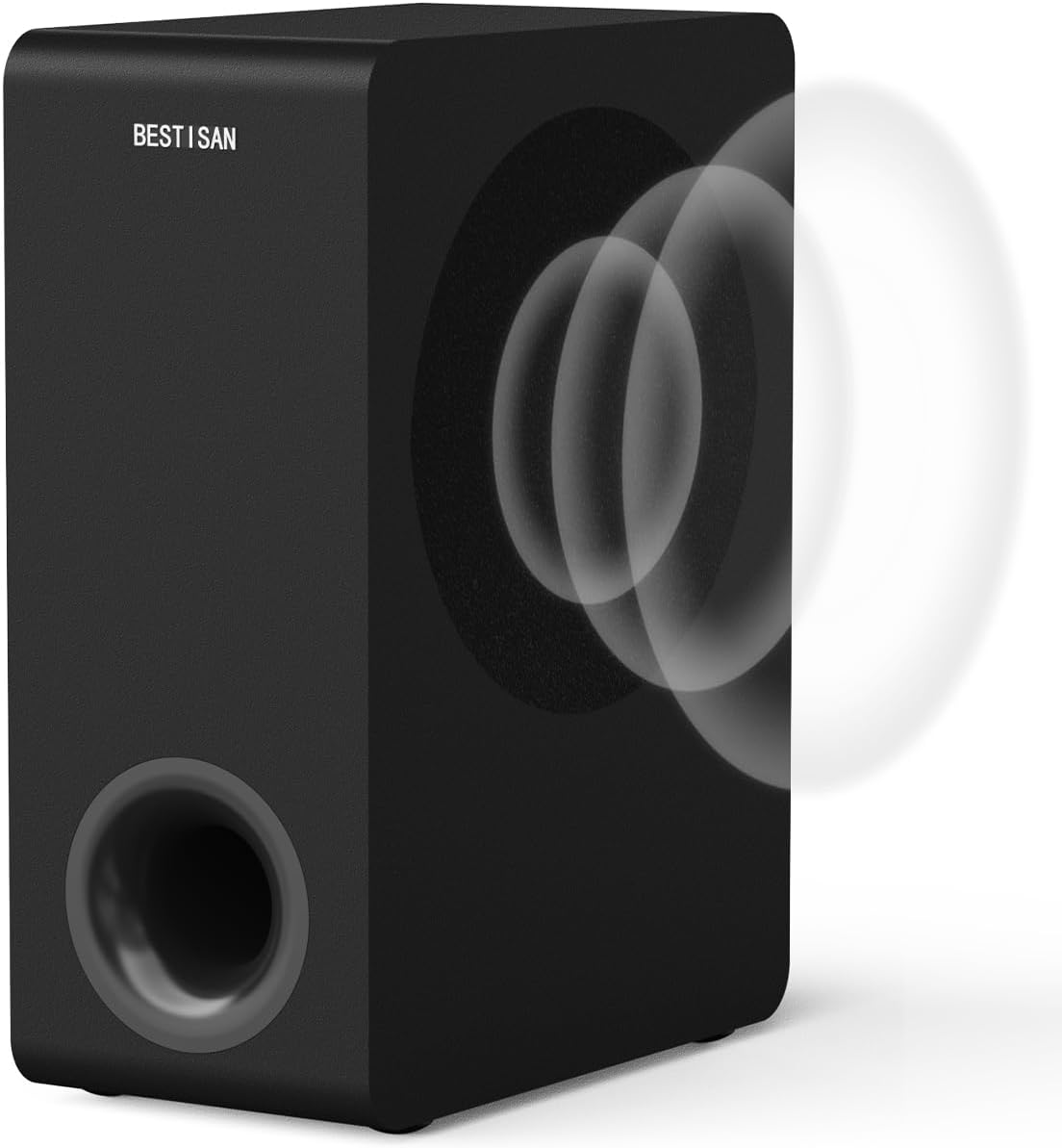
Choosing the right down-firing subwoofer ultimately depends on your specific audio goals and space. For listeners prioritizing raw power and brand heritage for a dedicated home theater, the Klipsch R-12SW 12″ 400W Subwoofer is a compelling option. Conversely, if you seek an outstanding value that delivers impressive bass from a compact design for music and movies, the BESTISAN Powered Subwoofer, Deep Bass Sub deserves strong consideration. Both represent excellent paths to achieving the immersive, floor-shaking experience that defines modern audio enjoyment.
Frequently Asked Questions
What are the main benefits of a down-firing subwoofer?
Down-firing subwoofers offer a more dispersed bass sound compared to front-firing models, which can reduce localization and create a smoother low-frequency response throughout the room. Their design can also be more space-efficient and aesthetically discreet, as the driver is not visibly pointed into the room. This makes them a popular choice for best modern subwoofers that prioritize both performance and form.
Can I use a down-firing subwoofer on any type of flooring?
Yes, but the flooring material will influence the sound. Hard surfaces like wood, laminate, or tile reflect bass waves effectively, often resulting in a punchier and more defined bass. Soft surfaces like thick carpet or rugs can absorb some of the energy, potentially requiring a slight volume increase to achieve the same impact. Most down-firing subs perform well on either, but placement experimentation is key.
How do I connect a subwoofer to my existing soundbar or receiver?
Connection methods vary. Most modern AV receivers have a dedicated “Subwoofer Out” port (usually an RCA jack labeled LFE or SUB). Simply run a single RCA cable from this port to the LFE input on your sub. For soundbars or older receivers without a sub-out, you can often use the subwoofer’s high-level (speaker wire) inputs. Connect the speaker outputs from your receiver or soundbar to these inputs on the sub. Always consult your specific subwoofer and audio source manuals for the best results.
Are down-firing subwoofers good for music as well as movies?
Absolutely. A high-quality down-firing subwoofer should enhance both music and movie experiences. For music, it reproduces the low-end foundation of instruments like kick drums and bass guitars with accuracy and depth. For movies, it handles sound effects and the LFE track with impact. The key is proper integration and calibration to ensure the subwoofer blends seamlessly with your main speakers, supporting the audio rather than overwhelming it. Our main subwoofers category page offers more general advice on achieving this balance.





Write Your Review
No reviews yet. Be the first to share your experience!