

You’ve finally decided to upgrade your TV’s lackluster speakers. Movie dialogue sounds muffled, action scenes lack punch, and your music deserves better. Navigating the world of home audio can feel overwhelming, especially when you’re just starting out. This guide is crafted for you, the first-time buyer seeking a significant audio upgrade without complexity or a massive investment. We’ll explore a curated selection of the best entry-level home theater systems, from all-in-one soundbars to complete speaker packages, to transform your living room into a personal cinema.
Our team has assessed a variety of systems based on ease of setup, sound quality, and overall value. Whether you live in an apartment and need a compact solution or have a dedicated media room ready for a full surround sound experience, there’s an option here to match your space and listening habits. For those interested in expanding their setup later, exploring options like dedicated AV receivers can be a logical next step.
Compare Top Entry-Level Home Theater Systems
| Pick | Product | BRD Score | Where to buy |
|---|---|---|---|
| Top Pick 16% OFF |
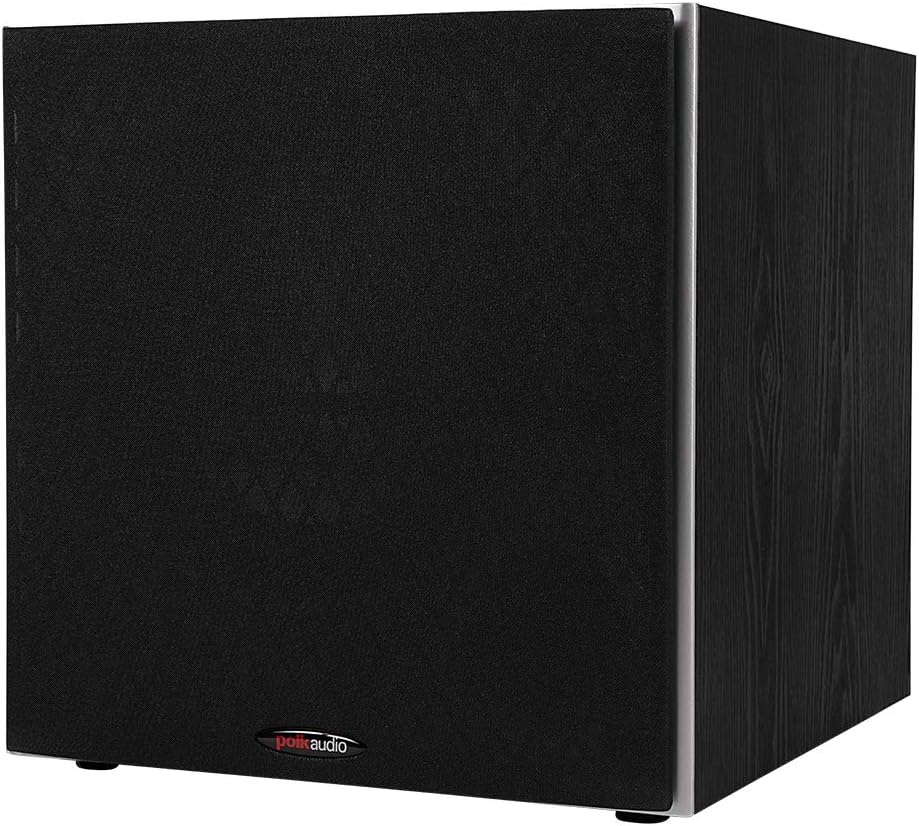 Polk Audio PSW10 10-Inch Powered Subwoofer |
9.7/10 | View on Amazon.com |
| 35% OFF |
 Bose Smart Ultra Soundbar with Dolby Atmos |
9.9/10 | View on Amazon.com |
Prices and discounts as of Nov 23, 2026 and may have changed. Check Amazon for the current price.
Pros
- Powerful 100W dynamic output in a compact, space-saving enclosure ideal for smaller rooms
- Versatile hookup options including RCA and speaker-level connections suit a wide range of receivers and amplifiers
- Adjustable crossover and volume controls make tuning simple and precise for any listening environment
- Durable resonance-free driver materials ensure consistent performance during extended high-volume use
- Comprehensive 5-year limited warranty with dedicated amplifier coverage adds strong long-term value
Cons
- At 11.8 kg the unit is relatively heavy for its size, which may complicate placement or repositioning in tight spaces
- The 40-160 Hz frequency response means it is optimized for bass duties only and will not extend into higher mid-range frequencies
- No wireless connectivity option means cable management is required for clean installation in modern setups
The Polk Audio PSW10 is a 10-inch powered subwoofer designed for home theater and stereo enthusiasts who want impactful bass without dedicating a large footprint to their audio setup. It targets small to mid-sized rooms and works as a straightforward upgrade to any existing speaker system, requiring no separate amplifier thanks to its fully self-contained design.
At the heart of the PSW10 is a Dynamic Balance woofer paired with a high-current 50W RMS amplifier capable of delivering up to 100 watts of dynamic power. The configured directed port enhances bass depth and extension, producing a frequency response of 40-160 Hz that covers the full range of cinematic low-end effects and musical bass lines with impressive accuracy and minimal distortion.
The cabinet is engineered from non-resonant materials, which prevents unwanted vibrations from coloring the sound at high volumes. A detachable front grille, clean black finish, and compact 17 x 14.25 x 14.5 inch dimensions give the PSW10 a tidy, unobtrusive appearance that fits neatly alongside most furniture. Connectivity is straightforward, with RCA line-level and speaker-level inputs and outputs on the rear panel alongside a Phase Toggle Switch for users running dual subwoofer configurations.
One honest drawback is the lack of wireless connectivity, which is increasingly common at this price point and would simplify placement in modern living rooms. The unit is also on the heavier side at nearly 12 kg, so moving it around during setup can be a bit cumbersome. Additionally, the crossover filter tops out at 160 Hz, so users pairing it with small satellite speakers should verify their main speakers can cover the upper bass and midrange adequately.
Overall, the Polk Audio PSW10 is a well-engineered, reliable subwoofer that delivers genuine low-frequency performance in a compact package. Its flexible inputs, adjustable crossover, and robust warranty make it a smart and accessible choice for anyone looking to add serious bass to a home theater or music system without complexity or compromise.
Driver Size: 10 inches | Amplifier Power: 50W RMS, 100W Dynamic | Frequency Response: 40-160 Hz (-3dB) | Impedance: 8 ohm | Channels: 5.1 compatible
Crossover: Continuously variable 80-160 Hz low-pass filter | Connectivity: RCA line-level input/output, Speaker-level input/output | Power Source: AC corded | Mounting: Floor mount
Dimensions: 17 inches D x 14.25 inches W x 14.5 inches H | Weight: 11.8 kg | Color: Black | Model Number: AM1055-C (PSW10)
Warranty: 5-year limited warranty, 3 years on amplifier parts and labor | In the Box: Powered subwoofer, grille, online registration card, owner's manual | Manufacturer: DEI Holdings (Polk Audio)
If you are shopping for your first subwoofer, the PSW10 is an excellent starting point. Its self-contained amplifier means you do not need to budget for a separate sub amp, and its dual input options make it compatible with virtually any AV receiver, stereo amplifier, or even a soundbar with a subwoofer output.
Room size is an important consideration. The PSW10 performs best in rooms up to roughly 2,000 square feet. For larger spaces or dedicated home theater rooms, you may want to consider a larger driver or a higher-wattage model, but for typical living rooms and apartments this unit delivers more than enough output.
When positioning the subwoofer, start by placing it near the front of the room close to your main speakers, then use the rotary volume and crossover controls to dial in a balanced blend. The Phase Toggle Switch is particularly useful if you ever expand to a dual-subwoofer setup, helping eliminate bass cancellation between units.
Buyers who prioritize wireless convenience or who are building a fully cable-free setup should note that the PSW10 uses only wired connections. In that case, pairing it with an aftermarket wireless subwoofer adapter is a straightforward workaround. For everyone else, the PSW10 represents a dependable, high-value choice backed by a strong warranty and Polk Audio's decades of acoustic engineering expertise.
Pros
- Dolby Atmos with TrueSpace ensures immersive audio for virtually all content types
- A.I. Dialogue Mode is a standout feature for viewers who struggle with hearing speech in movies and TV
- Dual voice assistant support with both Alexa and Google makes it highly versatile for smart home users
- Six-transducer array with upward-firing speakers provides genuine surround sound without extra satellite speakers
- Bose SimpleSync ecosystem integration adds flexibility for headphone pairing and multi-room audio
Cons
- Premium pricing puts it out of reach for budget-conscious buyers when compared to competing soundbars with similar specs
- No built-in subwoofer means bass performance, while solid for a soundbar, may not satisfy those who want deep, room-shaking low end without a separate sub
- Plastic enclosure construction may feel less premium than the price point suggests for some buyers
The Bose Smart Ultra Soundbar is a flagship all-in-one audio solution designed for TV enthusiasts who want a cinematic sound experience without the complexity of a full surround sound setup. Priced at the premium end of the soundbar market, it targets home theater fans, smart home users, and anyone who has grown frustrated with flat, uninspiring TV audio.
At the heart of this soundbar is Dolby Atmos support paired with Bose's proprietary TrueSpace technology, which works together to create a convincing three-dimensional soundstage. Six full-range transducers, including two custom-engineered upward-firing dipole speakers, push audio in multiple directions to simulate overhead and surround channels without a single extra speaker in the room. The result is a genuinely immersive listening experience that stands out from most single-unit soundbars.
One of the most practical features is A.I. Dialogue Mode, which automatically balances vocal clarity against ambient sound effects and music. For viewers who often find themselves reaching for the remote to catch missed dialogue, this feature alone could justify the purchase. Voice control is equally well-implemented, with both Amazon Alexa built in and Google Voice Control available via a compatible device, making smart home integration seamless.
Build quality is solid and the design is understated and elegant, fitting neatly beneath most televisions. The inclusion of both an HDMI eARC cable and an optical cable in the box means setup is straightforward regardless of your TV's connection options. One area worth noting is that the enclosure is primarily plastic, which some buyers may find at odds with the premium price, and those craving deep bass may want to consider pairing it with a dedicated subwoofer down the line.
Overall, the Bose Smart Ultra Soundbar is a compelling choice for anyone who wants best-in-class dialogue clarity, genuine spatial audio, and smart home convenience in a single, elegantly designed unit. It is not the most affordable option on the market, but for those who prioritize audio quality and ease of use, it delivers a premium experience that is hard to match at this form factor.
Audio: Dolby Atmos, Bose TrueSpace Technology, 180W maximum output, six full-range transducers with two upward-firing dipole speakers, 1-inch tweeter diameter.
Connectivity: HDMI eARC, Optical Audio, Bluetooth (up to 33 feet), Wi-Fi, compatible with Amazon Alexa and Google Voice Control. Bose SimpleSync for headphone and speaker pairing.
Design and Build: Tabletop mount, plastic enclosure, black finish, 4.21-inch speaker size, corded electric power source. Not water resistant.
Smart Features: Built-in Amazon Alexa, Google Voice Control via compatible device, Bose Voice4Video for TV and cable/satellite box control, app and remote control support, 2 built-in microphones.
In the Box: Bose Smart Ultra Soundbar, HDMI eARC cable, optical cable, power cord, remote control with battery, ADAPTiQ headset, Quick Start Guide. One-year limited manufacturer warranty.
Who should buy this soundbar? The Bose Smart Ultra Soundbar is best suited for buyers who want a single-unit solution that delivers true Dolby Atmos spatial audio without needing to wire up rear speakers or a separate subwoofer. It is particularly well-matched for living rooms where cable management is a concern.
Smart home compatibility: If you are already invested in the Amazon Alexa or Google ecosystem, this soundbar fits in naturally. Built-in Alexa means you can control playback, adjust volume, and manage smart home devices entirely hands-free. Google users can connect a compatible device for similar functionality.
TV connection options: The soundbar supports both HDMI eARC and optical audio connections, and both cables are included. HDMI eARC is recommended for the best audio quality and easiest control integration, but optical is a reliable fallback for older televisions.
Considering an upgrade? If you currently own a basic soundbar or are relying on built-in TV speakers, the jump in audio quality here will be substantial. However, if you already own a dedicated 5.1 or 7.1 surround sound system, the improvement may be less dramatic and the value proposition shifts toward convenience and smart features rather than raw audio performance.
Bass expectations: While the soundbar handles mid and high frequencies impressively, buyers who prioritize heavy bass for action movies or music should be aware that a separate Bose Bass Module would complement this unit well for a fuller low-end experience.
How to Choose Your First Home Theater System
Soundbar Simplicity vs. Full Surround Immersion
Your first decision is between a soundbar and a multi-speaker home theater in a box (HTIB) system. Soundbars like the Bose Smart Ultra Dolby Atmos Soundbar or the LG S40TR offer a sleek, single-unit solution with minimal wiring. They are perfect for smaller rooms or anyone prioritizing a clean aesthetic. For a more enveloping experience, a true 5.1-channel system like the Yamaha Audio YHT-4950U places speakers around you, creating precise directional audio for movies and games. Consider your room layout and willingness to manage speaker cables.
Connectivity and Future-Proofing
Look for systems with the inputs you need now and might need later. HDMI eARC is a crucial feature found on models like the ULTIMEA 5.1CH Surround Sound Bar System, as it allows for high-quality audio from your TV and simplifies control. Bluetooth is essential for wireless music streaming. If you have multiple media sources, ensure the system has enough optical or RCA inputs. A versatile amplifier like the 1000 Watts 2 Room Bluetooth Home Amplifier offers immense connectivity for building a custom setup, which pairs well with a range of speaker styles.
Room Size and Bass Management
The size of your room directly impacts your ideal system. A powerful subwoofer is key for larger spaces. The Polk Audio PSW10 10″ Subwoofer adds deep bass that smaller soundbar subs might not achieve. Conversely, for a studio apartment, the compact Bobtot Home Theater Surround Sound System provides ample power without overwhelming the space. Many modern systems include room calibration technology, like Yamaha’s YPAO, to automatically optimize sound for your specific environment.
Audio Formats and Smart Features
For the most immersive experience, seek out systems that support object-based audio formats like Dolby Atmos and DTS:X. The Shockwafe 11.2.6 Dolby Atmos system is a benchmark in this category, creating a three-dimensional soundscape. Also, consider smart features. Voice control via Alexa or Google Assistant, as seen on the Bose soundbar, adds convenience. App control, offered by ULTIMEA, allows for fine-tuning sound profiles from your phone. If you admire modern design, many of these systems deliver both style and substance.
Final Thoughts
Upgrading to your first home theater system is a rewarding step toward truly enjoying your media. For an outstanding balance of immersive surround sound and straightforward setup, the Yamaha Audio YHT-4950U 4K Ultra HD 5.1-Channel system is a superb choice that grows with you. If you prefer a minimalist, high-performance soundbar that delivers spatial audio without extra speakers, the Bose Smart Ultra Dolby Atmos Soundbar creates a remarkably wide soundstage from a single unit. Explore both the Yamaha Audio YHT-4950U 4K Ultra HD 5.1-Channel and the Bose Smart Ultra Dolby Atmos Soundbar to find the perfect entry point for your cinematic journey at home.
Frequently Asked Questions
What is the easiest entry-level home theater system to set up?
Soundbars are universally the easiest. Models like the LG S40TR with wireless rear speakers and subwoofer require almost no wiring. You simply connect one cable from the soundbar to your TV, often via HDMI ARC, and plug in the power. Many modern soundbars, including several on our list, can be fully operational in under a minute, making them ideal for beginners.
Do I need a separate AV receiver for an entry-level system?
Not necessarily. Many entry-level systems are self-contained. Home Theater in a Box (HTIB) kits like the Rockville HTS56 include a receiver or amplifier built into the subwoofer. Soundbars have all processing built in. You only need a separate receiver if you plan to build a highly customized system or want to upgrade individual components over time, a path you can explore in our guide to more advanced multi-channel setups.
Can I add speakers to a soundbar later?
It depends on the model. Some soundbars, like the LG S40TR, are designed as part of a modular ecosystem and include wireless rear speakers out of the box. Others are standalone units. If you think you might want to expand, look for soundbars explicitly marketed as “expandable” or that offer optional wireless surround speaker kits. For the ultimate flexibility, a traditional receiver-based system is the better long-term choice.
Is Dolby Atmos worth it for an entry-level system?
Yes, if you want a more immersive experience. Even in entry-level soundbars, Dolby Atmos processing can create a heightened sense of space and overhead effects through advanced psychoacoustics. Systems like the ULTIMEA 5.1CH bar use upward-firing or side-firing speakers to bounce sound off your ceiling and walls. For the full effect, consider a system with dedicated height channels as you advance.





Write Your Review
No reviews yet. Be the first to share your experience!