

You love the immersive experience of a home theater, but your true passion lies in music. You want a system that doesn’t just blast movie explosions but reveals the subtle nuances of a well-mastered album. The quest for a setup that delivers both cinematic surround sound and pristine stereo listening can feel overwhelming. This guide is crafted for you, the listener who values musicality as much as movie night magic.
We have evaluated nine of the most capable home theater systems on the market, with a specific focus on their performance with two-channel stereo music. From powerful floorstanding towers to complete bundles with advanced receivers, our selections are designed to help you find the perfect audio companion. For a broader look at options designed for accurate sound reproduction, explore our guide on the best home theater systems with balanced sound.
| Pick | Product | BRD Score | Where to buy |
|---|---|---|---|
| Top Pick |
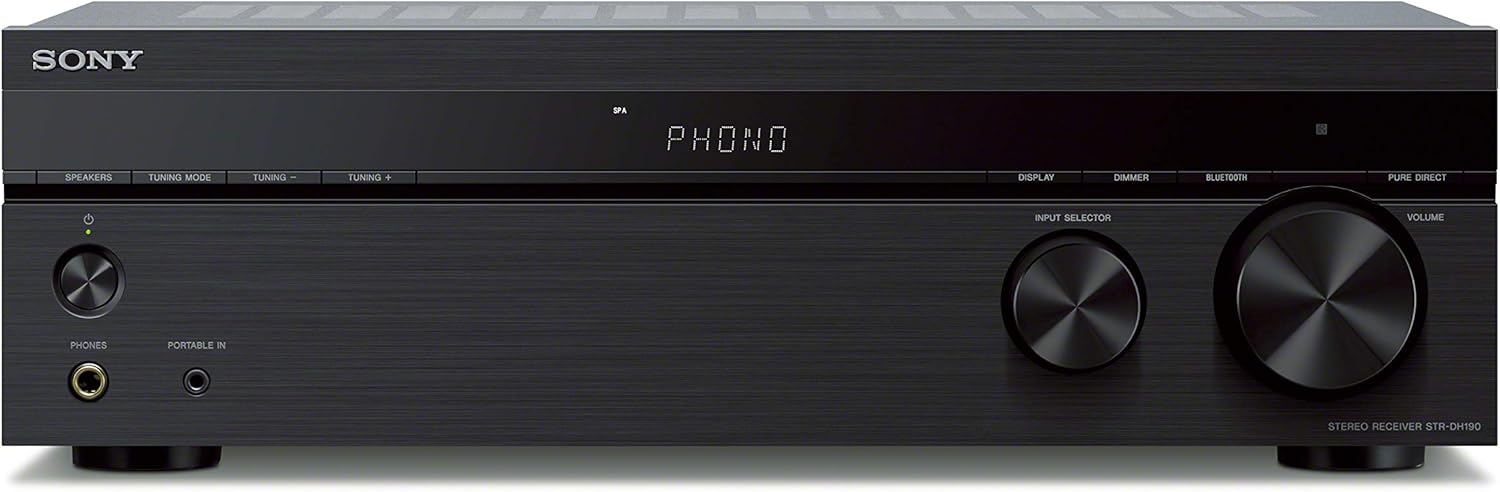 Sony STRDH190 2-Channel Home Stereo Receiver |
9.8/10 | View on Amazon.com |
| 8% OFF |
 Yamaha RX300A 5.2-Channel AV Receiver with Dolby |
9.6/10 | View on Amazon.com |
Prices and discounts as of Nov 23, 2026 and may have changed. Check Amazon for the current price.
Pros
- Excellent sound clarity with balanced highs, mids, and bass across all input sources
- Phono input eliminates the need for a separate turntable preamp, saving money and desk space
- Bluetooth connection is quick to pair and remains stable during extended listening sessions
- Compact low-profile design fits standard AV furniture without any awkward modifications
- Highly rated by a large number of verified buyers, reflecting consistent real-world reliability
Cons
- Maximum volume output may feel limited for larger rooms or listeners who prefer concert-level loudness
- 2-channel stereo only, so it is not suitable for home theater surround sound setups
- No digital optical or coaxial inputs, which may frustrate users wanting to connect modern TVs or DACs directly
The Sony STRDH190 is a 2-channel home stereo receiver designed for music lovers who want a clean, capable hub for multiple audio sources. Whether you are spinning vinyl, streaming from a phone, or tuning into FM radio, this receiver handles it all in one compact unit. It is particularly well suited to first-time stereo system builders and returning audiophiles who value simplicity over complexity.
Sound performance is the STRDH190's strongest suit. With 100 watts per channel and Sony's large-capacity power transformer, the receiver delivers a composed, detailed soundstage with crisp highs and solid bass. Customer feedback consistently praises its clarity at moderate to high volumes, and High-Resolution Audio support means the unit can resolve fine details that compressed streaming formats often obscure.
The feature set is thoughtfully chosen for its target audience. The built-in phono preamp is a genuine convenience for turntable users, while Bluetooth pairing is described by owners as fast and reliable. The A/B speaker switching is a practical bonus, allowing two pairs of speakers to run simultaneously or independently for multi-room flexibility. A full-size headphone jack and 30-preset FM tuner round out the everyday usability.
On the design side, the STRDH190's low-profile chassis at just over 5 inches tall is a real-world advantage for anyone working with a standard AV cabinet. Build quality feels solid for the price point, and the included remote adds a layer of convenience that budget receivers often skip. The unit weighs 17 pounds, which speaks to the substantial internal components rather than hollow construction.
The main limitations are its 2-channel-only configuration, which rules it out for surround sound duties, and a lack of digital inputs for users wanting to connect a TV or external DAC. Volume headroom in very large rooms can also feel modest. That said, for a stereo-focused listener who values vinyl, Bluetooth, and clean audio in one tidy package, the STRDH190 is a genuinely impressive and well-rounded receiver.
Model: Sony STRDH190 | Color: Black | Channels: 2 (Stereo) | Output Power: 100W x 2 (8 ohms, 1 kHz) | Total Wattage: 200W
Speaker Impedance: 6 to 16 ohms | Inputs: Phono input, 4x stereo RCA, 3.5mm aux | Outputs: Stereo RCA, A/B speaker terminals, 1/4-inch headphone jack
Wireless: Bluetooth (2.4 GHz, max output 5.0 dBm) | FM Tuner: 30 station presets | Audio Format: WMA, High-Resolution Audio
Dimensions: 11"D x 17"W x 5.2"H | Weight: 17.1 lbs | Power: AC 120V, 60 Hz | Warranty: 1 year limited
In the Box: Receiver, remote control (RMT-AA400U), batteries, FM antenna | ASIN: B078WFDR8D | UPC: 027242908383
If you are shopping for your first stereo receiver, the STRDH190 is one of the most complete entry-level options available. It covers all the essential bases: Bluetooth streaming, FM radio, a phono stage for turntables, and enough inputs for a CD player, TV audio output, and more. You will not need to buy a separate phono preamp, which keeps your total system cost down.
Pairing advice: this receiver works best with bookshelf or floor-standing speakers rated between 6 and 16 ohms. Popular matches noted by owners include Yamaha bookshelf speakers and classic Bose 301s. For turntable users, Sony's own PS-LX310BT is a frequently recommended companion that integrates seamlessly with the STRDH190's phono input.
Consider your room size before purchasing. The 100-watt-per-channel rating is more than adequate for small to medium rooms, but listeners in large open-plan spaces who prefer very high volume levels may eventually want to step up to a higher-powered model. For most living rooms and dedicated listening spaces, however, the power on offer is genuinely sufficient.
This receiver is not the right choice if you need surround sound for a home theater setup, or if you want to connect a modern TV via optical or coaxial digital audio. For those use cases, a dedicated AV receiver would be a better fit. But as a pure stereo music receiver with broad source compatibility, the STRDH190 is hard to beat at its price point.
Pros
- Comprehensive Dolby Atmos and DTS Virtual:X support delivers genuinely immersive surround sound at this price range
- Next-gen HDMI features including 4K/120, 8K/60, ALLM, and VRR make it an ideal companion for modern gaming consoles
- Bluetooth Multipoint is a rare and highly convenient feature that simplifies switching between a phone and a tablet or laptop
- Automatic Room Correction with an included microphone takes the guesswork out of speaker calibration
- Intuitive Quick Guide and on-screen setup menu make installation approachable even for first-time AV receiver owners
Cons
- With only one HDMI output, users with multiple display devices such as a TV and projector will need additional switching equipment
- At 70 watts per channel, the power output may fall short for larger rooms or for driving demanding, low-sensitivity speakers to high volumes
- No built-in Wi-Fi or streaming app support means music playback is limited to Bluetooth only, lacking the flexibility of network streaming
The Yamaha RX300A is a 5.2-channel AV receiver aimed squarely at home theater enthusiasts who want modern features without paying flagship prices. Priced accessibly and backed by Yamaha's long-standing reputation in audio, this receiver is ideal for living room setups pairing a 4K TV or projector with a surround sound speaker system, and it is equally suited to gamers who demand low-latency video performance.
The headline features are genuinely impressive for this tier. Dolby Atmos and DTS Virtual:X support enables three-dimensional audio that adds height and depth to movie soundtracks, while the 4K/120 and 8K/60 HDMI passthrough with ALLM and VRR support makes this receiver a strong match for PlayStation 5 and Xbox Series X owners. The inclusion of Dolby Vision and HDR10+ ensures that the picture quality from your source devices is passed through without compromise.
Bluetooth Multipoint is a standout convenience feature that allows two devices to remain paired at once, so switching from a smartphone playlist to a laptop stream requires no re-pairing. The automatic room correction system, which uses the included setup microphone, does a commendable job optimizing speaker levels and distances for the specific acoustics of your room. Scene buttons add further everyday usability by letting you save preferred input and sound mode combinations for instant recall.
There are a few limitations worth noting. The single HDMI output restricts users who want to feed both a TV and a projector simultaneously. The 70-watt-per-channel power rating is adequate for most medium-sized rooms but may leave larger spaces or power-hungry speakers sounding underpowered at high volumes. The absence of Wi-Fi and network streaming also means users who rely on services like Spotify Connect or AirPlay will need to use Bluetooth as their only wireless audio path.
Overall, the Yamaha RX300A delivers a well-rounded package that punches above its weight in features and audio quality. For anyone building or upgrading a home theater system on a sensible budget, it offers a compelling combination of immersive audio, next-gen video, and everyday convenience that is hard to match at this price point.
Channels: 5.2-channel configuration with support for 3.1.2-channel Dolby Atmos layouts using up-firing or in-ceiling height speakers.
Power Output: 70 watts per channel, suitable for small to medium-sized home theater rooms with standard sensitivity speakers.
HDMI: 4 HDMI inputs and 1 HDMI output, supporting 4K/120Hz and 8K/60Hz passthrough, ALLM, VRR, eARC/ARC, Dolby Vision, and HDR10+.
Audio Formats: Dolby Atmos, DTS Virtual:X, Dolby TrueHD, and a range of selectable sound modes for music, movies, and games.
Connectivity: Bluetooth (Multipoint), HDMI, optical, coaxial, and analog inputs. No built-in Wi-Fi or Ethernet.
Dimensions and Weight: 12.5 inches deep, 17.13 inches wide, 6.13 inches tall, weighing 16.8 pounds. Includes remote control, setup microphone, FM antenna, and AAA batteries.
Warranty: 2-year limited manufacturer warranty from Yamaha.
Who should buy the Yamaha RX300A? This receiver is a strong fit for first-time home theater builders and upgraders who want a modern, feature-rich AV receiver without overspending. If your setup includes a 4K TV, a gaming console, and a 5.1 or 5.2 speaker system, this unit covers all the bases confidently.
Gamers: The support for 4K/120Hz, ALLM (Auto Low Latency Mode), and VRR (Variable Refresh Rate) makes the RX300A a genuinely game-ready receiver. Connecting a PlayStation 5 or Xbox Series X will unlock these features automatically, reducing input lag and enabling smooth frame rates.
Atmos enthusiasts on a budget: If you want to experience Dolby Atmos without investing in a high-end receiver, the RX300A supports up-firing Atmos speakers or in-ceiling height channels in a 3.1.2 configuration. This is a practical entry point into three-dimensional audio at a reasonable cost.
What to consider before buying: If you need Wi-Fi streaming, multi-zone audio, or more than one HDMI output, you may want to look at higher-tier Yamaha models or competing brands. Similarly, if your room is large or your speakers have low sensitivity ratings, you may want a receiver with higher wattage to ensure sufficient headroom at louder listening levels.
Accessories to consider: A set of Dolby Atmos-enabled up-firing speaker modules or in-ceiling height speakers will unlock the full potential of this receiver's immersive audio capabilities. Pairing it with a quality subwoofer will also significantly enhance the low-frequency performance for movies and music.
Buying Guide for Stereo-Focused Home Theater
Speaker Design and Driver Quality
The foundation of great stereo sound lies in the speakers. For music, look for systems with high-quality drivers, such as woven fiber or glass fiber cones for clean midrange, and silk or neodymium tweeters for smooth, detailed highs. Floorstanding models often provide a fuller, more robust soundstage compared to satellite speakers.
Pay attention to cabinet construction as well. Acoustically inert enclosures made from materials like MDF with internal bracing minimize unwanted resonance. This results in a purer, more accurate sound that lets you hear the recording as it was intended. You can find more insights on systems that excel in this area in our category overview for home theater systems.
Amplification and Source Compatibility
A capable amplifier or receiver is crucial for driving your speakers properly in stereo mode. Look for units with clean power ratings and support for high-resolution audio formats if you stream lossless music. Features like a dedicated phono input are essential for vinyl enthusiasts, while Bluetooth connectivity offers convenience for digital streaming.
Consider the flexibility of the amplifier. Some AV receivers allow you to assign amplifier channels, enabling a powerful 2.1 or 3.1 setup focused solely on the front soundstage for music. This bypasses the surround channels to dedicate all power to delivering a rich, two-channel experience. For systems built to handle demanding dynamic range, see our review of the best home theater systems for high volume.
Sound Signature and Room Calibration
<!–Every system has a sonic character. Some emphasize crisp detail and wide soundstages, while others offer a warmer, more laid-back presentation. Identifying which signature matches your preference is key to long-term listening satisfaction. Systems with detailed tweeters can make vocals and instruments sparkle with clarity.
Advanced room calibration technology, such as Yamaha’s YPAO, can dramatically improve stereo imaging in your specific listening space. These systems measure your room’s acoustics and adjust the output to correct for reflections and standing waves. This ensures you get the best possible performance, whether you’re seeking crisp highs or powerful, defined low-end.
Bass Management and Subwoofer Integration
<!–For stereo music, bass quality is more important than sheer quantity. A well-integrated subwoofer should provide extension and punch without sounding boomy or localized. Look for systems with down-firing subwoofers or precise crossover controls on the receiver, allowing you to blend the sub seamlessly with your main speakers.
Many music lovers prefer the full-range response of capable floorstanding speakers that minimize the need for a subwoofer. These towers use multiple dedicated woofers to produce deep, controlled bass directly from the main channels. If your priority is impactful low-frequency response, our roundup of the best home theater systems with punchy bass offers further guidance.
Final Thoughts
Selecting the ideal home theater system for stereo listening ultimately depends on your space, budget, and sonic priorities. For listeners seeking a premium, music-first experience with exceptional clarity and bass definition, the Fluance Signature HiFi 3-Way Floorstanding Tower speakers are a compelling choice. If you desire a complete, ready-to-use package that balances advanced home theater features with solid musicality, the Yamaha YHT-5960U Home Theater System with 8K HDMI offers fantastic versatility and room correction to perfect the sound in your home.
Frequently Asked Questions
Can a home theater system truly sound good for music?
Absolutely. Many modern home theater systems are engineered with high-quality components that excel with both movies and music. The key is to focus on systems with robust front speakers (like towers or high-quality bookshelves) and a capable receiver that offers a direct or pure audio mode for stereo playback, bypassing unnecessary processing.
What’s more important for stereo music: the speakers or the receiver?
<!–Both are critical, but speakers generally have a greater impact on the final sound signature. A high-quality receiver provides clean, adequate power and source connectivity, but the speakers are the components that physically create the sound. Investing in the best speakers you can afford, then pairing them with a competent receiver, is a reliable strategy for outstanding stereo performance.
Do I need a subwoofer for listening to music?
<!–Not necessarily. Many floorstanding speakers are designed to produce full-range sound, including satisfying bass, on their own. However, a well-integrated subwoofer can extend the low-frequency response for genres like electronic or orchestral music. The choice depends on your room size and bass preferences; a good starting point is to try the system without a sub first.
How do I set up my home theater system for the best stereo sound?
<!–Begin by placing your left and right front speakers to form an equilateral triangle with your primary listening position. Ensure they are at ear level and, if possible, away from walls to reduce bass boominess. Use your receiver’s room correction software if available, and select a ‘Direct’, ‘Pure Direct’, or ‘2-Channel Stereo’ mode to disable surround processing and hear the music in its original form.





Write Your Review
No reviews yet. Be the first to share your experience!