

If you’ve ever felt your music sounds flat or compressed through your phone or computer, you’re not alone. The built-in digital-to-analog converters in most devices prioritize cost and space over audio quality. A dedicated mini DAC can unlock the full potential of your high-resolution audio files and streaming services, revealing layers of detail you’ve been missing.
This guide is for anyone looking to elevate their audio experience, from the casual listener with discerning ears to the audiophile building a compact desktop system. We have evaluated six of the most compelling mini DACs available, focusing on performance, portability, and value. For a broader look at compact options, explore our guide to the best compact DACs.
| Pick | Product | BRD Score | Where to buy |
|---|---|---|---|
| Top Pick 20% OFF |
 Kiwi Ears Coda Mini USB-C DAC Amp Dongle with Dual |
9.5/10 | View on Amazon.com |
| 20% OFF |
 Kiwi Ears Allegro Mini Portable HiFi DAC |
9.6/10 | View on Amazon.com |
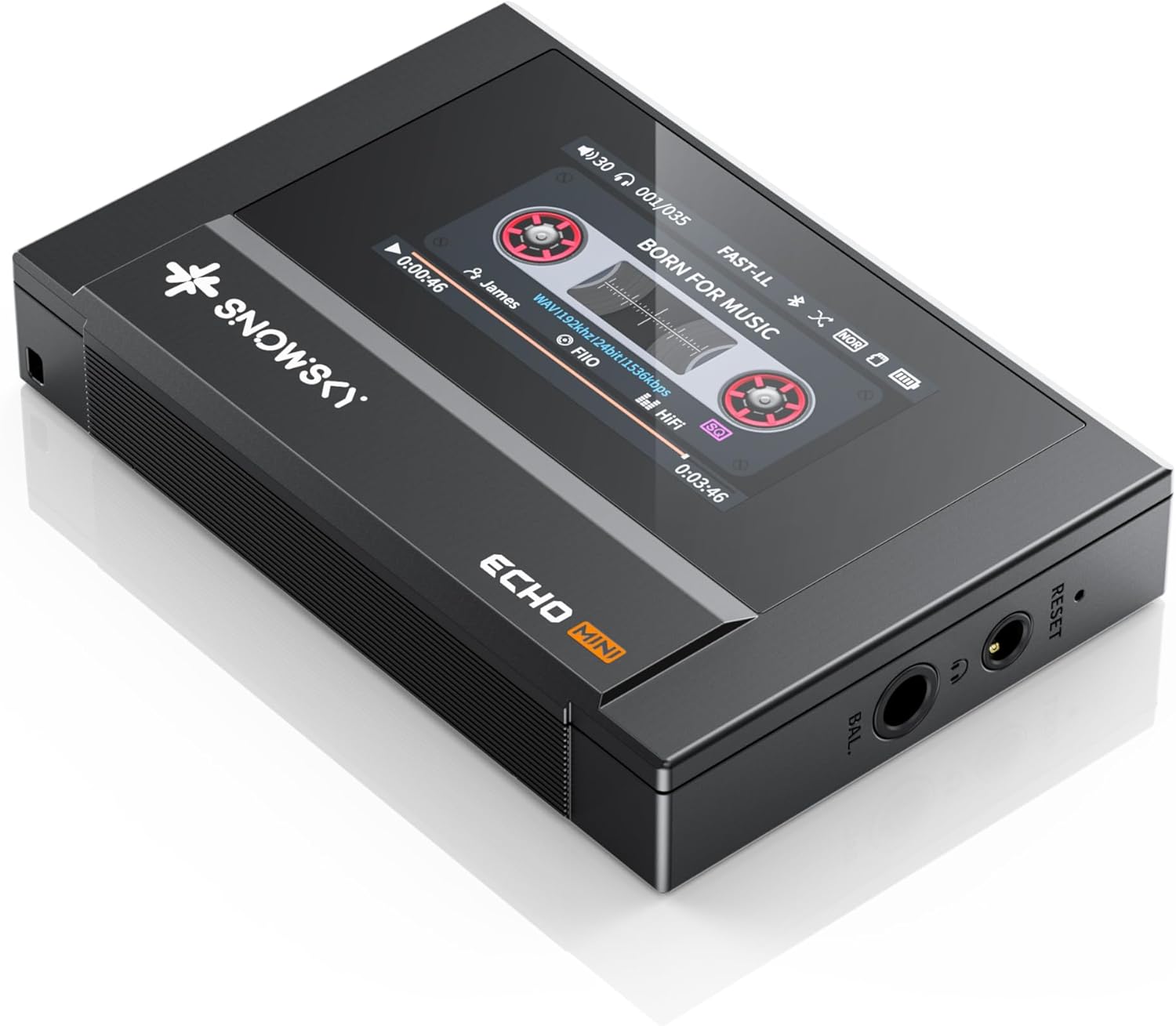 FiiO Echo Mini HiFi Bluetooth MP3 Player |
9.5/10 | View on Amazon.com |
Prices and discounts as of Nov 23, 2026 and may have changed. Check Amazon for the current price.
Pros
- Exceptional value at under $30 for professional-grade audio decoding and amplification
- Web-based EQ tuning eliminates need for bloated software or apps
- Ultra-low noise floor preserves micro-details even with high-sensitivity IEMs
- Dual output ports provide flexibility for different connector types and use cases
- Driver-free operation works seamlessly across all modern USB-C devices
Cons
- Limited to USB-C devices, not compatible with older USB-A or Lightning connectors
- Small form factor may be prone to damage if not handled carefully during transport
- Requires web browser access to adjust EQ settings, not ideal for quick on-the-fly changes
The Kiwi Ears Coda Mini is a premium USB-C DAC and headphone amplifier designed for entry to mid-level audiophiles, musicians, and everyday listeners seeking portable audio enhancement. This compact dongle transforms any USB-C device into a high-fidelity audio source, making it ideal for mobile listening, studio work, and commute scenarios where audio quality matters.
The standout feature is its web-based EQ customization system, allowing users to personalize frequency response without installing additional software. Combined with an impressive 2μV noise floor and 114dB signal-to-noise ratio, the Coda Mini delivers pristine audio reproduction with minimal background interference, even when paired with sensitive multi-driver in-ear monitors. The dual audio outputs (3.5mm and 4.4mm) provide flexibility and deliver consistent 30mW+ power across different impedance levels.
Build quality is excellent, featuring a solid aluminum alloy housing in a lightweight 10-gram form factor. The direct USB-C plug design eliminates bulky cables while maintaining durability and portability. The unit operates completely driver-free across smartphones, laptops, and tablets, ensuring instant compatibility without technical hassle.
The main limitation is USB-C exclusivity, which excludes older devices. Additionally, EQ adjustments require web browser access rather than physical controls, making quick tweaks less convenient. The compact size, while beneficial for portability, demands careful handling to prevent damage.
The Kiwi Ears Coda Mini delivers exceptional audio quality and customization at an accessible price point. It represents outstanding value for anyone seeking transparent, detailed sound with the flexibility to tune the signature to their preferences and equipment.
Audio Interface: USB Type-C
Output Connectors: 3.5mm single-ended and 4.4mm balanced
Channels: 2 (Stereo)
Power Output: 30mW+ at 32Ω load per output
Noise Floor: 2μV
Signal-to-Noise Ratio: Over 114dB
THD+N: Below 0.003%
PCM Support: 44.1kHz to 384kHz at 32-bit depth
Crosstalk (4.4mm): Lower than -100dB
Weight: 10 grams
Housing: Aluminum alloy
Compatibility: Smartphones, laptops, tablets with USB-C
Driver Requirements: None (plug-and-play)
Warranty: 1 year
Who Should Buy: The Coda Mini suits audiophiles and music enthusiasts with USB-C devices seeking affordable audio quality improvement. It's perfect for IEM users who want to eliminate background hiss and customize sound signature. Ideal for musicians, remote workers, and travelers prioritizing portable audio fidelity.
Who Might Skip It: Users with older USB-A or Lightning devices should consider alternative options. Those preferring physical EQ controls or simple plug-and-forget operation may find the web-based tuning approach inconvenient.
Performance Expectations: Expect noticeable improvements in clarity, detail retrieval, and soundstage compared to device-only audio. The ultra-low noise floor benefits high-sensitivity IEMs most dramatically. EQ customization allows matching the Coda Mini's signature to specific IEM tunings or personal preferences.
Real-World Applications: Enhance smartphone listening during commutes, improve laptop audio for remote work or streaming, optimize tablet audio for content creation and music production. The compact design fits easily in pockets or laptop bags without adding significant weight or bulk.
Pros
- Exceptional portability without sacrificing sound quality, ideal for mobile audiophiles
- Dual connector options provide maximum flexibility for any headphone or IEM setup
- Industry-leading audio specifications deliver transparent, distortion-free playback
- Premium aluminum construction feels durable and looks sleek and minimalist
- Easy plug-and-play USB-C connection with broad Android and PC compatibility
Cons
- Limited to Android 5.1+ and USB-C equipped devices, no native iOS support
- No reviews available yet, making it difficult to assess real-world user experiences
- Premium pricing for a portable DAC may not appeal to casual listeners
The Kiwi Ears Allegro Mini is a portable USB-C DAC amplifier designed for audiophiles and mobile music enthusiasts who refuse to compromise on sound quality. Built by Linsoul under the Kiwi Ears brand, this device targets professional musicians, studio engineers, and discerning listeners who need high-fidelity audio on the go.
The standout feature is its exceptional audio performance, supporting PCM up to 32bit/384kHz and DSD128 playback. With a remarkably low THD+N of just 0.004% at 32 Ohms, the Allegro Mini delivers studio-grade clarity and detail. The dual output options, 3.5mm single-ended and 4.4mm balanced, cater to different headphone and IEM requirements, making it versatile for any audio setup.
Design and build quality are impressive for a portable device. The all-aluminum alloy construction provides durability while maintaining a minimalist aesthetic. At a compact size, it's genuinely pocket-friendly without feeling cheap or fragile, reflecting Kiwi Ears' attention to craftsmanship.
The main limitation is compatibility, as it requires Android 5.1+ or USB-C equipped computers, with no native iOS support. Additionally, the lack of user reviews makes it harder to validate real-world performance claims, though the specifications are impressive on paper.
The Kiwi Ears Allegro Mini is an excellent choice for portable high-resolution audio. If you own professional headphones or IEMs and need studio-quality sound during travel or work, this compact DAC delivers exceptional value and performance that justifies the investment.
Audio Performance: PCM up to 32bit/384kHz, DSD up to DSD128, THD+N 0.004% at 32 Ohms, stereo output
Connectivity: USB Type-C input, 3.5mm single-ended and 4.4mm balanced outputs, 2 channels
Compatibility: Android devices version 5.1 and above, PC, phones with USB-C
Build: All-aluminum alloy body, 32-pin connector, premium minimalist design
Warranty: 1 year manufacturer warranty, includes user manual
Who Should Buy: Professional musicians, studio engineers, audiophiles, and anyone with high-end headphones or IEMs who needs portable high-resolution audio. Ideal for those who work with Android devices or PCs and value sound quality above all else.
Who Should Skip: iOS users without USB-C adapters, casual listeners content with standard audio quality, or those seeking a budget-friendly amplifier solution.
Key Considerations: Ensure your device has USB Type-C connectivity and runs Android 5.1+. The dual outputs mean you can use either your balanced or single-ended headphones, but you'll need to match the connector to your preferred audio gear.
Pros
- Exceptional battery life of 15 hours supports extended listening sessions without charging
- Supports comprehensive audio formats including hi-res standards like DSD and FLAC for audiophile-grade playback
- Expandable storage up to 256GB allows you to carry your entire music library offline
- Lightweight and durable design with retro aesthetics appeals to music enthusiasts and vintage tech fans
- Dual headphone outputs provide flexibility for different connector types and audio preferences
Cons
- No streaming service integration or radio functionality means you must manually load music files
- User interface has a learning curve with clunky menu navigation compared to modern touchscreen devices
- Some users report occasional MP3 compatibility issues on microSD cards and library refresh delays requiring workarounds
The FiiO Echo Mini is a dedicated portable music player designed for serious music listeners who want to own and control their audio collection. This device targets audiophiles, music collectors, and anyone seeking an alternative to streaming services that prioritizes sound quality and offline independence. It combines nostalgic retro design with modern connectivity features, making it an appealing choice for those tired of algorithm-driven playlists.
The standout feature is undoubtedly the support for high-resolution audio formats combined with massive expandable storage. With 8GB of internal memory plus support for up to 256GB microSD cards, you can store thousands of songs in lossless formats like FLAC, WAV, and DSD. The 15-hour battery life ensures all-day listening without frequent charging, while Bluetooth 5.3 connectivity lets you pair wireless headphones or speakers when desired. Dual audio outputs with both 3.5mm and 4.4mm jacks provide flexibility for different headphone types.
Build quality is solid for the price point, with a lightweight 55-gram design that fits easily into pockets or bags. The 1.99-inch IPS color screen provides good visibility, and the retro-inspired interface with physical buttons offers a tactile, intentional listening experience. However, the menu system has a learning curve and feels clunkier than modern touchscreen players, which some users may find frustrating initially.
Notable drawbacks include the lack of streaming service integration, no radio capability, and occasional compatibility issues with microSD cards on some units. The interface requires patience to master, and library refresh can be sluggish with large music collections. These limitations matter only if you need streaming or prefer plug-and-play simplicity.
The FiiO Echo Mini excels for offline music enthusiasts who value audio quality and storage capacity over convenience features. If you appreciate owning your music, enjoy hi-res audio formats, and want a reliable portable player with excellent battery life, this device delivers solid performance at an attractive price. Expect a learning curve, but the reward is a capable, independent music player that puts your audio collection at your fingertips.
Audio and Connectivity: Bluetooth 5.3, 3.5mm headphone jack, 4.4mm balanced output, SBC codec support. Supported formats: DSD, WAV, FLAC, APE, MP3, M4A, OGG.
Storage and Memory: 8GB built-in storage, microSD card slot supporting up to 256GB expansion. USB-C for file transfer and charging.
Display and Design: 1.99-inch IPS color screen, physical button controls, retro-inspired UI, black finish, weighs 55 grams.
Battery and Performance: 15-hour average battery life, hi-res audio support, independent volume control.
Package and Warranty: Includes USB cable, 1-year manufacturer warranty, model name Echo Mini by FiiO.
Who Should Buy: This player is ideal for audiophiles who appreciate lossless audio formats, music collectors who want offline access to their library, and anyone seeking independence from streaming subscriptions. It suits people with retro tech preferences and those who value battery life and expandable storage.
Who Should Skip: If you rely on Spotify, Apple Music, or other streaming services, this device won't serve you. Skip it if you prefer modern touchscreen interfaces, need radio functionality, or require hassle-free plug-and-play operation without setup.
Setup Tips: Load music onto the device before inserting microSD cards for easier library detection. Refresh the library after adding new files. Take time learning the menu system, as it has a learning curve but becomes intuitive with practice. Verify file integrity on cards if you encounter playback errors.
Best Use Cases: Commuting with your personal music collection, gym sessions with reliable offline playback, traveling without relying on internet connectivity, and audiophile listening sessions with quality headphones. The lightweight design and long battery life make it perfect for all-day portable use.
How to Choose Your Mini DAC
Identify Your Primary Use Case
Your choice hinges on where and how you’ll use the device. For pure portability with a smartphone, a simple USB-C dongle DAC is ideal. If you need to connect multiple sources like a TV, game console, and computer to a desk setup, a desktop mini DAC with optical and coaxial inputs is essential. Consider your daily routine to select the right form factor.
Evaluate Connectivity and Outputs
Check the inputs your audio sources provide. Most modern phones and laptops use USB-C, while older TVs and game consoles may only have optical outputs. On the output side, a 3.5mm jack is universal, but a 4.4mm balanced output can provide more power and better channel separation for compatible headphones. Versatility often defines the best value.
Assess Audio Performance Specifications
Look for key metrics like a high signal-to-noise ratio (SNR) and low total harmonic distortion (THD). These numbers indicate a clean, accurate signal. Support for high-resolution audio formats like PCM 32bit/768kHz and DSD512 means the DAC can handle studio-quality files. For insights into high-resolution portable options, our review of the best portable DACs for High-Res audio offers deeper analysis.
Consider Power and Headphone Compatibility
The power output, measured in milliwatts, determines if the DAC can properly drive your headphones. Efficient in-ear monitors need very little, while over-ear models may require more. Check the impedance rating the DAC supports. A device that works with a wide range, from 16 to 300 ohms, offers greater flexibility for future headphone upgrades.
Final Thoughts
After reviewing the field, a quality mini DAC is a transformative upgrade for any audio setup. For users seeking a versatile desktop centerpiece with extensive connectivity, the Fosi Audio Q6 Mini Desktop DAC stands out. If your priority is ultra-portable, high-fidelity sound from a smartphone, the feature-rich Fosi Audio MD3 Portable DAC Headphone Amplifier is an excellent choice. Both deliver exceptional performance that will make your music collection sound new again. For those who also want wireless convenience, our list of the best desktop DACs with bluetooth provides further options.
Frequently Asked Questions
Do I need a mini DAC if my phone already has a headphone jack?
Yes, you can still benefit significantly. The internal DAC and amplifier in most phones are basic components designed to be adequate, not exceptional. An external mini DAC uses higher-quality chips and dedicated circuitry to provide greater detail, dynamic range, and power, improving sound quality even with standard audio files.
What is the difference between a portable DAC dongle and a desktop mini DAC?
Portable DAC dongles are extremely compact, often plugging directly into your phone’s USB-C port, and are designed for on-the-go use with headphones. Desktop mini DACs are slightly larger, usually require their own power, and offer a wider array of inputs and outputs to connect multiple sources and feed into amplifiers or powered speakers for a stationary setup.
Will a mini DAC work with all my devices and streaming services?
Compatibility is generally excellent. Most mini DACs are plug-and-play with modern Windows, Mac, Android, and iOS devices. They will improve the sound from any audio source, including Spotify, Apple Music, and Tidal. For the best experience, use high-quality streaming tiers or local audio files. To ensure compatibility, look for models supporting UAC 1.0 for game consoles and UAC 2.0 for high-res audio, as highlighted in our guide to the best DACs with USB-C.
How do I know if a mini DAC is compatible with my high-impedance headphones?
Check the product specifications for the supported impedance range and power output. A DAC that can deliver higher milliwatt power into 300-ohm headphones will have an easier time driving them to sufficient volume levels without distortion. If your headphones are particularly hard to drive, you may need a dedicated headphone amplifier in addition to a DAC.





Write Your Review
No reviews yet. Be the first to share your experience!