

Picture your perfect summer evening: friends gathered, the grill is going, and the ambiance is just right, but the music from your phone speaker barely cuts through the chatter. You need an audio solution that feels like a natural part of your outdoor space, not an eyesore. That’s where sandstone outdoor speakers come in. Designed to look like decorative landscape rocks, they hide powerful sound systems in plain sight, blending durability with performance for your patio, pool, or garden. This guide reviews four leading options to help you find the ideal match for your outdoor entertainment needs, whether you prioritize pristine audio quality, easy wireless streaming, or dazzling visual effects.
How to Choose Your Sandstone Outdoor Speakers
Sound Quality and Power Handling
Audio performance is paramount, even outdoors. Look at the speaker’s design, such as a true two-way system with separate woofers and tweeters, which provides clearer, more detailed sound across frequencies. Sensitivity, measured in decibels (dB), indicates how efficiently a speaker converts power into volume. Higher sensitivity means louder sound from your amplifier. For expansive areas, consider models with angled drivers that project sound toward your listening area. If you crave deep bass for outdoor movie nights or parties, explore our guide to the best outdoor speakers with subwoofers for more powerful low-end options.
Wired vs. Wireless Connectivity
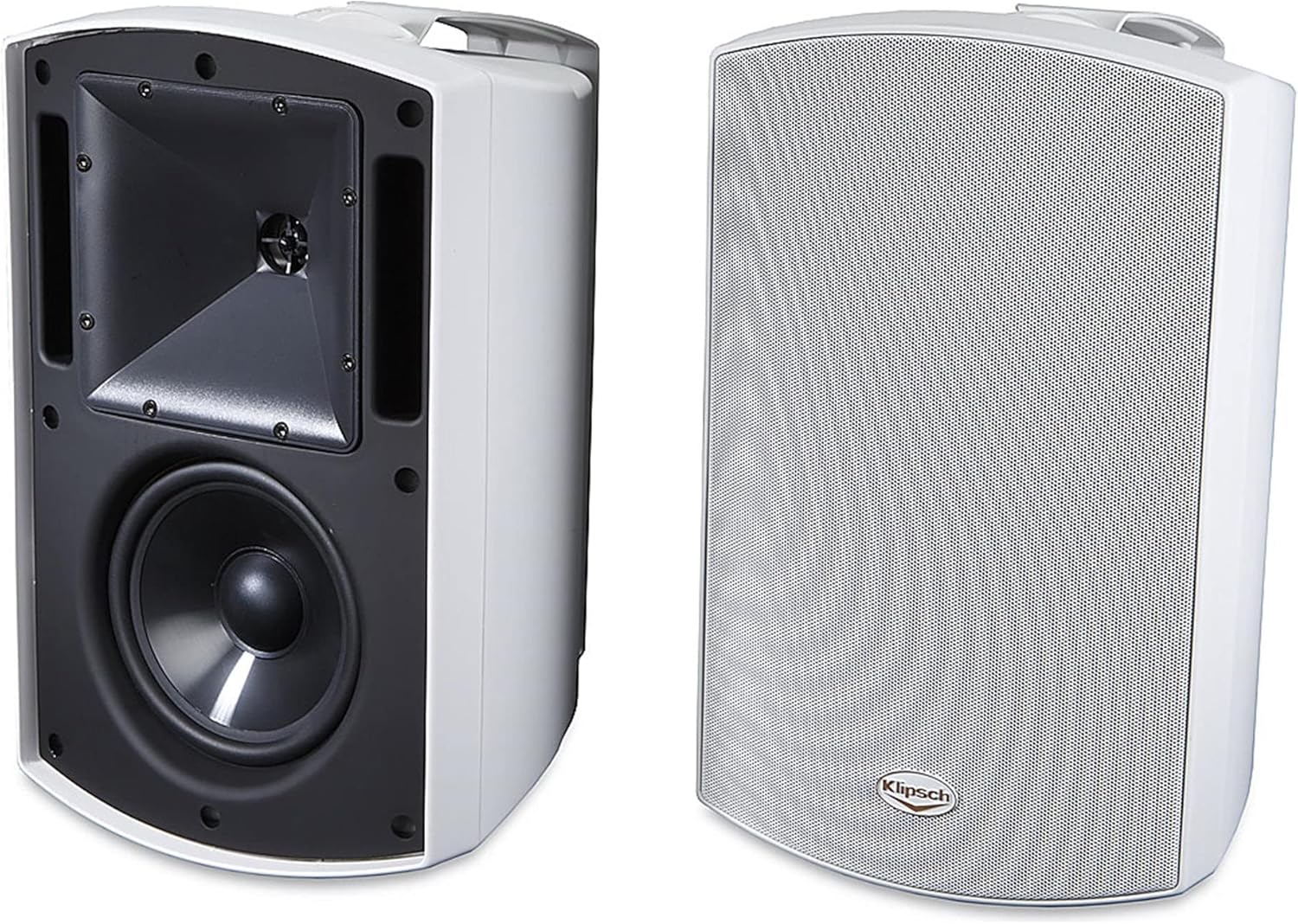
Your choice here defines the installation process and flexibility. Traditional wired speakers, like the Klipsch AWR-650-SM Sandstone (Ea.), require running speaker wire from an indoor receiver but often deliver superior, uninterrupted sound quality and don’t need recharging. Wireless Bluetooth models offer incredible convenience with easy setup and portability. Advanced features like multi-speaker pairing let you create a synchronized soundscape across your yard. Consider your tolerance for running cables and whether you want the freedom to move speakers around.
Durability and Weather Resistance
Outdoor speakers face sun, rain, and temperature swings. A proper IP (Ingress Protection) rating is crucial. Look for IP65 or similar, confirming protection against dust and water jets. The enclosure material should be UV-resistant to prevent fading and cracking in direct sunlight. Ensure all components, from cones to cabinets, are built to withstand moisture, pool chemicals, and winter conditions. This durability is a key feature of all products in the outdoor patio speakers category.
Power Source and Additional Features
For wireless speakers, battery life and charging methods are critical. Solar panels provide sustainable, trickle-charge power, while USB-C offers a reliable backup. Assess the rated playtime at typical volume levels. Bonus features can enhance your experience. Built-in LED lighting adds party atmosphere and pathway illumination after dark. Some models allow you to link numerous speakers for whole-yard audio. Consider what extra functionality would make your outdoor space more enjoyable. For more foundational options, our review of the best Entry-Level outdoor speakers is a great resource.
Final Thoughts
Choosing the right sandstone outdoor speaker ultimately depends on balancing your desire for audio fidelity with the convenience of installation and use. For those seeking a permanent, high-performance setup integrated with a home audio system, a wired model like the Klipsch AWR-650-SM Sandstone (Ea.) is an excellent investment in long-term sound quality. If your priority is flexible, feature-rich entertainment without the hassle of wires, a versatile option like the Victrola Rock Speaker Connect with its solar charging and multi-speaker streaming offers fantastic modern convenience. Whichever path you choose, these speakers will seamlessly blend into your landscape while transforming your outdoor living area into a vibrant auditory retreat. Explore our full home audio speakers hub for more inspiration.
Frequently Asked Questions
How do I install wired sandstone rock speakers?
Installation involves planning the speaker placement, burying or hiding CL3-rated outdoor speaker wire from your home audio receiver to each speaker location, and connecting the wire to the speaker terminals. It often requires basic tools and can be a DIY project for the handy homeowner, but professional installation is recommended for complex layouts.
Can sandstone outdoor speakers stay outside all winter?
Yes, high-quality models rated for all-weather or extreme temperatures are designed to withstand freezing conditions, snow, and ice. Always confirm the manufacturer’s specifications for temperature operating ranges. Proper construction with sealed enclosures and corrosion-resistant materials is essential for year-round durability.
What is the difference between sandstone and granite finishes?
The difference is purely aesthetic, relating to the color and texture pattern printed on the speaker’s polymer enclosure. Sandstone typically has a lighter, tan or brown speckled appearance, while granite finishes mimic darker, gray stone with contrasting flecks. Choose the one that best matches your patio pavers, garden mulch, or landscape rocks.
Are wireless rock speakers as good as wired ones?
Wireless speakers offer tremendous convenience and have improved significantly in sound quality and battery life. However, for the absolute highest fidelity and maximum volume without compression, traditional wired speakers connected to a robust amplifier generally provide a more powerful and dynamic performance, a hallmark of the best High-End outdoor speakers. Your choice depends on whether you prioritize ultimate sound or installation flexibility.




Write Your Review
No reviews yet. Be the first to share your experience!