

Are you tired of your TV’s flat, lifeless audio that fails to capture the thunderous roar of an explosion or the deep rumble of a movie score? You are not alone. Many modern TVs sacrifice speaker quality for a slimmer design, leaving you with sound that lacks the power and immersion you crave for a true cinematic experience. The solution is a dedicated soundbar, specifically one engineered to deliver heavy, impactful bass.
This guide is for anyone who wants to feel their entertainment, not just hear it. We have reviewed and compared the leading soundbars on the market to identify the models that truly excel in low-frequency performance. Whether you are a movie buff, a gaming enthusiast, or a music lover, you will find a system here that brings the depth and power missing from your current setup. For a broader look at home audio options, explore our home audio category.
| Pick | Product | BRD Score | Where to buy |
|---|---|---|---|
| Top Pick 29% OFF |
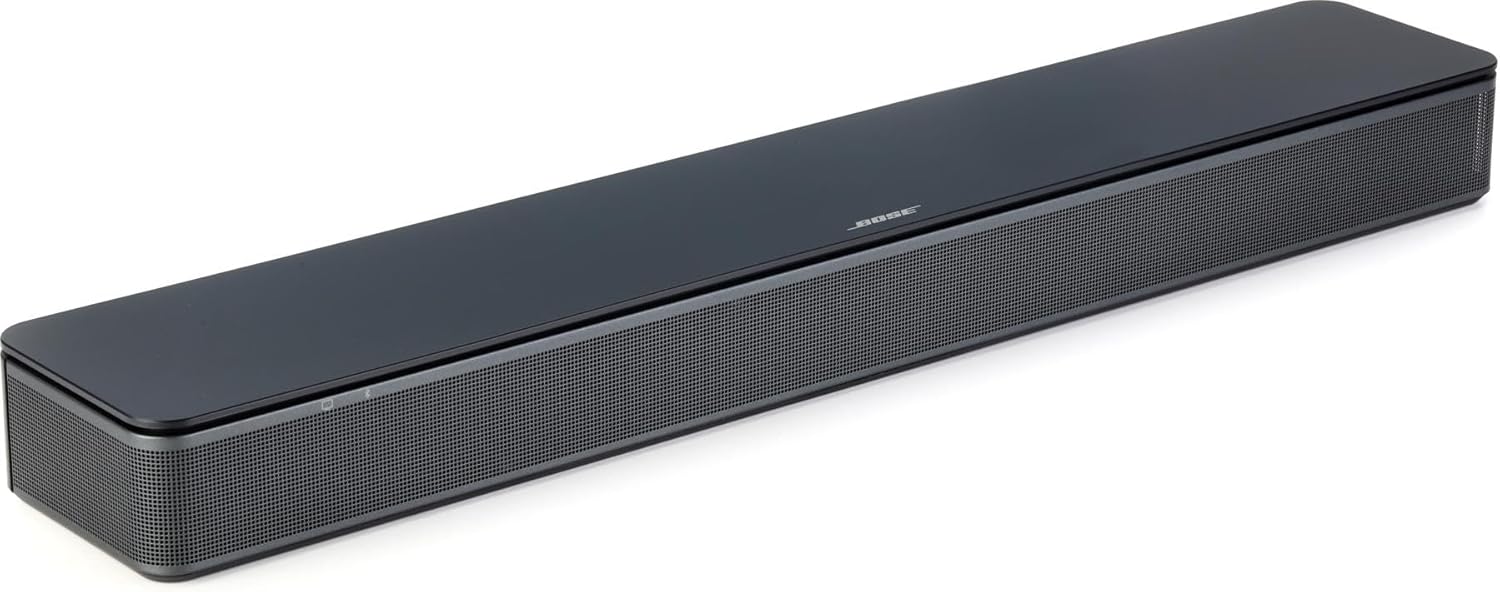 Bose TV Speaker Compact Soundbar with Bluetooth |
9.8/10 | View on Amazon.com |
 Sony HTS100F 2.0ch Soundbar with Bluetooth |
9.4/10 | View on Amazon.com |
Prices and discounts as of Nov 23, 2026 and may have changed. Check Amazon for the current price.
Pros
- Exceptional speech and dialogue clarity thanks to a dedicated center tweeter and Dialogue Mode
- Effortless setup with a single cable connection and included optical cable
- Versatile connectivity with HDMI-ARC, optical, AUX, and Bluetooth inputs
- Sleek, low-profile design blends seamlessly with any TV setup
- Expandable with optional Bose subwoofers for a fuller home theater experience
Cons
- HDMI cable is sold separately, which may add unexpected cost for users who prefer that connection method
- At 35 watts with no built-in subwoofer, bass performance may feel limited for action movies or music lovers without an upgrade
- Wall mounting brackets are sold separately, adding cost for those who want a cleaner installation
The Bose TV Speaker is a compact all-in-one soundbar built specifically to solve one of the most common frustrations with modern flat-screen TVs: poor audio quality and hard-to-understand dialogue. At just 2.21 inches tall and 23.38 inches wide, it is designed for everyday TV watchers, seniors, and anyone who wants a straightforward audio upgrade without the complexity of a full surround sound system.
The standout feature here is the Enhanced Dialogue Mode, which uses a dedicated center tweeter to sharpen vocal clarity and pronunciation. Combined with two angled full-range drivers and built-in Dolby decoding, the soundbar delivers surprisingly wide and natural-sounding audio for its compact size. Real-world performance is well-suited for news broadcasts, dramas, and talk shows where speech intelligibility is the priority.
Design-wise, Bose has kept things clean and minimal. The slim black enclosure is built from durable plastic and sits unobtrusively in front of a TV. Small LED indicators on the front provide subtle visual feedback for volume changes and feature activation. The included remote control is compact and straightforward, offering quick access to Dialogue Mode and a bass boost toggle.
There are a few honest limitations worth noting. The soundbar outputs 35 watts with no built-in subwoofer, so bass response is modest on its own. Users who enjoy action films or bass-heavy music will likely want to invest in the optional Bose Bass Module 500 or 700. Additionally, the HDMI cable is not included, and wall mounting brackets are sold separately, which can add to the overall cost.
Overall, the Bose TV Speaker earns its reputation as one of the best compact soundbars in its category. It excels at what it promises: clearer TV audio with minimal setup effort. It is a strong choice for anyone seeking a reliable, brand-trusted audio upgrade that is simple to use and easy to place in any living space.
Dimensions: 4.02 inches D x 23.38 inches W x 2.21 inches H. Weight: 8.2 pounds. The slim profile makes it easy to place on a TV stand or media console without obstructing the screen.
Audio: 35 watts maximum output power, stereo audio output mode, dynamic driver type with a 5.6 cm audio driver size and 1-inch tweeter diameter. Built-in Dolby decoding enhances audio realism.
Connectivity: HDMI-ARC with CEC support, optical audio input (cable included), AUX input (3.5mm), and Bluetooth with a 30-foot wireless range. Supports up to 3 paired Bluetooth devices simultaneously.
Compatibility: Works with all televisions. Expandable with Bose Bass Module 500 or 700 via Bose Bass Module Connection Cable or standard 3.5mm audio cable (both sold separately). Wall brackets also sold separately.
In the Box: Bose TV Speaker, remote control with pre-installed battery, optical cable, power cord (5 ft), and quick start guide. Model number: 838309-1100. Warranty: 1-year limited warranty from Bose.
If you are shopping for a soundbar primarily to improve TV dialogue clarity, the Bose TV Speaker is one of the most targeted solutions available. Its Dialogue Mode and center tweeter design make it especially well-suited for households where hearing speech on TV is the main concern, including older adults or those with mild hearing difficulties.
For buyers who want a simple plug-and-play experience, this soundbar delivers. Setup takes only minutes with the included optical cable, and HDMI-ARC connectivity means you can use your existing TV remote to control volume. There is no app required, no complex configuration, and no steep learning curve.
However, if you are a dedicated home theater enthusiast looking for booming bass and cinematic surround sound, this soundbar alone may not fully satisfy. Consider pairing it with the Bose Bass Module 500 or 700 for a more immersive experience. Budget-conscious buyers should also factor in the cost of an HDMI cable and optional wall brackets if needed.
Compared to generic budget soundbars, the Bose TV Speaker justifies its price through brand reliability, audio engineering quality, and the expandable ecosystem. It is a long-term investment for anyone who values clear, natural sound over raw volume or deep bass. It is best matched with small to medium-sized living rooms and TVs up to 55 inches.
Pros
- Simple plug-and-play setup with HDMI ARC and included optical cable
- Noticeably clearer dialogue and richer audio compared to built-in TV speakers
- Compact and stylish design that suits small rooms, home offices, and secondary TVs
- Reliable Bluetooth with a 10-meter range for flexible music streaming
- Strong build quality that feels premium relative to its price
Cons
- No dedicated subwoofer means bass performance is limited for larger rooms or action-heavy content
- HDMI eARC setup can be tricky on some TV models and may require extra configuration
- At 38 inches wide, the soundbar may visually overpower smaller televisions under 40 inches
The Sony HTS100F is a 2.0-channel soundbar designed to bring meaningful audio improvement to small and medium-sized rooms without complexity or a high price tag. It targets cord-cutters, home office workers, and anyone frustrated by the thin sound of modern flat-panel TVs. With a clean black finish and a compact 38-inch footprint, it slots naturally beneath most mid-size televisions.
Standout features include Sony's S-Force Pro Front Surround processing, which creates a convincingly wide soundstage from just two channels, and a built-in Bass Reflex speaker that adds depth and warmth the average TV speaker simply cannot match. The Voice Enhancement mode is a genuine differentiator, sharpening spoken dialogue for TV dramas and making conference call participants easier to understand, a welcome bonus for home office use.
Setup is refreshingly straightforward. HDMI ARC allows the soundbar to be controlled by your existing TV remote, and the included optical cable means you can get up and running without purchasing additional accessories. Bluetooth pairing is quick and stable up to 10 meters, and the unit can also play audio from a USB drive. Build quality feels solid and premium, with several reviewers noting it compares favorably to units at twice the price.
There are honest limitations to consider. Without a dedicated subwoofer, deep bass for action movies or music-heavy content is restrained, and the soundbar is best suited to rooms under roughly 300 square feet. Some users report that HDMI eARC configuration requires patience depending on the TV brand. The 38-inch width may also visually overpower televisions smaller than 40 inches.
Overall, the Sony HTS100F delivers excellent value for its category. It is the right choice for anyone seeking a reliable, easy-to-use audio upgrade for a bedroom, kitchen, home office, or secondary living space. Those needing cinema-grade bass or whole-room volume should look at higher-tier systems, but for everyday TV watching and casual listening, this soundbar is a confident, well-rounded performer.
Model: Sony HTS100F | Channels: 2.0 (stereo) | Maximum Output Power: 120 watts | Frequency Response: 64.4 Hz | Speaker Size: 2 inches
Connectivity: HDMI ARC, Optical, USB, Bluetooth 4.2 | Bluetooth Range: 10 meters | Audio Driver: Dynamic Driver with Bass Reflex enclosure | Audio Output Mode: S-Force Pro Front Surround
Dimensions (D x W x H): 38 x 6 x 6 inches | Mounting: Wall-mountable (template included) | Color: Black | Enclosure Material: Plastic
In the Box: Remote Commander (RMT-AH411U), batteries, optical cable, AC cord, wall mount template, warranty card, quick setup guide, and instruction manual | Warranty: 1-year limited manufacturer warranty
If you are upgrading from flat TV speakers for a room under 300 square feet, the Sony HTS100F is one of the strongest options at this price point. It excels in bedrooms, home offices, kitchens, and smaller living rooms where a full surround system would be overkill or impractical.
Consider your connection needs before purchasing. If your TV has HDMI ARC, use it. This allows seamless volume control through your existing TV remote and delivers the best audio quality. If your TV lacks HDMI ARC, the included optical cable provides a reliable alternative with no noticeable quality drop for most content.
If you primarily watch dialogue-heavy content such as news, dramas, or sports commentary, the Voice Enhancement feature makes this soundbar particularly compelling. It is also a smart pick for remote workers who take video calls through their TV or monitor setup.
For those who want heavier bass for music or action films, consider pairing this soundbar with a compatible Sony wireless subwoofer in the future, or look at a 2.1-channel system from the outset. The HTS100F is a great starting point, but it does have natural limits at the low-frequency end that a subwoofer would resolve.
How to Choose a Soundbar with Powerful Bass
Prioritize a Dedicated Subwoofer
The single most important factor for heavy bass is a separate subwoofer. While some soundbars use internal drivers to enhance low ends, a dedicated subwoofer is designed specifically to produce those deep, room-shaking frequencies. Look for systems that include a wireless subwoofer for flexible placement, allowing you to position it where the bass sounds best in your room. This is a key feature in many mid-range soundbars that offer excellent value.
Understand Power and Driver Size
Total system power, measured in watts, gives you a general idea of a soundbar’s potential volume and dynamic range. For bass, pay special attention to the subwoofer’s driver size, often listed in inches. A larger driver, like a 10-inch unit, can typically move more air and produce deeper, more physical bass than a smaller 6.5-inch driver. Consider your room size when evaluating these specifications.
Evaluate Audio Formats and Modes
Modern audio formats like Dolby Atmos and DTS Virtual:X are engineered for immersive, three-dimensional sound. These technologies can make bass feel more directional and integrated into the action. Additionally, look for soundbars with dedicated EQ or sound modes, such as a Movie or Bass Boost setting. These presets are optimized to enhance low-frequency effects without requiring manual tuning.
Consider Connectivity and Room Calibration
For the highest quality audio signal, an HDMI eARC connection is ideal as it supports advanced, lossless formats. Some soundbars also feature automatic room calibration technology. This clever feature uses a microphone to assess your room’s acoustics and adjusts the audio output, including bass levels, to suit your specific space. This ensures balanced sound whether you are in a large living room or a more compact apartment setup.
Final Thoughts
Upgrading to a soundbar with serious bass output is one of the most satisfying improvements you can make to your home entertainment. For those seeking an immersive, high-end cinematic experience with detachable surround speakers, the JBL Bar 700MK2 Soundbar with Subwoofer represents a top-tier choice. If you desire excellent value and deep bass from a trusted brand, the TCL S55H 2.1 Sound Bar with Wireless Subwoofer delivers impressive performance and features like Dolby Atmos at an accessible point. Whichever model you choose, you are sure to rediscover the power and emotion in your favorite content.
Frequently Asked Questions
Do I really need a separate subwoofer for good bass?
While some premium soundbars produce decent low ends on their own, a dedicated subwoofer is essential for what most people consider “heavy” or “powerful” bass. A subwoofer is specifically engineered to reproduce the deepest frequencies that you feel as much as hear, something a slim soundbar cabinet physically cannot do as effectively.
Can a soundbar with heavy bass be used for gaming?
Absolutely. A bass-heavy soundbar enhances gaming by making explosions, engine roars, and soundtrack cues more visceral and immersive. Many models feature low-latency connections like HDMI eARC to keep audio in sync with on-screen action. For more focused options, check out our guide on the best gaming soundbars.
How do I stop my soundbar’s bass from disturbing neighbors?
Most soundbars with adjustable subwoofers allow you to control the bass level directly from the remote or a companion app. You can lower the subwoofer volume or gain setting to suit your environment. Additionally, placing the subwoofer on an isolation pad or in a corner away from shared walls can help minimize vibration transfer.
What is the difference between Dolby Atmos and standard surround sound?
Standard surround sound, like 5.1 or 7.1, channels audio to speakers around you. Dolby Atmos adds height channels, allowing sounds to be positioned as objects in a three-dimensional space, including overhead. This creates a more enveloping soundscape where effects like rain or helicopters can feel like they are moving above you, with the bass feeling more integrated and directional.









Write Your Review
No reviews yet. Be the first to share your experience!