

You have your surround sound system ready, but the rear speakers are sitting awkwardly on a shelf or the floor. The sound feels flat, anchored to a corner instead of enveloping the room. The solution is precise placement, and that requires the right hardware. Mounts with standard 1/4-inch threads are the universal key to securing a vast range of satellite speakers, from popular Samsung soundbars to compact Bose cubes. This guide is for anyone looking to clean up their setup, optimize their audio, and achieve that true cinematic immersion by getting their speakers securely on the wall or ceiling. For a broader look at mounting solutions, explore our complete category on speaker mounts and wall brackets.
How to Choose the Right Speaker Mount
Confirm Your Speaker’s Mounting Type
The most critical step is verifying your speaker’s connection. While the 1/4-inch-20 thread is an industry standard, many speakers use keyhole slots or smaller metric threads like M4 or M5. Look for a mount that includes adapters for these alternatives. Universal kits, like the Universal Rear Speaker Wall Mount Bracket, provide multiple screws and plates to cover nearly all common configurations, eliminating guesswork.
Prioritize Adjustability and Range of Motion
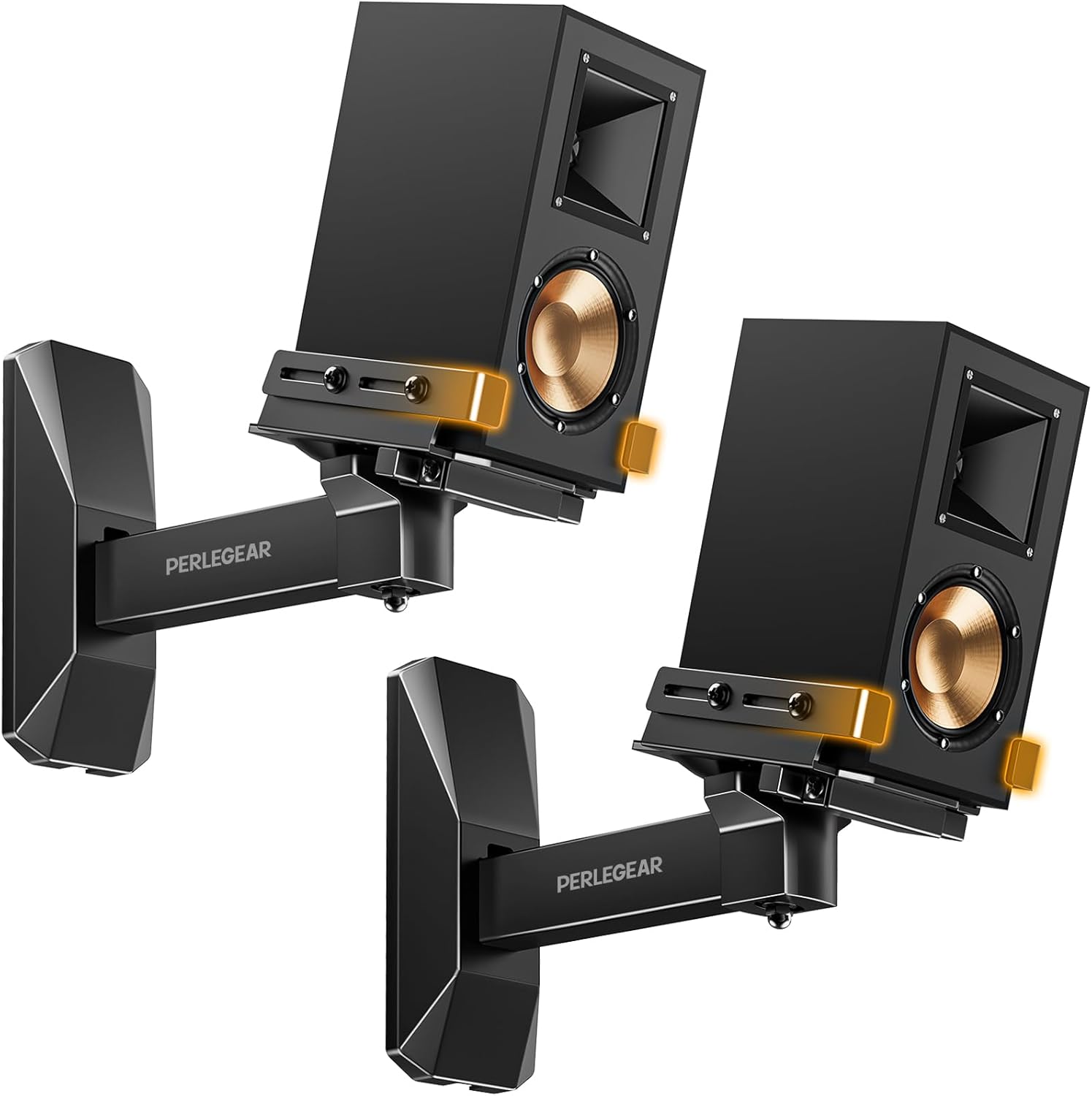
A static mount defeats the purpose of optimal placement. You need the ability to angle the speaker toward your primary listening area. Seek out mounts with a ball-joint or swivel design that allows for tilt, pan, and rotation. This flexibility lets you fine-tune the soundstage, ensuring effects travel correctly in a surround mix. The adjustable nature of these mounts is a key feature for any serious audio setup.
Evaluate Build Quality and Weight Capacity
The mount must be strong enough to hold your speaker securely for years. Check the specified weight capacity and ensure it exceeds your speaker’s weight with a safety margin. Construction materials matter: heavy-duty aluminum alloy or steel offers durability and corrosion resistance, especially for builds intended for longevity. For insights on durable options, our review of the best metal speaker mounts is a useful resource.
Consider the Installation Process and Included Hardware
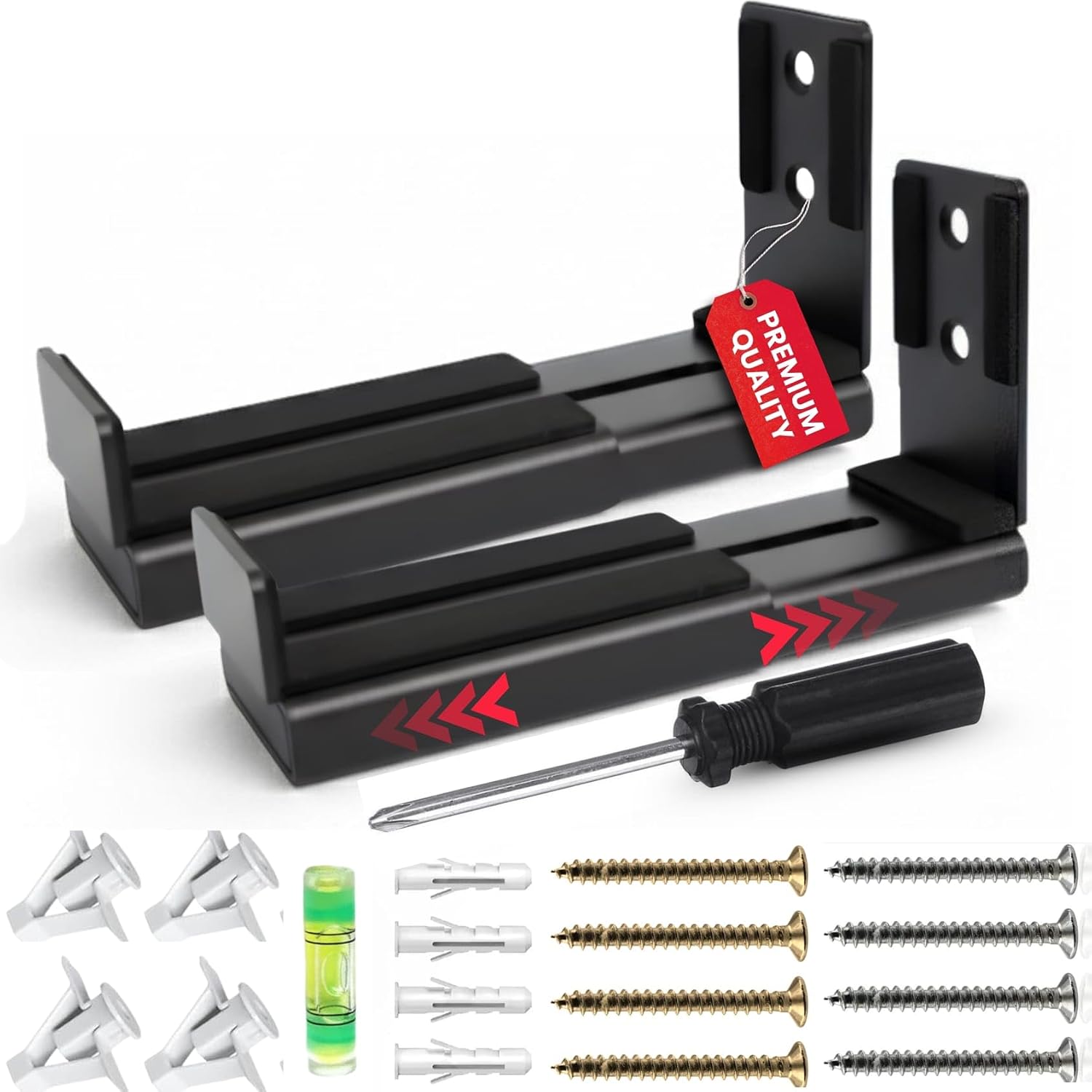
A good mount should make installation straightforward, even for DIY beginners. Look for a complete hardware kit that includes anchors for different wall types (drywall, concrete, brick), the necessary wrenches, and clear instructions. Some models, like the Upgraded Universal Metal Speaker Wall Mount, even incorporate a built-in bubble level to simplify alignment. A comprehensive kit means no last-minute trips to the hardware store.
Final Thoughts
Securing the right mount transforms your listening experience by enabling precise speaker placement. For a versatile, all-in-one solution that handles various thread types with robust construction, the Surround Sound Rear Speaker Wall Mount, Aluminum is an excellent choice. Alternatively, if you value a trusted brand with a proven track record and straightforward design, the classic Jumbl Speaker Wall Mount Brackets, 1/4-20 Thread remains a reliable and popular option for countless home theaters. Whichever you select, proper mounting is the final step to unlocking your system’s full potential.
Frequently Asked Questions
Are 1/4-inch thread speaker mounts truly universal?
While the 1/4-inch-20 thread is a very common standard, ‘universal’ usually refers to mounts that come with additional adapters for other connection types. Most quality mounts include screws for M4 and M5 metric threads and plates or screws for keyhole slots. Always check the product’s listed compatibility against your specific speaker model to confirm.
Can I use these mounts on a ceiling for Dolby Atmos speakers?
Yes, many of the mounts reviewed here are explicitly designed for both wall and ceiling installation. Ceiling mounting is ideal for creating overhead audio effects in a Dolby Atmos or DTS:X setup. Ensure the mount’s hardware kit includes appropriate anchors for ceiling material, whether it’s drywall or concrete.
What is the advantage of an aluminum mount over a steel one?
Aluminum alloy offers an excellent strength-to-weight ratio and is naturally corrosion-resistant, making it ideal for humid environments or outdoor use under eaves. Steel mounts are incredibly strong and often used in more heavy-duty commercial applications. For a focused comparison, see our guide on the best aluminum speaker mounts for your home audio setup.
How do I hide the speaker wires when using a wall mount?
Many modern mounting kits include cable ties or channels to help manage wires. For a cleaner look, you can run wires inside the wall using in-wall rated cable and wall plates, which is a more advanced project. Alternatively, use paintable cord covers that run along the wall and baseboard to conceal cables neatly.



Write Your Review
No reviews yet. Be the first to share your experience!