

Turning your pool laps into a private concert or an immersive podcast session is a fantastic way to stay motivated. The challenge has always been finding audio gear that can withstand the aquatic environment without sacrificing comfort or sound quality. If you are tired of counting tiles and want to add a soundtrack to your swim, you have come to the right place.
This guide is crafted specifically for swimmers seeking reliable, high-performance audio. We have reviewed a curated selection of nine sport and waterproof earbuds, from trusted names like SHOKZ and Psier to specialized brands like BeatH2O. Whether you prefer the open-ear awareness of bone conduction or the sealed audio of in-ear hooks, our analysis will help you find your perfect pool companion. For athletes who also train on land, our review of the best sport & waterproof earbuds for triathlons covers gear for multi-discipline endurance.
How to Choose Your Swimming Earbuds
Waterproof Rating and Audio Mode
For swimming, an IPX8 rating is the essential starting point, confirming the earbuds can handle prolonged submersion. The critical factor is understanding the audio mode. Bluetooth signals cannot travel through water, so any device must have a built-in MP3 player for underwater use. Look for models that make switching between Bluetooth for dryland and MP3 for swimming intuitively simple.
Some models offer substantial internal storage, like 32GB, holding thousands of songs. This feature grants you complete phone-free freedom in the pool. It is a key differentiator in the sport & waterproof earbuds category, separating casual water-resistant models from true swimming headphones.
Fit and Design for Aquatic Stability
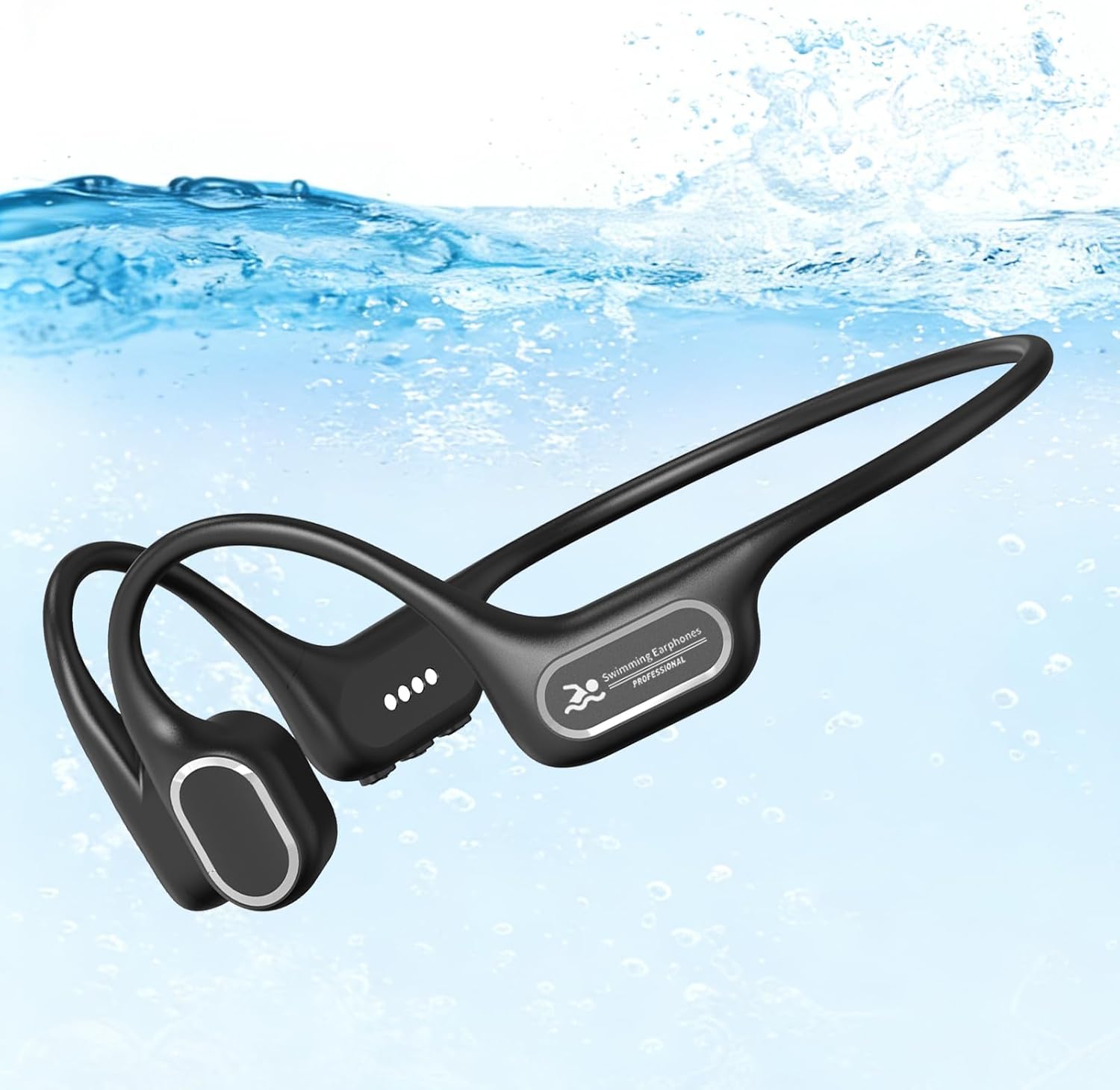
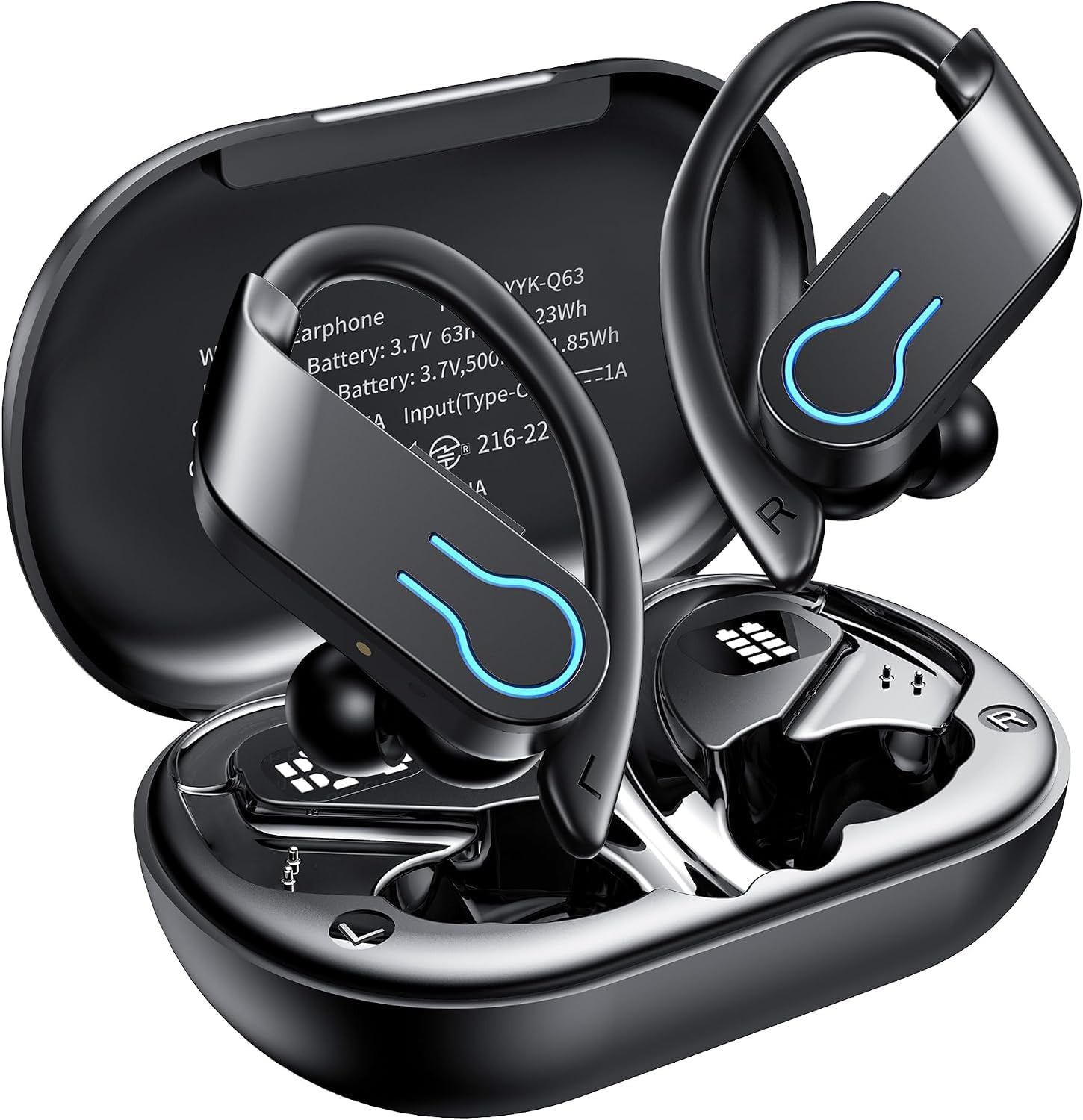
A secure fit is non-negotiable for flip turns and vigorous strokes. You will generally choose between two designs: bone conduction models that sit in front of your ears, or in-ear models with rotating hooks. Bone conduction keeps your ear canals open, while in-ear hooks create a seal. Both should integrate seamlessly under swim caps and goggles.
Comfort for extended wear is vital. Lightweight construction and skin-friendly silicone are common in top models. An adjustable headband or multiple ear tip sizes can make a significant difference in achieving a personal, stable fit that stays put for your entire session, similar to the needs for gym workouts.
Sound Quality and Battery Life
Sound transmission underwater is different from in air. Manufacturers use specific acoustic tuning, vibration technology, or bone conduction to deliver clear, intelligible audio. Some bone conduction models now combine air and bone drivers for richer sound. The goal is crisp audio that cuts through the ambient noise of water.
Battery life is measured for both MP3 and Bluetooth modes. For swimmers, the MP3 mode battery rating is most important. Look for at least 8 hours of underwater playback to ensure your headphones last through multiple swim sessions without frequent recharging. This endurance is a hallmark of dedicated performance gear.
Additional Features and Connectivity
Consider extra functionalities that enhance the experience. Some brands offer companion apps for custom EQ settings, AI music generation, or even multilingual translation. Magnetic charging is a convenient, port-free standard that simplifies powering up. For land use, the latest Bluetooth versions provide stable, low-latency connections for other sports.
These features add versatility, making a single pair of earbuds suitable for running, cycling, and other activities. This multi-sport capability is a strong reason many choose open-ear bone conduction technology, as it maintains situational awareness in any environment, from the pool to the hiking trail.
Final Thoughts
Selecting the right waterproof earbuds can transform your pool routine from a monotonous workout into an engaging, rhythm-driven experience. For swimmers who prioritize premium brand reputation and a streamlined, dedicated swim design, the SHOKZ OpenSwim Pro Open-Ear MP3 Headphones, Grey is a standout choice. Alternatively, if you seek advanced features like hybrid sound drivers and a versatile app at a more accessible point, the PSIER Bone Conduction Headphones offer exceptional value and performance for both water and land training.
Frequently Asked Questions
Can you use Bluetooth headphones for swimming?
No, Bluetooth radio waves cannot transmit through water. For swimming, you need headphones with a built-in MP3 player mode. You load music directly onto the device’s storage and switch to MP3 mode before entering the water. All quality swimming headphones operate this way, using Bluetooth only for connectivity on land.
How do bone conduction headphones work underwater?
Bone conduction headphones bypass your eardrums. They transmit sound vibrations through your cheekbones directly to your inner ear. This technology works effectively underwater because it does not rely on sound waves traveling through air or water into your ear canal. It allows you to hear your music while keeping your ears open to ambient sounds for safety.
What does IPX8 waterproof rating mean for swimmers?
An IPX8 rating certifies that a device is protected against continuous immersion in water beyond 1 meter, as specified by the manufacturer. For swimming headphones, this typically means they can be submerged at depths between 2 to 10 meters for extended periods, usually 1-2 hours. It is the highest rating for waterproofing you will generally need for pool laps and is essential for any gear rated for swimming in 2026.
How do I keep my swimming earbuds from falling out?
A secure fit relies on the right design and proper adjustment. For in-ear hook models, ensure you are using the correct size of silicone ear tip to create a seal. For bone conduction models, adjust the headband for a snug, comfortable fit behind your head. Most manufacturers recommend wearing a swim cap over the headphones for the ultimate secure fit during flip turns and intense swimming.





Write Your Review
No reviews yet. Be the first to share your experience!