

You push off the wall for another lap, the familiar sting of chlorine in the air. Your regular earbuds gave up weeks ago, corroded by constant pool exposure. Finding audio gear that survives this environment feels like a quest. Not all waterproof ratings are created equal, especially against the chemical cocktail of a swimming pool.
This guide is for swimmers, triathletes, and water sports enthusiasts who need more than just splash resistance. We evaluated the top earbuds specifically for their ability to withstand chlorine and provide reliable performance lap after lap. From bone conduction designs to secure in-ear hooks, here are the top contenders that won’t quit when the water gets tough.
How to Choose Chlorine-Resistant Earbuds
Understanding Waterproof Ratings and Seals
Look for an IPX8 rating as a minimum for submersion. This certification means the device can handle being underwater beyond one meter. For pool use, the sealing quality is crucial. Chlorine can degrade cheap seals over time. Models with nano-coatings or triple-seal designs offer better long-term protection against chemical exposure, not just fresh water.
It is vital to rinse your earbuds with fresh water after every pool session. This simple step removes chlorine residue that could compromise seals and internal components over many uses. Proper care extends the life of even the most durable models. For more on handling harsh environments, see our guide on saltwater resistance.
Prioritizing Secure Fit and Ergonomics
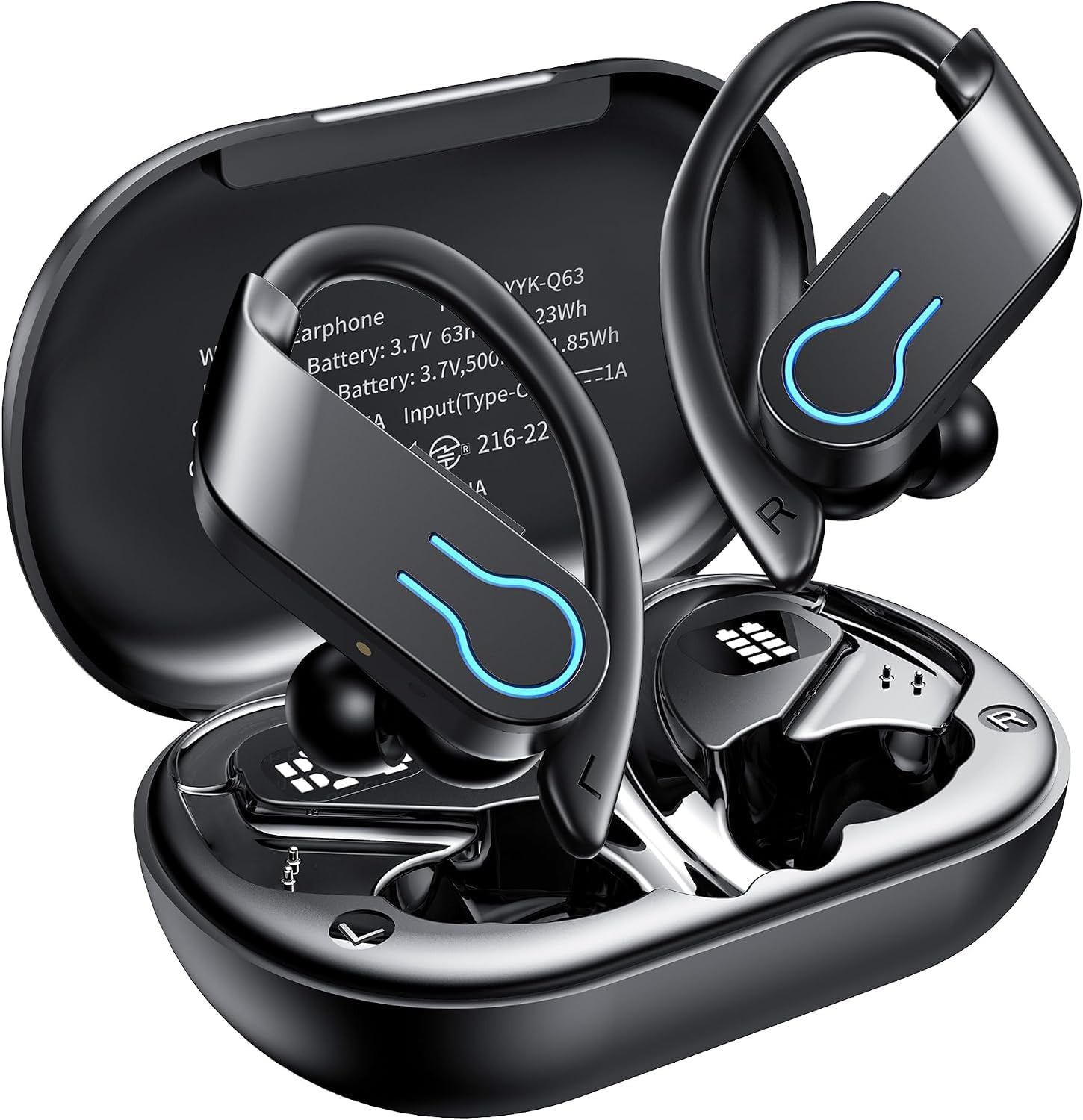
A perfect seal does more than keep water out. It ensures stable audio quality and prevents the earbud from flooding. Look for ergonomic designs with rotating ear hooks or adjustable neckbands. These features help the earbuds stay put during flip turns and intense strokes without causing fatigue.
Many swimmers prefer models compatible with swim caps and goggles. This combination provides a secondary layer of security. A stable fit is non-negotiable for focused training. Explore options with excellent swimming cap compatibility for the most integrated experience.
Evaluating Audio Technology for Water
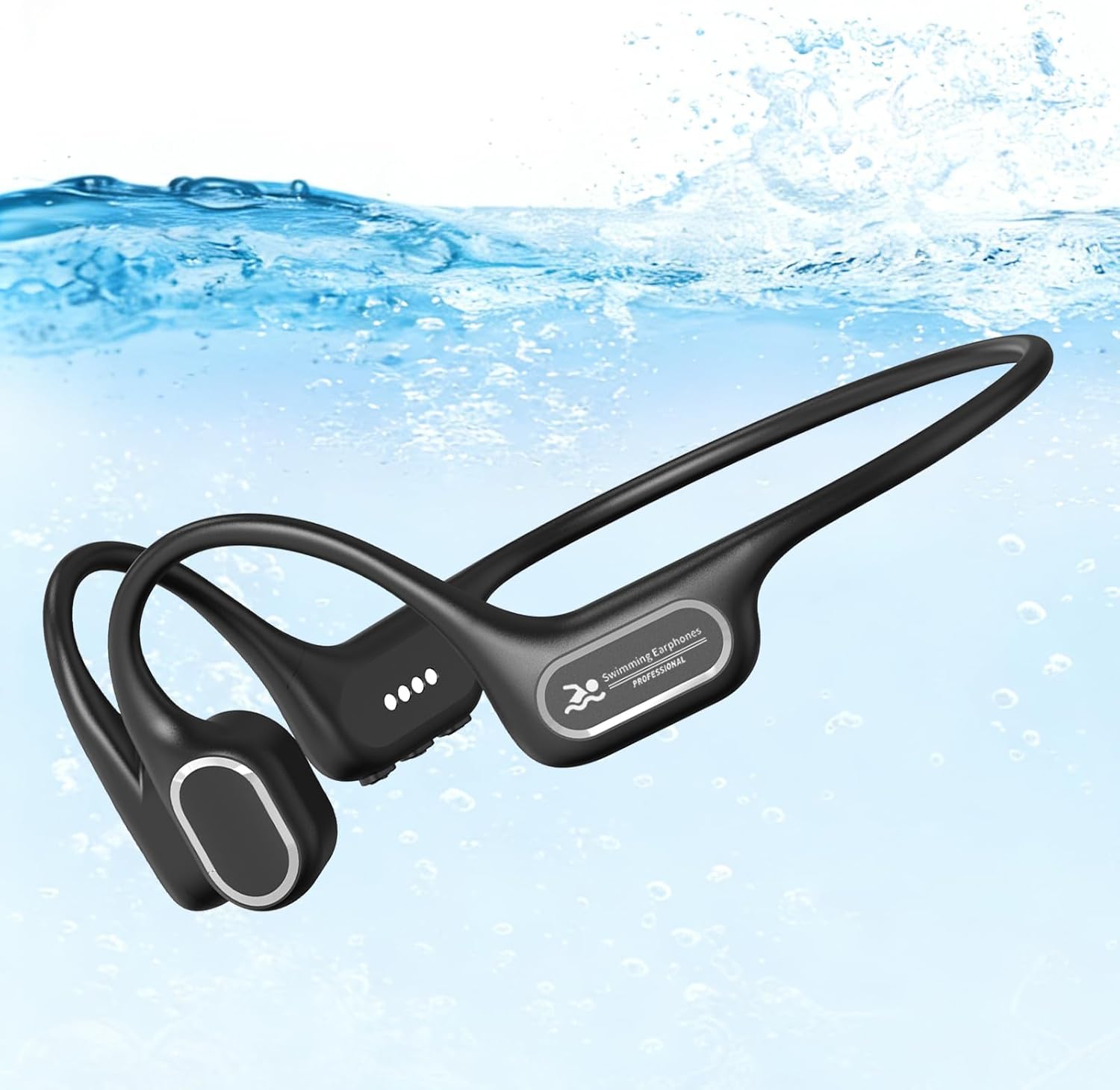
Sound behaves differently underwater. Standard audio can become muffled. Bone conduction technology transmits sound through your cheekbones, bypassing the water-filled ear canal. This often provides clearer audio for swimming. Some in-ear models use specialized drivers tuned for aquatic acoustics to minimize distortion.
Remember, Bluetooth signals cannot travel through water. All swimming requires a switch to offline MP3 mode. A built-in player with ample storage is essential. For a deeper dive into this topic, our review of earbuds with superior underwater audio is a great resource.
Assessing Durability and Material Quality
The housing material matters. Look for earbuds made with high-grade silicone or polymers that resist chemical degradation. Flexible, yet robust, neckbands made from titanium or memory wire maintain their shape after repeated exposure to water and chlorine. Avoid hard plastics that may become brittle.
Charging ports are a common failure point. Magnetic charging connectors are a significant advantage. They eliminate open ports where chlorine-laden moisture can settle and cause corrosion. This design choice greatly enhances long-term durability for frequent pool users. The open-ear and bone conduction category often features these robust designs.
Final Thoughts
Selecting the right earbuds for chlorinated water boils down to robust sealing, a secure fit, and audio technology suited for the medium. For dedicated lap swimmers who prioritize open-ear awareness and maximum pool durability, the IP68 Waterproof Swimming Headphones offer a reliable bone conduction solution. If you seek a traditional in-ear fit with advanced stability for competitive training, the JBL Endurance Peak 4 – Cancelling Sport Earbuds provide excellent security and sound. Whichever model you choose, consistent post-swim care will ensure your audio companion lasts for countless workouts to come.
Frequently Asked Questions
Can I use any waterproof earbuds in a chlorinated pool?
Not all waterproof earbuds are designed for chemical exposure. While an IPX8 rating indicates submersion protection, chlorine can degrade certain seals and materials over time. Look for models specifically marketed for swimming or those with noted chemical resistance. Always rinse them with fresh water after each pool session to prolong their life.
Why won’t my Bluetooth connect when I’m swimming?
Bluetooth radio waves cannot effectively transmit through water. This is a physical limitation of the technology, not a flaw in your earbuds. For swimming, you must use a built-in MP3 player mode. All quality swimming headphones offer this dual-mode functionality. You switch to MP3 mode before entering the water to enjoy stored music offline.
How do I keep my swimming earbuds from falling out?
A secure fit is achieved through ergonomic design and proper sizing. Look for models with ear hooks, adjustable neckbands, or fins that lock into the contours of your ear. Using a swim cap over the earbuds provides additional security. It is also crucial to select the correct size of silicone ear tips from the included options to create a personal seal. For more on this, our guide to earbuds with a secure locking fit offers detailed advice.
What is the difference between IP67 and IPX8 ratings?
The IP (Ingress Protection) code has two digits. The first indicates solid particle protection (like dust), and the second indicates liquid protection. IP67 means the device is dust-tight and can withstand immersion in up to 1 meter of water for 30 minutes. IPX8 has no specific dust rating (the ‘X’), but it guarantees protection against continuous submersion in water deeper than 1 meter, as defined by the manufacturer. For serious swimming, IPX8 is the standard to look for in 2026.





Write Your Review
No reviews yet. Be the first to share your experience!