

You have a quiet space, a passion for your craft, and a vision for your audio. Whether you are laying down vocal tracks, recording a podcast, or streaming to an audience, the final piece of the puzzle is finding the right microphone. The right tool can transform your raw sound into a polished, professional product. For many creators, the sweet spot lies in finding professional studio quality without a pro-level price tag.
This guide focuses on studio microphones that deliver exceptional performance while respecting a specific budget. We have assessed the market to identify options that provide the clarity, durability, and features you need for serious audio work. If you are looking for other budget-friendly recording gear, our guide to the best studio microphones under $300 offers additional great choices.
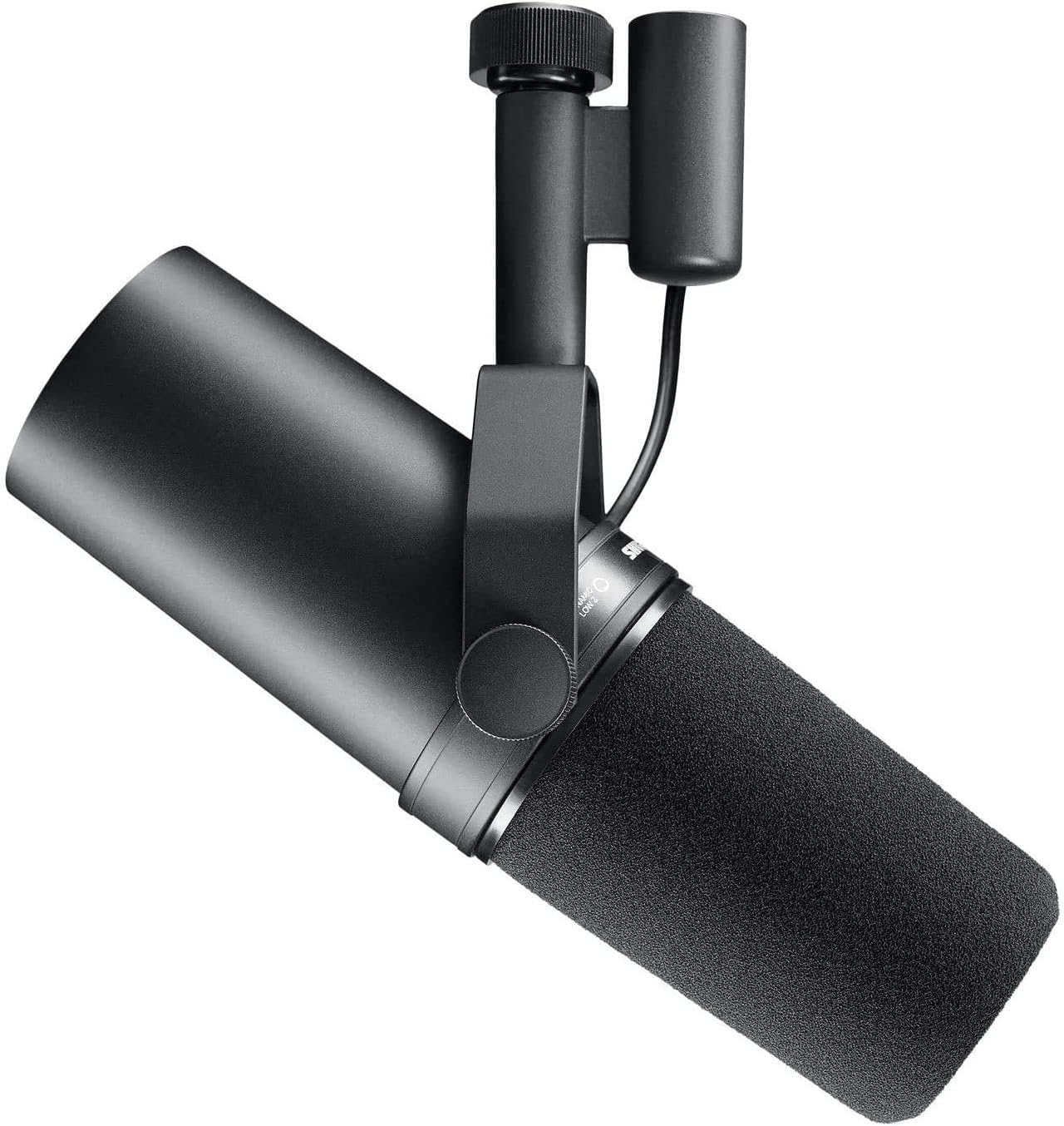
Pros
- Exceptional sound quality with warm, natural vocals that translate beautifully across podcasts, voiceovers, and music recording
- Excellent build quality with durable all-metal chassis and advanced shielding for long-term reliability
- Effective noise rejection through cardioid pattern and shock isolation keeps your voice front and center
- Includes dual windscreens and shock mount, reducing need for additional purchases
- Proven industry standard with massive community support and abundant online resources
Cons
- Requires at least 60dB of gain from your audio interface or preamp to achieve its signature warm tone, which may necessitate a cloudlifter for entry-level interfaces
- Premium price point means significant investment compared to budget-friendly alternatives
- Requires XLR connectivity and audio interface, not a plug-and-play USB solution for beginners
The Shure SM7B stands as an industry institution for professional audio recording and broadcasting. This is a professional-grade dynamic microphone engineered for podcasters, vocalists, streamers, recording engineers, and broadcast professionals who demand polished, studio-quality sound. Its legendary reputation stems from decades of consistent performance across top recording studios, radio stations, and streaming setups worldwide.
What sets the SM7B apart is its warm, balanced frequency response that captures vocal nuance with exceptional clarity while maintaining a fatigue-free listening experience. The precise cardioid pickup pattern works in concert with advanced air suspension shock isolation to minimize background noise, handling vibrations, and room reflections. Combined with built-in pop filtering and two included windscreens, the microphone delivers broadcast-ready audio straight out of the box without requiring additional noise reduction gear.
Build quality is exceptional with a rugged all-metal chassis and advanced electromagnetic shielding that prevents unwanted hum and interference. The microphone feels substantial and durable, built to withstand years of professional use. Its compact form factor and included locking yoke mount make it adaptable to various recording setups, from desktop streaming to mounted boom arm configurations.
One important consideration is that the SM7B performs optimally with at least 60dB of gain from your audio interface or external preamp. Entry-level interfaces may require a cloudlifter or similar preamp to unlock the microphone's signature warm tone. Additionally, this is an XLR-only microphone requiring an audio interface, making it less suitable for direct USB streaming without additional equipment.
The Shure SM7B remains the gold standard for anyone serious about professional audio quality. Whether you're launching a podcast, recording music vocals, or streaming content, this microphone delivers the clarity, warmth, and reliability that justify its investment. For creators unwilling to compromise on sound quality, the SM7B is a professional-grade choice that will serve reliably for years.
Audio Performance
Frequency Response: 50 Hz to 20,000 Hz
Polar Pattern: Cardioid (unidirectional)
Signal-to-Noise Ratio: 60 dB
Impedance: 150 ohms
Physical Design
Microphone Type: Dynamic
Connector: XLR
Enclosure Material: All-metal construction
Color: Charcoal Gray
Weight: 2.7 pounds
Dimensions: 13.5 x 7 x 4.5 inches
Power & Connectivity
Power Source: Does not require phantom power
Connection Type: Professional XLR output
Recommended Gain: Minimum 60dB for optimal warm tone
Included Accessories
Close-talk windscreen
Foam windscreen
Locking yoke mount
Warranty: 2-year limited warranty
Ideal For
Podcasters seeking broadcast-quality audio without post-production noise reduction
Professional vocalists and singers recording in home or studio environments
Content creators and streamers who prioritize audio quality
Voice-over artists and audiobook narrators requiring warm, clear vocals
Recording engineers and producers working with limited budgets but high standards
Radio broadcasters and audio professionals requiring industry-standard equipment
Consider Alternatives If
You need a budget-friendly microphone under $200 for casual use
You require USB-only connectivity without an audio interface
You have a low-gain audio interface and cannot accommodate a preamp
You prioritize wireless connectivity or portability over studio quality
Buying Guide: Choosing Your Studio Microphone
Dynamic vs. Condenser: Know Your Sound
The first major decision is microphone type. Dynamic microphones, like the Shure SM7B, are incredibly robust. They handle high sound pressure levels with ease, making them ideal for close-miking loud vocalists or instruments.
Condenser microphones are generally more sensitive and capture a wider frequency range. They excel at recording acoustic guitars, detailed vocals, or room ambiance. Your choice depends entirely on your primary use case and recording environment.
Polar Pattern: Controlling Your Audio Space
The polar pattern dictates how the microphone picks up sound from different directions. A cardioid pattern is the most common for studio vocals. It captures sound primarily from the front while rejecting noise from the sides and rear.
This focus is crucial for home studios or environments with less-than-perfect acoustics. It helps isolate your voice from computer fans, room echo, or other background distractions, ensuring a cleaner recording from the start.
Build Quality and Included Features
Your microphone is an investment. Look for durable construction with metal housings and reliable internal components. Features like integrated pop filters, internal shock mounts, and sturdy connectors add value and convenience.
These built-in elements can save you from purchasing additional accessories immediately. For instance, a good internal pop filter mitigates plosive sounds, which is essential for clear speech, whether for a video call or a professional voiceover.
Your Audio Interface and Gain Requirements
Studio microphones typically use an XLR connection and require phantom power for condenser models. You need a compatible audio interface. Some dynamic microphones are gain-hungry and may require a dedicated preamp or an interface with ample clean gain.
Always verify that your existing or planned interface can provide enough gain without introducing noise. Our review of the best audio interfaces with phantom power can help you find a suitable match for your new microphone.
Final Thoughts
Selecting the right studio microphone is a pivotal step in elevating your audio projects. For creators seeking a legendary, broadcast-ready dynamic microphone, the Shure SM7B Dynamic Vocal Microphone for Podcasting remains a benchmark for vocal clarity and noise rejection. To explore a wider range of professional audio equipment, visit our comprehensive Recording & Musical Instruments category for more insights and reviews.
Frequently Asked Questions
Do I need a cloudlifter or preamp with a dynamic microphone like the SM7B?
Many modern audio interfaces provide sufficient clean gain for dynamic microphones. However, if you find yourself cranking your interface’s gain knob to near maximum and hearing background hiss, an inline preamp like a cloudlifter can be a valuable addition. It provides clean gain boost before the signal hits your interface, improving your signal-to-noise ratio.
Can I use a studio microphone for live streaming?
Absolutely. Studio microphones are excellent for streaming as they provide superior audio quality compared to typical USB gaming headsets. The key is ensuring you have an audio interface to connect the XLR microphone to your computer. This setup delivers professional, warm sound that can significantly enhance your stream’s production value and audience engagement. For more on audio for modern content, check out our Wireless & Streaming Audio resources.
What is the difference between a USB microphone and an XLR studio microphone?
USB microphones have a built-in analog-to-digital converter and connect directly to your computer via USB. They are convenient and plug-and-play. XLR microphones require a separate audio interface but offer far greater flexibility, higher potential sound quality, and the ability to upgrade components (like the interface or cables) independently. For serious recording work, an XLR setup is the standard choice.
How important is acoustic treatment for using a studio microphone?
Acoustic treatment is very important, especially for condenser microphones which are more sensitive to room sound. Even in a treated space, using a dynamic microphone with a tight cardioid pattern can help minimize room noise. Start by recording in a soft-furnished, quiet room, and consider basic treatments like bass traps and acoustic panels if you hear excessive echo or boominess in your recordings.


Write Your Review
No reviews yet. Be the first to share your experience!