

You want that deep, room-shaking bass for your movies and music, but you are tired of the cable chaos. Running a long subwoofer cable from your receiver to the perfect corner spot is a hassle. It often involves lifting carpets or tacking wires along baseboards, which can ruin your room’s aesthetic.
This guide is for anyone looking to upgrade their sound system with clean, powerful bass. We have reviewed the leading subwoofers with built-in wireless technology and standalone adapters that set your bass free. Our goal is to help you find a solution that delivers exceptional performance without the wire management headache. For a broader look at low-frequency speakers, explore our main subwoofers category.
| Pick | Product | BRD Score | Where to buy |
|---|---|---|---|
| Top Pick 16% OFF |
 Polk Audio PSW10 10-Inch Powered Subwoofer |
9.7/10 | View on Amazon.com |
| 29% OFF |
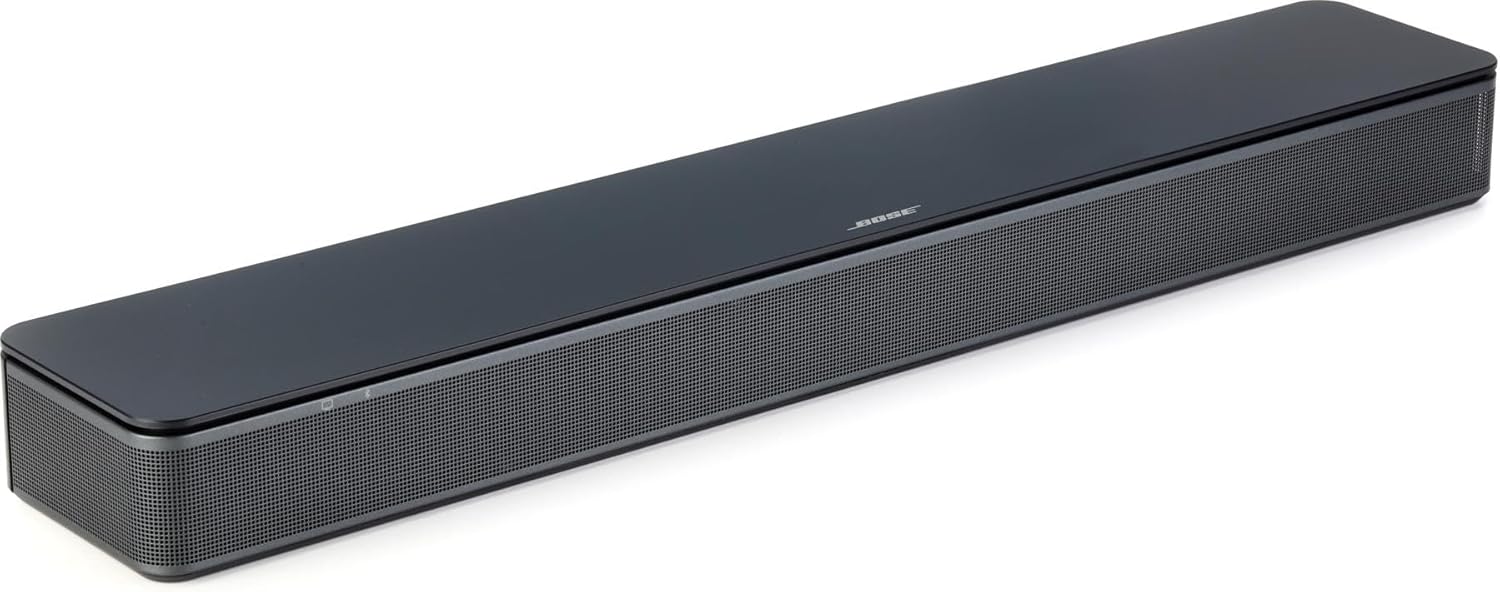 Bose TV Speaker Compact Soundbar with Bluetooth |
9.8/10 | View on Amazon.com |
Prices and discounts as of Nov 23, 2026 and may have changed. Check Amazon for the current price.
Pros
- Powerful 100W dynamic output in a compact, space-saving enclosure ideal for smaller rooms
- Versatile hookup options including RCA and speaker-level connections suit a wide range of receivers and amplifiers
- Adjustable crossover and volume controls make tuning simple and precise for any listening environment
- Durable resonance-free driver materials ensure consistent performance during extended high-volume use
- Comprehensive 5-year limited warranty with dedicated amplifier coverage adds strong long-term value
Cons
- At 11.8 kg the unit is relatively heavy for its size, which may complicate placement or repositioning in tight spaces
- The 40-160 Hz frequency response means it is optimized for bass duties only and will not extend into higher mid-range frequencies
- No wireless connectivity option means cable management is required for clean installation in modern setups
The Polk Audio PSW10 is a 10-inch powered subwoofer designed for home theater and stereo enthusiasts who want impactful bass without dedicating a large footprint to their audio setup. It targets small to mid-sized rooms and works as a straightforward upgrade to any existing speaker system, requiring no separate amplifier thanks to its fully self-contained design.
At the heart of the PSW10 is a Dynamic Balance woofer paired with a high-current 50W RMS amplifier capable of delivering up to 100 watts of dynamic power. The configured directed port enhances bass depth and extension, producing a frequency response of 40-160 Hz that covers the full range of cinematic low-end effects and musical bass lines with impressive accuracy and minimal distortion.
The cabinet is engineered from non-resonant materials, which prevents unwanted vibrations from coloring the sound at high volumes. A detachable front grille, clean black finish, and compact 17 x 14.25 x 14.5 inch dimensions give the PSW10 a tidy, unobtrusive appearance that fits neatly alongside most furniture. Connectivity is straightforward, with RCA line-level and speaker-level inputs and outputs on the rear panel alongside a Phase Toggle Switch for users running dual subwoofer configurations.
One honest drawback is the lack of wireless connectivity, which is increasingly common at this price point and would simplify placement in modern living rooms. The unit is also on the heavier side at nearly 12 kg, so moving it around during setup can be a bit cumbersome. Additionally, the crossover filter tops out at 160 Hz, so users pairing it with small satellite speakers should verify their main speakers can cover the upper bass and midrange adequately.
Overall, the Polk Audio PSW10 is a well-engineered, reliable subwoofer that delivers genuine low-frequency performance in a compact package. Its flexible inputs, adjustable crossover, and robust warranty make it a smart and accessible choice for anyone looking to add serious bass to a home theater or music system without complexity or compromise.
Driver Size: 10 inches | Amplifier Power: 50W RMS, 100W Dynamic | Frequency Response: 40-160 Hz (-3dB) | Impedance: 8 ohm | Channels: 5.1 compatible
Crossover: Continuously variable 80-160 Hz low-pass filter | Connectivity: RCA line-level input/output, Speaker-level input/output | Power Source: AC corded | Mounting: Floor mount
Dimensions: 17 inches D x 14.25 inches W x 14.5 inches H | Weight: 11.8 kg | Color: Black | Model Number: AM1055-C (PSW10)
Warranty: 5-year limited warranty, 3 years on amplifier parts and labor | In the Box: Powered subwoofer, grille, online registration card, owner's manual | Manufacturer: DEI Holdings (Polk Audio)
If you are shopping for your first subwoofer, the PSW10 is an excellent starting point. Its self-contained amplifier means you do not need to budget for a separate sub amp, and its dual input options make it compatible with virtually any AV receiver, stereo amplifier, or even a soundbar with a subwoofer output.
Room size is an important consideration. The PSW10 performs best in rooms up to roughly 2,000 square feet. For larger spaces or dedicated home theater rooms, you may want to consider a larger driver or a higher-wattage model, but for typical living rooms and apartments this unit delivers more than enough output.
When positioning the subwoofer, start by placing it near the front of the room close to your main speakers, then use the rotary volume and crossover controls to dial in a balanced blend. The Phase Toggle Switch is particularly useful if you ever expand to a dual-subwoofer setup, helping eliminate bass cancellation between units.
Buyers who prioritize wireless convenience or who are building a fully cable-free setup should note that the PSW10 uses only wired connections. In that case, pairing it with an aftermarket wireless subwoofer adapter is a straightforward workaround. For everyone else, the PSW10 represents a dependable, high-value choice backed by a strong warranty and Polk Audio's decades of acoustic engineering expertise.
Pros
- Exceptional speech and dialogue clarity thanks to a dedicated center tweeter and Dialogue Mode
- Effortless setup with a single cable connection and included optical cable
- Versatile connectivity with HDMI-ARC, optical, AUX, and Bluetooth inputs
- Sleek, low-profile design blends seamlessly with any TV setup
- Expandable with optional Bose subwoofers for a fuller home theater experience
Cons
- HDMI cable is sold separately, which may add unexpected cost for users who prefer that connection method
- At 35 watts with no built-in subwoofer, bass performance may feel limited for action movies or music lovers without an upgrade
- Wall mounting brackets are sold separately, adding cost for those who want a cleaner installation
The Bose TV Speaker is a compact all-in-one soundbar built specifically to solve one of the most common frustrations with modern flat-screen TVs: poor audio quality and hard-to-understand dialogue. At just 2.21 inches tall and 23.38 inches wide, it is designed for everyday TV watchers, seniors, and anyone who wants a straightforward audio upgrade without the complexity of a full surround sound system.
The standout feature here is the Enhanced Dialogue Mode, which uses a dedicated center tweeter to sharpen vocal clarity and pronunciation. Combined with two angled full-range drivers and built-in Dolby decoding, the soundbar delivers surprisingly wide and natural-sounding audio for its compact size. Real-world performance is well-suited for news broadcasts, dramas, and talk shows where speech intelligibility is the priority.
Design-wise, Bose has kept things clean and minimal. The slim black enclosure is built from durable plastic and sits unobtrusively in front of a TV. Small LED indicators on the front provide subtle visual feedback for volume changes and feature activation. The included remote control is compact and straightforward, offering quick access to Dialogue Mode and a bass boost toggle.
There are a few honest limitations worth noting. The soundbar outputs 35 watts with no built-in subwoofer, so bass response is modest on its own. Users who enjoy action films or bass-heavy music will likely want to invest in the optional Bose Bass Module 500 or 700. Additionally, the HDMI cable is not included, and wall mounting brackets are sold separately, which can add to the overall cost.
Overall, the Bose TV Speaker earns its reputation as one of the best compact soundbars in its category. It excels at what it promises: clearer TV audio with minimal setup effort. It is a strong choice for anyone seeking a reliable, brand-trusted audio upgrade that is simple to use and easy to place in any living space.
Dimensions: 4.02 inches D x 23.38 inches W x 2.21 inches H. Weight: 8.2 pounds. The slim profile makes it easy to place on a TV stand or media console without obstructing the screen.
Audio: 35 watts maximum output power, stereo audio output mode, dynamic driver type with a 5.6 cm audio driver size and 1-inch tweeter diameter. Built-in Dolby decoding enhances audio realism.
Connectivity: HDMI-ARC with CEC support, optical audio input (cable included), AUX input (3.5mm), and Bluetooth with a 30-foot wireless range. Supports up to 3 paired Bluetooth devices simultaneously.
Compatibility: Works with all televisions. Expandable with Bose Bass Module 500 or 700 via Bose Bass Module Connection Cable or standard 3.5mm audio cable (both sold separately). Wall brackets also sold separately.
In the Box: Bose TV Speaker, remote control with pre-installed battery, optical cable, power cord (5 ft), and quick start guide. Model number: 838309-1100. Warranty: 1-year limited warranty from Bose.
If you are shopping for a soundbar primarily to improve TV dialogue clarity, the Bose TV Speaker is one of the most targeted solutions available. Its Dialogue Mode and center tweeter design make it especially well-suited for households where hearing speech on TV is the main concern, including older adults or those with mild hearing difficulties.
For buyers who want a simple plug-and-play experience, this soundbar delivers. Setup takes only minutes with the included optical cable, and HDMI-ARC connectivity means you can use your existing TV remote to control volume. There is no app required, no complex configuration, and no steep learning curve.
However, if you are a dedicated home theater enthusiast looking for booming bass and cinematic surround sound, this soundbar alone may not fully satisfy. Consider pairing it with the Bose Bass Module 500 or 700 for a more immersive experience. Budget-conscious buyers should also factor in the cost of an HDMI cable and optional wall brackets if needed.
Compared to generic budget soundbars, the Bose TV Speaker justifies its price through brand reliability, audio engineering quality, and the expandable ecosystem. It is a long-term investment for anyone who values clear, natural sound over raw volume or deep bass. It is best matched with small to medium-sized living rooms and TVs up to 55 inches.
Buying Guide for Wireless Subwoofers
Wireless Technology and Range
The core of a wireless subwoofer is its transmission method. Most systems use a proprietary 2.4GHz or 5GHz wireless link. A stable connection is critical to avoid audio dropouts or latency, which can cause a distracting delay between the sound from your main speakers and the bass.
Consider the operational range, typically between 50 to 100 feet in open space. Walls and other obstacles will reduce this distance. For larger rooms, look for systems with a strong, reliable signal that promises minimal interference from Wi-Fi networks and other household devices.
Subwoofer Performance and Power
Wireless capability should not come at the expense of sound quality. The subwoofer’s driver size, amplifier power, and cabinet design determine its output and depth. An 8-inch driver is great for small to medium rooms, while 10-inch or larger drivers pressurize larger spaces more effectively.
Pay attention to the frequency response, especially the low-end extension. A subwoofer that reaches down to 35Hz or lower will reproduce the deepest cinematic rumbles and musical notes. For guidance on models known for clean output, see our review of the best subwoofers with low distortion.
System Integration and Flexibility
How will the subwoofer connect to your existing setup? Some wireless subwoofers are designed to pair seamlessly with specific soundbars or speaker ecosystems, like Sonos. Others use a universal transmitter that plugs into any AV receiver’s subwoofer output.
This flexibility is key. A standalone wireless adapter kit can transform almost any powered subwoofer into a wireless unit. This option is perfect if you already own a great subwoofer but want to eliminate the cable. It offers future-proofing for system upgrades.
Ease of Setup and Controls
The best wireless systems are truly plug-and-play. Look for pre-paired transmitter and receiver units that connect automatically. Physical controls like phase switches and low-pass crossover knobs are important for fine-tuning the bass to blend perfectly with your main speakers.
Some modern systems offer app-based control, room calibration, and sound mode presets. These features can significantly enhance the final sound by adjusting for your room’s unique acoustics. For other modern audio solutions, check out our picks for the best modern subwoofers.
Final Thoughts
Upgrading to a wireless subwoofer system is a smart move for a cleaner, more flexible home theater or music setup. Whether you choose an all-in-one solution like the Sonos Sub Mini for its seamless ecosystem integration or a versatile adapter like the SVS SoundPath Tri-Band Wireless Audio Adapter to liberate your existing sub, you will enjoy powerful, placement-perfect bass without the cable chase.
Frequently Asked Questions
Is there a delay with wireless subwoofers?
High-quality wireless subwoofer systems use low-latency technology to minimize delay. In most cases, any delay is imperceptible, ensuring audio from the subwoofer is synchronized with your main speakers for a cohesive soundstage.
Can I make my current wired subwoofer wireless?
Yes, you can. A standalone wireless audio adapter kit is the perfect solution. You connect a transmitter to your AV receiver’s subwoofer output and a receiver to your subwoofer’s input. This effectively removes the need for a long RCA cable between them.
What should I do if my wireless subwoofer has connection issues?
First, ensure the transmitter and receiver are powered on and within range. Try to minimize physical obstructions and distance. Also, check for potential interference from other wireless devices like routers. Repositioning either unit can often resolve intermittent dropouts.
Are wireless subwoofers compatible with all brands?
Wireless subwoofers designed for specific ecosystems, like Sonos, typically only work within that brand’s system. However, universal wireless adapter kits work with any powered subwoofer that has a standard line-level input, offering broad compatibility across brands. For more on brand-specific options, our guide to the best subwoofers for sonos is a great resource.




Write Your Review
No reviews yet. Be the first to share your experience!