

You’ve invested in a quality surround sound system, but the audio feels flat or misdirected. The culprit is often speaker placement, especially for overhead or rear channels. Mounting speakers on the ceiling without proper angling means sound waves scatter, losing the immersive punch of a movie’s climax or the subtle ambiance of a music track. The right tilting ceiling speaker mount solves this by letting you point your speakers exactly where you need them, transforming a good audio setup into a great one.
This guide is for anyone looking to optimize their home theater, gaming room, or commercial audio installation. We’ve evaluated eight top-rated tilting ceiling speaker mounts, focusing on their adjustment range, build strength, and compatibility. Whether you’re installing Dolby Atmos height channels or rear surrounds, you’ll find a secure and flexible solution here. For more on mounts that offer extensive rotational freedom, explore our guide on the best swivel ceiling speaker mounts.
Top Tilting Ceiling Speaker Mounts Compared
How to Choose the Best Tilting Ceiling Speaker Mount
Adjustment Range and Locking Mechanism
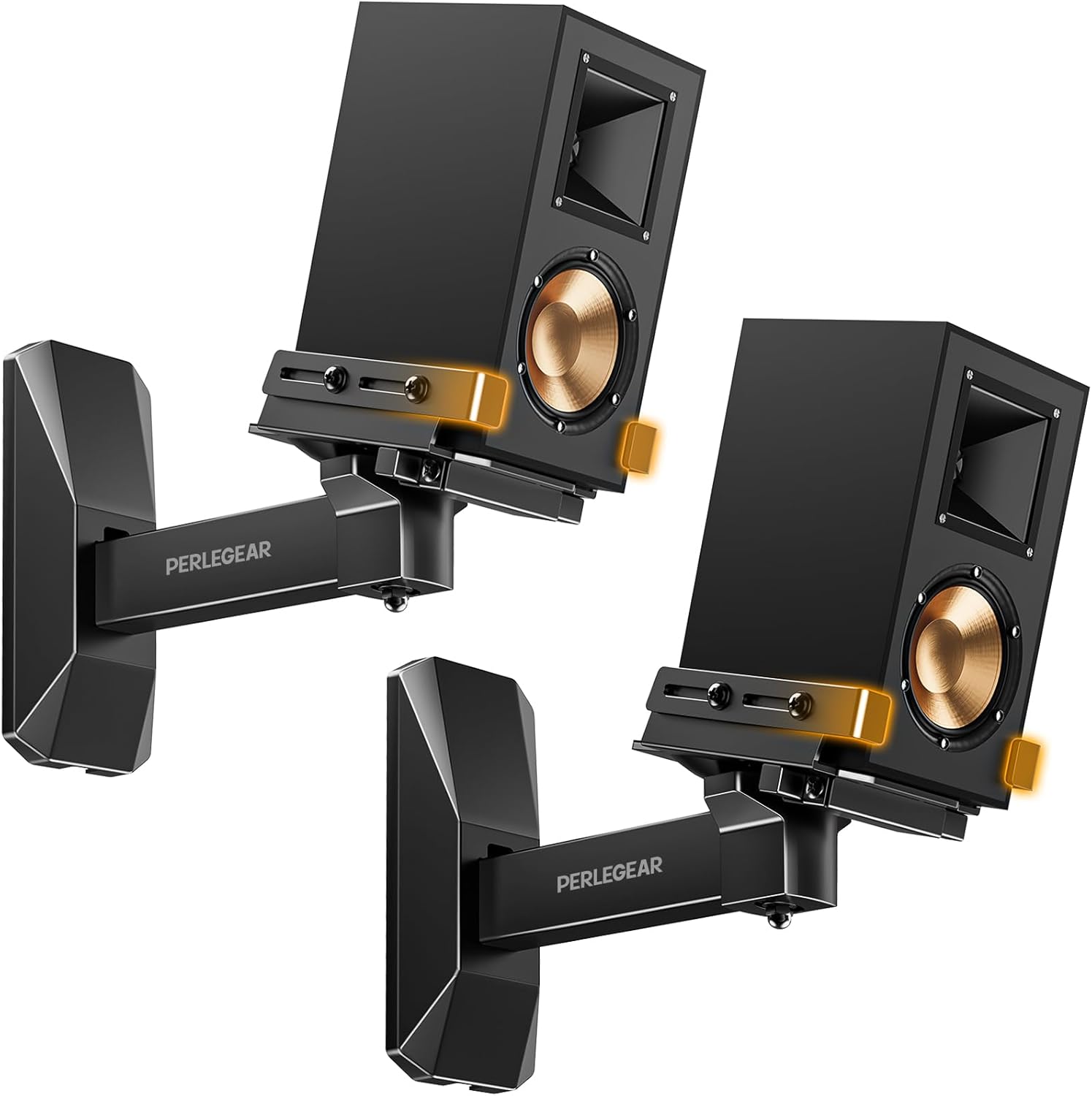
The primary reason you choose a tilting mount is for directional control. Look for a mount with a sufficient tilt range, typically between ±30° and ±90°, to aim sound from a high ceiling down to your listening area. A ball-joint design, like on the Universal Rear Speaker Wall Mount Bracket, offers the most flexibility, combining tilt with pan and rotation. Crucially, ensure the joint has a secure locking mechanism to prevent sagging over time, keeping your careful calibration intact.
Weight Capacity and Build Material
Always check the mount’s maximum weight rating against your speaker’s actual weight. Exceeding this limit is a safety hazard. For smaller satellite speakers, a rating of 10-15 lbs is often sufficient. For larger or heavier speakers, seek out robust options like the Ceiling Speaker Mount, Swivel & Tilt or the heavy-duty ceiling speaker mounts we’ve reviewed separately. The construction material is equally important; heavy-gauge steel or aluminum alloy ensures long-term durability and vibration resistance.
Compatibility and Mounting Versatility
Universal compatibility saves time and frustration. Most quality mounts support the standard 1/4″-20 thread and common M4/M5 screw sizes. Some, like the VideoSecu models, also accommodate keyhole mounts. Determine if you need a dedicated ceiling mount or a 2-in-1 design suitable for walls and ceilings. Consider the mount’s profile as well; a low-profile design keeps speakers closer to the ceiling for a cleaner look. For commercial environments where security is a concern, features like the anti-theft cable on the Mount-It! Speaker Mount for Wall and Ceiling are invaluable.
Included Hardware and Ease of Installation
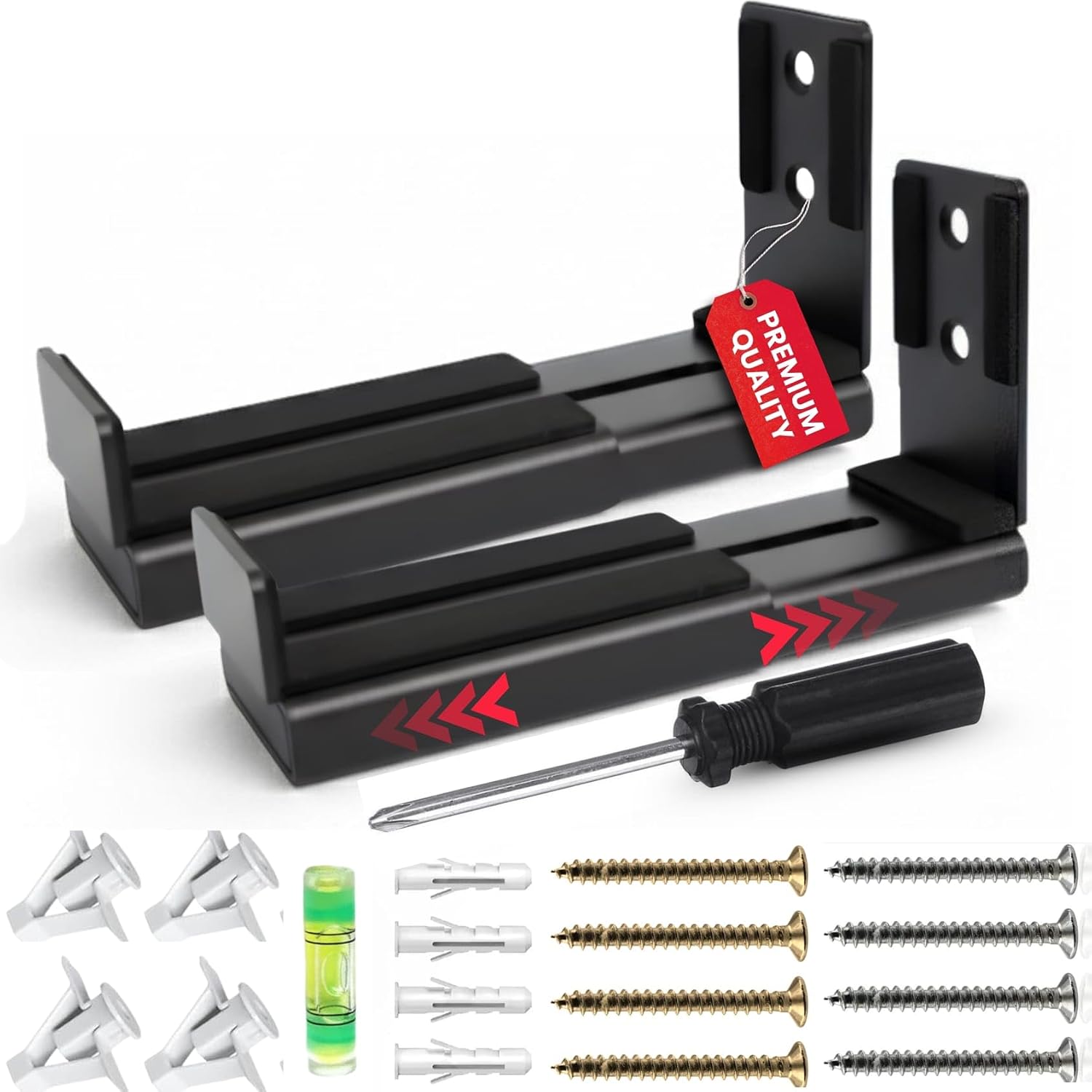
A complete installation kit is essential. Look for packages that include hardware for both drywall and concrete, along with necessary adapters, a hex wrench, and cable management ties. Clear instructions or video guides can turn a complex job into a straightforward DIY project. The goal is to get your system up and running quickly, without extra trips to the hardware store. For large-scale commercial installations, this efficiency is a major time-saver.
Final Thoughts
Selecting the right tilting ceiling speaker mount elevates your audio experience by ensuring sound is projected with intention. For a versatile and highly adjustable option suitable for most home theaters, the Speaker Ceiling Mount for Satellite Speaker is an excellent choice. If your project involves heavier speakers or requires a robust commercial solution, the Mount-It! Speaker Mount for Wall and Ceiling offers exceptional strength and security. You can explore our full category of speaker mounts and wall brackets for more specialized options to complete your perfect audio setup.
Frequently Asked Questions
What is the advantage of a tilting ceiling speaker mount?
A tilting mount allows you to direct sound waves precisely toward your listening area. This is critical for ceiling-mounted speakers in surround sound or Dolby Atmos setups, as it corrects the audio path for clearer dialogue, more accurate sound effects, and a truly immersive soundstage. Without tilt, sound disperses broadly, losing focus and impact.
How do I know if a ceiling speaker mount is compatible with my speakers?
First, check the mounting pattern on the back of your speaker. Look for a threaded insert (common sizes are 1/4″-20, M4, or M5) or a keyhole slot. Then, verify that the mount you’re considering supports that specific pattern. Most product listings, like those for the VideoSecu Speaker Wall Ceiling Mount Bracket One, explicitly list the thread sizes and mounting types they accommodate. Always double-check the weight rating as well.
Can I install a tilting ceiling speaker mount by myself?
Yes, most tilting ceiling mounts are designed for DIY installation. They typically come with all necessary hardware, a template, and step-by-step instructions. The process usually involves locating ceiling joists for the most secure attachment, drilling pilot holes, and then securing the mount with the provided screws and anchors. Having a helper to hold the speaker while you secure it to the mounted bracket is recommended for safety and ease.
Are there tilting mounts for very heavy speakers?
Absolutely. While many mounts are designed for satellite speakers under 15 lbs, several models are built for heavier duty. The Ceiling Speaker Mount, Swivel & Tilt boasts a high weight capacity, and the Speaker Wall, Ceiling, or Shelf Mounts Brackets are also engineered for substantial loads. Always prioritize a mount whose rated capacity significantly exceeds your speaker’s weight for a margin of safety, especially for permanent overhead installation.



Write Your Review
No reviews yet. Be the first to share your experience!