

On a noisy construction site, your focus needs to be split between the task at hand and your surroundings. Traditional earbuds that seal your ear canal can create a dangerous sense of isolation, blocking crucial environmental sounds like equipment backing up, shouted warnings, or structural creaks. You need audio gear that respects the job’s hazards while delivering the motivation and clarity of your playlists or podcasts. This guide is for the tradesperson who wants reliable sound without compromising safety or durability.
We have evaluated the leading options designed for industrial environments. Our focus is on true wireless models that combine job-site awareness with professional-grade toughness. Below, you will find a direct comparison of two highly-rated DEWALT products engineered for this exact purpose. For other active lifestyles, explore our guide on the best true wireless earbuds for fitness.
Buying Guide: Choosing Job-Site Earbuds
Prioritize Situational Awareness
For construction work, hearing your environment is non-negotiable. Look for an open-ear or bone conduction design that keeps your ear canal clear. This allows you to hear colleagues, machinery, and ambient sounds clearly. The technology directs audio toward your ear without creating a seal. It is the safest choice for any dynamic or hazardous worksite.
Some in-ear models feature transparency modes, but a dedicated open-ear design is often more reliable. It requires no electronic processing to function. This passive safety feature ensures you are always aware, even if the battery dies. Learn more about this technology category in our overview of open-ear and bone conduction headphones.
Demand Rugged Durability and Protection
Jobsites are harsh. Dust, debris, sweat, and the occasional splash are all in a day’s work. Your earbuds must have a high Ingress Protection (IP) rating. Look for a rating of IP55 or higher for the earbuds themselves. This confirms resistance to dust and water jets from any direction.
The charging case should also have a protective rating. A ruggedized case design is a must. It should survive being tossed in a tool bag or dropped from a workbench. Materials like reinforced plastics and rubber seals are good indicators of a build meant for professional use.
Ensure a Secure, All-Day Fit
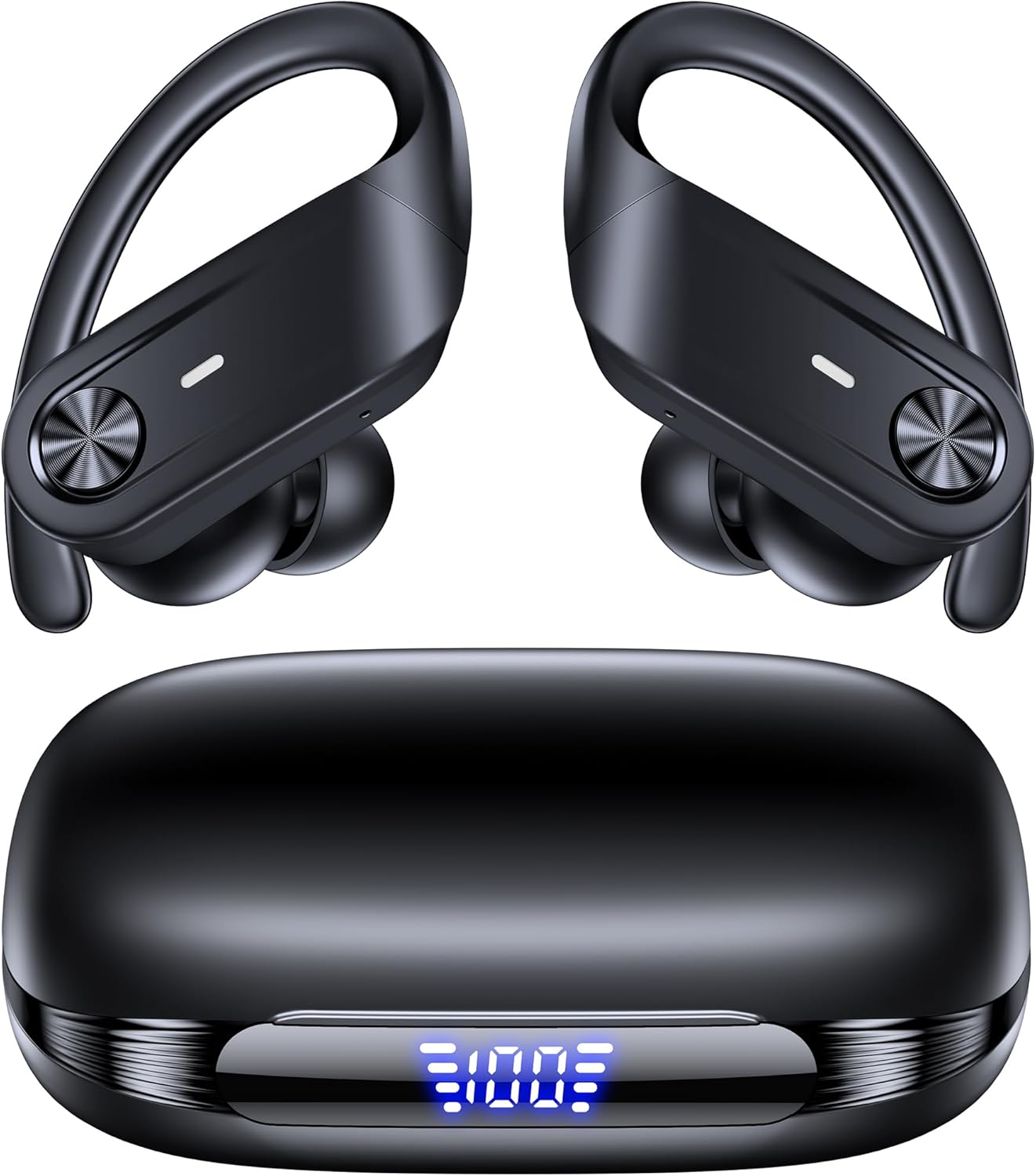
You cannot be constantly adjusting your earbuds while wearing a hardhat or handling tools. The fit must be stable and comfortable for long shifts. Memory-wire earhooks that wrap over the ear are often the most secure solution. They conform to your unique ear shape and lock the bud in place.
Soft silicone or foam tips add comfort and can help stabilize in-ear models. The goal is a fit so secure you forget the earbuds are there. This prevents distractions and lost gear. For more on this critical feature, see our recommendations for the best true wireless earbuds with a secure fit.
Evaluate Controls and Battery Life
When your hands are dirty or gloved, touch-sensitive controls can be frustrating. Physical, tactile buttons are far more practical on a jobsite. They provide positive feedback so you can adjust volume or skip tracks without looking. A long battery life is equally crucial for back-to-back shifts.
Look for a total runtime, including the charging case, that covers a full work week. Quick charging is a valuable bonus for topping up during a short break. This ensures your audio is ready when you are, eliminating one more thing to worry about on the job.
Final Thoughts
Frequently Asked Questions
Are true wireless earbuds safe to use on a construction site?
How important is the IP rating for work earbuds?
Extremely important. A high IP rating (like IP55 or IP56) certifies that the earbuds are protected against dust ingress and water jets. On a construction site, exposure to concrete dust, sawdust, rain, and sweat is common. This rating ensures the electronics inside can withstand these harsh conditions, making the earbuds a durable investment rather than a disposable one.
Can I take phone calls clearly with these earbuds in noisy environments?
Yes, many models designed for work feature Environmental Noise Control or similar microphone technology. This uses multiple microphones to isolate your voice from background noise like machinery, tools, and wind. The result is that the person you are calling hears you clearly, reducing miscommunication and the need to repeat yourself during important work conversations.
What is the advantage of an open-ear design over noise-cancelling for work?
Open-ear designs prioritize safety, while noise-cancelling prioritizes immersion. Active noise cancellation (ANC) blocks out ambient sound, which can be dangerous on a jobsite where you need to hear alarms, verbal commands, and equipment. Open-ear earbuds keep your ears open to these critical sounds, using audio conduction technology to deliver sound without sealing the ear canal. For a deeper dive into all types of personal audio, visit our main true wireless earbuds category page.




Write Your Review
No reviews yet. Be the first to share your experience!