

Your flat-screen TV delivers stunning visuals, but its built-in speakers often leave the audio experience feeling flat and lifeless. You crave the cinematic rumble and deep impact that makes movies, shows, and games truly immersive. That powerful low-end bass is precisely what a dedicated subwoofer provides. Adding one to your setup traditionally meant dealing with unsightly wires snaking across your living room floor.
That’s where wireless subwoofers for TV come in. These systems pair the convenience of a soundbar with the deep, room-shaking power of a separate bass module, all without the cable clutter. Whether you’re an audiophile seeking theater-quality Dolby Atmos or a casual viewer wanting clearer dialogue and fuller sound, there’s a solution for your space and budget. This guide breaks down key features and reviews top-performing models to help you find the perfect match.
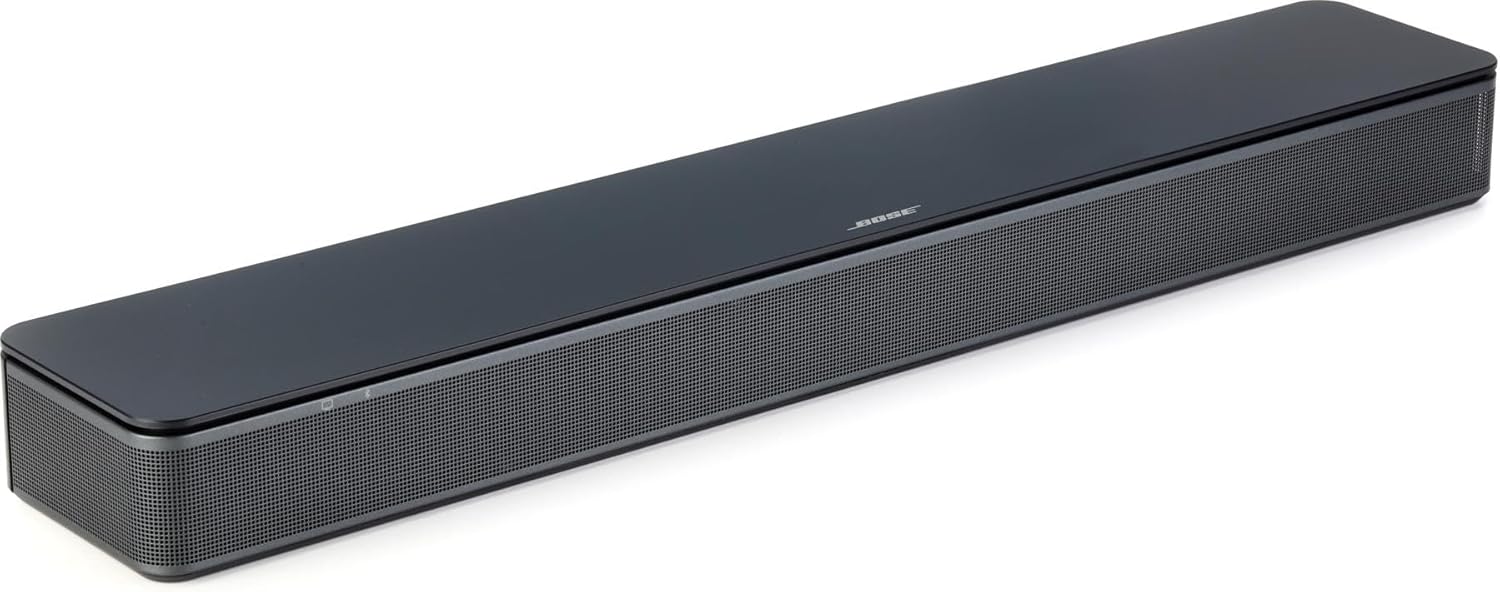
Pros
- Exceptional speech and dialogue clarity thanks to a dedicated center tweeter and Dialogue Mode
- Effortless setup with a single cable connection and included optical cable
- Versatile connectivity with HDMI-ARC, optical, AUX, and Bluetooth inputs
- Sleek, low-profile design blends seamlessly with any TV setup
- Expandable with optional Bose subwoofers for a fuller home theater experience
Cons
- HDMI cable is sold separately, which may add unexpected cost for users who prefer that connection method
- At 35 watts with no built-in subwoofer, bass performance may feel limited for action movies or music lovers without an upgrade
- Wall mounting brackets are sold separately, adding cost for those who want a cleaner installation
The Bose TV Speaker is a compact all-in-one soundbar built specifically to solve one of the most common frustrations with modern flat-screen TVs: poor audio quality and hard-to-understand dialogue. At just 2.21 inches tall and 23.38 inches wide, it is designed for everyday TV watchers, seniors, and anyone who wants a straightforward audio upgrade without the complexity of a full surround sound system.
The standout feature here is the Enhanced Dialogue Mode, which uses a dedicated center tweeter to sharpen vocal clarity and pronunciation. Combined with two angled full-range drivers and built-in Dolby decoding, the soundbar delivers surprisingly wide and natural-sounding audio for its compact size. Real-world performance is well-suited for news broadcasts, dramas, and talk shows where speech intelligibility is the priority.
Design-wise, Bose has kept things clean and minimal. The slim black enclosure is built from durable plastic and sits unobtrusively in front of a TV. Small LED indicators on the front provide subtle visual feedback for volume changes and feature activation. The included remote control is compact and straightforward, offering quick access to Dialogue Mode and a bass boost toggle.
There are a few honest limitations worth noting. The soundbar outputs 35 watts with no built-in subwoofer, so bass response is modest on its own. Users who enjoy action films or bass-heavy music will likely want to invest in the optional Bose Bass Module 500 or 700. Additionally, the HDMI cable is not included, and wall mounting brackets are sold separately, which can add to the overall cost.
Overall, the Bose TV Speaker earns its reputation as one of the best compact soundbars in its category. It excels at what it promises: clearer TV audio with minimal setup effort. It is a strong choice for anyone seeking a reliable, brand-trusted audio upgrade that is simple to use and easy to place in any living space.
Dimensions: 4.02 inches D x 23.38 inches W x 2.21 inches H. Weight: 8.2 pounds. The slim profile makes it easy to place on a TV stand or media console without obstructing the screen.
Audio: 35 watts maximum output power, stereo audio output mode, dynamic driver type with a 5.6 cm audio driver size and 1-inch tweeter diameter. Built-in Dolby decoding enhances audio realism.
Connectivity: HDMI-ARC with CEC support, optical audio input (cable included), AUX input (3.5mm), and Bluetooth with a 30-foot wireless range. Supports up to 3 paired Bluetooth devices simultaneously.
Compatibility: Works with all televisions. Expandable with Bose Bass Module 500 or 700 via Bose Bass Module Connection Cable or standard 3.5mm audio cable (both sold separately). Wall brackets also sold separately.
In the Box: Bose TV Speaker, remote control with pre-installed battery, optical cable, power cord (5 ft), and quick start guide. Model number: 838309-1100. Warranty: 1-year limited warranty from Bose.
If you are shopping for a soundbar primarily to improve TV dialogue clarity, the Bose TV Speaker is one of the most targeted solutions available. Its Dialogue Mode and center tweeter design make it especially well-suited for households where hearing speech on TV is the main concern, including older adults or those with mild hearing difficulties.
For buyers who want a simple plug-and-play experience, this soundbar delivers. Setup takes only minutes with the included optical cable, and HDMI-ARC connectivity means you can use your existing TV remote to control volume. There is no app required, no complex configuration, and no steep learning curve.
However, if you are a dedicated home theater enthusiast looking for booming bass and cinematic surround sound, this soundbar alone may not fully satisfy. Consider pairing it with the Bose Bass Module 500 or 700 for a more immersive experience. Budget-conscious buyers should also factor in the cost of an HDMI cable and optional wall brackets if needed.
Compared to generic budget soundbars, the Bose TV Speaker justifies its price through brand reliability, audio engineering quality, and the expandable ecosystem. It is a long-term investment for anyone who values clear, natural sound over raw volume or deep bass. It is best matched with small to medium-sized living rooms and TVs up to 55 inches.
What to Look for in a Wireless Subwoofer for TV
1. Sound Configuration and Immersion
The channel configuration dictates your audio experience. A 2.1 system, like the LG S40T 2.1 ch.Soundbar with Wireless Subwoofer, provides a solid left-right stereo image with added bass. For true surround sound, look for 5.1 or 7.1 setups. These use multiple speakers, sometimes built into the soundbar or as separate satellites, to create a 360-degree sound field. Features like Dolby Atmos add height channels for a more three-dimensional, cinematic effect.
2. Connectivity and Control
Seamless integration with your TV is crucial. HDMI eARC is the gold standard, transmitting high-quality audio like Dolby Atmos from your TV to the soundbar with minimal latency. Optical and auxiliary inputs offer flexibility for older devices. Bluetooth connectivity allows you to stream music wirelessly from your phone. Also, consider control options. Many models, like those from ULTIMEA, offer advanced smartphone apps for detailed equalizer adjustments, which can be more convenient than a simple remote. For those seeking robust performance, exploring options among the best heavy duty subwoofers can reveal units built for powerful, sustained output.
3. Subwoofer Performance and Placement
The core benefit is wireless bass. Confirm the subwoofer connects to the soundbar via a stable RF signal, not Bluetooth, for reliable, lag-free performance. This grants you placement freedom to find the spot in your room where bass sounds best, a key factor for optimal audio. Driver size and cabinet technology, like the BassMX featured in some models, influence how deep and tight the bass response will be. For a broader look at available options, our subwoofers category page is a great resource.
4. Room Size and System Power
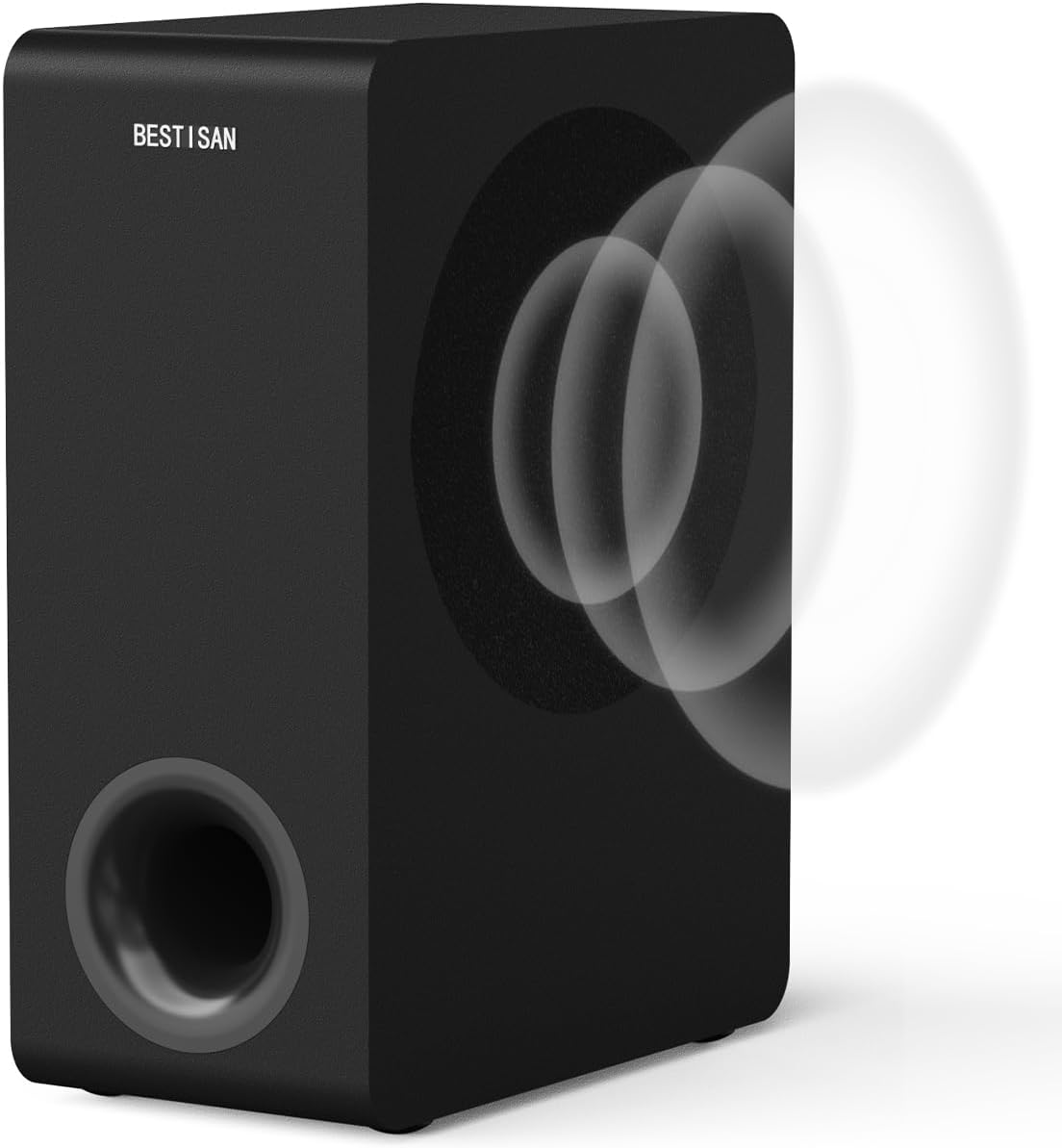
Match the system’s output power and driver configuration to your room’s dimensions. A compact soundbar with a built-in subwoofer, such as the BESTISAN 2.1ch Sound Bar with Built-in Subwoofer, may suffice for a small bedroom or office. Larger living areas benefit from a separate, more powerful wireless subwoofer that can pressurize the space without distortion. Consider systems with enough peak power and speaker elements to fill your specific viewing environment.
Final Thoughts
Upgrading your TV audio with a wireless subwoofer system is a definitive step toward a richer home entertainment experience. The freedom from wires and the impactful bass transform casual viewing into an event. For those seeking maximum cinematic immersion with advanced features like Dolby Atmos and detailed app control, the ULTIMEA 5.1CH Surround Sound Bar System with Dolby[/acms_link] is a compelling choice. If your priority is a straightforward, high-value upgrade with reliable brand recognition and easy TV integration, the LG S40T 2.1 ch.Soundbar with Wireless Subwoofer[/acms_link] offers excellent performance. Whichever you choose, you’re investing in sound you can feel.
Frequently Asked Questions
Do I need a special TV for a wireless subwoofer?
No. Most wireless subwoofer systems connect via standard audio outputs found on virtually all modern TVs, such as HDMI ARC, optical audio, or a 3.5mm auxiliary jack. The wireless connection is between the soundbar and the subwoofer itself, not between the TV and the subwoofer. Your TV just needs a compatible audio output port.
What’s the difference between a soundbar with a built-in subwoofer and one with a wireless sub?
A soundbar with a built-in subwoofer houses all components in one unit, offering a simple, compact solution. However, bass performance is physically limited by the small enclosure. A system with a separate wireless subwoofer features a larger, dedicated cabinet that can produce deeper, more powerful, and more accurate low frequencies. It also allows you to place the bass module where it sounds best in your room, which can significantly improve performance. For modern, streamlined audio solutions, check out our guide on the best modern subwoofers.
Can I stream music to a wireless subwoofer soundbar?
Yes, most modern systems include Bluetooth connectivity. This allows you to pair your smartphone, tablet, or computer to stream music, podcasts, and other audio directly to the soundbar and its wireless subwoofer. Some higher-end models may also support multi-room audio features or other wireless protocols like Wi-Fi for even more streaming options. For systems with advanced wireless features, our list of the best subwoofers with AirPlay might be useful.
How do I set up a wireless subwoofer with my TV?
Setup is generally straightforward. First, connect the soundbar to your TV using the provided HDMI or optical cable. Then, plug both the soundbar and the wireless subwoofer into power outlets. They should automatically pair with each other. If they don’t, there’s typically a simple sync button on one or both units. Finally, select the correct audio input source on your TV’s settings menu to route sound to the new system. The whole process often takes just a few minutes.



Write Your Review
No reviews yet. Be the first to share your experience!