

There’s a specific moment vinyl lovers cherish, when the needle drops and the first notes emerge with crystalline clarity. That moment hinges on the platter’s performance. If your current setup suffers from excessive resonance or a shaky rotation, you’re missing the full richness of your records. An aluminum platter turntable offers a distinct path toward resolving these issues, providing a solid, precisely balanced platform that minimizes unwanted vibrations and ensures stable speed.
This guide is for listeners who want to upgrade from basic models or are assembling a new system with a focus on reliable performance. We’ll explore options from high-end audiophile decks to clever upgrades for your existing player, all featuring aluminum platters for enhanced sound quality and durability. For more insights into different platter technologies, check out our review of the best acrylic platter turntables.
Quick Comparison: Top Aluminum Platter Turntables
How to Choose Your Aluminum Platter Turntable
Drive Type and Speed Stability
Your choice between belt-drive and direct-drive systems impacts wow, flutter, and motor noise. Belt-drive models, like the Audio-Technica options reviewed, excel at isolating motor vibrations for a quieter background. They are excellent for dedicated listening sessions where sonic purity is paramount. Direct-drive units offer superior torque for quick start-up and consistent speed under varying loads.
Platter Mass and Anti-Resonance Design
The mass and construction of the aluminum platter itself are critical. A high-mass, die-cast platter increases rotational inertia, which helps maintain consistent speed and dampens external vibrations. This feature is a cornerstone of turntables designed for high-fidelity playback. For those seeking maximum stability, our guide on best high mass platter turntables offers further exploration.
Tonearm and Cartridge Synergy
A precise, well-matched tonearm and cartridge are just as important as the platter. A rigid tonearm with minimal resonance tracks the record groove accurately. When paired with a quality cartridge, it extracts the maximum detail. Look for features like adjustable tracking force and anti-skate, which allow for fine-tuning to protect your records and optimize sound.
Connectivity and Future-Proofing
Consider how you’ll connect the turntable to your audio system. Most include standard RCA outputs, but some offer built-in phono preamps or Bluetooth connectivity for wireless streaming. Choosing a model with features that match your current setup and potential future upgrades ensures long-term satisfaction. You can browse more models in our turntables category.
Final Thoughts
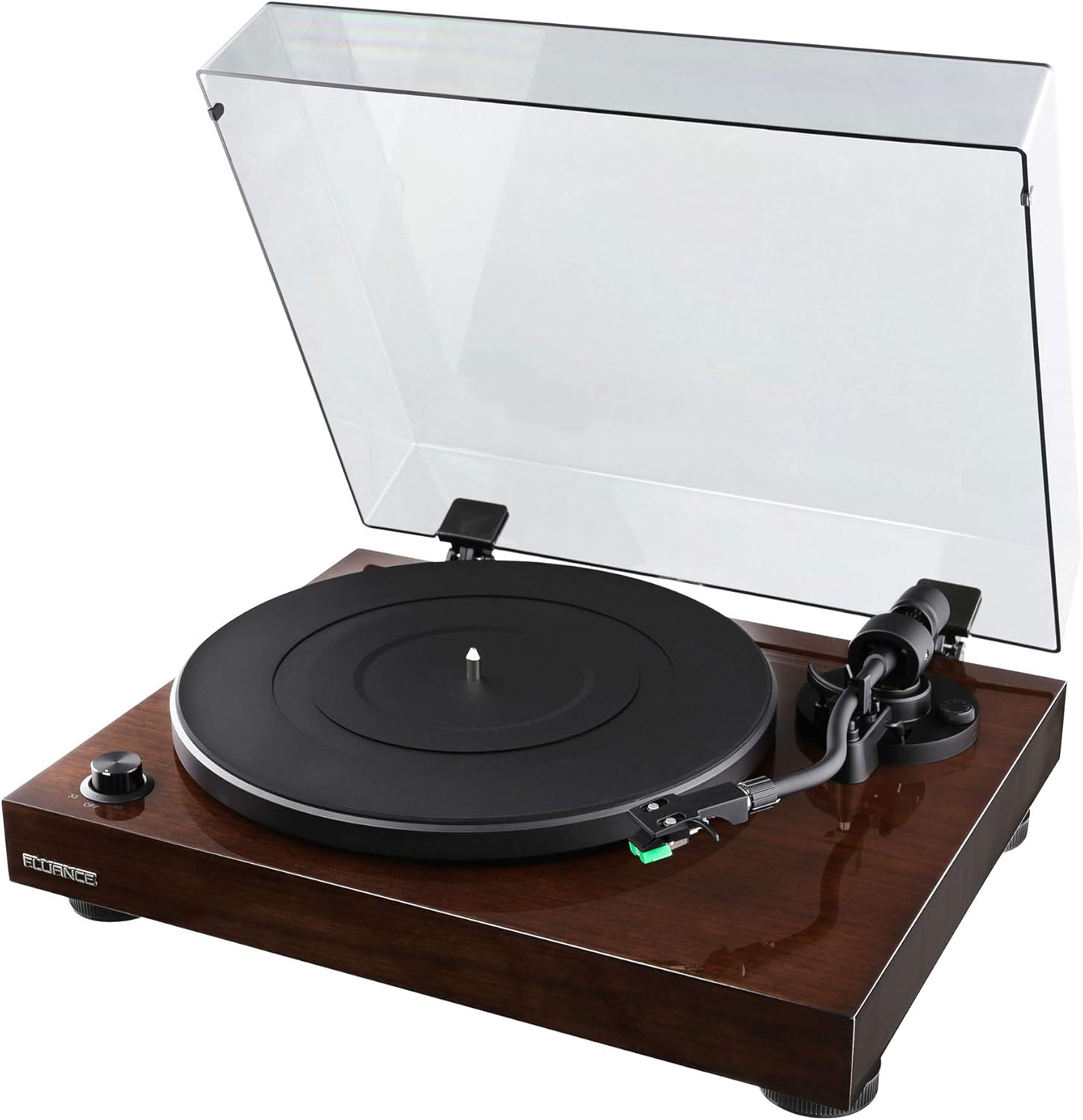
Selecting the right turntable enhances every listening session, and an aluminum platter is a reliable foundation for superior sound. For listeners seeking an exceptional high-fidelity experience with meticulous engineering, the Fluance RT87 Reference High Fidelity Turntable stands out. If you need a versatile, user-friendly option with modern wireless connectivity, the Audio-Technica AT-LP60XBT-BK Fully Automatic provides excellent performance and convenience, making it easy to integrate into any home audio setup.
Frequently Asked Questions
What is the advantage of an aluminum platter over a standard plastic one?
Aluminum platters offer greater mass and rigidity, which improves rotational stability and reduces wow and flutter. Their die-cast construction also provides superior anti-resonance properties compared to lighter plastic platters, resulting in cleaner sound with less coloration from vibrations.
Do I need a separate phono preamp with these turntables?
It depends on the model and your amplifier. Many modern turntables, including several Audio-Technica models, come with a built-in phono preamp. This allows you to connect directly to a line-level input on any amplifier or powered speakers. If your amplifier has a dedicated ‘phono’ input, you can often bypass the turntable’s internal preamp for a potentially purer signal path.
Can I upgrade the platter on my existing turntable?
Yes, in many cases. Aftermarket platters and mats, like the Hudson Hi-Fi Acrylic Turntable Mat, can be purchased to upgrade certain models. However, compatibility is crucial. Ensure the replacement platter matches your turntable’s spindle size and motor specifications. Upgrading to a higher-mass platter can noticeably improve sound stability.
How do I maintain an aluminum platter?
Maintenance is straightforward. Keep the platter clean and free of dust with a soft, lint-free cloth. Avoid abrasive cleaners that could scratch the surface. For consistent speed performance, ensure the belt (if belt-driven) is in good condition and the motor is properly isolated. Regular care ensures your turntable performs optimally for years. For more on turntable basics, visit our home audio hub.




Write Your Review
No reviews yet. Be the first to share your experience!