

You love the tactile ritual of vinyl but crave the robust, consistent performance that only a professional-grade turntable can deliver. Whether you are a dedicated audiophile building a hi-fi system or an aspiring DJ practicing your first blends, the choice of platter drive is fundamental. Direct-drive models offer instant start-up, precise speed stability, and exceptional torque, making them a favorite for both critical listening and mixing. This guide focuses on two highly-rated direct-drive turntables that bring studio-quality engineering into your home without requiring a pro budget.
Our selection is based on verified performance metrics, user feedback, and feature sets that matter most to enthusiasts. We have assessed build quality, sonic accuracy, and overall value to help you make an informed decision. For a broader look at options across different drive types and budgets, explore our guide to the best turntables under $500. Now, let us compare the top contenders side by side.
Buying Guide
Drive Type: Direct vs. Belt
Direct-drive turntables have the motor situated directly beneath the platter. This design provides immediate start-up, perfect speed consistency, and high torque, which is essential for DJ scratching and cueing. It also generally means less maintenance, as there is no belt to wear out or replace.
Belt-drive models isolate motor vibrations more effectively, which some purists prefer for purely analog listening. Your choice hinges on your primary use case. If your focus is on listening, you might also consider our review of the best Belt-Drive turntables under $500.
Tonearm and Cartridge Quality
The tonearm is the precision instrument that guides the stylus through your record’s grooves. Look for an adjustable counterweight and anti-skate control. These features allow you to properly balance the arm and apply the correct tracking force, protecting your records and ensuring optimal sound.
A good stock cartridge is a significant value. The models we reviewed come with reputable cartridges that deliver clear, detailed audio right out of the box. This saves you from an immediate upgrade and lets you enjoy your collection from day one.
Connectivity and Features
Modern turntables often include a built-in phono preamplifier. This allows you to connect directly to powered speakers or a receiver’s auxiliary input, simplifying setup. A USB output is another valuable feature, enabling you to digitize your vinyl collection for archival purposes or portable listening.
Consider variable pitch control if you are interested in DJing, as it allows for beatmatching. A sturdy, non-resonant plinth and an effective dust cover are also important for long-term performance and protection. For more affordable starting points, see our picks for the best turntables under $300.
Intended Use and Future-Proofing
<!–Be honest about how you will use your turntable. Is it for dedicated, high-fidelity listening in a quiet room? Or is it a versatile centerpiece for parties and mixing practice? Your answer dictates the needed feature set, from vibration damping to torque specifications.
Think about your system’s future. A turntable with standard mounting hardware for cartridges and a quality tonearm offers a clear upgrade path. You can always swap in a higher-end cartridge later to significantly improve sound quality as your system evolves. Explore all our turntable reviews and guides for deeper insights.
Final Thoughts
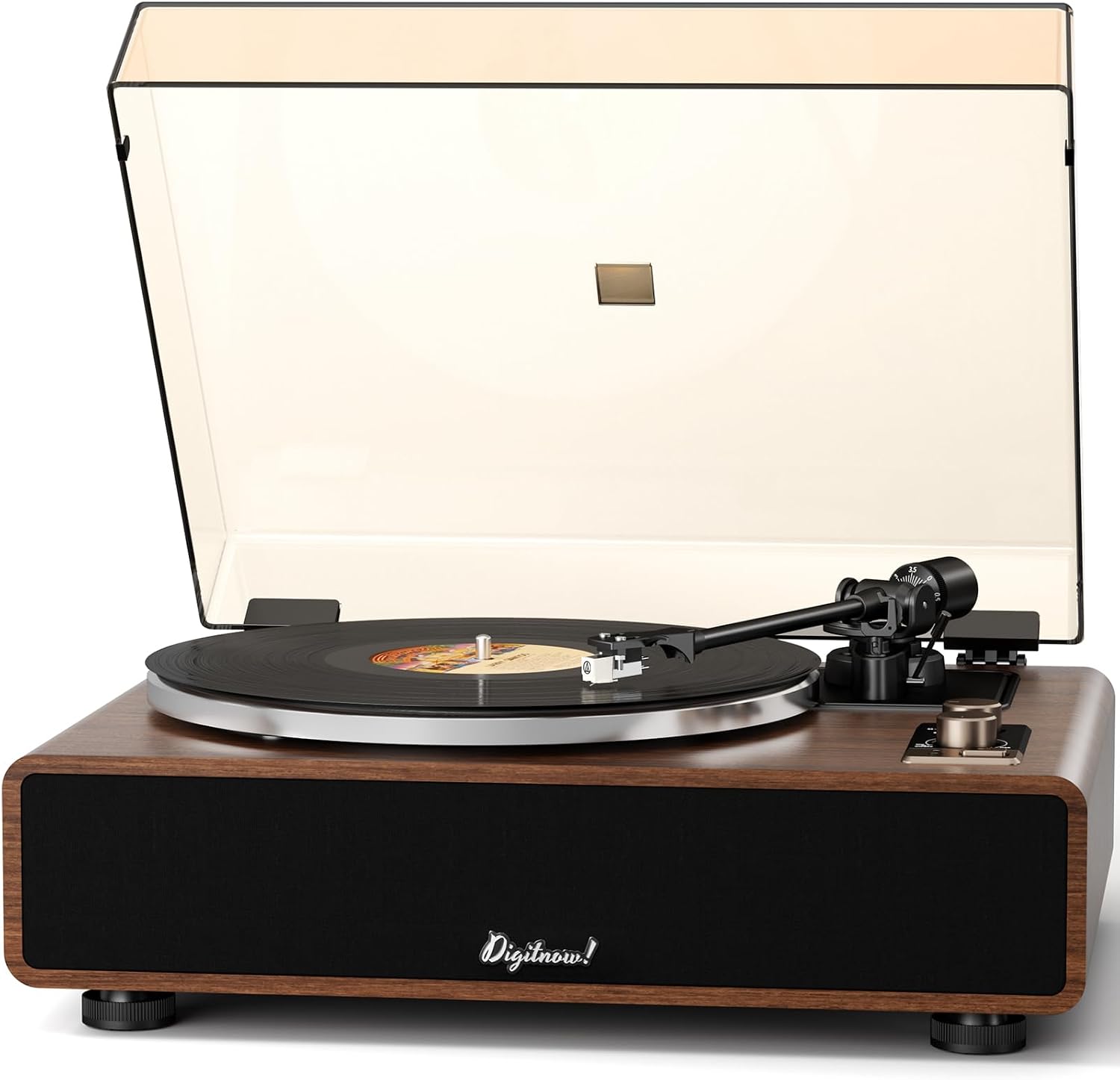
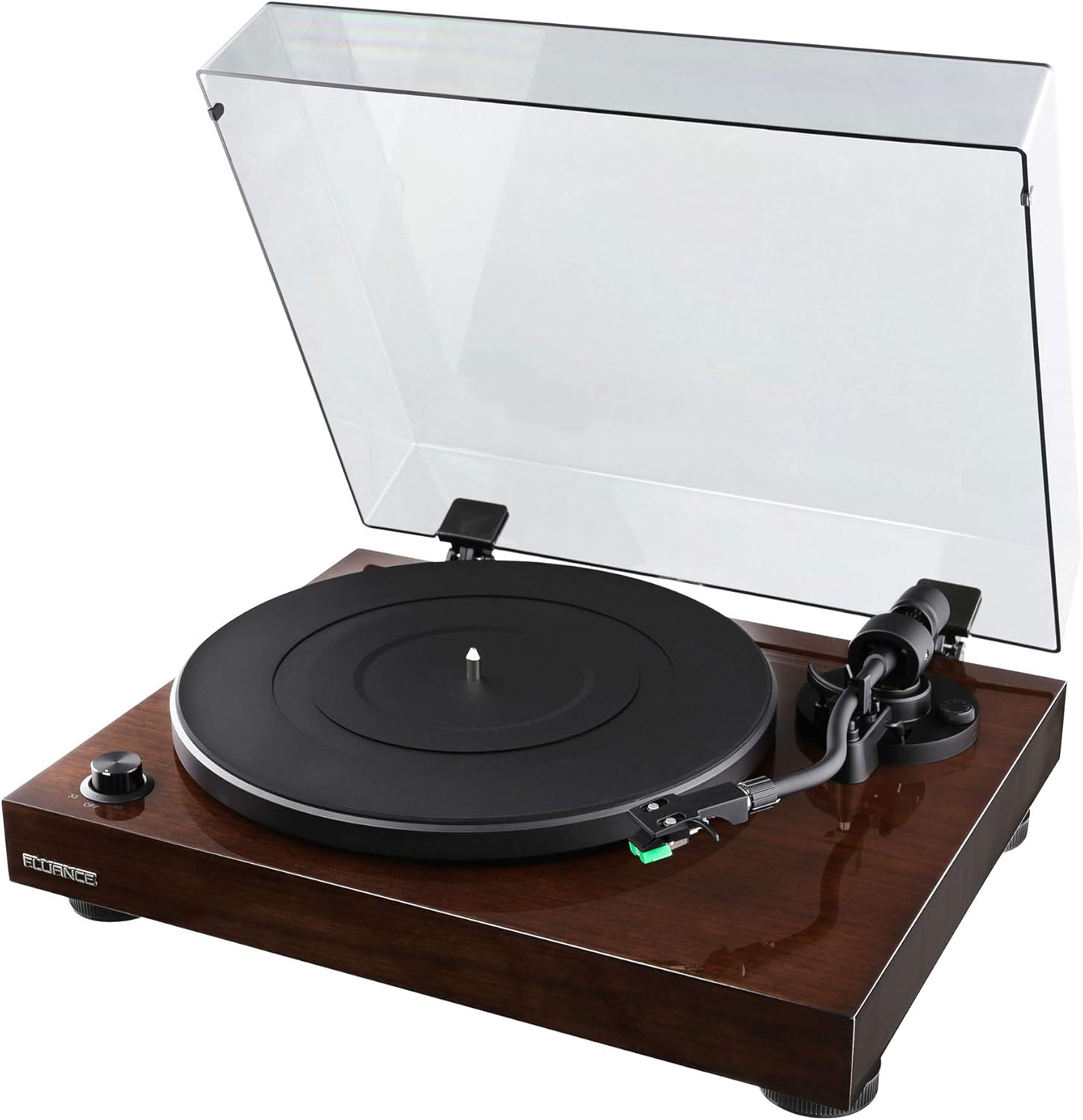
After a thorough evaluation, we are confident in recommending these two models for different needs. For the vinyl purist and archivist who values classic design and comprehensive features, the Audio-Technica AT-LP120XUSB-BK Direct-Drive is an exceptional choice. For the budding DJ or listener who wants a sleek, modern deck with a professional layout ready for mixing, the Pioneer DJ PLX-500 Direct Drive Turntable stands out. Both deliver the reliable, high-performance experience that makes direct-drive technology so compelling.
Frequently Asked Questions
Are direct-drive turntables good for home listening? Absolutely. While popular with DJs for their torque, direct-drive turntables offer superb speed accuracy and reliability that benefits any listener. Modern designs effectively minimize motor noise, making them excellent for critical hi-fi enjoyment.
What is the main advantage of a direct-drive turntable? The primary advantage is consistent rotational speed and high torque. The platter responds instantly to start/stop commands and maintains perfect pitch, which is crucial for both accurate musical reproduction and DJ techniques like scratching and cueing.
Do I need special speakers for these turntables? You have options. Both reviewed models have a built-in phono preamp, so you can connect them directly to powered speakers with a standard RCA input. If you use a traditional stereo receiver, ensure it has a dedicated “phono” input, or use the turntable’s preamp to connect to an “aux” input.
Can I upgrade these turntables later? Yes, a key benefit of these models is their upgradeability. You can easily replace the cartridge and stylus with higher-end components as your budget allows. This makes them a great long-term investment for your vinyl journey. For a look at higher-end options, check our guide to the best turntables under $1000 for 2026.




Write Your Review
No reviews yet. Be the first to share your experience!