

Are you frustrated with muddy bass or a lack of clarity in your audio setup? Often, the culprit isn’t your speakers but the vibrations they transfer to your desk, floor, or shelves. These unwanted resonances smear the sound, robbing you of detail and impact. The right isolation speaker mounts can be a transformative, affordable upgrade, decoupling your gear from surfaces to let it perform as intended.
This guide is for anyone seeking cleaner audio, from the home theater enthusiast battling a boomy subwoofer to the music producer needing precise studio monitor performance. We have assessed a range of solutions, from simple adhesive pads to heavy-duty wall brackets, to help you find the perfect match for your system and space. For a deep dive into products specifically engineered to combat vibration, explore our guide on the best Anti-Vibration speaker mounts.
How to Choose Your Isolation Speaker Mounts
Identify Your Primary Need: Isolation vs. Positioning
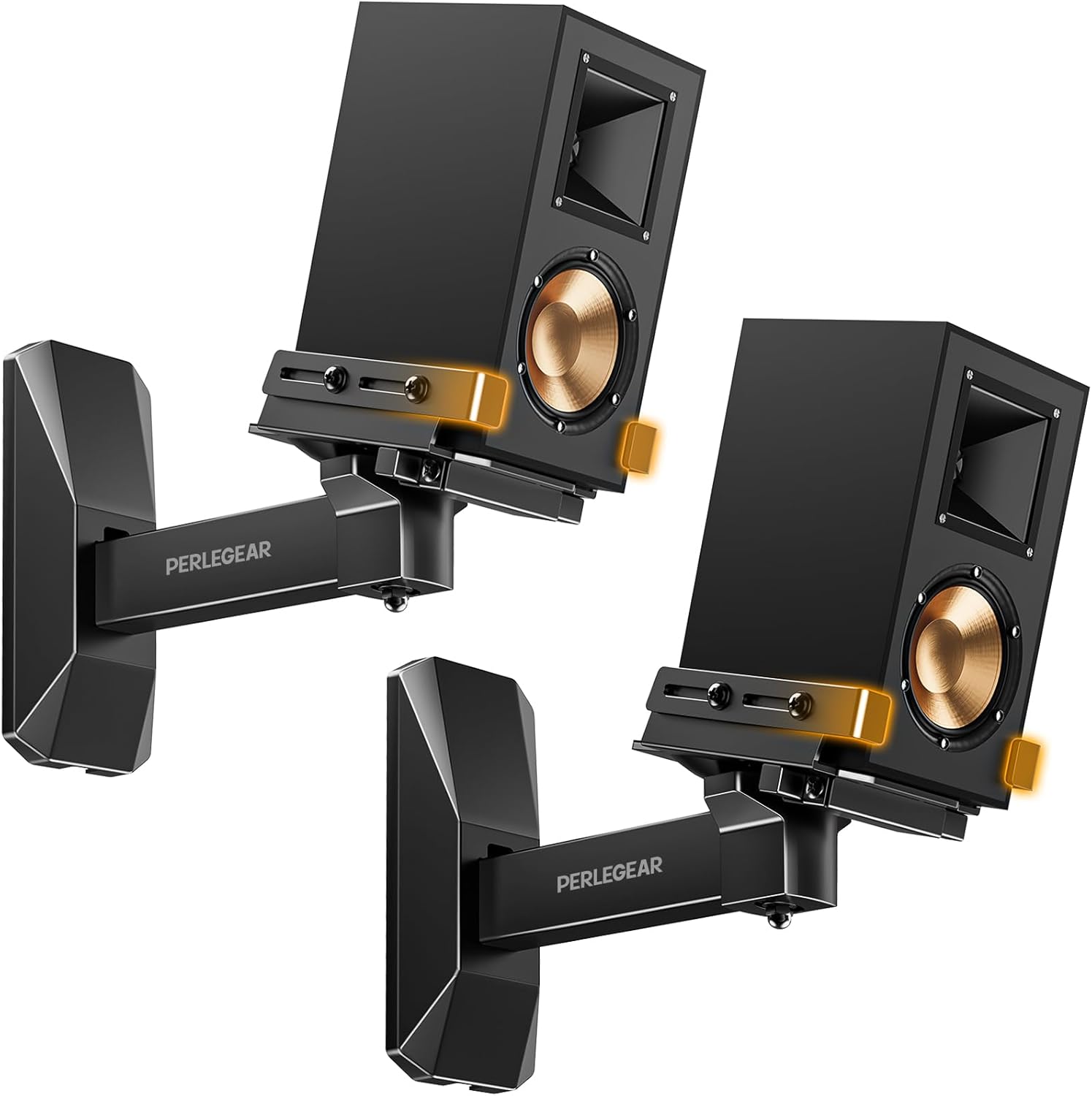
The first decision is between pure isolation feet and mounting brackets. Isolation feet, like the Speaker Isolation Pads – 8-Pack 0.75″ Platinum, sit directly under your equipment. They absorb vibrations, perfect for subwoofers on hardwood floors or studio monitors on a desk. Mounting brackets, like the WALI Surround Sound Speaker Wall Mount, physically secure and position speakers. They offer some isolation but excel at placement for surround sound setups, a key consideration for any home theater system.
Evaluate Load Capacity and Compatibility
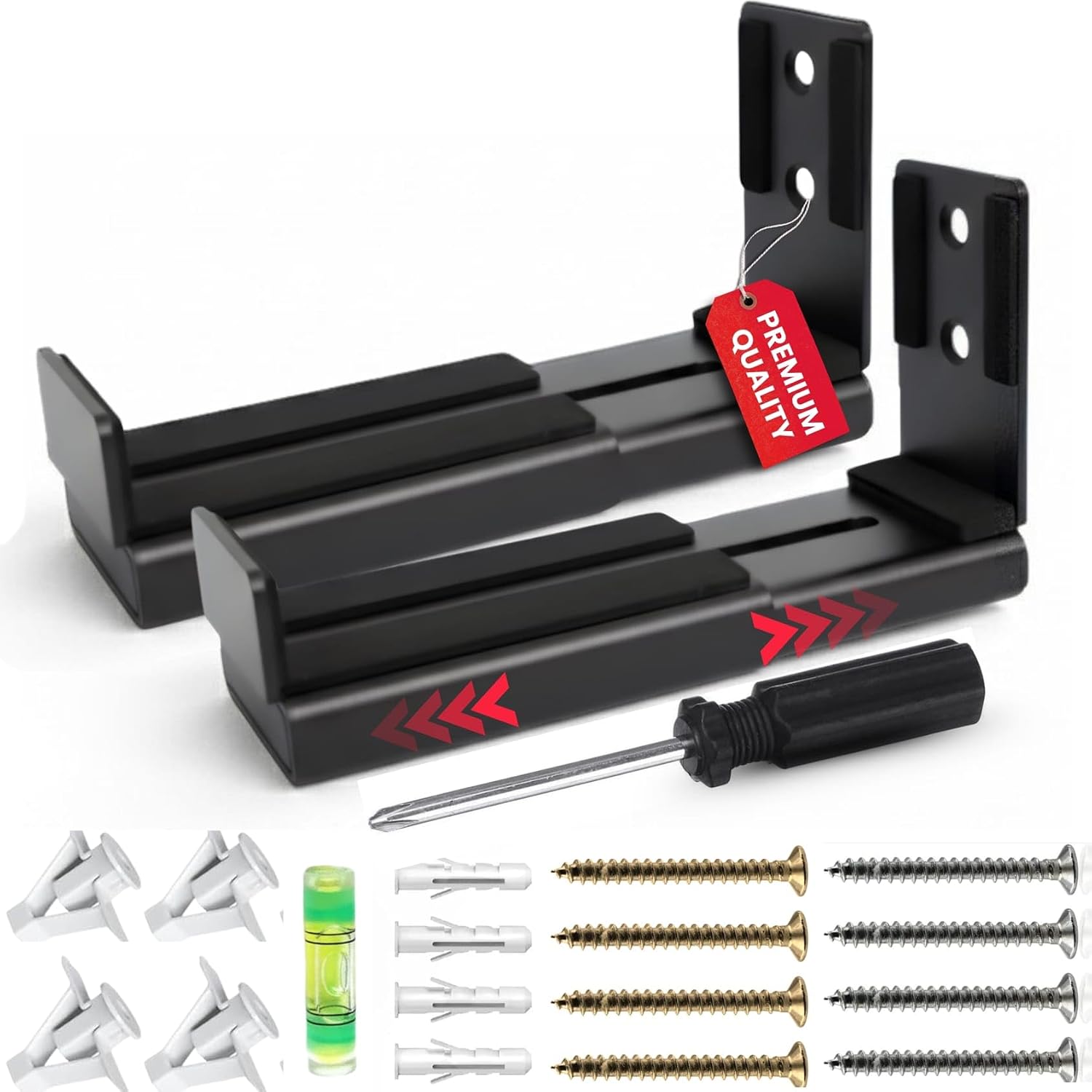
Always check the weight rating of any mount against your speaker’s weight. Exceeding this limit is a safety hazard. For isolation feet, also verify the thread size (e.g., M4, M6) or adhesive type to ensure a proper fit. Mounting brackets must match your speaker’s mounting pattern, be it a threaded insert or a keyhole slot. The Surround Sound Rear Speaker Wall Mount, Aluminum stands out for supporting four different attachment types, simplifying compatibility.
Consider Material and Adjustability
Isolation material matters. High-density silicone or rubber, like the Shore A 60+ silicone used in some feet, effectively dampens vibrations. For brackets, look for robust construction like heavy-gauge steel. If you need to aim your speakers, adjustability is crucial. Swivel and tilt functions, as found on the Pyle Universal Speaker Mounting Bracket, let you direct sound precisely toward your listening position, which is vital for bookshelf speakers or studio monitors.
Plan Your Installation Surface
Your installation surface dictates your options. For desks or stands, isolation feet are ideal. For walls or ceilings, you need a bracket with appropriate hardware for drywall, concrete, or studs. Consider cable management features to keep wires tidy. If you’re setting up a multi-speaker system, ensure your chosen solution works for all channels, including the side surround speakers.
Final Thoughts
Upgrading to proper isolation mounts is one of the most cost-effective ways to enhance your audio experience. Whether you need the brute-force decoupling of heavy-duty silicone feet for a powerful subwoofer or the flexible positioning of a full-motion wall bracket for surround sound channels, a solution exists. For a straightforward, high-performance isolation upgrade, consider the Heavy-Duty Rubber Feet 4PCS 40x15mm. If your priority is securely mounting and aiming satellite speakers with robust adjustability, the WALI Surround Sound Speaker Wall Mount remains a proven, reliable choice.
Frequently Asked Questions
Do isolation pads really make a difference for speakers?
Yes, they can make a significant difference, especially for bass frequencies. By preventing vibrations from transferring to resonant surfaces like desks or shelves, isolation pads reduce boominess and tighten the low end. This results in clearer mids and a more defined stereo image, allowing you to hear details previously masked by resonance.
Can I use speaker isolation mounts on any surface?
Most isolation feet work on common surfaces like wood, tile, glass, and carpet. Always check the product specifications for any limitations. For wall or ceiling brackets, you must use the correct hardware for your wall type (drywall, concrete, brick) to ensure a safe and secure installation that can support the speaker’s weight.
What is the difference between isolation pads and speaker spikes?
They serve opposite purposes but achieve a similar goal: decoupling. Isolation pads absorb and dampen vibrations, ideal for preventing energy transfer to hollow surfaces. Speaker spikes concentrate weight onto tiny points, mechanically coupling the speaker to a solid floor to prevent rocking, which can also tighten bass. Spikes are best for carpets over solid floors, while pads are more versatile.
How many isolation feet do I need per speaker?
You typically need three or four feet per speaker or subwoofer to create a stable, level platform. Three feet will always be stable on an uneven surface, while four is standard for most rectangular equipment. Most products are sold in packs of four or eight to cover one or two pieces of gear, ensuring balanced support.



Write Your Review
No reviews yet. Be the first to share your experience!