

Your vinyl collection deserves a proper stage. The right powered turntable transforms those grooves into a rich, immersive listening experience, whether you are rediscovering classics or building a modern audiophile setup. This guide evaluates several top-performing models, from reference-grade high-fidelity players to versatile options with modern connectivity, helping you make an informed choice for your home audio system. For those seeking an all-in-one solution, you might also explore our guide on the best turntables with Built-In amplifiers.
Buying Guide for Powered Turntables
Drive System: Belt-Drive vs. Direct-Drive
The motor’s connection to the platter defines the turntable’s character. Belt-drive systems use a rubber belt to isolate motor vibrations, often resulting in quieter operation and less audible rumble. This makes them a popular choice for critical listening.
Direct-drive turntables have the motor directly attached to the platter spindle. They offer superior torque and speed stability, ideal for DJing and quick start-up. For a deeper dive into starting with this technology, see our list of best Direct-Drive turntables for beginners.
Tonearm and Cartridge Quality
The tonearm guides the cartridge’s stylus through the record’s grooves. A well-designed, low-resonance tonearm is crucial for accurate tracking and minimal distortion. Look for features like adjustable counterweights and anti-skate controls for proper calibration.
The cartridge, often including the stylus, is the component that physically reads the groove. A higher-quality cartridge can reveal more detail and provide a wider soundstage. Many turntables come with a solid cartridge pre-installed, saving you an initial upgrade.
Connectivity and Features
Modern turntables offer features beyond traditional RCA outputs. Built-in phono preamps allow direct connection to powered speakers or receivers without a dedicated phono input. Bluetooth connectivity lets you stream your vinyl wirelessly to compatible speakers or headphones.
Consider operational features like automatic start and return, which can protect your records from wear. Speed control options for 33 1/3 and 45 RPM are standard, but some models offer fine electronic speed adjustment for perfect pitch. If you prefer a classic approach, our review of best Belt-Drive turntables for beginners covers excellent manual options.
Build and Vibration Control
A turntable’s construction directly impacts its sound. A heavy, rigid plinth helps dampen external vibrations from footsteps or speakers. Isolated feet or a suspended sub-chassis can further decouple the player from its environment.
The platter material also matters. Heavy acrylic or metal platters increase rotational inertia, promoting consistent speed and reducing wow and flutter. A well-isulated, solid build is a hallmark of turntables designed for serious listening.
Final Thoughts
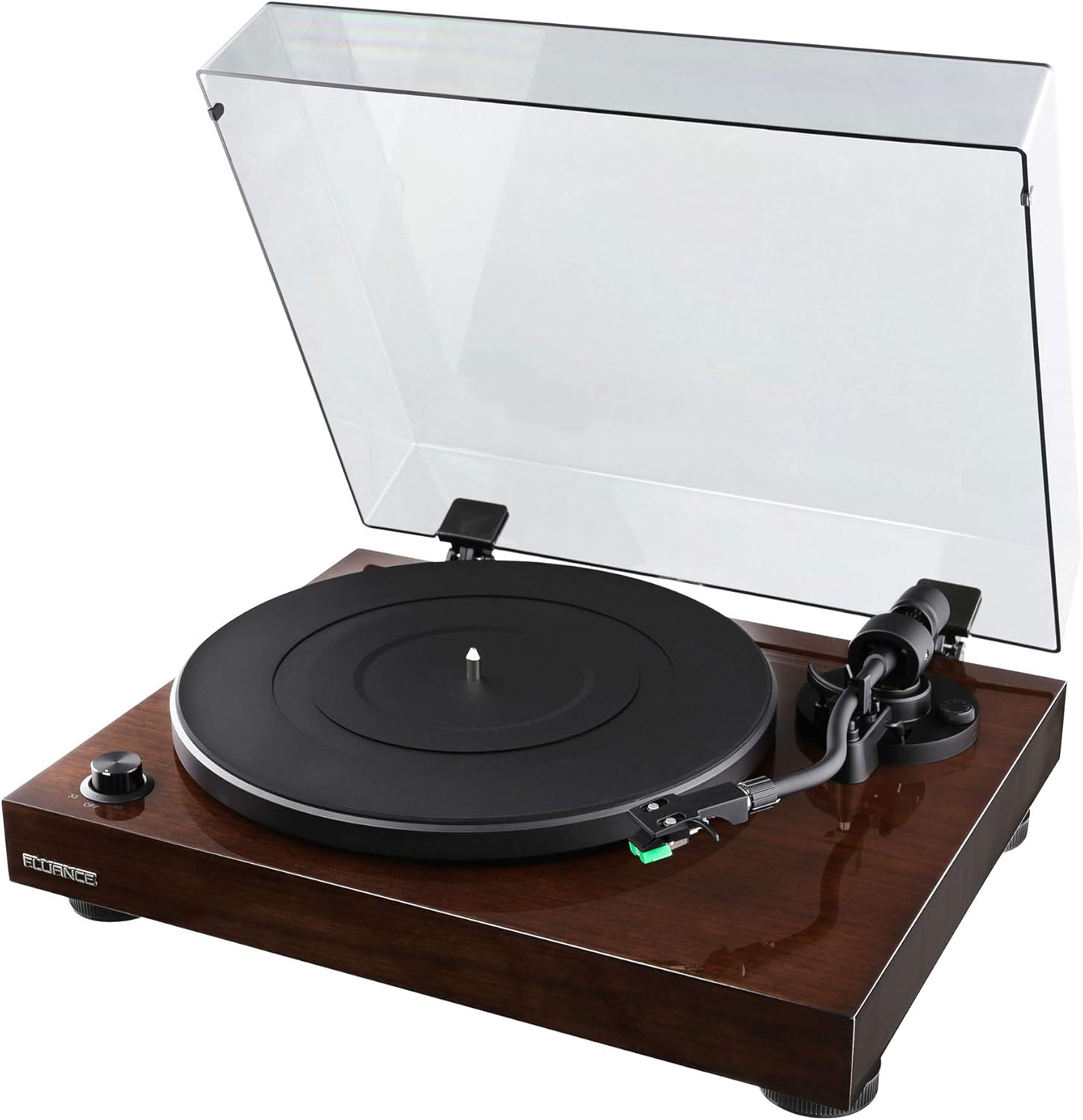
Selecting the right powered turntable depends on your listening priorities and system. For the pinnacle of high-fidelity reproduction, the meticulous engineering of the Fluance RT87 Reference High Fidelity Turntable is exceptional. If you value seamless integration with modern wireless speakers and a premium direct-drive experience, the versatile Technics Turntable, Premium Class HiFi Record is a compelling choice. Explore more options in our turntables category for further inspiration.
Frequently Asked Questions
Do I need a separate amplifier for a powered turntable?
It depends on the turntable’s features and your speakers. Many modern powered turntables have a built-in phono preamp. This allows you to connect directly to powered speakers or an amplifier’s auxiliary input. If your turntable lacks a preamp, you will need either an external phono stage or an amplifier with a dedicated phono input. Check the product specifications to confirm.
What is the difference between manual, semi-automatic, and automatic turntables?
Manual turntables require you to lift and place the tonearm at the record’s start and return it at the end. Semi-automatic models typically lift and return the arm automatically at the record’s conclusion. Fully automatic turntables start playback with the push of a button and handle the entire cycle, which can be convenient and help prevent stylus wear. For a broader look at audio components, visit our home audio hub.
How important is the cartridge, and can I upgrade it later?
The cartridge is critically important, as it is the component that translates the physical grooves into an electrical signal. A better cartridge can significantly improve detail retrieval, channel separation, and overall sound quality. Most turntables allow for cartridge upgrades, which is a common path for enthusiasts to enhance their system over time. Ensure the new cartridge is compatible with your tonearm.
Can I connect a Bluetooth turntable to any wireless speaker?
Yes, you can connect a Bluetooth-equipped turntable to any Bluetooth speaker or sound system that supports receiving an audio signal. This provides great flexibility for placement within your room. Keep in mind that the audio quality will be subject to the limitations of the Bluetooth codec used, so for the purest analog sound, a wired connection is generally preferred.




Write Your Review
No reviews yet. Be the first to share your experience!