

You have a cherished vinyl collection and a dedicated stereo setup, but the sound isn’t quite what you imagined. The magic of vinyl lies in its warmth and depth, qualities that only shine through with the right turntable. Finding a model that pairs seamlessly with your amplifier and speakers is essential for unlocking true high-fidelity sound.
This guide is for listeners who prioritize audio quality and want a turntable that serves as the cornerstone of their stereo system. We have assessed a range of models, from fully manual audiophile decks to convenient wireless options, to help you make an informed choice. For those building a system from the ground up, our related guide on the best home audio equipment offers further insights.
Choosing Your Ideal Stereo Turntable
Drive Type: Belt vs. Direct
Your choice between belt-drive and direct-drive significantly impacts performance and feel. Belt-drive turntables use a rubber belt to connect the motor to the platter, isolating motor vibrations for quieter operation. This often results in a lower noise floor, which is crucial for revealing subtle details in your music during critical stereo listening.
Direct-drive models have the motor directly attached to the platter, offering exceptional speed stability and instant start-up. They are fantastic for listeners who value precise pitch control and robust construction. Consider your priority: the isolated, quiet operation of a belt-drive or the solid, immediate response of a direct-drive system.
Cartridge and Tonearm Fidelity
The cartridge is the turntable’s needle and heart, directly responsible for translating vinyl grooves into an electrical signal. A high-quality moving magnet (MM) cartridge, like those found on many recommended models, provides excellent tracking and a detailed sound profile. Upgradable cartridges offer a path to enhanced audio as your system evolves.
The tonearm guides the cartridge across the record. A well-engineered tonearm minimizes resonance and tracking error, ensuring the stylus reads the groove accurately. Balanced S-shaped or J-shaped designs are common for their stability. For a deeper dive into this component, explore our guide on the best turntables with moving magnet cartridges.
Connectivity and System Integration
<!–Consider how the turntable will connect to the rest of your stereo system. A built-in switchable phono preamp is highly valuable, allowing you to connect to both dedicated phono inputs and standard line-level inputs on receivers or powered speakers. This flexibility future-proofs your investment.
Modern turntables often include Bluetooth for wireless streaming to compatible speakers or headphones. While convenient for casual listening, for the purest stereo experience, a wired RCA connection typically preserves more audio integrity. USB outputs are also useful for digitizing your vinyl collection without sacrificing playback quality.
Build Quality and Isolation
<!–A turntable’s construction directly affects its sound. A heavy, anti-resonance platter (often die-cast aluminum) ensures consistent rotation and reduces unwanted vibrations. Features like a damped base or sprung feet help isolate the turntable from external shocks and floor vibrations, which can muddy the sound.
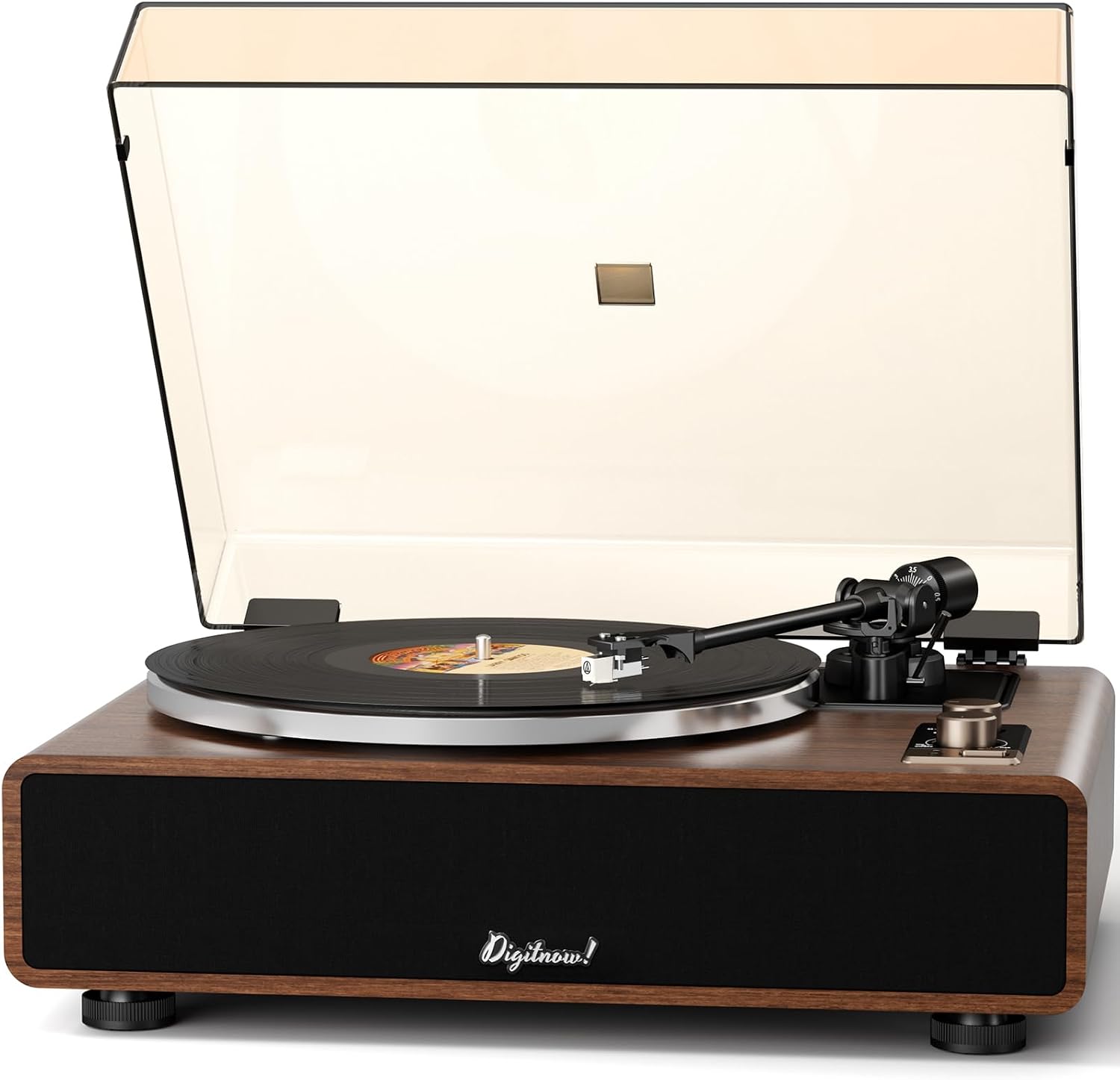
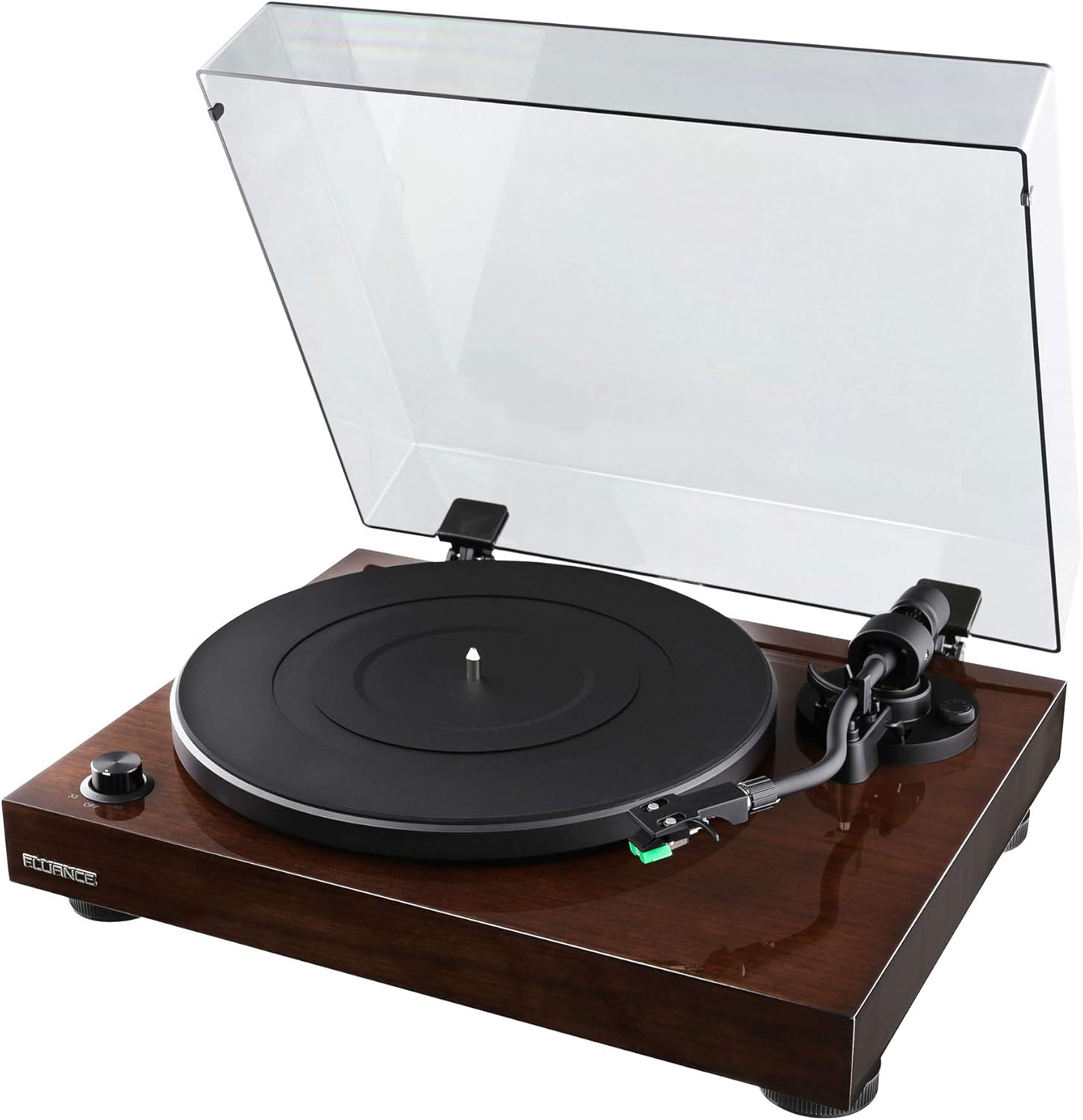
Details like a removable hinged dust cover and a quality platter mat also contribute. A good mat, like the common felt mat, provides the right amount of grip and damping. You can learn more about this accessory in our review of the best turntables with felt mats. These elements combine to create a stable, quiet platform for your records.
Final Thoughts
Selecting the right turntable transforms stereo listening from a simple activity into a rich, immersive experience. For the audiophile seeking manual control and top-tier fidelity, the Audio-Technica AT-LP120XUSB-BK Direct-Drive is a standout choice with its robust direct-drive motor and adjustable tonearm. Conversely, listeners who prioritize seamless integration and modern convenience will appreciate the user-friendly automatic operation and wireless flexibility of the Audio-Technica AT-LP60XBT-BK Fully Automatic. Whichever model you choose, pairing it with a quality stereo system will unveil the full depth and warmth of your vinyl collection.
Frequently Asked Questions
Do I need a separate phono preamp for my new turntable?
Not necessarily. Many modern turntables come with a built-in, switchable phono preamplifier. If your stereo receiver or amplifier has a dedicated “phono” input, you can bypass the turntable’s preamp for a potentially purer signal path. If it does not, you will need to use the turntable’s built-in preamp or purchase an external one. Check the specifications of both your turntable and your amplifier to confirm compatibility.
What is the difference between automatic, semi-automatic, and manual turntables?
Fully automatic turntables start playing with the push of a button and return the tonearm to its rest at the record’s end. Semi-automatic models require you to manually cue the tonearm at the start but will lift and return it automatically. Manual turntables require you to perform both cueing and lifting operations yourself, offering the most hands-on control, which many enthusiasts prefer for precision. Your choice depends on your desired level of interaction.
How important is the tonearm design for sound quality?
It is very important. The tonearm’s job is to hold the cartridge steady and guide it accurately through the record’s grooves with minimal friction and resonance. A poorly designed tonearm can introduce distortion and tracking errors. Common effective designs include S-shaped and straight tonearms, each with engineering benefits for reducing resonance. For a focused comparison, see our article on the best turntables with S-shaped tonearms.
Can I use a turntable with Bluetooth with my existing stereo system?
Yes, you have two primary options. First, you can use the turntable’s Bluetooth transmitter to stream audio wirelessly to a Bluetooth-enabled receiver, soundbar, or powered speakers. Second, and often recommended for the best audio quality, you can use a standard wired RCA cable connection from the turntable to an available input on your stereo receiver or amplifier, bypassing Bluetooth entirely for a lossless analog signal.




Write Your Review
No reviews yet. Be the first to share your experience!