

You’ve built a respectable vinyl collection, and your system sounds good. Yet, you suspect there’s more detail hiding in those grooves, a warmth and clarity your current setup isn’t revealing. The leap from a standard moving magnet to a moving coil cartridge can be transformative, offering superior channel separation and a more nuanced, dynamic soundstage.
This guide is crafted for the listener ready to elevate their analog experience. We focus specifically on turntables and cartridges featuring moving coil technology, from high-output models that simplify integration to premium components for dedicated audiophiles. Whether you’re upgrading an existing player or seeking a complete system, our evaluations will point you toward the right choice.
Buying Guide for Moving Coil Cartridges and Turntables
Understanding High Output vs. Low Output Designs
The first major decision is between high output and low output moving coil cartridges. High output models, like the Denon DL-110, generate a stronger signal. This often means they can connect directly to a standard phono input on your amplifier, similar to a moving magnet cartridge.
Low output designs, such as the Audio-Technica AT33XMLD, produce a much weaker signal. They require an additional component: a dedicated moving coil phono stage or a head amplifier to boost the signal to a listenable level before it reaches your preamp. This extra step is worth it for many due to the potentially lower noise and higher performance ceiling.
Evaluating Turntable Compatibility and Tonearm Match
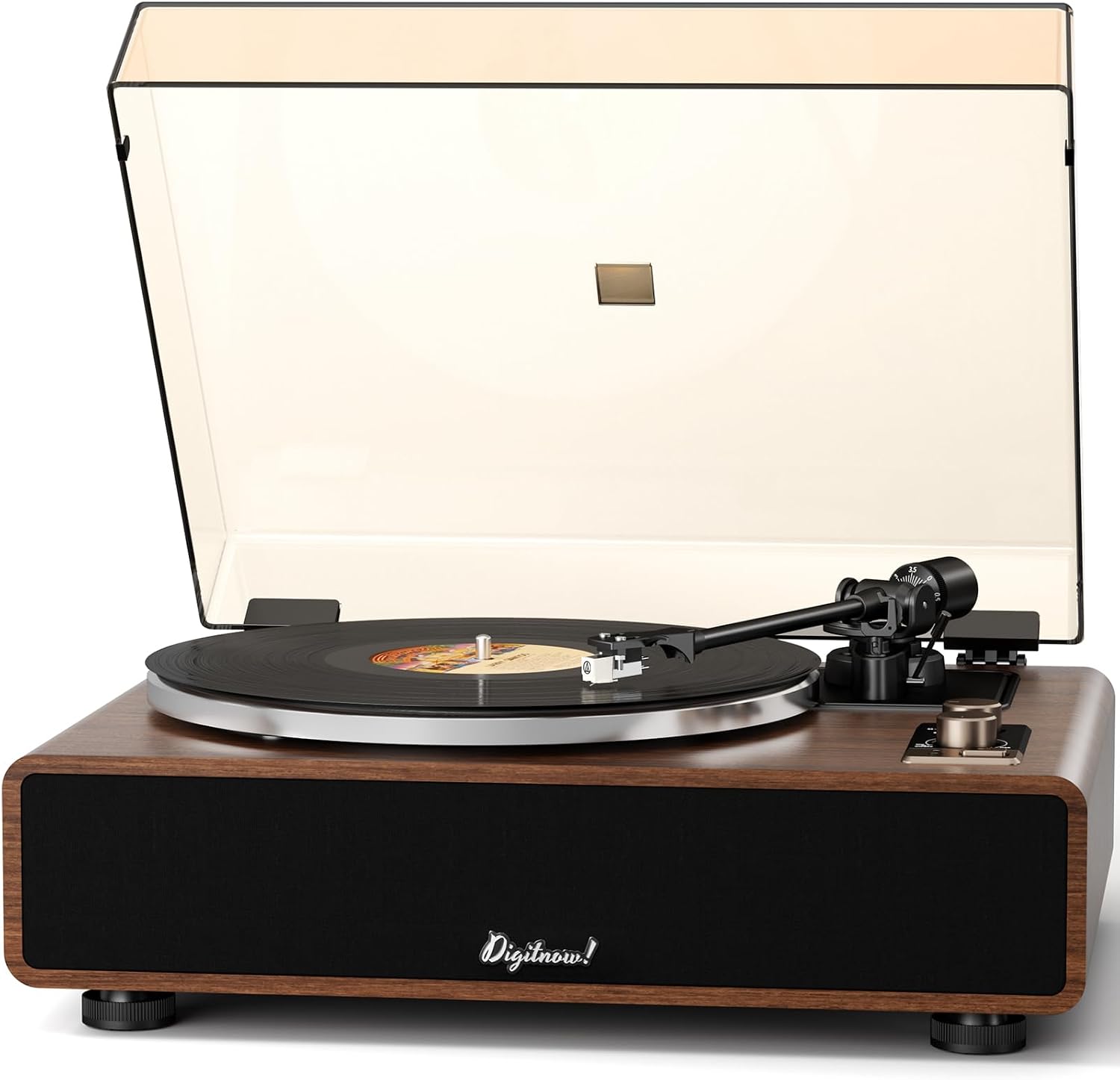
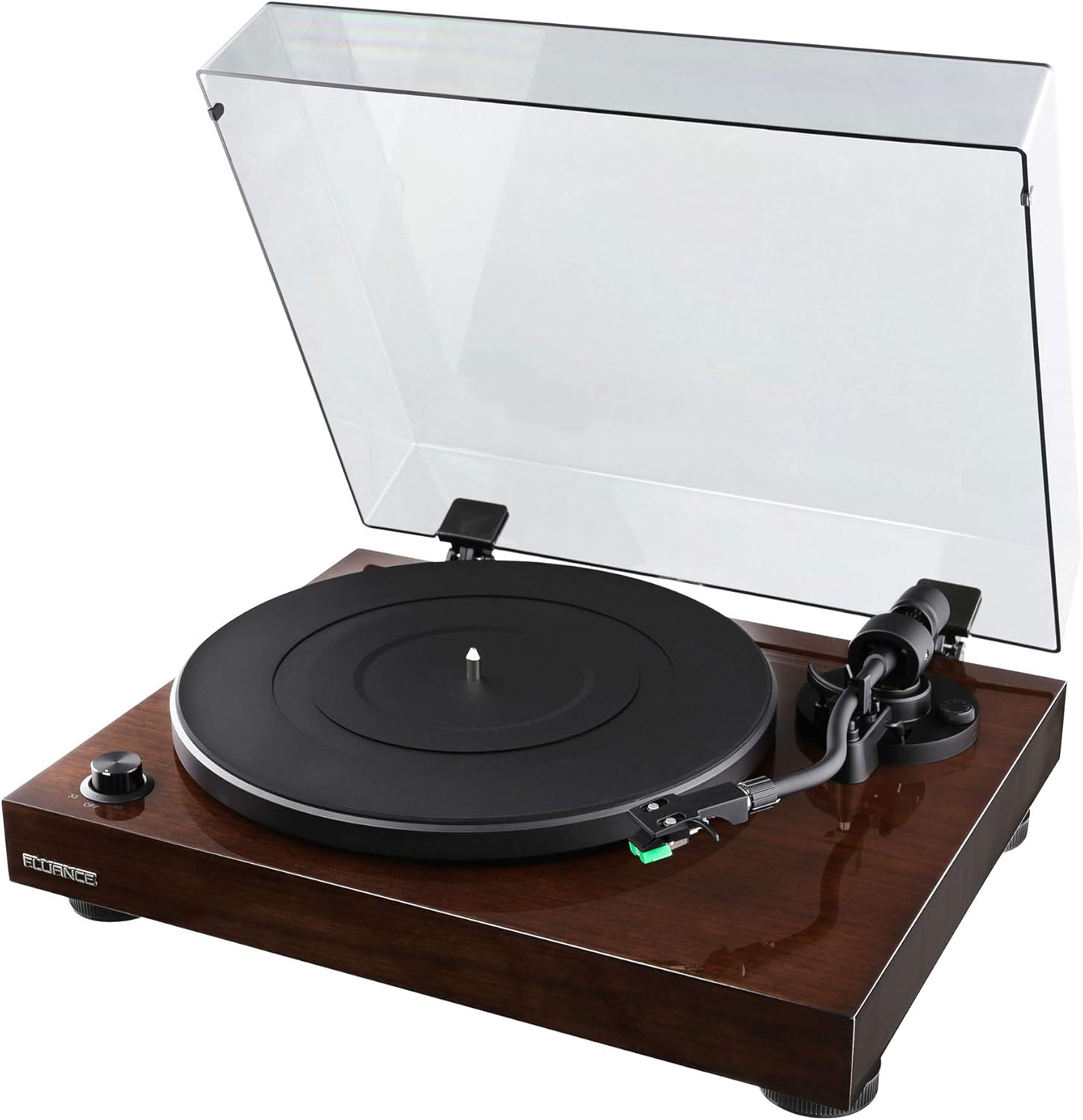
Not every turntable is suited for a moving coil cartridge. You need a tonearm with a precise, adjustable counterweight and anti-skate control to properly balance the often lower tracking force these cartridges require. The removable headshell on models like the Crosley C100A-SI is a significant advantage, allowing for easier cartridge swaps and setup.
The tonearm’s effective mass must also be considered relative to the cartridge’s compliance for optimal resonance control. For those exploring different tonearm designs, our guide on the best turntables with straight tonearms offers further insights into this critical component.
Assessing Stylus Shape and Cantilever Materials
The stylus tip and cantilever are where the rubber meets the road. A microlinear or line contact stylus, found on the Audio-Technica AT-OC9XML, traces the record groove with exceptional accuracy, retrieving more high-frequency detail. The cantilever material, such as boron or duralumin, affects rigidity and resonance, directly impacting transient response and overall clarity.
Planning for System Integration and Future Upgrades
Consider your entire signal path. If you choose a low-output moving coil cartridge, ensure you have budget and space for a suitable phono preamplifier. Also, think about future-proofing. Starting with a high-quality, upgradeable turntable platform means you can change cartridges later without replacing the entire unit.
For a broader look at different turntable types within this category, you can explore our main page for turntables, belt-drive and direct-drive. It provides a helpful overview of the foundational choices available.
Final Thoughts
Upgrading to a moving coil cartridge represents a significant step toward unlocking the full potential of your vinyl collection. For listeners seeking an effortless, high-performance upgrade without additional electronics, the Denon DL-110 High Output Moving Coil Cartridge is an outstanding plug-and-play option. If your journey begins with a need for a complete, ready-to-play system that doesn’t compromise on core functionality, the Crosley C100A-SI Record Player provides a solid, upgradeable foundation with its adjustable tonearm and pre-mounted cartridge, ready to grow with your audiophile ambitions.
Frequently Asked Questions
Do I need a special preamp for a moving coil cartridge?
It depends on the cartridge’s output level. High-output moving coil cartridges can often work with a standard moving magnet phono input. Low-output models absolutely require a dedicated moving coil phono stage or a head amplifier to provide sufficient gain and proper loading for optimal sound.
Are moving coil cartridges more fragile than moving magnet types?
They can be, as the fine coil wires are hand-wound and suspended within the magnetic field. However, with careful handling during installation and use, and by always using the cueing lever, they are perfectly robust for regular listening. Their styli also wear out and should be replaced after the recommended number of playing hours.
Can I upgrade the cartridge on any turntable?
Not all turntables allow for cartridge upgrades. Many beginner models have non-removable, pre-installed cartridges. To upgrade, you need a turntable with a standard headshell, like the models discussed here, or one with an integrated tonearm designed for cartridge mounting. Proper alignment tools are also essential for the installation process.
What other turntable features should I consider alongside the cartridge?
The tonearm’s adjustability is paramount. Also, consider vibration isolation through the plinth and feet, the quality of the platter and bearing, and motor type. A hinged dust cover, as explored in our related guide, is a practical feature for protecting your investment from dust and accidents.




Write Your Review
No reviews yet. Be the first to share your experience!