

Picture this: your phone’s battery is at 1% just as you reach the perfect summit view, or a sudden power outage leaves your essential devices dead. A reliable power source can transform these frustrating moments. For adventurers, campers, and anyone preparing for the unexpected, portable batteries with integrated solar charging offer a powerful solution.
This guide focuses on two highly-rated products that combine battery capacity with solar rechargeability. We will assess their key features, performance, and ideal use cases to help you find the perfect match for your energy needs. Whether you need to keep a laptop running or just top up a smartphone, understanding these options is the first step to staying powered anywhere.
Buying Guide: Choosing Your Solar-Powered Battery
Capacity and Output Needs
Your primary consideration should be how much power you need to store and deliver. Capacity, measured in watt-hours (Wh) or milliamp-hours (mAh), dictates how many times you can recharge a device.
A high-capacity power station can run a mini-fridge or charge a laptop multiple times. A compact power bank is perfect for several smartphone charges. Also, check the output ports and their power ratings. Look for versatile options like USB-C with Power Delivery for fast charging modern devices, which you can explore further in our guide to the best power banks with USB-C.
Solar Charging Efficiency
Not all solar charging is created equal. The efficiency depends on the panel’s wattage, weather conditions, and the battery’s charging circuitry. A product designed for fast solar charging will specify the hours needed with a compatible panel.
For emergency kits, even slower trickle-charging from the sun can be invaluable. For regular off-grid use, prioritize units that pair with higher-wattage solar panels for quicker replenishment. This feature is a cornerstone of reliable portable chargers with fast charging capabilities.
Portability and Durability
<!–Portability and Durability
Weight and size are critical if you plan to carry the unit in a backpack. A lightweight power bank is easy to slip into a pocket, while a power station requires a dedicated space in your gear.
Build quality is equally important for outdoor use. Look for ratings like IPX5 for water resistance, shockproof construction, and rugged materials. These features ensure your investment survives rain, dust, and the occasional drop on the trail, making it a dependable choice for any adventure.
Additional Features and Safety
Extra functionalities can greatly enhance convenience and safety. Some models include wireless charging pads, integrated flashlights, or carabiners for easy attachment. Multiple output ports allow you to charge several devices at once.
Always prioritize safety certifications and high-quality battery chemistry. Premium batteries like LiFePO4 offer thousands of charge cycles and superior thermal stability. For more options that balance features with value, consider our list of the best power banks under $100.
Final Thoughts
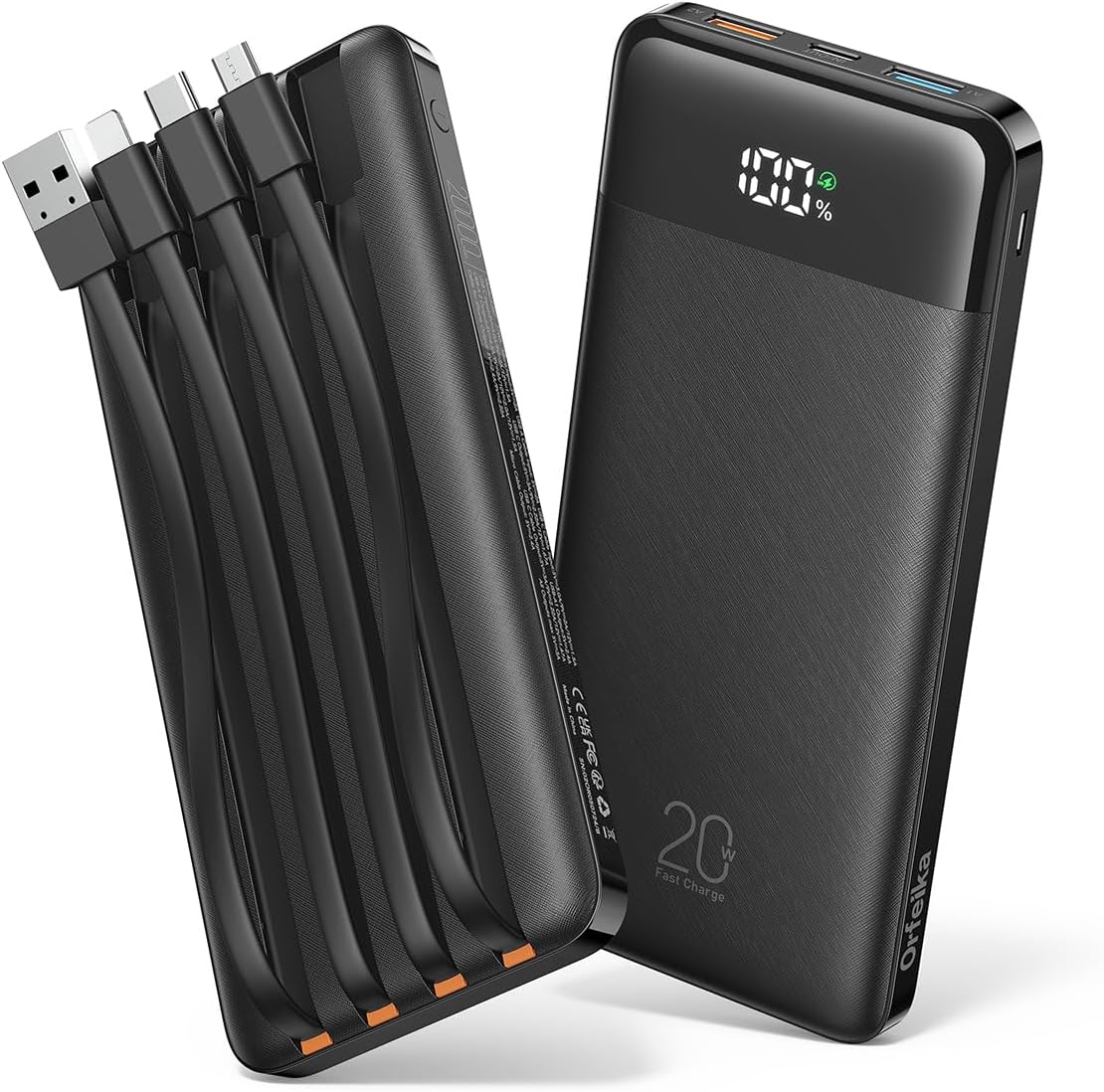
Choosing the right portable battery with solar charging ultimately depends on your specific power demands and lifestyle. For substantial, multi-device power needs during extended camping or as a home backup, the Jackery Explorer 300 Portable Power Station,292Wh is an exceptional, durable choice. For everyday carry, hiking, and keeping your phone charged with the convenience of solar backup, the compact and feature-rich BLAVOR Solar Power Bank 10,000mAh is incredibly reliable. Both represent top-tier solutions in the broader category of chargers and batteries, ensuring you stay connected wherever your journey takes you.
Frequently Asked Questions
How long does it take to charge a portable battery with solar?
Charging time varies dramatically based on the battery’s capacity, the solar panel’s wattage, and sunlight intensity. A small 10,000mAh power bank may take a full day of direct sun, while a large power station could require multiple days with a standard panel. For faster solar-independent charging, some units support AC wall charging, similar to the options highlighted in our review of the best portable chargers with digital display.
Can I leave my solar power bank in the sun all the time?
It is not recommended to leave most solar power banks under continuous, direct sunlight when not actively charging. Prolonged exposure to high heat can degrade the battery and internal components over time. Use the solar panel to recharge the unit as needed, then store it in a cool, shaded place when fully charged.
What devices can a solar-powered portable battery charge?
These batteries can charge any device that typically plugs into a USB port or a standard AC outlet, depending on the model’s outputs. This includes smartphones, tablets, cameras, drones, LED lights, small fans, and laptops. Always check the power bank’s output rating against your device’s input requirements to ensure safe and efficient charging.
Are portable solar chargers worth it for emergency preparedness?
Absolutely. A solar-charging portable battery is a cornerstone of a good emergency kit. It provides a renewable way to keep communication devices like phones and radios powered during extended power outages. Even with limited sunlight, a capable unit can provide crucial trickle charges to maintain contact and access information when you need it most in 2026.


Write Your Review
No reviews yet. Be the first to share your experience!